0

In this article

  • What is Mounjaro (Tirzepatide)?
  • Understanding the Mounjaro KwikPen
  • How Does Mounjaro Help You?
  • Step-by-Step: How to Use the Pen
  • Dosage and Maintenance
  • Potential Side Effects
  • Lifestyle Matters
  • Conclusion

Mounjaro KwikPen Guide: Easy Diabetes Management

 Everything you need to know about the Mounjaro KwikPen (Quick Pen). Discover how it aids diabetes management, weight loss potential, and how to use it safely.


article image

Apollo Pharmacy

Managing Type 2 diabetes or navigating a weight management journey can feel like a full-time job. Between monitoring numbers, planning meals, and remembering medication, it is easy to feel overwhelmed. Fortunately, medical technology is advancing rapidly to make these daily tasks simpler and more effective.

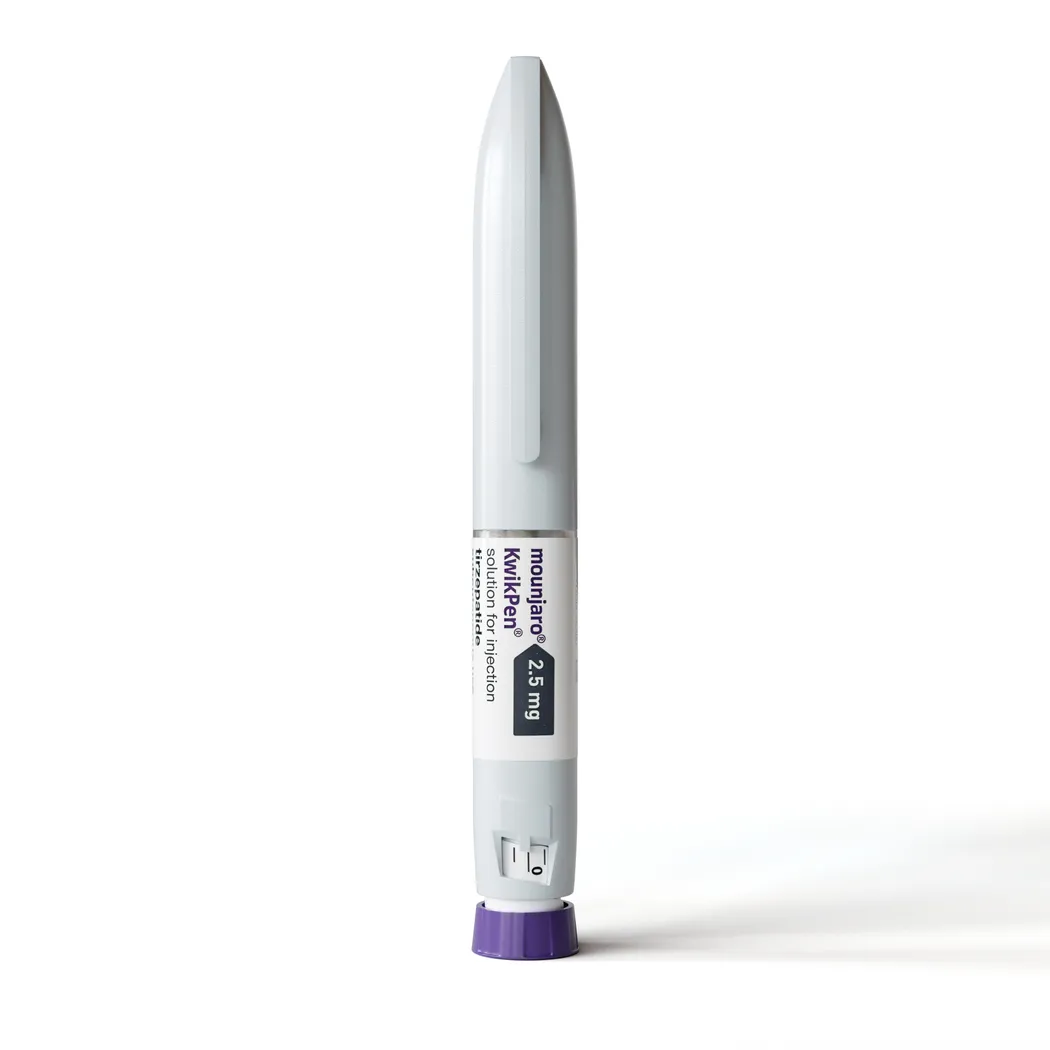
One of the most talked-about advancements in recent years is Mounjaro (tirzepatide). While the medication itself has made headlines for its effectiveness, the delivery system specifically the *mounjaro quick pen (officially known as the KwikPen) is designed to make the patient experience as smooth as possible.

Whether you have just been prescribed this medication or are researching potential options to discuss with your healthcare provider, this guide will walk you through everything you need to know about the Mounjaro KwikPen, from how it works to how to use it safely.
 

What is Mounjaro (Tirzepatide)?

Before diving into the mechanics of the pen, it is important to understand the medication inside it. Mounjaro is an injectable prescription medicine used along with diet and exercise to improve blood sugar (glucose) in adults with Type 2 diabetes.

It is unique because it is the first and only "twincretin" approved by health authorities. While many diabetes medications mimic just one hormone, Mounjaro mimics two:

1. GIP (glucose-dependent insulinotropic polypeptide)
2. GLP-1 (glucagon-like peptide-1)

By activating the body's receptors for both of these natural hormones, Mounjaro helps lower blood sugar levels and can slow down how fast the stomach empties food. This dual action is what sets it apart from other medications that only target the GLP-1 receptor.


Understanding the Mounjaro KwikPen

For many patients, the idea of an injection is scary. Pharmaceutical companies understand this, which is why they developed auto-injector pens. In many markets (particularly the UK and Europe), Mounjaro is dispensed in a multi-dose KwikPen.

Often searched for online as the Monjaró quick pen due to its speed and ease of use, this device is designed to be user-friendly, even for those with no medical background or those who have a fear of needles.

Key Features of the Pen:

  • Multi-dose system: Unlike single-use autoinjectors often found in the US, the KwikPen typically contains four doses enough for one month of treatment.
  • Hidden needle: The design allows for very fine needles to be attached, which are barely felt during injection.
  • Dial-a-dose: The mechanism ensures you receive the exact prescribed amount without having to draw liquid from a vial with a syringe.
  • Portability: It is compact and easy to travel with (once opened, it can usually be kept at room temperature for up to 30 days, though you should always check the specific package insert).
     

How Does Mounjaro Help You?

While the mounjaro quick pen is the tool, the results come from the medication. Clinical trials and real-world usage have highlighted several key benefits for patients.

1. Blood Sugar Control

The primary goal of Mounjaro is to lower HbA1c levels (average blood sugar over three months). By stimulating insulin release only when blood sugar is high and stopping the liver from making too much sugar, it helps keep levels stable throughout the day.

2. Weight Management

Although Mounjaro is primarily approved for Type 2 diabetes, a significant secondary benefit observed in clinical trials is weight loss. The medication slows digestion and signals to the brain that you are full. This helps reduce appetite and food intake. Note: Always use medication as directed by your doctor; Mounjaro is sometimes used off-label for weight loss or under the brand name Zepbound for obesity.

3. Cardiovascular Health

Managing blood sugar and weight naturally puts less strain on the cardiovascular system. While long-term cardiovascular outcome trials are ongoing, improving metabolic health is generally beneficial for the heart.
 

Step-by-Step: How to Use the Pen

Using an injectable medication can be intimidating the first time. However, the mounjaro quick pen is designed for simplicity. Always follow the specific instructions provided by your pharmacist, but here is a general overview of the process.

Step 1: Preparation

  • Wash your hands thoroughly.
  • Check the pen to ensure the liquid is clear and colourless. If it is cloudy or has particles, do not use it.
  • Clean the injection site with an alcohol swab.

Step 2: Attach the Needle

  • Pull the cap off the pen.
  • Push a new needle straight onto the pen and screw it on tight.
  • Pull off the outer needle shield and the inner needle shield.

Step 3: Priming (Very Important)

If you are using a multi-dose pen, you may need to "prime" it before the first use to remove air bubbles.

  • Dial 2 units (or as instructed by the leaflet).
  • Hold the pen with the needle pointing up.
  • Press the dose knob until a drop of liquid appears.

Step 4: Injecting

Turn the dose knob to your prescribed dose (e.g., 2.5mg, 5mg).

  • Insert the needle into your skin. Common injection sites include the stomach (abdomen), thigh, or upper arm.
  • Press the dose button down and hold it for about 5 to 10 seconds to ensure the full dose is delivered.
  • Listen for a click or watch the dial return to "0".

Step 5: Disposal

  • Remove the needle carefully.
  • Place the used needle in an FDA-cleared sharps disposal container. Never throw loose needles in the household trash.
  • Put the cap back on the pen to protect the medication from light.
     

Dosage and Maintenance

Mounjaro is usually taken once a week. You can take it at any time of the day, with or without food.

Doctors typically follow a "titration" schedule. This means you start at a low dose to let your body adjust and reduce the risk of side effects, then gradually increase the dose.

  • Starting Dose: Usually 2.5 mg once weekly for 4 weeks.
  • Maintenance Doses: Depending on how your blood sugar responds, your doctor may increase the dose to 5 mg, 7.5 mg, 10 mg, 12.5 mg, or up to the maximum of 15 mg.
    Do not try to rush this process. The "slow and steady" approach helps mitigate side effects like nausea.


Potential Side Effects

Like all active medications, Mounjaro can cause side effects. Most are mild to moderate and occur when you first start the medication or increase the dose.

Common side effects include:

  • Nausea
  • Diarrhea
  • Decreased appetite
  • Vomiting
  • Constipation
  • Indigestion or stomach pain

Tips to manage these effects:

  • Eat smaller meals.
  • Avoid high-fat or very spicy foods.
  • Stay hydrated.
  • Stop eating when you feel full.

Serious but rare side effects:


While uncommon, serious issues can occur, including pancreatitis (inflammation of the pancreas), gallbladder problems, or severe allergic reactions. Mounjaro has a boxed warning regarding thyroid C-cell tumours based on rodent studies; it is not known if this occurs in humans, but you should avoid this medication if you have a personal or family history of Medullary Thyroid Carcinoma (MTC) or Multiple Endocrine Neoplasia syndrome type 2 (MEN 2).
 

Lifestyle Matters


The mounjaro quick pen is a powerful tool, but it is not a magic wand. It works best when paired with a healthy lifestyle.

  • Nutrition: Focus on whole foods, lean proteins, vegetables, and complex carbohydrates. Because the medication reduces appetite, it is vital to ensure the food you do eat is nutrient-dense.
  • Movement: Aim for at least 150 minutes of moderate-intensity activity per week, such as brisk walking, swimming, or cycling.
  • Hydration: Drinking water is essential, especially if you experience side effects like diarrhoea, which can lead to dehydration.

When to See a Doctor?


You should contact your healthcare provider immediately if you experience:

  • Severe stomach pain that will not go away (with or without vomiting).
  • Vision changes.
  • Signs of low blood sugar (dizziness, sweating, confusion), especially if you also take insulin or sulfonylureas.
  • A lump or swelling in the neck.
     

Conclusion


The Mounjaro KwikPen represents a significant step forward in the management of Type 2 diabetes. Its ease of use, combined with the efficacy of tirzepatide, offers hope for better health outcomes for millions of people. By understanding how the device works and adhering to a healthy lifestyle, patients can take control of their condition with confidence.

Always consult your healthcare provider for personal medical advice to determine if Mounjaro is the right option for your specific health needs.
 

FAQS

Does the Mounjaro injection hurt?

Most patients report very little pain. The needles used with the KwikPen are extremely thin and short. Because the injection goes into the fatty layer under the skin (subcutaneous) rather than into a muscle, it is generally much less painful than a flu shot.

What happens if I forget to take my dose?

If you miss a dose, take it as soon as you remember, provided it is within 4 days (96 hours) of the missed dose. If more than 4 days have passed, skip the missed dose and take your next dose on your regularly scheduled day. Do not take two doses at the same time to make up for a missed one.

How should I store my Mounjaro KwikPen?

Unused pens should be stored in the refrigerator between 36°F and 46°F (2°C and 8°C). Once you start using a pen, or if you need to travel, it can usually be stored at room temperature (up to 86°F or 30°C) for up to 21 or 30 days (check your specific product packaging). Never freeze the medication.

Can I use the Mounjaro KwikPen for weight loss if I don't have diabetes?

Mounjaro is FDA-approved for Type 2 diabetes. However, doctors may prescribe it "off-label" for weight management. The same active ingredient, tirzepatide, is approved under the brand name Zepbound specifically for weight loss. Always discuss eligibility with your doctor.

How long does one KwikPen last?

In markets using the multi-dose KwikPen (like the UK), one pen typically contains 4 doses. Since the medication is taken once weekly, one pen lasts for 28 days (one month). In the US, single-dose pens are more common, where you use one pen per week and discard it immediately.

Apollo 247 Floating Action Button