For weight loss enthusiasts, gym goers, and even the elderly monitoring their health, the scale can be a vital tool. However, if the number on your scale seems to jump up and down mysteriously, it can be frustrating and demotivating. Achieving consistent weight tracking depends on more than just a good scale; it relies on a smart, consistent weighing routine. By following these simple tips for accurate weighing, you can ensure the number you see truly reflects your body's changes, not just random daily fluctuations.
Tips for Accurate Weighing: What to Do and What to Avoid
Reach your fitness goals with accurate home weighing tips. Learn the best time to use the scale, avoid common mistakes, and track weight consistently for reliable results progress.
Apollo Pharmacy
In this article
- Setting Up Your Routine for Success
- Common Errors That Ruin Your Reading
- Understanding Normal Weight Swings
- Choosing the Right Tools
- Staying Motivated Beyond the Number
- Conclusion
Setting Up Your Routine for Success
Setting Up Your Routine for Success
The best way to get meaningful data is to create a fixed routine and stick to it every single time you weigh yourself.
- Weigh in the Morning: The ideal time is first thing in the morning, immediately after using the bathroom and before eating or drinking anything. This timing minimizes fluctuations from food or fluid intake, giving you a stable baseline.
- Keep It Consistent: Always weigh yourself on the same day and at the exact same time each week. Consistent timing is the foundation of reliable, consistent weight tracking.
- Use the Same Scale: Never compare the number from your home scale with the one at the gym or doctor’s office. Stick to the same device for all your measurements, even if it is slightly off.
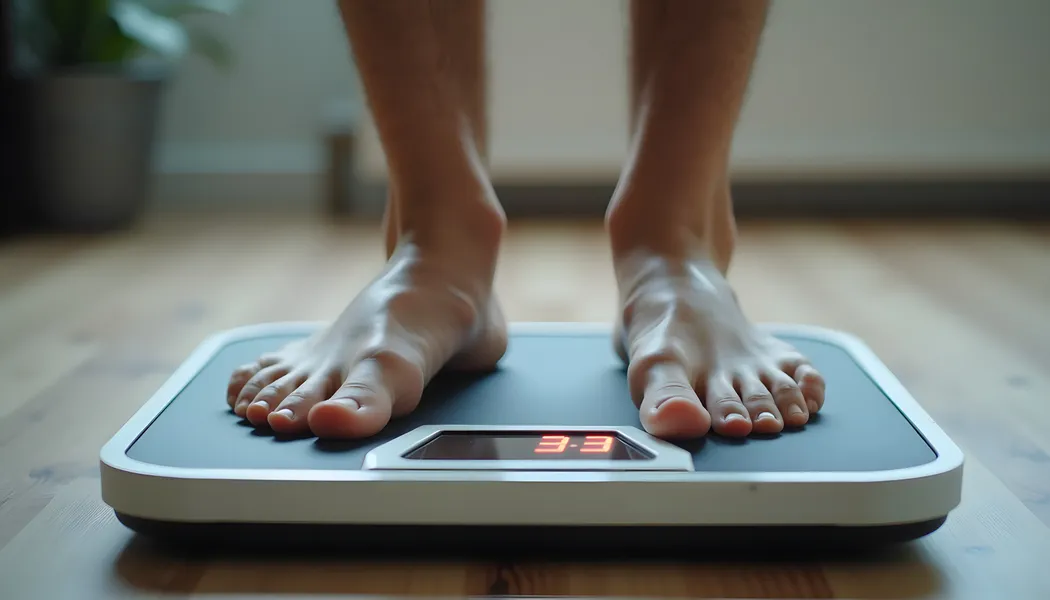
- Ensure a Flat Surface: Place your scale on a hard, level, flat surface like wood or tile, never on a soft carpet or uneven rug. A firm surface is essential for getting the best tips for accurate weighing results.
- Stand Still and Centered: Stand motionless on the scale with your feet evenly spaced in the centre of the platform. Weight distribution and posture significantly influence the final reading.
Common Errors That Ruin Your Reading
Common Errors That Ruin Your Reading
Even small actions can significantly skew your results and mislead your consistent weight tracking efforts.
- Wearing Clothes or Shoes: Avoid wearing heavy clothes, shoes, or even thick socks, as this adds unnecessary, inconsistent weight. Minimize clothing and try to wear similar attire each time you step on the scale.
- Leaning or Shifting: Do not touch a wall or hold onto an object, as this will transfer weight away from the scale. Leaning forward or backward slightly can also result in an inaccurate reading.
- Moving the Scale: Avoid placing the scale in a location where the temperature drastically changes throughout the day. Frequent movement can interfere with the sensitive sensors inside a digital scale.
- Not Zeroing Out: For analog scales, neglecting to manually adjust the needle back to zero will result in an offset reading. Digital scales should always reset to 0.0 before you step on.


Understanding Normal Weight Swings
Understanding Normal Weight Swings
Knowing when your body's natural state will give a false reading is one of the most important tips for accurate weighing.
- After a Big Meal or Drinking: Do not weigh yourself immediately after eating a large meal or drinking a lot of water, as this causes temporary weight gain. Food in your digestive system and fluids add temporary pounds to the scale.
- Immediately After Exercise: Sweating during a workout causes temporary weight loss due to fluid depletion. However, intense strength training can also cause temporary water retention for muscle repair.
- During Menstruation: Women should skip weighing during their menstrual cycle due to temporary water retention and bloating caused by hormonal changes.
- After High-Sodium Intake: A diet high in salt causes the body to retain water, leading to a temporary and misleading weight spike.
Choosing the Right Tools
Choosing the Right Tools
The quality of your device can impact the ease of consistent weight tracking and overall accuracy.
- Look for High Precision: Choose a modern digital scale with a readability of 100 grams (0.1 kg) for the best tips for accurate weighing. Higher precision helps you clearly see small changes over time.
- Consider Smart Scales: Advanced scales can measure body fat, muscle mass, and BMI, offering a fuller picture of progress beyond just weight. These extra metrics provide superior, consistent weight tracking.
- Check Calibration Features: Look for a scale with easy-to-use automatic calibration or clear instructions for manual calibration. Reliable brands often include built-in calibration functions.
- Prioritize Platform Size: Ensure the scale platform is comfortably large and sturdy, especially important for the elderly who need maximum stability.
Staying Motivated Beyond the Number
Staying Motivated Beyond the Number
A fluctuating number should never break your motivation; remember that the scale is only one measure of your health.
- Focus on Trends, Not Perfection: Look at the average weight over a month, not the number on any single day. Small daily changes of 1-2 kg are normal and reflect temporary fluid changes.
- Celebrate Non-Scale Victories: Recognize other forms of progress, such as clothes fitting better, increased energy, and improved strength at the gym.
- Track Other Metrics: Use a measuring tape to track circumference changes or note improvements in your sleep and mood.
- Avoid Obsession: Do not weigh yourself multiple times a day, as this can lead to obsession and discouragement. Weighing once a week is usually sufficient for effective, consistent weight tracking.
Conclusion
Conclusion
Mastering the tips for accurate weighing is a simple yet powerful way to take control of your fitness and health goals. By adopting a consistent morning routine and understanding the factors that cause temporary weight changes, you can trust your scale more deeply. Focus on the long-term trend, stay consistent, and remember that true health is measured by your energy and well-being, not just the number on the scale.


