When discussing toothbrush vs tongue cleaner, the real difference lies in the specific function each tool performs within your oral hygiene routine. Although both are designed to maintain mouth cleanliness, they target completely different areas and types of bacteria inside the oral cavity.
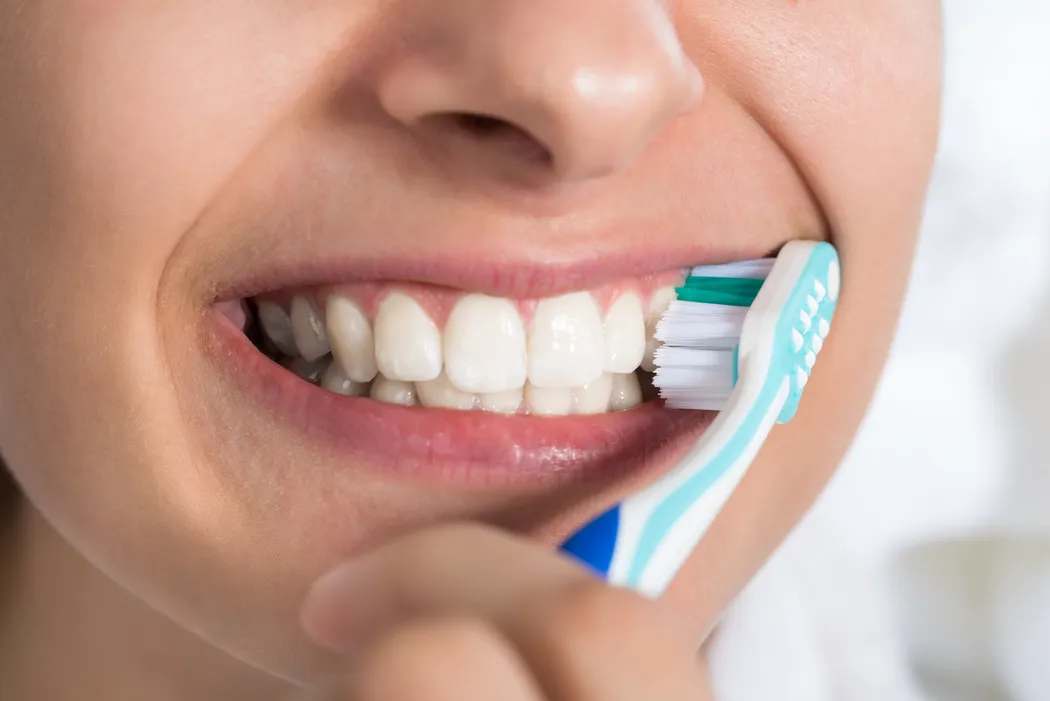
A toothbrush is primarily designed to clean the teeth and the gum line. Its bristles help remove plaque, food particles, and bacterial buildup from the hard surfaces of teeth. Plaque is a sticky film that forms continuously on teeth and is one of the main causes of cavities, enamel erosion, and gum disease. By brushing twice daily with fluoride toothpaste, you reduce acid-producing bacteria, protect enamel, and prevent gingivitis. In short, a toothbrush focuses mainly on preventing tooth decay and maintaining gum health.
On the other hand, a tongue cleaner is specifically designed to clean the tongue’s surface. The tongue contains tiny grooves and papillae where bacteria, dead cells, and debris accumulate. This buildup often forms a visible coating and is one of the leading causes of bad breath. While some people attempt to clean their tongue using a toothbrush, the bristles are not always effective at reaching deep into these grooves. A dedicated tongue cleaner is shaped to gently scrape away this coating without damaging the soft tissue. Its main purpose is to reduce odor-causing bacteria, improve breath freshness, and enhance taste sensitivity.
Another key difference between toothbrush vs tongue cleaner lies in the type of hygiene they support. A toothbrush mainly protects against cavities and gum disease, whereas a tongue cleaner primarily targets halitosis (bad breath) and overall oral freshness. Brushing alone may leave tongue bacteria untouched, which can quickly repopulate the mouth and reduce the overall effectiveness of brushing. Similarly, cleaning only the tongue without brushing leaves teeth vulnerable to plaque buildup and decay.
In simple terms, the toothbrush cleans hard surfaces (teeth), while the tongue cleaner cleans soft tissue (tongue). Both tools address different sources of oral bacteria. For complete oral hygiene, they should not be seen as alternatives but as complementary components of a well-rounded daily routine.
Common Hygiene Myths You Should Stop Believing
Myth 1: Brushing Alone Is Enough
Even the best brushing technique does not remove bacteria from deep tongue grooves.
Myth 2: Tongue Cleaning Causes Damage
When done gently with a proper tool, tongue cleaning is completely safe.
Myth 3: Mouthwash Replaces Tongue Cleaning
Mouthwash reduces bacteria temporarily but does not physically remove buildup.
Myth 4: Tongue Cleaning Is Only for Adults
Children and teenagers can also benefit from gentle tongue cleaning under supervision.
Understanding these myths helps clarify why the toothbrush vs tongue cleaner debate should focus on balance rather than comparison.
Why Tongue Cleaning Matters More Than You Think
Bad breath (halitosis) is often caused by bacteria on the tongue rather than cavities.
Studies show that a coated tongue is a primary contributor to unpleasant odor.
Benefits of regular tongue cleaning include:
- Fresher breath throughout the day
- Reduced bacterial load
- Improved taste sensation
- Better oral freshness
This is why searching for the best tongue cleaner India options has become increasingly common among oral-care-conscious individuals.
Building the Ideal Oral Hygiene Routine
A balanced routine should include:
- Brush twice daily with fluoride toothpaste
- Clean tongue once daily
- Use dental floss or interdental brushes
- Rinse with mouthwash if needed
- Replace toothbrush every 3 months
The toothbrush vs tongue cleaner debate ends here as both are essential.