Exploring Different Types of Diets for Weight Loss
You might wonder which diet types for weight loss are best suited for your lifestyle. Below is a breakdown of the most common, evidence-based dietary approaches recommended by health professionals.
1. The Mediterranean Diet
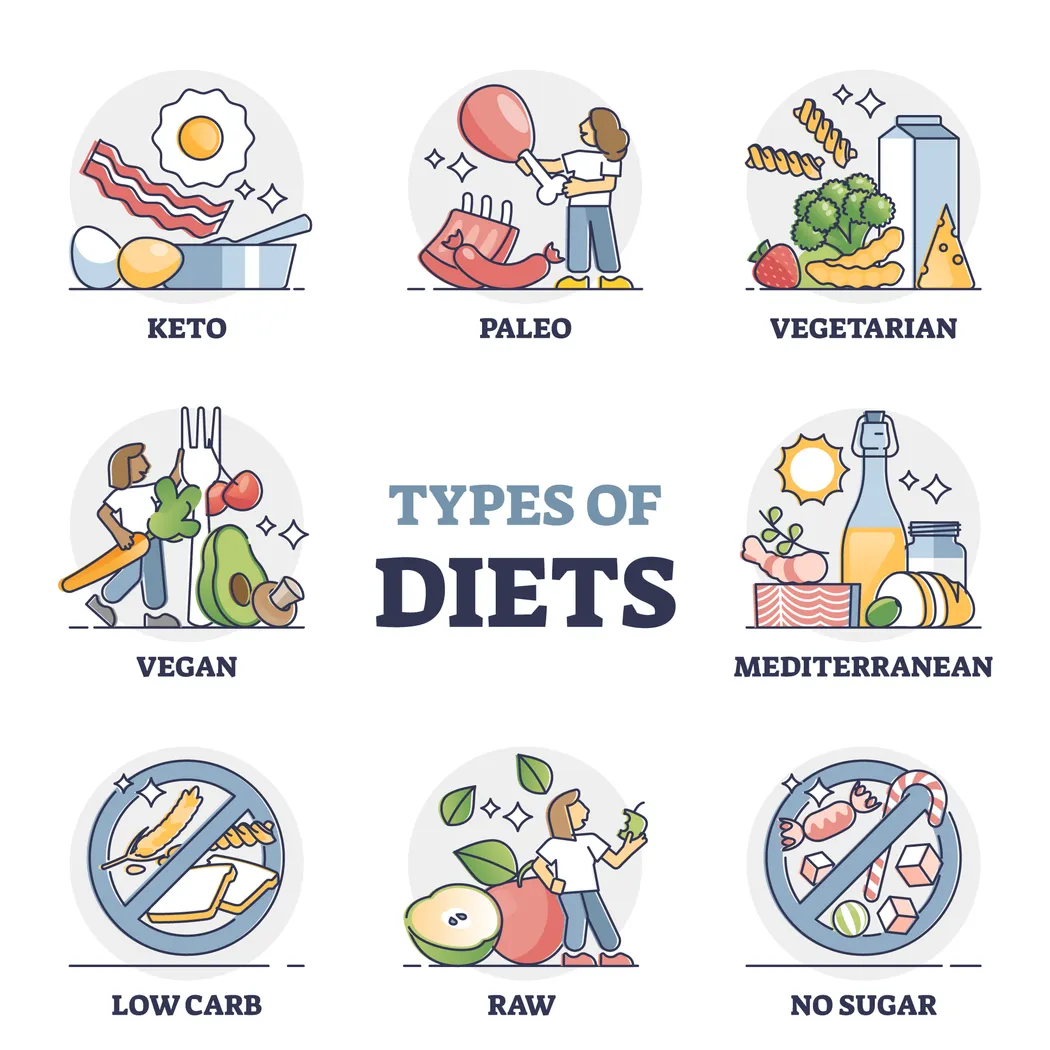
Often ranked by health experts as one of the healthiest eating patterns in the world, the Mediterranean diet is less of a strict regimen and more of a lifestyle. Based on the traditional eating habits of countries bordering the Mediterranean Sea, this plan is excellent for heart health and sustainable weight management.
- How it works: It focuses heavily on whole foods. You will eat plenty of vegetables, fruits, whole grains, nuts, seeds, and healthy fats like olive oil. Fish and poultry are consumed in moderation, while red meat and processed sweets are limited.
- Pros: It is highly sustainable, easy to follow at restaurants, and strongly linked to a reduced risk of heart disease and diabetes.
- Cons: Because it does not strictly dictate calorie counts, you still need to be mindful of portion sizes to actively lose weight.
2. Low-Carb Diets (Keto and Atkins)
When exploring a specific type of diet for weight loss, low-carbohydrate diets frequently top the popularity list. The Ketogenic (Keto) diet and the Atkins diet are the most famous examples of this category.
- How it works: These diets drastically reduce your carbohydrate intake (like bread, pasta, and sugary foods) and replace those calories
with proteins and fats. In the Keto diet, this reduction pushes your body into a metabolic state called "ketosis," where it burns stored fat
for energy instead of glucose. - Pros: Many people experience rapid initial weight loss and reduced appetite due to the high fat and protein content.
- Cons: It can be very difficult to maintain long-term. Some people experience a temporary "keto flu" (fatigue and headaches) during the first week. It may also lack dietary fibre if you do not carefully plan your vegetable intake.
3. Plant-Based and Vegan Diets
Plant-based diets have surged in popularity not just for weight loss, but for environmental and ethical reasons as well. Many types of weight loss diets fall under this umbrella, ranging from flexible vegetarianism to strict veganism.
- How it works: Vegetarians eliminate meat, poultry, and fish, but may still eat eggs and dairy. Vegans eliminate all animal products. The focus is on fruits, vegetables, legumes, whole grains, and nuts.\
- Pros: Plant-based foods are naturally rich in fibre, which keeps you feeling full longer on fewer calories. Research shows these diets are highly effective for weight loss and reducing the risk of chronic illnesses.
- Cons: You must plan carefully to ensure you get enough protein, iron, calcium, and Vitamin B12, which are typically found in animal products.
4. Intermittent Fasting (IF)
Unlike other types of diets for weight loss that focus on what you eat, Intermittent Fasting focuses entirely on when you eat.
- How it works: You alternate between periods of eating and fasting. The most popular method is the 16/8 approach, where you fast for 16 hours (usually overnight and through the morning) and eat all your meals within an 8-hour window. Another method is the 5:2 diet, where you eat normally for five days and restrict calories to about 500-600 on the other two days.
- Pros: It simplifies your day since there are fewer meals to prep. It naturally restricts your eating window, which usually leads to a lower overall calorie intake.
- Cons: It is not suitable for everyone. People with a history of eating disorders, pregnant women, or individuals taking certain medications for diabetes should avoid fasting unless cleared by a doctor.
5. The DASH Diet
DASH stands for Dietary Approaches to Stop Hypertension. Originally designed to help people lower their blood pressure, it has proven to be an excellent, well-rounded type of diet for weight loss.
- How it works: The DASH diet encourages eating foods rich in potassium, calcium, and magnesium (like fruits, vegetables, and low-fat dairy) while strictly limiting sodium (salt), saturated fats, and added sugars.
- Pros: It is heavily backed by the medical community, including the American Heart Association. It teaches balanced, lifelong healthy eating habits.
- Cons: Tracking your daily sodium intake can be tedious initially, and you will need to cook more meals at home to control hidden salt found in restaurant foods.
6. Low-Fat Diets
For decades, low-fat diets were the primary recommendation for weight loss. While the emphasis has shifted slightly toward balancing healthy fats, low-fat diets remain a viable option for many.
- How it works: This plan involves restricting your fat intake to under 30% of your daily calories. It focuses heavily on lean proteins (like chicken breast and white fish), whole grains, fruits, and vegetables.
- Pros: Since fat contains 9 calories per gram (compared to 4 calories per gram in carbs and protein), cutting fat naturally and significantly cuts your total caloric intake.
- Cons: Dietary fat is necessary for hormone health and nutrient absorption. Cutting too much fat can leave you feeling hungry and dissatisfied.