0

In this article

  • Introduction
  • Why Choosing the Right Type of Diet for Weight Loss Matters?
  • Exploring Different Types of Diets for Weight Loss
  • How to Choose From the Various Types of Diet Plans?
  • Conclusion

Best Diet Plans for Weight Loss: Types Explained

Explore different types of diet plans for weight loss, including Mediterranean, low-carb, plant-based, intermittent fasting, DASH, and low-fat diets to find the best approach for healthy and sustainable weight loss.

article image

Apollo Pharmacy

Introduction
 

Starting a weight loss journey can feel like navigating a maze. With so much information 
available, figuring out where to begin is often the hardest part. If you are looking for the perfect type of diet for weight loss, you are not alone. Millions of people search for a healthy, sustainable way to shed extra pounds and improve their overall well-being every single day. The truth is, there is no single "magic" solution that works universally. Because our bodies, lifestyles, and preferences are unique, the best approach is to find a routine that fits seamlessly into your daily life. Whether you prefer eating more protein, focusing on plant-based foods, or simply watching your portion sizes, understanding the various types of diets for weight loss is the first step toward long-term success. In this comprehensive guide, we will break down the most popular, science-backed eating plans. We will explore different types of diets for weight loss, discuss how they work, and help you determine which path might be the healthiest and most effective choice for you.
 

Why Choosing the Right Type of Diet for Weight Loss Matters?
 

When people decide to lose weight, they often jump into the most restrictive eating plan they can find. However, health experts from organisations like the Centres for Disease Control and Prevention (CDC) and the Mayo Clinic agree that extreme restriction is rarely successful in the long run.

Finding the right type of diet for weight loss matters because your diet needs to be sustainable. If an eating plan makes you feel exhausted, hungry, or miserable, you are highly likely to abandon it. A successful weight loss plan should:

  1. Create a safe, moderate calorie deficit.
  2. Provide all the essential vitamins and nutrients your body needs to function.
  3. Include foods that you genuinely enjoy eating.
  4. Fit into your budget, schedule, and cultural preferences.

Before committing to any specific routine, it is incredibly helpful to explore the different types of diets for weight loss available. This allows you to match your personal health goals with an eating style you can maintain for years, not just weeks.
 

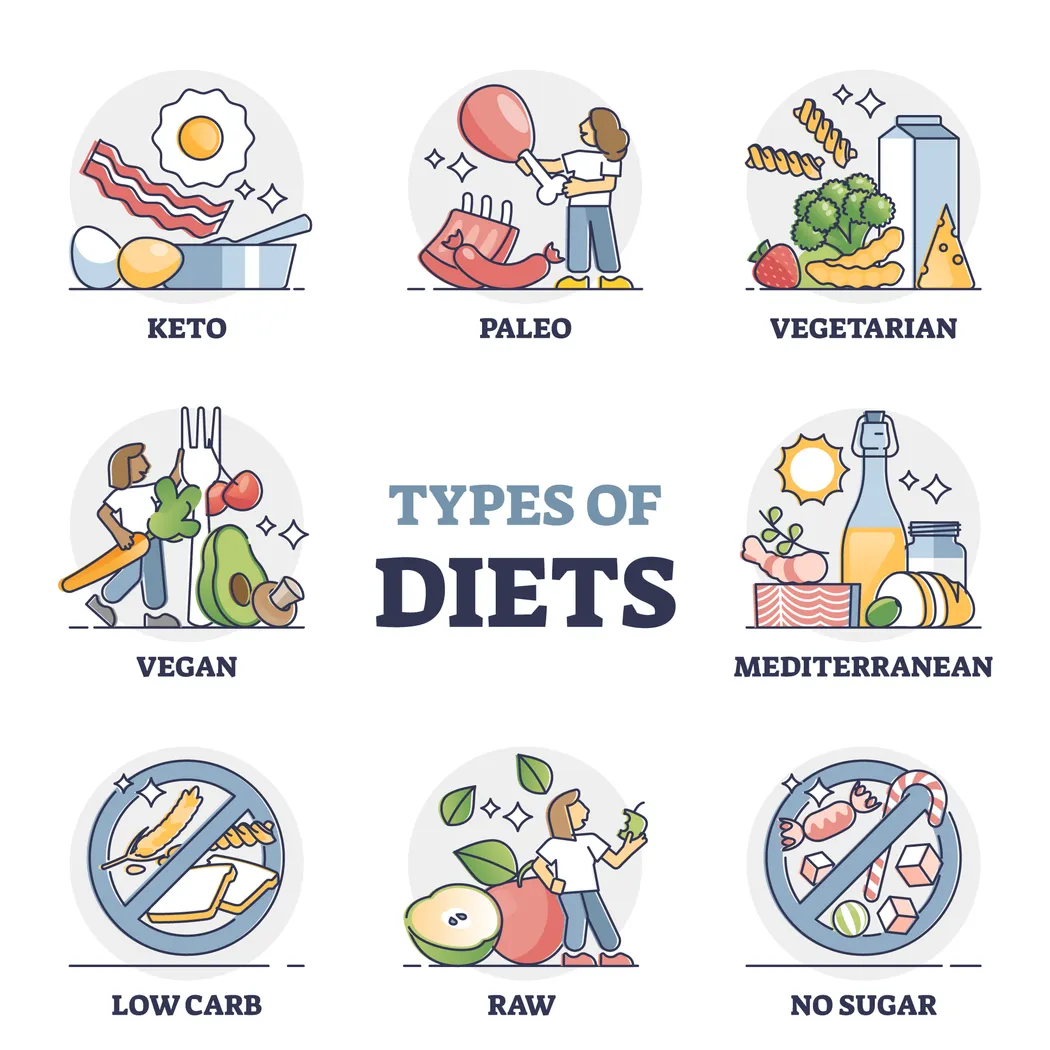
Exploring Different Types of Diets for Weight Loss

You might wonder which diet types for weight loss are best suited for your lifestyle. Below is a breakdown of the most common, evidence-based dietary approaches recommended by health professionals.

1. The Mediterranean Diet

Often ranked by health experts as one of the healthiest eating patterns in the world, the Mediterranean diet is less of a strict regimen and more of a lifestyle. Based on the traditional eating habits of countries bordering the Mediterranean Sea, this plan is excellent for heart health and sustainable weight management.

  1. How it works: It focuses heavily on whole foods. You will eat plenty of vegetables, fruits, whole grains, nuts, seeds, and healthy fats like olive oil. Fish and poultry are consumed in moderation, while red meat and processed sweets are limited.
  2. Pros: It is highly sustainable, easy to follow at restaurants, and strongly linked to a reduced risk of heart disease and diabetes.
  3. Cons: Because it does not strictly dictate calorie counts, you still need to be mindful of portion sizes to actively lose weight.

2. Low-Carb Diets (Keto and Atkins)

When exploring a specific type of diet for weight loss, low-carbohydrate diets frequently top the popularity list. The Ketogenic (Keto) diet and the Atkins diet are the most famous examples of this category.

  1. How it works: These diets drastically reduce your carbohydrate intake (like bread, pasta, and sugary foods) and replace those calories 
    with proteins and fats. In the Keto diet, this reduction pushes your body into a metabolic state called "ketosis," where it burns stored fat 
    for energy instead of glucose.
  2. Pros: Many people experience rapid initial weight loss and reduced appetite due to the high fat and protein content.
  3. Cons: It can be very difficult to maintain long-term. Some people experience a temporary "keto flu" (fatigue and headaches) during the first week. It may also lack dietary fibre if you do not carefully plan your vegetable intake.

3. Plant-Based and Vegan Diets

Plant-based diets have surged in popularity not just for weight loss, but for environmental and ethical reasons as well. Many types of weight loss diets fall under this umbrella, ranging from flexible vegetarianism to strict veganism.

  1. How it works: Vegetarians eliminate meat, poultry, and fish, but may still eat eggs and dairy. Vegans eliminate all animal products. The focus is on fruits, vegetables, legumes, whole grains, and nuts.\
  2. Pros: Plant-based foods are naturally rich in fibre, which keeps you feeling full longer on fewer calories. Research shows these diets are highly effective for weight loss and reducing the risk of chronic illnesses.
  3. Cons: You must plan carefully to ensure you get enough protein, iron, calcium, and Vitamin B12, which are typically found in animal products.

4. Intermittent Fasting (IF)

Unlike other types of diets for weight loss that focus on what you eat, Intermittent Fasting focuses entirely on when you eat.

  1. How it works: You alternate between periods of eating and fasting. The most popular method is the 16/8 approach, where you fast for 16 hours (usually overnight and through the morning) and eat all your meals within an 8-hour window. Another method is the 5:2 diet, where you eat normally for five days and restrict calories to about 500-600 on the other two days.
  2. Pros: It simplifies your day since there are fewer meals to prep. It naturally restricts your eating window, which usually leads to a lower overall calorie intake.
  3. Cons: It is not suitable for everyone. People with a history of eating disorders, pregnant women, or individuals taking certain medications for diabetes should avoid fasting unless cleared by a doctor.

5. The DASH Diet

DASH stands for Dietary Approaches to Stop Hypertension. Originally designed to help people lower their blood pressure, it has proven to be an excellent, well-rounded type of diet for weight loss.

  1. How it works: The DASH diet encourages eating foods rich in potassium, calcium, and magnesium (like fruits, vegetables, and low-fat dairy) while strictly limiting sodium (salt), saturated fats, and added sugars.
  2. Pros: It is heavily backed by the medical community, including the American Heart Association. It teaches balanced, lifelong healthy eating habits.
  3. Cons: Tracking your daily sodium intake can be tedious initially, and you will need to cook more meals at home to control hidden salt found in restaurant foods.

6. Low-Fat Diets

For decades, low-fat diets were the primary recommendation for weight loss. While the emphasis has shifted slightly toward balancing healthy fats, low-fat diets remain a viable option for many.

  1. How it works: This plan involves restricting your fat intake to under 30% of your daily calories. It focuses heavily on lean proteins (like chicken breast and white fish), whole grains, fruits, and vegetables.
  2. Pros: Since fat contains 9 calories per gram (compared to 4 calories per gram in carbs and protein), cutting fat naturally and significantly cuts your total caloric intake.
  3. Cons: Dietary fat is necessary for hormone health and nutrient absorption. Cutting too much fat can leave you feeling hungry and dissatisfied.
     

How to Choose From the Various Types of Diet Plans?

When evaluating various types of diet plans for weight loss, it is vital to be honest with yourself about your habits. If you love carbohydrates, a strict Keto diet will likely end in frustration. If you struggle with blood sugar drops, intermittent fasting might make you feel faint.

Here are a few steps to help you decide:

1. Assess your current eating habits

Do you snack late at night? Do you rely on fast food? Identifying your weak points can help you choose a diet that corrects them.

2. Consult a healthcare professional

Always talk to your doctor or a registered dietitian before making drastic changes, especially if you have underlying health conditions 
like diabetes, heart disease, or hypertension.

3. Start slow

You do not have to change everything overnight. Start by incorporating elements of the Mediterranean diet, like adding a serving of 
vegetables to every dinner, before committing to a rigid plan.

4. Listen to your body

If an eating plan leaves you constantly exhausted, it is not the right fit. Health should always be the ultimate goal.
 

Conclusion
 

Choosing the right type of diet for weight loss is not about following the latest trend, but about finding a balanced eating pattern that suits your lifestyle and health goals. Each diet plan, whether Mediterranean, low-carb, plant-based, intermittent fasting, DASH, or low-fat, offers unique benefits and approaches to creating a calorie deficit. The key to successful weight loss lies in consistency, proper nutrition, and sustainability rather than extreme restrictions. By understanding how different diet plans work, you can make informed choices that support both short-term progress and long-term health. Ultimately, the best diet is the one that helps you build healthy habits you can maintain for life.
 

FAQS

How many types of diets for weight loss exist?

It is nearly impossible to put an exact number on how many types of diets for weight loss are out there, as new trends constantly emerge. However, most reliable, medically backed diets fall into a few main categories: low-carb, low-fat, plant-based, Mediterranean-style, and timed-eating (fasting) plans.

What is the most effective type of diet for weight loss?

The most effective type of diet for weight loss is simply the one you can stick to consistently over a long period. Weight loss occurs when you consume fewer calories than your body burns (a calorie deficit). Whether you achieve that through a low-carb, plant-based, or Mediterranean diet depends entirely on your personal preference and lifestyle.

Are all types of weight loss diets safe?

No, not all diets are safe. Extremely restrictive diets, "crash diets," or plans that require you to consume fewer than 1,200 calories a day can be dangerous. They can lead to muscle loss, nutritional deficiencies, and a slowed metabolism. Always opt for balanced plans backed by reputable health organisations.

Can I combine different types of diets for weight loss?

Absolutely. Many people find success by combining the principles of two healthy plans. For example, you might combine a Plant-Based diet with Intermittent Fasting, or follow a Low-Carb Mediterranean diet. As long as the combination provides balanced nutrition and fits your lifestyle, it can be highly effective.

Do I have to exercise regardless of the diet types for weight loss I choose?

While diet plays the largest role in dropping pounds, exercise is crucial for maintaining weight loss and keeping your heart, muscles, and bones healthy. The World Health Organisation (WHO) recommends at least 150 minutes of moderate-intensity aerobic activity per week, alongside a healthy diet, for optimal health.

Apollo 247 Floating Action Button