0

In this article

  • What is Ozempic?
  • What is Ozempic Used For?
  • Ozempic Injection Benefits
  • Ozempic Pros and Cons
  • Ozempic Disadvantages and Side Effects
  • Ozempic Tablets vs Injection
  • How to Use the Ozempic Pen?
  • Lifestyle Changes to Maximise Results
  • Conclusion

Ozempic Uses & Benefits: Everything You Need to Know

Discover what is Ozempic used for, its key benefits for diabetes, and potential side effects. We explore Ozempic pros and cons, costs, and alternatives.


article image

Apollo Pharmacy

If you follow health news or scroll through social media, you have almost certainly heard the name "Ozempic." It has become a household topic of conversation, sparking debates about diabetes management and weight loss trends. But beyond the headlines and viral videos, there are important medical facts to consider.

If your doctor has suggested this medication, or if you are simply curious about the buzz, you probably have one big question: What is Ozempic used for exactly?

In this guide, we will break down the facts. We will look at how the Ozempic injection uses specific hormones to regulate blood sugar, the potential Ozempic injection benefits for heart health, and the reality of Ozempic disadvantages and side effects.

Disclaimer: This article is for informational purposes only and does not constitute medical advice. Always consult with a healthcare professional before starting or stopping any medication.

What is Ozempic?

Ozempic is the brand name for a medication called semaglutide. It belongs to a class of drugs known as GLP-1 receptor agonists (glucagon-like peptide-1).

While that sounds like a mouthful, the way it works is actually quite fascinating. GLP-1 is a hormone naturally produced in your gut. When you eat, this hormone tells your pancreas to release insulin (which lowers blood sugar) and blocks your liver from releasing too much sugar. It also sends a signal to your brain that you are full.

Ozempic mimics this natural hormone, but it lasts much longer in your body than the natural version, allowing for effective, long-term regulation of blood sugar levels.

What is Ozempic Used For?

According to the FDA, Ozempic is officially approved for two primary uses. However, there is a third, "off-label" use that has contributed significantly to its popularity.

1. Management of Type 2 Diabetes

The primary purpose of Ozempic is to improve blood sugar (glucose) levels in adults with Type 2 diabetes. It is meant to be used alongside diet and exercise. It is not used for Type 1 diabetes or diabetic ketoacidosis, and it is not a substitute for insulin, though it can be used in combination with it.

2. Reducing Cardiovascular Risk

For adults with Type 2 diabetes who also have known heart disease, Ozempic injection uses include reducing the risk of major cardiovascular events. This includes lowering the risk of:

  • Heart attack
  • Stroke
  • Death from cardiovascular causes

3. Weight Management (Off-Label)

While Ozempic is not FDA-approved specifically as a weight-loss drug, weight loss is a very common side effect. Because the drug slows down digestion and signals satiety (fullness) to the brain, patients often eat less. Doctors may prescribe it "off-label" for weight management, although a higher dose of the same drug (semaglutide) is FDA-approved for weight loss under the brand name Wegovy.
 

Ozempic Injection Benefits

Why are so many healthcare providers prescribing this medication? The Ozempic injection benefits go beyond just lowering a number on a glucose monitor.

  • Lower A1C Levels: Clinical trials have shown that Ozempic is highly effective at lowering haemoglobin A1C levels (a 3-month average of blood sugar) to under 7%, which is the goal for many diabetics.
  • Cardiovascular Protection: As mentioned above, the drug offers a protective mechanism for the heart, which is crucial because heart disease is the leading cause of death for people with diabetes.
  • Convenience: Unlike some diabetes medications that require daily dosing, Ozempic is a once-weekly injection.
  • Kidney Health: Emerging research suggests that GLP-1 agonists may help slow the progression of chronic kidney disease in people with diabetes.
     

Ozempic Pros and Cons

No medication is perfect. When considering treatment, it is vital to weigh the Ozempic pros and cons to see if it aligns with your health goals and lifestyle.

The Pros

Here are some of the pros of Ozempic:

  • High Efficacy: It is one of the most effective non-insulin injectables for lowering blood sugar.
  • Weight Loss: Most patients lose some weight, which generally helps improve insulin sensitivity.
  • Dosing Schedule: You only need to think about it once a week.
  • Heart Benefits: Reduces the risk of stroke and heart attack in high-risk patients.

The Cons

Here are some of the cons of Ozempic:

  • Side Effects: Gastrointestinal issues are very common (nausea, diarrhoea).
  • Cost: It can be expensive, especially if insurance coverage is denied or if you have a high deductible.
  • Administration: It requires self-injection, which can be difficult for people with needle phobias.
  • Long-term Commitment: For many, stopping the drug leads to a return of high blood sugar and regained weight.
     

Ozempic Disadvantages and Side Effects

To be fully informed, you must look closely at Ozempic disadvantages. While many people tolerate the drug well, others find the side effects challenging.

Common Side Effects

The most frequent complaints relate to the stomach and digestion. These usually occur when starting the drug or increasing the dose and often subside over time:

  • Nausea and vomiting
  • Diarrhoea or constipation
  • Stomach pain
  • Burping or acid reflux
  • Serious Warnings

There are rare but serious risks associated with semaglutide:

  • Thyroid Tumours: In animal studies, semaglutide caused thyroid C-cell tumours. It is unknown if this happens in humans, but those with a family history of Medullary Thyroid Carcinoma (MTC) should not take it.
  • Pancreatitis: Inflammation of the pancreas has been reported.
  • Gallbladder issues: Gallstones can occur due to rapid weight loss.
  • "Ozempic Face": Rapid weight loss can lead to a loss of facial fat, causing sagging skin and a gaunt appearance, colloquially termed "Ozempic Face."
     

Ozempic Tablets vs Injection


A common point of confusion for patients is the difference between the injection and the pill form. When people search for Ozempic tablets vs injection, they are usually comparing Ozempic (the shot) with Rybelsus (the tablet).

Both drugs are semaglutide, made by the same manufacturer (Novo Nordisk), but there are key differences:

Ozempic (Injection)

  • Frequency: Taken once a week.
  • Administration: Subcutaneous injection (under the skin) in the stomach, thigh, or upper arm.
  • Dosage: Comes in 0.25 mg, 0.5 mg, 1 mg, and 2 mg doses.
  • Efficacy: Studies suggest the injectable form may be slightly more potent for weight loss and A1C reduction due to better absorption than the oral version.

Rybelsus (Tablets)

  • Frequency: Taken once daily.
  • Administration: Must be taken on an empty stomach with no more than 4 ounces of water. You must wait 30 minutes before eating, drinking, or taking other pills.
  • Dosage: Comes in 3 mg, 7 mg, and 14 mg tablets.
  • Convenience: Good for those who fear needles, but the strict rules regarding how to take it (empty stomach, waiting to eat) can be difficult for some people to follow every single morning.

Ultimately, the choice in the Ozempic tablets vs injection debate comes down to your preference regarding needles versus daily pill rituals.
 

How to Use the Ozempic Pen?

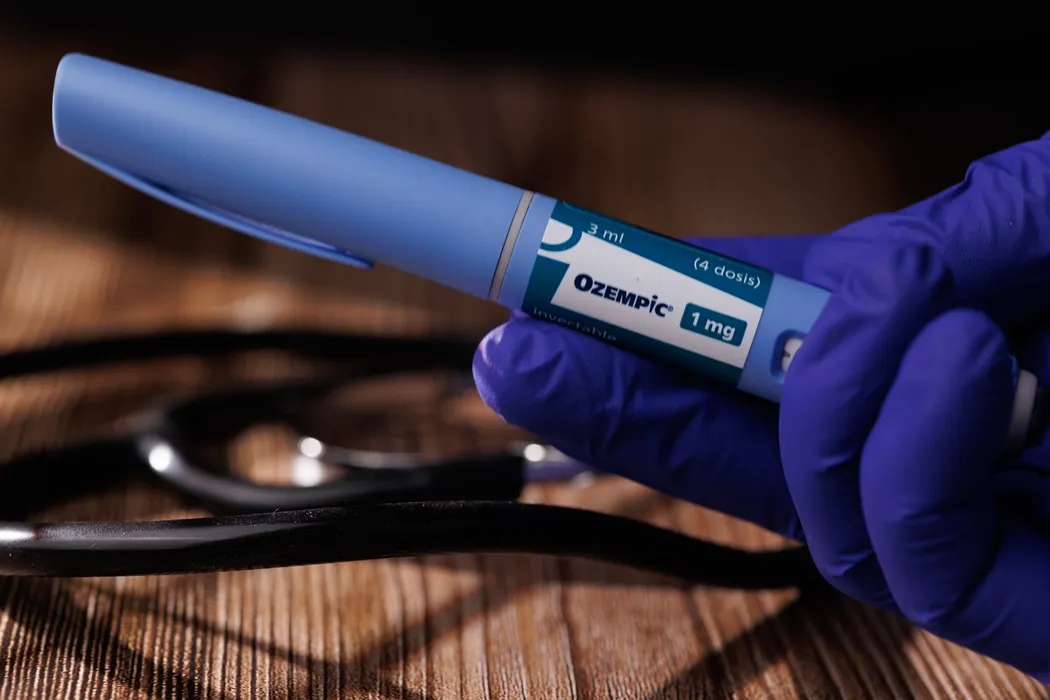
If your doctor prescribes Ozempic, you will receive a pre-filled pen. Here is a simplified overview of what that process looks like:

1. Check the Pen: Ensure the liquid is clear and colourless.
2. Attach a Needle: Use a new needle for every injection to prevent infection and blocked needles.
3. Select Dose: Turn the dial to the prescribed dose.
4. Inject: Insert the needle into the skin of your abdomen, thigh, or upper arm. Press and hold the button until the counter returns to 0. Keep the needle in for about 6 seconds to ensure the full dose is delivered.
5. Disposal: Remove the needle and place it in a sharps container.

Note: Always store unused pens in the refrigerator. Once a pen is in use, it can be kept at room temperature for up to 56 days.
 

Lifestyle Changes to Maximise Results

Ozempic is not a "magic wand." It is a tool. To get the best Ozempic injection benefits and minimise side effects, lifestyle changes are essential.

Dietary Adjustments

Because digestion is slowed, eating large, heavy meals can make nausea worse.

  • Eat smaller portions: Stop eating before you feel completely full.
  • Limit high-fat foods: Greasy or fried foods often trigger stomach upset.
  • Hydrate: Water is crucial, especially if you experience diarrhoea, which can cause dehydration.

Physical Activity

Combining the medication with regular exercise helps maintain muscle mass while you lose fat. It also naturally improves insulin sensitivity, making the medication work better.

The Cost Factor and Shortages

Two significant Ozempic disadvantages currently affecting patients are cost and availability. Many insurance plans cover it for Type 2 Diabetes, but coverage for weight loss alone is often excluded.

Additionally, due to the explosion in popularity regarding what Ozempic is used for in the context of weight loss, global shortages have occurred. This has unfortunately left some diabetic patients struggling to fill their prescriptions.
 

Conclusion

Ozempic represents a significant breakthrough in the treatment of Type 2 diabetes. Its ability to lower A1C, reduce cardiovascular risk, and assist in weight management makes it a powerful option for many patients.

However, it is not without risks. Understanding ozempic pros and cons, including the potential for gastrointestinal side effects and the cost of treatment, is essential. Whether you choose the weekly injection or weigh the Ozempic tablets vs injection options with your doctor, the decision should be based on your specific medical history and health goals.

If you believe Ozempic might help you, schedule an appointment with your healthcare provider. They can help you navigate your insurance coverage and determine if this medication is the right step toward a healthier future.

FAQS

Is Ozempic a form of insulin?

No. Ozempic is not insulin. It is a GLP-1 receptor agonist. While insulin works to force sugar into cells, Ozempic helps your body produce its own insulin more effectively when blood sugar is high and reduces the amount of sugar your liver makes.

How fast does Ozempic work for weight loss?

Most patients start on a low dose to let their body adjust. Weight loss typically begins within the first few weeks, but significant results are usually seen after continuing the medication for several months at a therapeutic dose.

Specific foods to avoid while taking Ozempic?

While no foods are strictly "forbidden," you should avoid fried, greasy, or highly sugary foods. These are more likely to cause nausea and stomach pain while on the medication. Alcohol consumption should also be limited or discussed with your doctor.

Can I take Ozempic if I don't have diabetes?

Ozempic is FDA-approved for Type 2 diabetes. However, doctors may prescribe it "off-label" for weight loss. The same drug, semaglutide, is approved for weight management under the brand name Wegovy. You should only take it under the supervision of a licensed doctor.

What happens if I stop taking Ozempic?

Ozempic is a maintenance medication. If you stop taking it, the appetite-suppressing effects will wear off within a week or two. Many patients find that their appetite returns and they regain lost weight. Blood sugar levels will also likely rise again if lifestyle changes aren't sufficient to manage them.

Apollo 247 Floating Action Button