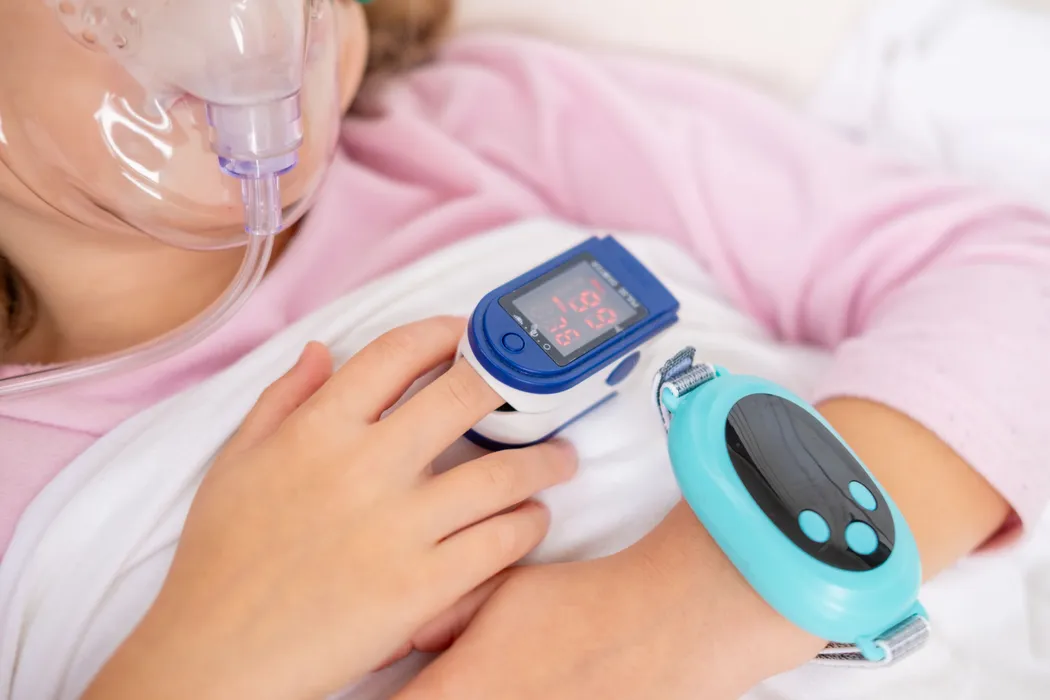
Seeing your child struggle to breathe during an asthma attack is frightening, yet being prepared can significantly ease your anxiety. Asthma is a common chronic condition in India, and effective home management is crucial. One of the most important tools you can keep at home is a pulse oximeter. A pulse oximeter for asthma India gives you a clear, objective measurement of how well your child is breathing. It measures the level of oxygen saturation in the blood, known as SpO2. This simple device translates the invisible struggle inside the lungs into an actionable number. This guide simplifies using this tool for accurate asthma monitoring at home India, giving parents confidence.
Pulse Oximeters for Asthma: What Indian Parents Should Know
Learn how the pulse oximeter for asthma India empowers parents. Master asthma monitoring at home India and know when to seek emergency help.
Apollo Pharmacy
Why Monitoring Asthma is Crucial for Kids (Why Monitor Asthma?)
Asthma involves inflammation and narrowing of the airways, which can suddenly worsen during an attack. Relying only on visible symptoms can sometimes underestimate the severity of the problem.
- Objective Measurement: Symptoms like wheezing can vary, but the oxygen level is a reliable, hard number. This objective data is crucial when communicating with a pediatrician over the phone.
- Early Warning System: Oxygen saturation often starts to drop before severe distress becomes obvious to the naked eye. Early detection allows for the timely administration of rescue medication.
- Tracking Treatment Effectiveness: Using a pulse oximeter for asthma India helps you see if the inhaler or nebulizer treatment is actually improving the child's oxygen levels. Seeing the SpO2 number rise confirms the medication is working properly.
- Distinguishing Severity: A child may look mildly distressed but have dangerously low oxygen, or look very worried but maintain a healthy SpO2. The oximeter cuts through this visual uncertainty.
- Reducing Panic: Having a clear number to focus on helps parents and caregivers feel more in control during a stressful situation. It replaces guesswork with tangible data for better management.
- Long-Term Trend Analysis: Regularly recording SpO2 readings as part of asthma monitoring at home India helps identify baseline changes. Tracking these trends can signal when preventative medication might need adjustment.
Getting the Best Reading (How to Use an Oximeter?)
To ensure the pulse oximeter for asthma India gives you an accurate SpO2 measurement, proper technique is key. Getting a good reading requires patience and the right setup.
- Ensure Proper Fit: For children, always use a pediatric oximeter model designed for smaller fingers, usually the index finger. The sensor must completely cover the fingertip for maximum accuracy.
- Keep the Finger Warm: Cold hands can restrict blood flow, which causes the oximeter to struggle to get a clear pulse signal. If the reading is erratic, gently warm the child’s finger first.
- Remove Fingernail Polish: Dark nail polish, especially black, blue, or green, can block the light used by the sensor. Ensure the entire fingernail is clean and free of polish before testing.
- Minimize Movement: Any shaking or wiggling of the finger will interfere with the sensor’s ability to detect the pulse, showing a false reading or an error. Keep the child’s hand still and relaxed on a flat surface.
- Wait for Stabilization: Turn the device on, clip it onto the finger, and wait about 10–20 seconds for the numbers to settle. Do not record the reading until the numbers stop fluctuating widely.
- Check the Heart Rate: The oximeter also displays the pulse rate (PR); ensure this number is reasonable for your child's age. A very fast or very slow pulse might indicate an issue other than asthma.
Interpreting the Numbers (What Readings Mean?)
Understanding the SpO2 number is the most crucial part of asthma monitoring at home in India. These readings guide your immediate response plan.
- SpO2 above 95%: This reading is generally excellent and suggests that the lungs are doing a great job of supplying oxygen. Continue with routine monitoring and follow the doctor’s plan.
- SpO2 92% to 95% (Caution Zone): This is a noticeable drop that requires attention, often indicating a moderate asthma flare-up. This is the ideal time to administer a prescribed rescue inhaler dose.
- SpO2 below 92% (Danger Zone): This low reading is serious and suggests a severe lack of oxygen is reaching the blood. Immediate medical attention is required, even after giving rescue medication.
- The Pulse Rate (PR): A rapidly increasing pulse rate (tachycardia) often accompanies an asthma attack and can also be a side effect of certain rescue medications. Monitor the trend of the pulse rate closely.
- Not a Standalone Indicator: The oximeter reading should always be considered alongside visible symptoms like skin color, retraction (sucking in of skin around ribs), and level of consciousness. The pulse oximeter for asthma India is a guide, not a final diagnosis.
- Know the Baseline: Many children have a normal baseline SpO2 of 98% or 99%. A reading of 95% may be technically "normal," but could represent a significant drop for your child.
Choosing the Best Home Tool (Product Guide)
When selecting a pulse oximeter for asthma India, look for models that are reliable, durable, and specifically designed for small fingers. A well-chosen product improves the quality of asthma monitoring at home India.
- Pediatric Sizing: Choose a dedicated pediatric finger clip model to ensure the light is correctly focused on the small finger. Adult clips will often give inaccurate or erratic readings on a child.
- Clear Display: The display should be bright, backlit, and easy to read quickly, especially in low-light conditions. A clear screen helps reduce reading errors during stressful moments.
- Alarm Function: Some advanced models feature an audible alarm that sounds if the SpO2 reading drops below a preset level. This feature offers an important layer of safety, especially at night.
- Battery Life and Durability: Look for a device with good battery life and a robust, splash-resistant plastic casing. A reliable pulse oximeter for asthma India must work instantly when you need it.
- Accuracy Certification: Verify that the device has the necessary medical quality certifications recognized in India. High accuracy is non-negotiable for monitoring a respiratory condition.
- Simple Operation: The best pulse oximeter for asthma India for home use should generally be a one-button device. Complicated features can slow you down during an emergency.
Acting Fast
The oximeter reading should be an immediate call to action if the numbers fall outside the safe zone. Know your written Asthma Action Plan thoroughly.
- Administer Rescue Medication: At the first sign of a dropping SpO2 (e.g., below 95%), immediately give the child their prescribed rescue inhaler or nebulized medicine. This is the first critical step in managing the attack.
- Re-Check After 15 Minutes: Wait 10–15 minutes after administering the rescue medication and use the pulse oximeter for asthma India again. If the reading has not improved, administer a second dose if your doctor advised it.
- Call for Help: If the SpO2 remains below 92% after the first rescue dose, or if the child is lethargic, unresponsive, or struggling severely, call emergency services immediately. Do not wait for further deterioration.
- Transport Safety: If you are transporting the child to the clinic or hospital, continue asthma monitoring at home India and document readings. Share the exact SpO2 reading and the time of the last dose with the medical staff upon arrival.
- Stay Calm: While critical, the reading is simply data; your calm demeanor is essential for helping your child remain calm, which aids breathing. Focus on following the established emergency plan.
Conclusion
A pulse oximeter for asthma India is an incredibly empowering device for parents and caregivers. It transforms uncertainty during an attack into clarity, allowing for confident, timely interventions. Mastering asthma monitoring at home India means knowing how to use the oximeter correctly and understanding what its numbers truly mean. Always keep your device charged, cleaned, and readily available, ensuring you have every advantage in managing your child’s asthma effectively.


