Once a diagnosis is made, the treatment focuses on fixing the vitamin E deficiency and treating any other health issues that might be causing it. Here’s a breakdown of the different approaches:
1. Oral Vitamin E Supplementation
The most common and practical approach for correcting mild to moderate deficiency is oral supplementation. Products like Evion 400, which contains 400 mg of alpha-tocopherol, are widely used and available without prescription.
Evion 400 is particularly beneficial in the following situations:
- Individuals with poor dietary intake of vitamin E
- People experiencing oxidative stress due to environmental or metabolic factors
Those recovering from illness or surgery, where tissue repair is crucial - One capsule of Evion 400 daily, preferably taken with a fat-containing meal, can effectively restore levels and alleviate symptoms over time. The fat content in food helps improve the absorption of the vitamin.
2. High-Dose Vitamin E Therapy
In cases of severe deficiency, especially those involving genetic disorders or significant neurological symptoms, higher doses of vitamin E are required. These can range from 800 to 1500 mg per day, administered under medical supervision.
While Evion 400 can still be used, multiple doses per day may be necessary to reach therapeutic levels. Regular monitoring is essential to avoid toxicity.
3. Dietary Adjustments
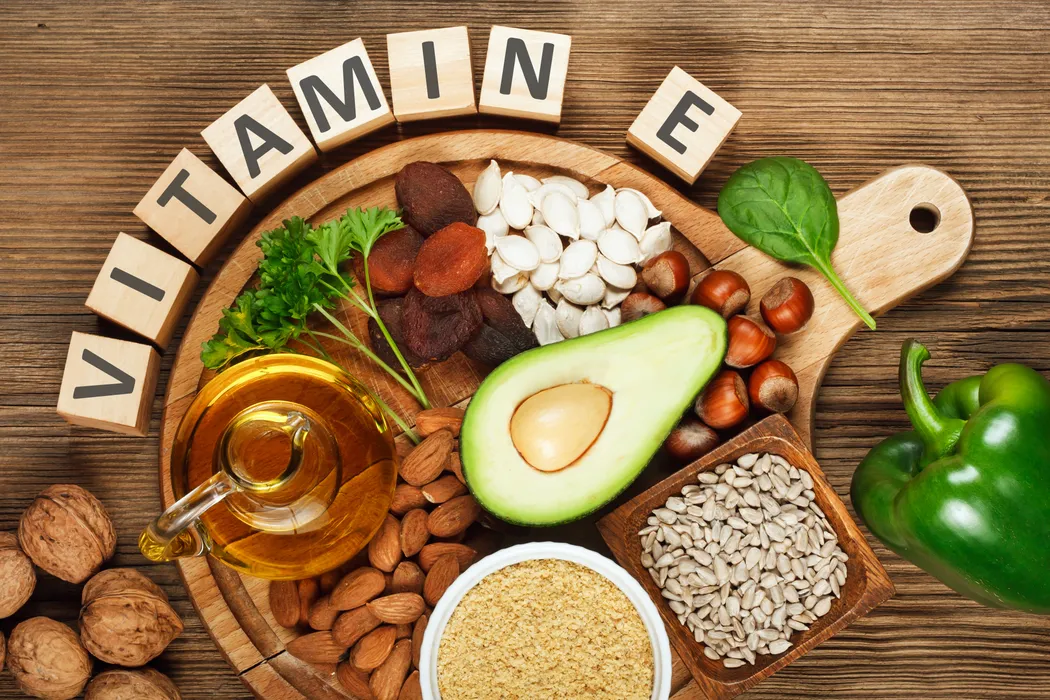
Even if supplements like Evion 400 are used, a vitamin E-rich diet supports long-term health. Foods high in vitamin E include:
- Nuts and seeds: Almonds, hazelnuts, sunflower seeds
- Vegetable oils: Sunflower, safflower, and olive oils
- Green leafy vegetables: Spinach, kale, Swiss chard
- Fortified cereals and spreads
- Avocados and mangoes
A dietitian can help tailor meal plans to ensure adequate intake of all essential nutrients, including other fat-soluble vitamins like A, D, and K.
4. Managing Underlying Medical Conditions
Addressing the root cause of vitamin E malabsorption is key to long-term success. This might involve:
- Pancreatic enzyme replacement therapy for pancreatitis or cystic fibrosis
- A gluten-free diet for coeliac disease
- Anti-inflammatory or immunosuppressive therapy for Crohn’s disease
- Treating the underlying condition often improves fat absorption and reduces the need for high-dose supplements.
5. Parenteral Supplementation (Injectable Vitamin E)
In extremely rare cases where oral supplementation is ineffective or not possible, such as in patients with severe gastrointestinal disease, vitamin E can be administered intravenously or intramuscularly. This is typically done in a hospital setting and reserved for critical care situations.