0

In this article

  • Why is the Dosage Gradual?
  • The Standard Wegovy Dosage Schedule
  • Visualising the Schedule
  • Managing Side Effects During Dosage Increases
  • What If You Miss a Dose?
  • When the Schedule Changes?
  • Conclusion

Wegovy Dosage Guide: Start to Maintenance Schedule

Master your Wegovy dosage schedule with this complete guide. Learn the weekly steps from 0.25 mg to maintenance for safe, effective weight loss.
 

article image

Apollo Pharmacy

Starting a medical weight loss journey is a significant step toward better health. If your doctor has prescribed Wegovy (semaglutide), you probably have feelings of both excitement and curiosity. How does it work? How often do you take it? And most importantly, how do you handle the increasing strength of the medication?

Understanding the wegovy dosage schedule is crucial for your success. Unlike some medications where you start at the full dose immediately, Wegovy requires a specific "ramp-up" period. This gradual approach is designed to help your body adjust to the medication safely, minimising side effects while maximising results.

In this guide, we will walk you through exactly what to expect week by week, how to handle the maintenance phase, and how to work with your healthcare provider to get the best possible outcome.
 

Why is the Dosage Gradual?


Before diving into the numbers, it is helpful to understand why the schedule exists. Wegovy mimics a natural hormone in your body called GLP-1 (glucagon-like peptide-1). This hormone targets areas of the brain that regulate appetite and food intake.

If you were to take a high dose immediately, your body would likely react poorly, leading to severe nausea or digestive upset. By following a titration schedule - a medical term for slowly increasing a dose - you give your digestive system time to adapt. This slow increase helps ensure you can stay on the medication long-term to achieve your weight management goals.

The Standard Wegovy Dosage Schedule


The standard schedule for Wegovy typically takes about five months (roughly 17 weeks) to reach the full maintenance dose. The medication is injected once a week, on the same day each week.

Here is the step-by-step breakdown of the schedule recommended by the manufacturer and health experts:

Phase 1: Initiation (Month 1)

Dosage: 0.25 mg once weekly

For the first four weeks, you will take the lowest available dose. During this month, many patients do not see significant weight loss, and that is completely normal. The primary goal of the 0.25 mg dose is not to shed pounds immediately, but to introduce the medication to your system gently.

  • Weeks 1–4: 0.25 mg weekly.
  • What to expect: You might feel slightly fuller faster, or you might feel nothing at all yet.

Phase 2: Escalation (Month 2)

  • Dosage: 0.5 mg once weekly
  • Once you have completed four weeks at the starting dose, your doctor will likely increase your prescription to 0.5 mg. You will stay at this level for another four weeks.
  • Weeks 5–8: 0.5 mg weekly.
  • What to expect: Appetite suppression usually becomes more noticeable during this phase.

Phase 3: Stepping Up (Month 3)

  • Dosage: 1.0 mg once weekly
  • By month three, your body is becoming more accustomed to the semaglutide. You will move up to the 1 mg dose.
  • Weeks 9–12: 1 mg weekly.
  • What to expect: Weight loss often accelerates during this period as the concentration of the medication in your body increases.

Phase 4: Nearing Maintenance (Month 4)

  • Dosage: 1.7 mg once weekly
  • This is the final step before the maximum dose. For some patients who experience strong side effects at higher doses, doctors may occasionally decide to keep them at 1.7 mg for a longer period, though the standard protocol is to use this as a stepping stone.
  • Weeks 13–16: 1.7 mg weekly.
  • What to expect: Stronger appetite control and reduced food cravings.

Phase 5: The Maintenance Dose (Month 5 and Onward)

  • Dosage: 2.4 mg once weekly
  • From week 17 onward, you reach the full maintenance dose. This is the dose that was primarily studied in clinical trials and showed the most significant weight loss results.
  • Week 17+: 2.4 mg weekly.
  • What to expect: This is the "steady state" meant for long-term weight management.
     

Visualising the Schedule

To make it easier to remember, here is a quick reference list:

  • Month 1: 0.25 mg weekly
  • Month 2: 0.5 mg weekly
  • Month 3: 1 mg weekly
  • Month 4: 1.7 mg weekly
     
  • Month 5+: 2.4 mg weekly

Administering Your Dose Properly


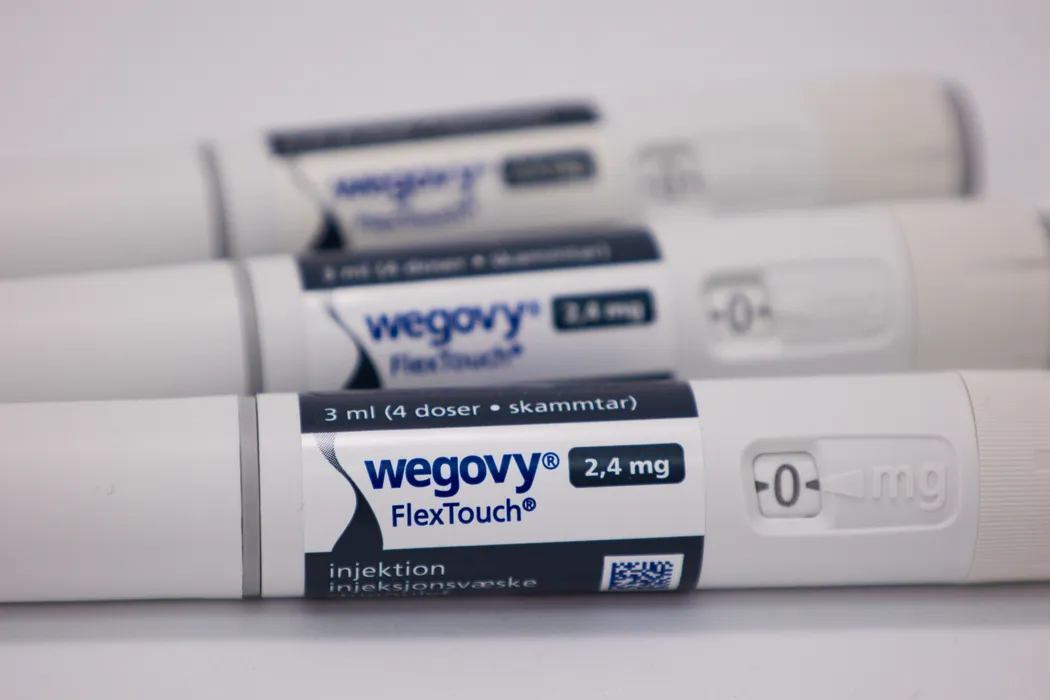
Taking your medication correctly is just as important as the wegovy dosage amount. Wegovy comes in a single-dose pre-filled pen, which makes it very user-friendly.

Choosing Your Injection Site

You should inject the medication into fatty tissue just under the skin (subcutaneous injection). The best sites are:

The front of your thighs.


The abdomen (stomach area), keeping at least two inches away from your belly button.
The upper arm (this is usually easier if someone else is giving you the injection).

Tip: Rotate your injection site each week. For example, use the right thigh one week and the left thigh the next. This prevents skin irritation.

Timing Matters

You can take Wegovy at any time of day, with or without food. However, consistency is key. If you choose Friday mornings so you can handle potential side effects over the weekend, try to stick to Friday mornings.
 

Managing Side Effects During Dosage Increases

The moments when you step up your dose (e.g., moving from 0.5 mg to 1 mg) are when side effects are most likely to occur. The most common issues are gastrointestinal: nausea, diarrhoea, vomiting, constipation, and stomach pain.

Here are a few tips to manage these symptoms as you climb the dosage ladder:
Eat Smaller Meals: Because your stomach empties more slowly, a large meal can make you feel uncomfortably full or nauseous.

  • Stay Hydrated: Drink plenty of water throughout the day.
  • Avoid High-Fat Foods: Greasy, fried, or sugary foods can trigger nausea while on semaglutide.
  • Eat Slowly: Listen to your body's fullness cues. Stop eating the moment you feel satisfied, not stuffed.

If side effects become severe or unmanageable, do not try to "push through" on your own. Contact your healthcare provider. They may recommend delaying the dosage increase for an extra month to let your body adjust.
 

What If You Miss a Dose?

Life happens, and sometimes you might forget your weekly injection. Here is the general rule of thumb for a missed dose:

1. Within 5 Days: If you remember within 5 days of your scheduled date, take the missed dose immediately. Then, take your next dose on your regularly scheduled day.
2. More Than 5 Days: If more than 5 days have passed, skip the missed dose entirely. Take your next dose on your regular scheduled day. Do not take a double dose to make up for the missed one.
3. Missing More Than 2 Weeks: If you miss more than two consecutive doses, your body may have lost its tolerance to the medication. Taking the full dose could cause severe illness. Call your doctor. They may need to restart you at a lower wegovy dosage and titrate you back up.
 

When the Schedule Changes?


While the schedule outlined above is the standard, medical care is personalised. There are instances where your doctor might alter the plan.

If you are losing weight effectively on a lower dose (like 1.7 mg) and struggling with side effects at 2.4 mg, your doctor might decide to keep you on the lower dose for maintenance. Always follow the specific instructions on your prescription label, even if they differ slightly from the standard guide.
 

Conclusion

Successfully navigating the wegovy dosage schedule is a partnership between you and your healthcare provider. The gradual increase from 0.25 mg to 2.4 mg is a safety mechanism designed to protect your body while helping you achieve sustainable weight loss.

Remember, the medication is a tool that works best when combined with a balanced diet and regular physical activity. Be patient with the process, listen to your body during the ramp-up phases, and celebrate the non-scale victories along the way.
 

FAQS

Can I increase my dosage faster if I want to lose weight quicker?

No. You should never increase your dose faster than the recommended schedule. Accelerating the process increases the risk of severe side effects, such as intense nausea, vomiting, and dehydration, which could force you to stop the treatment entirely. Always follow your doctor's timeline.

What if I don't see any weight loss in the first two months?

This is very common. The 0.25 mg and 0.5 mg doses are primarily for getting your body used to the medication. While some people lose weight early, the therapeutic doses for weight loss are generally considered to be 1.7 mg and 2.4 mg. Patience is key during the initiation phase.

Do I have to stay on Wegovy forever?

Obesity is often treated as a chronic condition, similar to high blood pressure. Many healthcare providers view Wegovy as a long-term maintenance medication. Clinical trials show that patients who stop taking the medication often regain the weight. However, you should discuss your long-term goals and exit strategies with your doctor.

How do I store my Wegovy pens?

Unused pens should be stored in the refrigerator between 36°F and 46°F (2°C to 8°C). Do not freeze them. Once you are ready to use a pen, it can be kept at room temperature (up to 86°F/30°C) for up to 28 days. Keep the pen cap on to protect it from light.

Is the dosage different for people with Type 2 Diabetes?

Wegovy contains semaglutide, which is the same active ingredient found in Ozempic (used for Type 2 Diabetes). However, the dosing schedules and maximum doses can differ. Wegovy is specifically approved for weight management and goes up to 2.4 mg, while Ozempic typically caps at lower doses. Always use the brand and dosage prescribed specifically for your condition.

Apollo 247 Floating Action Button