0

In this article

  • What is the Wegovy Injection?
  • Who is Eligible for Wegovy?
  • The Key Benefits of Wegovy
  • How to Use the Wegovy Injection
  • Side Effects and Risks
  • Wegovy vs. Ozempic: What’s the Difference?
  • Lifestyle Changes Are Still Key
  • Cost and Accessibility
  • Conclusion

Wegovy Injection: Uses, Benefits, and Side Effects

Discover everything about the WeGovy injection for weight loss. Learn about its uses, benefits, side effects, and if it is right for you. Read more now.

article image

Apollo Pharmacy

Weight loss is often one of the most challenging journeys a person can undertake. For years, the advice has been simple: "Eat less, move more." While diet and exercise remain the cornerstones of health, medical science has recognised that for many, biological barriers make lasting weight loss incredibly difficult.

Enter the *wegovy injection. You have likely heard about it in the news, on social media, or perhaps from a friend. It has been hailed as a game-changer in the treatment of obesity, offering new hope to those who have struggled to manage their weight through lifestyle changes alone.

But what exactly is it? Is it safe? And most importantly, is it right for you? In this comprehensive guide, we will break down the science, the benefits, and the risks of Wegovy in simple, friendly terms to help you make informed decisions about your health.

What is the Wegovy Injection?


Wegovy is the brand name for a prescription medication called semaglutide. It is an injectable prescription medicine used for adults with obesity or overweight (excess weight) who also have weight-related medical problems, to help them lose weight and keep it off.

How Does It Work?

To understand how the wegovy injection works, we have to look at how our bodies handle appetite. Wegovy belongs to a class of drugs known as glucagon-like peptide-1 (GLP-1) receptor agonists.

Here is the simple explanation:

  • Mimicking Hormones: Your body naturally produces a hormone called GLP-1 in your gut after you eat. This hormone travels to your brain to signal that you are full.
  • Appetite Regulation: Wegovy mimics this natural hormone but at higher levels and for a longer duration.
  • Slowed Digestion: It slows down how fast your stomach empties food into the rest of your digestive system, making you feel full for longer periods.

By targeting the areas of the brain that regulate appetite and food intake, the medication helps lower hunger and reduce cravings, making it easier to stick to a calorie-reduced diet.
 

Who is Eligible for Wegovy?

It is important to understand that Wegovy is not a "vanity" drug for losing a few pounds before a vacation. It is a serious medical treatment designed for chronic weight management.

According to FDA guidelines, doctors typically prescribe this medication for individuals who meet specific Body Mass Index (BMI) criteria:

1. Adults with Obesity: A BMI of 30 kg/m² or greater.
2. Adults with Overweight: A BMI of 27 kg/m² or greater, who also have at least one weight-related medical condition, such as:
* High blood pressure (Hypertension)
* Type 2 diabetes
* High cholesterol (Dyslipidemia)

Recently, the FDA also approved Wegovy for use in pediatric patients aged 12 years and older with an initial BMI at the 95th percentile or greater for age and sex (obesity).
 

The Key Benefits of Wegovy

The rise in popularity of the Wegovy injection isn't just hype; it is backed by clinical data showing significant results. Here are the primary benefits associated with the treatment:

1. Substantial Weight Loss

In clinical trials (specifically the STEP trials), adults taking Wegovy lost an average of nearly 15% of their initial body weight over 68 weeks. This is a significant increase compared to traditional weight loss medications, which historically helped patients lose only 5% to 10%.

2. Cardiovascular Health

In March 2024, the FDA approved a new indication for Wegovy. It is now approved to reduce the risk of major cardiovascular events (such as heart attack, stroke, or cardiovascular death) in adults with known cardiovascular disease and either obesity or overweight. This makes it the first weight loss medication to be approved for heart health specifically.

3. Improved Metabolic Markers

Beyond the scale, losing weight with semaglutide often leads to improvements in other health metrics, including:

  • Reduced waist circumference.
  • Lower blood pressure.
  • Improved blood sugar control (though patients with Type 2 diabetes should monitor this closely).


Better cholesterol levels.
 

How to Use the Wegovy Injection

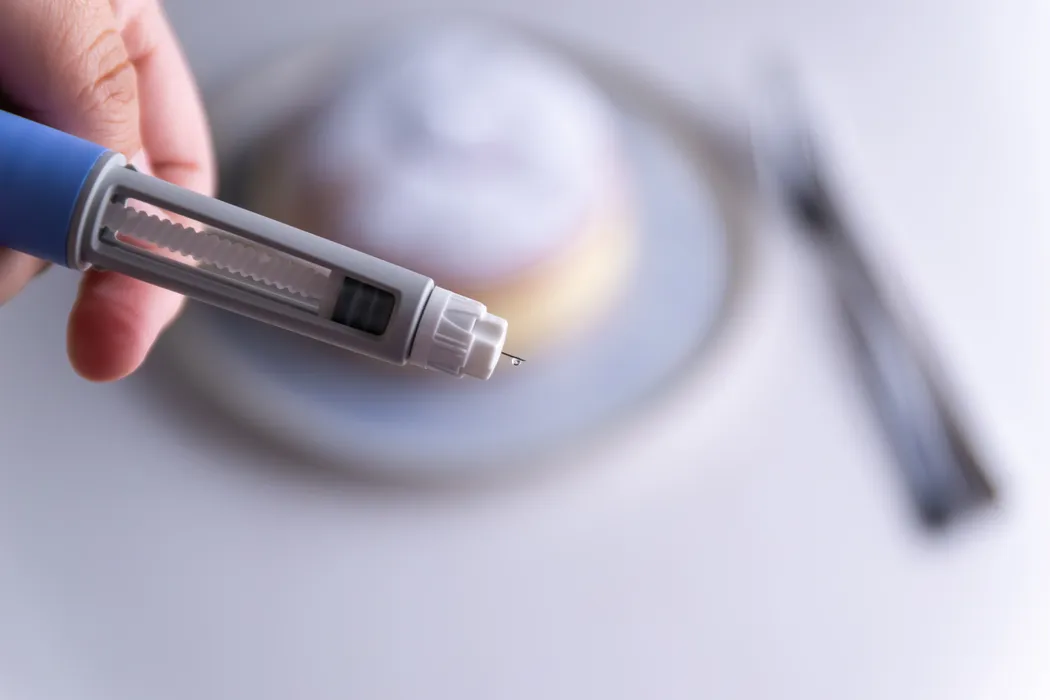
Using an injectable medication might sound intimidating, but Wegovy is designed for home use. It comes in a pre-filled, single-dose pen that is relatively easy to administer.

The Dosage Schedule

One of the most important aspects of taking Wegovy is the titration schedule. You do not start at the full dose immediately. To reduce side effects, the dosage is gradually increased over several months:

  • Month 1: 0.25 mg once weekly.
  • Month 2: 0.5 mg once weekly.
  • Month 3: 1 mg once weekly.
  • Month 4: 1.7 mg once weekly.
  • Month 5 and beyond: 2.4 mg once weekly (the full maintenance dose).

Administration Tips

  • Where to inject: The injection is given under the skin (subcutaneous) in the stomach (abdomen), thigh, or upper arm.
  • Frequency: It is taken once a week, on the same day each week, at any time of day, with or without food.
  • Rotation: It is best to rotate the injection site each week to avoid skin irritation.
     

Side Effects and Risks

Like all medications, the Wegovy injection comes with potential side effects. Most are mild and related to digestion, but some can be serious.

Common Side Effects

The most frequently reported side effects usually occur when you first start the medication or when the dose is increased. They include:

  • Nausea
  • Diarrhea
  • Vomiting
  • Constipation
  • Stomach (abdominal) pain
  • Headache
  • Fatigue
  • Heartburn

Tip for managing nausea: Eat smaller meals, eat slowly, and avoid high-fat or fried foods, as these can worsen symptoms.

Serious Side Effects

While rarer, serious complications can occur. You should stop using the medication and call your healthcare provider immediately if you experience:

  • Pancreatitis: Severe pain in your stomach area that will not go away, with or without vomiting. The pain may radiate to your back.
  • Gallbladder Problems: Including gallstones. Symptoms may include pain in your upper stomach, fever, or yellowing of the skin/eyes (jaundice).
  • Kidney Issues: Dehydration from vomiting or diarrhoea can lead to kidney injury.
    Hypoglycemia (Low Blood Sugar): Primarily a risk for people with type 2 diabetes who also take insulin or sulfonylureas.
  • Allergic Reactions: Swelling of the face, lips, tongue, or throat; problems breathing or swallowing; or severe rash.

Important Warning: Thyroid Tumours

Wegovy has a "Boxed Warning," the FDA's most serious warning. In studies with rodents, semaglutide caused thyroid C-cell tumours, including Medullary Thyroid Carcinoma (MTC).

It is not known if Wegovy causes thyroid tumours in humans.

You should not use Wegovy if you have a personal or family history of MTC or an endocrine system condition called Multiple Endocrine Neoplasia syndrome type 2 (MEN 2).
 

Wegovy vs. Ozempic: What’s the Difference?

This is a common source of confusion. Both Wegovy and Ozempic contain the same active ingredient: semaglutide. However, they are different products marketed for different uses:

  • Ozempic: FDA-approved specifically for the treatment of Type 2 Diabetes. The maximum dose is typically lower (up to 2 mg).
  • Wegovy: FDA-approved specifically for Chronic Weight Management. The maintenance dose is higher (2.4 mg).

While doctors sometimes prescribe Ozempic "off-label" for weight loss, insurance companies often differentiate strictly between the two based on your medical diagnosis.
 

Lifestyle Changes Are Still Key

It is vital to view the wegovy injection as a tool, not a cure. The medication works best when combined with a reduced-calorie meal plan and increased physical activity.

When you stop taking the medication, the appetite-suppressing effects wear off. Studies suggest that people who stop taking semaglutide may regain a significant portion of the lost weight if they have not established sustainable healthy habits.

Nutrition Tips While on Wegovy:


1. Prioritise Protein: Since your appetite will be lower, make sure the food you do eat is nutrient-dense. Protein helps preserve muscle mass while you lose fat.
2. Stay Hydrated: Water is crucial, especially to prevent constipation and support kidney health.
3. Listen to Your Body: You will likely feel full much sooner than before. Stop eating when you feel satisfied to avoid nausea.
 

Cost and Accessibility

Wegovy can be expensive, with list prices often exceeding $1,300 per month without insurance. Coverage varies significantly by provider and plan.

  • Medicare: Currently, Medicare generally does not cover weight loss medications, though this policy is evolving regarding patients with heart conditions.
  • Private Insurance: Check your formulary. Some employers opt into weight management coverage, while others do not.
  • Savings Cards: The manufacturer (Novo Nordisk) offers a savings card for eligible commercially insured patients to help reduce out-of-pocket costs.
     

Conclusion


The Wegovy injection represents a significant advancement in the medical management of obesity. For those who meet the criteria, it offers a way to overcome biological drivers of hunger and achieve meaningful weight loss and cardiovascular protection.

However, it is not without risks and requires a commitment to a weekly injection and managing potential side effects. If you are considering Wegovy, consult your primary care physician or a board-certified obesity medicine specialist. They can review your medical history, discuss the potential benefits and risks, and help you determine if this path is right for your health journey.
 

FAQS

How fast will I see results with the Wegovy injection?

Most people begin to see weight loss within the first few weeks of treatment. However, significant weight loss typically occurs once you reach the higher therapeutic doses (around months 4 and 5). Consistency is key.

Will I have to take Wegovy forever?

Obesity is considered a chronic disease, much like high blood pressure. Many experts view Wegovy as a long-term maintenance medication. Clinical data show that stopping the medication often leads to weight regain. You should discuss long-term plans with your doctor.

Can I drink alcohol while taking Wegovy?

There is no direct chemical interaction between alcohol and semaglutide. However, alcohol adds empty calories and can lower blood sugar. Furthermore, alcohol may worsen nausea, a common side effect of the medication. Moderation is advised.

Is Wegovy safe for pregnancy?

No. You should stop using Wegovy at least two months before you plan to become pregnant. If you become pregnant while taking it, inform your doctor immediately to discontinue use, as it may harm the fetus.

Does the injection hurt?

Most patients report that the injection is relatively painless. The needle is very thin and short. You might feel a small pinch or sting, but it is generally well-tolerated.

Apollo 247 Floating Action Button