0

In this article

  • The Science Behind the Medications: What Are GLP-1 Agonists?
  • Spotlight on Wegovy (Semaglutide)
  • Spotlight on Saxenda (Liraglutide)
  • Spotlight on Rybelsus (Oral Semaglutide)
  • Saxenda vs Wegovy: A Head-to-Head Comparison
  • Side Effects: What to Expect
  • Who Is Eligible for These Medications?
  • Lifestyle Changes Are Still Key
  • Cost and Availability
  • Conclusion: Which One Is Right for You?

Wegovy vs Saxenda vs Rybelsus: Weight Loss Comparison

Confused by weight loss meds? We compare Saxenda, Wegovy, and Rybelsus, covering effectiveness, dosages, and side effects to help you choose the right option.


article image

Apollo Pharmacy

Navigating the world of weight loss medications can feel overwhelming. For years, options were limited, but recently, a new class of medications has revolutionised how we treat obesity and manage weight. You have likely heard the names of the drugs in the news or on social media: Wegovy, Saxenda, and Rybelsus.

While they share similarities, they are not identical. Understanding the differences is crucial for anyone considering medical assistance for weight loss. In this guide, we will break down the science, the schedules, and the results to look at the key differences, specifically focusing on *Saxenda vs Wegovy and where Rybelsus fits into the picture.
 

The Science Behind the Medications: What Are GLP-1 Agonists?


To understand how these drugs work, we have to look at a hormone called GLP-1 (glucagon-like peptide-1). Naturally produced in your gut after you eat, this hormone tells your brain that you are full.

Wegovy, Saxenda, and Rybelsus are all GLP-1 receptor agonists. They mimic this natural hormone but last much longer in the body. By targeting the hunger centres in the brain, they help:
Reduce appetite and cravings.
Slow down stomach emptying (keeping you fuller for longer).
Regulate blood sugar levels.

While they work via the same mechanism, the active ingredients and delivery methods differ.


Spotlight on Wegovy (Semaglutide)

Wegovy is the brand name for a high-dose injectable form of semaglutide. It gained FDA approval specifically for chronic weight management in adults with obesity or overweight with at least one weight-related condition (like high blood pressure).

How It Is Taken

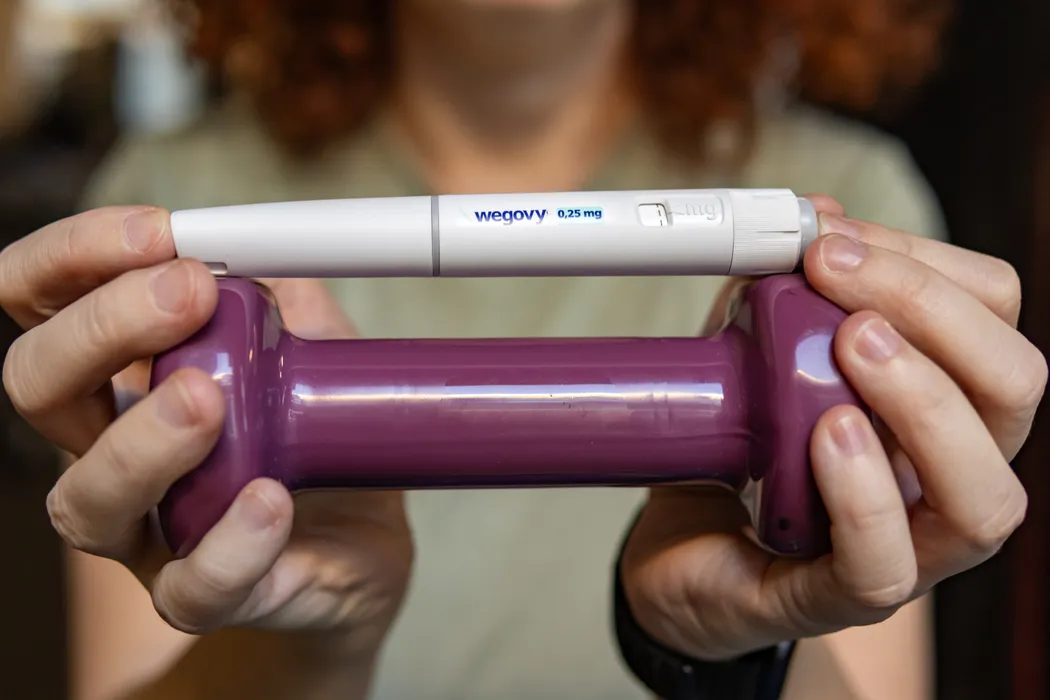
Wegovy is designed for convenience. It is a once-weekly injection. The medication comes in a pre-filled pen that you inject under the skin (subcutaneously) in your stomach, thigh, or upper arm. You typically start at a low dose and gradually increase it over several months to the full 2.4 mg dose to minimise side effects.

The Results

Clinical trials have shown impressive results for Wegovy. In the STEP 1 clinical trial, participants without diabetes lost an average of 14.9% of their body weight over 68 weeks when combined with diet and exercise. This high efficacy has made it a leading choice for patients seeking significant weight reduction.
 

Spotlight on Saxenda (Liraglutide)

Saxenda is the brand name for liraglutide. It has been on the market longer than Wegovy, having been approved by the FDA for weight management in 2014. Like Wegovy, it is an injection, but the schedule is different.

How It Is Taken

Saxenda is a once-daily injection. Because liraglutide remains in the body for a shorter period than semaglutide, it requires daily administration to maintain its effects. Like Wegovy, it uses a pen injector, and patients slowly titrate (increase) the dose over several weeks to reach the standard 3.0 mg daily dose.

The Results

Saxenda is effective, though generally less potent than Wegovy. In clinical trials, participants using Saxenda lost an average of 8% of their body weight over 56 weeks. While the percentage is lower than Wegovy, it is still significantly higher than diet and exercise alone.
 

Spotlight on Rybelsus (Oral Semaglutide)

Rybelsus introduces a twist: it is a pill, not a shot. It contains semaglutide, the same active ingredient as Wegovy, but in a formulation that can be absorbed through the stomach.

Important Note: Currently, Rybelsus is FDA-approved for the treatment of Type 2 Diabetes, not specifically for weight loss alone. However, doctors sometimes prescribe it "off-label" for weight loss because weight reduction is a known benefit of the drug.

How It Is Taken

  • Rybelsus is a daily oral tablet. It comes with strict instructions to ensure absorption:
    It must be taken on an empty stomach immediately after waking up.
  • You must take it with no more than 4 ounces of plain water.
  • You must wait 30 minutes before eating, drinking anything else, or taking other medications.

The Results

Because the oral absorption of semaglutide is difficult to perfect, the levels of the drug in the body are generally lower than the injectable version (Wegovy). Consequently, while patients do lose weight on Rybelsus, the average weight loss is typically lower than that seen with the high-dose injectable Wegovy.
 

Saxenda vs Wegovy: A Head-to-Head Comparison

When patients ask their doctors about injectable options, the conversation usually turns to Saxenda vs Wegovy. Here is how they stack up against each other in key categories.

1. Effectiveness

When looking strictly at the numbers, Wegovy generally outperforms Saxenda. A study published in the Journal of the American Medical Association (JAMA) directly compared the two. The results showed that participants on Wegovy lost significantly more weight than those on Saxenda. If your primary goal is maximising weight loss magnitude, Wegovy is often the preferred choice.

2. Convenience

This is a major factor for adherence.

  • Wegovy: One injection per week (4 times a month).
  • Saxenda: One injection per day (30 times a month).

For many people, the psychological hurdle of injecting themselves daily makes the Saxenda vs Wegovy decision easy, as they prefer the weekly option. However, some patients prefer a daily routine so they don't forget, or they prefer Saxenda because if they have bad side effects, the drug clears their system faster (within a day) compared to Wegovy (which stays in the system for a week).

3. Approval Status

Both are FDA-approved specifically for weight management. This is distinct from Rybelsus or Ozempic (lower-dose semaglutide), which are approved for Type 2 Diabetes. This distinction can be important for insurance coverage, as some insurers only cover drugs for their FDA-approved purpose.
 

Side Effects: What to Expect

Because Wegovy, Saxenda, and Rybelsus all work on the same gut hormones, their side effect profiles are very similar. The most common issues are gastrointestinal.

Common Side Effects Include:

  • Nausea: The most frequently reported symptom.
  • Vomiting and Diarrhea: Usually occur when starting or increasing the dose.
  • Constipation: Slowed digestion can lead to backup.
  • Fatigue: Feeling tired as the body adjusts to lower calorie intake.
  • Stomach Pain: General abdominal discomfort.

Managing Side Effects:

Most of these side effects are mild to moderate and tend to decrease over time. Doctors use a "titration" schedule, slowly increasing the dose over weeks or months, specifically to help the body adjust. Eating smaller meals and avoiding high-fat foods can also significantly reduce nausea.

Serious but Rare Risks:

All three medications carry warnings for more serious, though rare, conditions, including pancreatitis, gallbladder problems, and a potential risk of thyroid C-cell tumours (observed in rodent studies, though not confirmed in humans). These drugs are generally not recommended for people with a personal or family history of Medullary Thyroid Carcinoma (MTC).
 

Who Is Eligible for These Medications?


These medications are not intended for someone looking to lose just a few pounds for a vacation. They are serious medical treatments for chronic weight management.

Generally, to qualify for Wegovy or Saxenda, you must meet one of the following Body Mass Index (BMI) criteria:

1. BMI of 30 or higher (categorised as obesity).
2. BMI of 27 or higher (categorised as overweight) AND you have at least one weight-related health condition, such as:
* Hypertension (high blood pressure).
* Type 2 Diabetes.
* High cholesterol.

Rybelsus is officially indicated for the management of Type 2 Diabetes, so eligibility usually depends on a diabetes diagnosis, though physician discretion allows for off-label prescribing.


Lifestyle Changes Are Still Key

It is vital to remember that none of these medications is a "magic pill." In every clinical trial, whether analysing Saxenda vs Wegovy or Rybelsus, the participants who achieved success did so because the medication was paired with lifestyle intervention.

The medication turns down the "noise" of hunger, making it easier to make healthy choices. However, you must still:

  • Eat a balanced, nutrient-rich diet.
  • Engage in regular physical activity.
  • Prioritise sleep and stress management.

If you stop taking the medication, the appetite-suppressing effects wear off, and hunger returns. Studies show that without sustained lifestyle changes or continued medication use, weight regain is common.
 

Cost and Availability


Cost is often the deciding factor. These medications can be expensive without insurance, often costing over $1,000 per month out-of-pocket.

  • Insurance Coverage: Coverage varies wildly. Some plans cover Saxenda but not Wegovy, or vice versa. Many exclude weight loss drugs entirely.
  • Supply Shortages: Due to the explosion in popularity of GLP-1 agonists, both Wegovy and Saxenda have faced intermittent supply shortages. It is worth checking with local pharmacies about availability before falling in love with one specific option.
     

Conclusion: Which One Is Right for You?


Choosing between Wegovy, Saxenda, and Rybelsus is a personal decision that should be made with a healthcare provider.

  • Choose Wegovy if: You want the highest statistical chance of significant weight loss and prefer a convenient weekly injection schedule.
  • Choose Saxenda if: You prefer a daily routine, or if your insurance covers this option specifically. It is also a good alternative if Wegovy is out of stock.
  • Choose Rybelsus if: You have Type 2 Diabetes or an extreme fear of needles, bearing in mind the strict rules for taking the pill and that weight loss might be lower compared to the injectables.

Ultimately, the debate of Saxenda vs Wegovy comes down to your body, your budget, and your lifestyle. Consult your doctor to review your medical history and start your journey toward better health today.
 

FAQS

Can I switch from Saxenda to Wegovy?

Yes, it is possible to switch, but it must be done under medical supervision. Because the drugs have different half-lives (how long they stay in your body) and potencies, your doctor will guide you on when to stop the daily Saxenda injection and when to start the weekly Wegovy injection to avoid severe side effects.

Which medication results in faster weight loss?

While individual results vary, clinical trials suggest that Wegovy (semaglutide) generally leads to greater and potentially faster weight loss compared to Saxenda (liraglutide). However, "fast" weight loss isn't always better; steady, sustainable loss is the goal.

Do I have to take these medications forever?

Obesity is currently viewed by the medical community as a chronic disease, much like high blood pressure. Many experts suggest that long-term use may be necessary to maintain weight loss. Clinical data show that stopping the medication often leads to weight regain as natural hunger signals return.

Can I take Rybelsus if I don't have diabetes?

Rybelsus is FDA-approved for Type 2 Diabetes. However, doctors can legally prescribe it "off-label" for weight loss if they believe it is medically appropriate for you. You should check with your insurance provider, as they may not cover Rybelsus if you do not have a diabetes diagnosis.

Are these medications safe?

Yes, for most people. Saxenda and Wegovy have been rigorously tested and FDA-approved. However, like all medications, they carry risks. They are not safe for those with a personal or family history of medullary thyroid carcinoma or Multiple Endocrine Neoplasia syndrome type 2 (MEN 2). Always discuss your full medical history with your provider.

Apollo 247 Floating Action Button