0

In this article

  • What is Semaglutide?
  • The Core Difference: FDA Approval and Intended Use
  • Dosage Differences: Strength Matters
  • Comparing Effectiveness: What Do the Studies Say?
  • Side Effects and Safety Profile
  • Cost and Insurance Coverage
  • Wegovy vs Ozempic:
  • Conclusion

Wegovy or Ozempic? Key Differences Explained

Confused about the Wegovy vs Ozempic debate? We break down the differences in dosage, FDA approval, side effects, and cost to help you understand your options.
 

article image

Apollo Pharmacy

If you have scrolled through social media or watched the news lately, you have almost certainly heard about the latest revolution in medical weight management. Two names, in particular, keep popping up: Wegovy and Ozempic.

For many people, these brand names are used interchangeably. However, while they are very similar, they are not exactly the same. Understanding the nuances of the Wegovy vs Ozempic debate is crucial if you are considering medical assistance for weight loss or diabetes management.

Are they the same drug? Why is one prescribed for diabetes and the other for obesity? And most importantly, what are the risks and results associated with each? This guide breaks down the facts using simple, clear language to help you navigate your health journey.
 

What is Semaglutide?

To understand the difference between these two medications, you first have to understand what they have in common. Both Wegovy and Ozempic are brand names for the exact same active ingredient: semaglutide.

Semaglutide belongs to a class of medications known as GLP-1 receptor agonists. GLP-1 (glucagon-like peptide-1) is a hormone naturally produced in your gut. When you eat, this hormone tells your brain that you are full.

Here is how semaglutide works in simple terms:

  • It mimics the "fullness" hormone: It travels to the brain and signals that you have eaten enough, curbing your appetite.
  • It slows down digestion: It slows the rate at which your stomach empties, keeping you fuller for longer.
  • It regulates insulin: It helps the pancreas release the right amount of insulin when blood sugar levels are high.

Because they share this active ingredient, both drugs are manufactured by the same pharmaceutical company, Novo Nordisk. However, they are approved for different uses and administered in different dosages.
 

The Core Difference: FDA Approval and Intended Use

The primary difference when looking at a Wegovy vs Ozempic comparison lies in what the U.S. Food and Drug Administration (FDA) approved them to treat.

Ozempic: For Type 2 Diabetes

Ozempic was approved by the FDA in 2017 specifically for the treatment of Type 2 diabetes in adults. Its main goal is to lower blood sugar levels and reduce the risk of major cardiovascular events (like stroke or heart attack) in adults with Type 2 diabetes and known heart disease.

While weight loss is a very common side effect of Ozempic, it is technically an "off-label" benefit. Doctors sometimes prescribe Ozempic off-label for weight loss, but that is not its official FDA-designated purpose.

Wegovy: For Chronic Weight Management

Wegovy received FDA approval later, in 2021. It is specifically indicated for chronic weight management. It is approved for adults who are either:

  • Obese (with a Body Mass Index, or BMI, of 30 or higher).
  • Overweight (BMI of 27 or higher) with at least one weight-related condition, such as high blood pressure, high cholesterol, or Type 2 diabetes.

Wegovy is also approved for pediatric patients aged 12 and older with an initial BMI at the 95th percentile or greater for age and sex.
 

Dosage Differences: Strength Matters

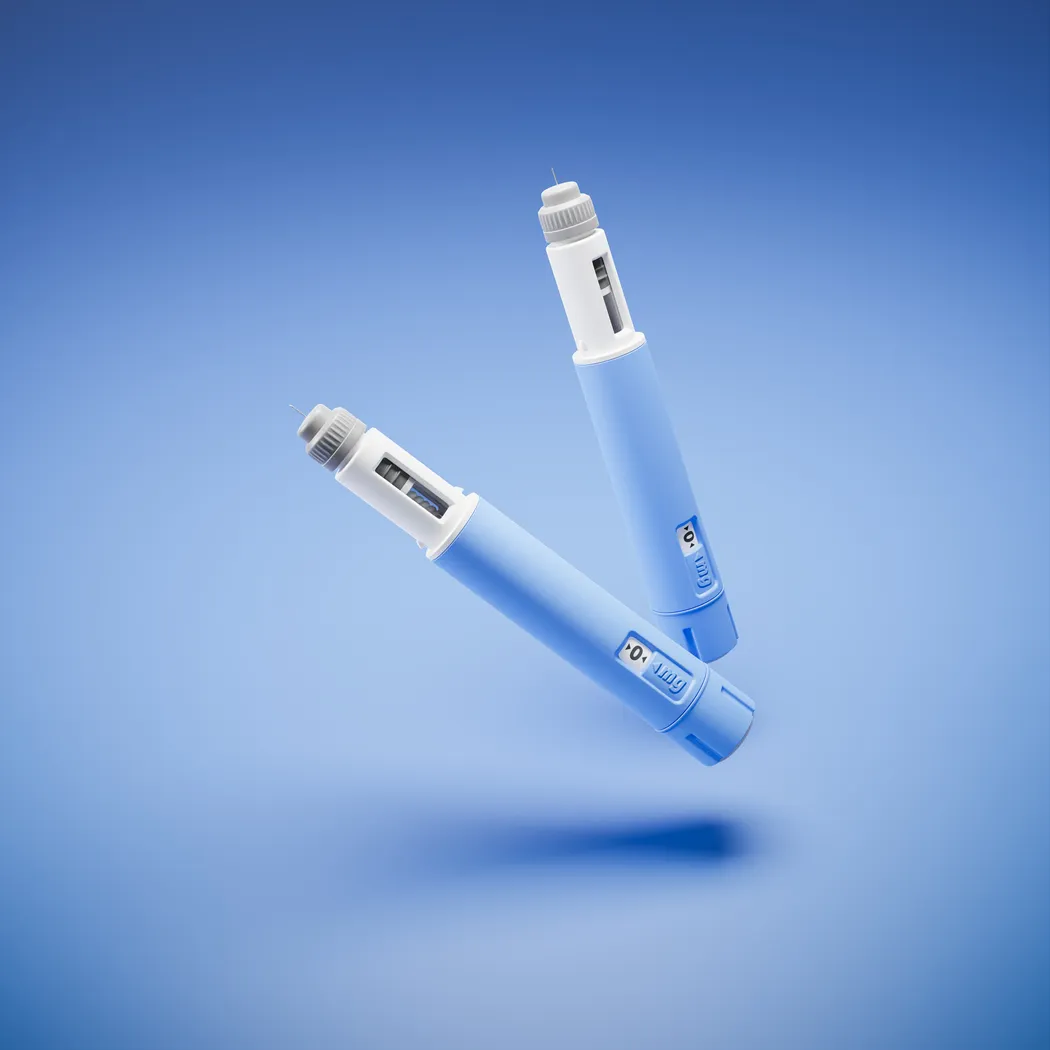
While both medications come in injectable pens that you administer once a week, the dosage strength varies significantly between the two. This is a critical factor in the Wegovy vs Ozempic conversation regarding weight loss results.

Ozempic Dosage

Because Ozempic is focused on blood sugar control, the doses are generally lower.

  • Starting Dose: 0.25 mg (for 4 weeks to let the body adjust).
  • Maintenance Doses: 0.5 mg, 1.0 mg, and a maximum of 2.0 mg.

Wegovy Dosage

Wegovy is designed to maximise weight loss, so it eventually reaches a higher concentration of semaglutide.

  • Starting Dose: 0.25 mg.
  • Titration: The dose is slowly increased every 4 weeks to minimise side effects.
  • Maximum Dose: The target maintenance dose is 2.4 mg.

Because Wegovy allows for a higher maximum dose (2.4 mg vs. Ozempic’s 2.0 mg), clinical trials generally show greater weight loss results with Wegovy specifically because the patient is receiving more of the active medication.
 

Comparing Effectiveness: What Do the Studies Say?

When patients ask about these medications, the first question is usually, "Does it work?" The answer, backed by extensive clinical trials, is generally yes - but lifestyle changes remain essential.

Weight Loss Results

In the SUSTAIN clinical trials for Ozempic, patients lost an average of 8 to 13 pounds depending on the dosage, though the primary goal was glycemic control.

In the STEP clinical trials for Wegovy (using the higher 2.4 mg dose), the results were more dramatic. Adults without diabetes lost an average of 15% of their initial body weight over 68 weeks. To put that in perspective, a person weighing 200 pounds could lose approximately 30 pounds.

Important Note on Lifestyle

Neither drug is a "magic bullet." The FDA approval for both states clearly that these medications are to be used in conjunction with a reduced-calorie diet and increased physical activity. If you stop taking the medication, the appetite-suppressing effects wear off, and studies suggest that many people regain a significant portion of the weight.
 

Side Effects and Safety Profile

Since both medications contain semaglutide, they share a nearly identical side effect profile. The severity of these side effects often depends on the dosage; therefore, users on the higher 2.4 mg dose of Wegovy may experience them more intensely than those on lower doses of Ozempic.

Common Side Effects

Most side effects are gastrointestinal, as the body adjusts to the slower digestion process. These include:

  • Nausea (the most common complaint)
  • Vomiting
  • Diarrhea
  • Constipation
  • Stomach pain
  • Fatigue
  • Heartburn or acid reflux
  • Serious Warnings

While rare, there are serious risks associated with GLP-1 agonists. Both Wegovy and Ozempic carry a "boxed warning" regarding thyroid C-cell tumours. This is based on studies in rodents, and it is not yet known if this causes tumours in humans. However, you should not take these drugs if you have a personal or family history of medullary thyroid carcinoma (MTC) or Multiple Endocrine Neoplasia syndrome type 2 (MEN 2).

Other serious but rare side effects can include pancreatitis (inflammation of the pancreas), gallbladder problems, kidney issues, and vision changes in people with diabetes.
 

Cost and Insurance Coverage

This is often the deciding factor for patients. Because the FDA approvals differ, insurance coverage differs widely.

  • Ozempic: Because it treats Type 2 diabetes - a recognised chronic disease by all
  • insurers - Ozempic is widely covered by commercial health insurance and Medicare Part D, provided you have a diabetes diagnosis.
  • Wegovy: Because it is classified as a weight loss drug, coverage is more complicated. Medicare generally does not cover weight loss medications (though legislation is evolving). Commercial insurance plans vary; some employers opt into weight loss coverage, while others do not.
     

Wegovy vs Ozempic: 
 

FeatureOzempicWegovy
Active IngredientSemaglutideSemaglutide
FDA ApprovalType 2 DiabetesChronic Weight Management
Max Dosage2.0 mg2.4 mg
Dosing ScheduleOnce Weekly InjectionOnce Weekly Injection
Typical Weight LossModerate (Secondary effect)Higher (Primary effect ~15%)
Insurance CoverageHigh (for Diabetes)Variable (Plan dependent)

Conclusion

When looking at the Wegovy vs Ozempic comparison, the choice usually comes down to your medical history and your insurance coverage.

If you have Type 2 diabetes, Ozempic is likely the appropriate choice for managing your blood sugar, with weight loss being a helpful bonus. If you do not have diabetes but are struggling with obesity or weight-related health issues, Wegovy is the FDA-approved option designed specifically for your needs with a dosage optimised for weight loss.

Regardless of which brand name is on the pen, the medication is powerful. It requires medical supervision, a commitment to lifestyle changes, and a clear understanding of the potential side effects. Always consult your healthcare provider to discuss your full medical history before starting any new medication.
 

FAQS

Can I switch from Ozempic to Wegovy?

Yes, it is possible to switch between the two since they are the same medication (semaglutide). However, this must be done under the guidance of a doctor. Because the dosages differ, your doctor will likely need to adjust your prescription to ensure you are on the correct titration schedule to avoid severe side effects.

Is semaglutide the same as insulin?

No. Semaglutide is not insulin. Insulin is a hormone that forces sugar into your cells. Semaglutide helps your body release its own insulin more effectively when blood sugar is high and signals your brain that you are full. Unlike insulin, semaglutide generally does not cause low blood sugar (hypoglycemia) unless combined with other diabetes medications.

How long do I have to stay on Wegovy or Ozempic?

Obesity and Type 2 diabetes are considered chronic conditions. Therefore, these medications are designed for long-term use. Clinical trials show that when patients stop taking semaglutide, they often regain the lost weight. You should view these medications as a long-term maintenance treatment rather than a quick fix.

Can I drink alcohol while taking these medications?

There is no specific interaction between semaglutide and alcohol listed by the FDA. However, alcohol can lower blood sugar, which might be risky for diabetics. Furthermore, alcohol is high in empty calories and can irritate the stomach, potentially worsening the nausea and acid reflux caused by the medication. Moderation is highly recommended.

How quickly will I see weight loss results?

Results vary by individual. Some people begin to lose weight within the first few weeks, while others may not see significant changes until they reach higher therapeutic doses (usually after the third or fourth month of increasing the dose). Consistency and lifestyle changes are key to seeing results.

Apollo 247 Floating Action Button