0

Weight Loss Side Effects

Learn how Saxenda (liraglutide) supports chronic weight management. Our guide covers FDA-approved uses, daily dosage titration, common side effects, and clinical results.

article image

Dr. Nallapu Siri

Deciding to embark on a health journey to shed extra pounds is an exciting and highly beneficial choice. Losing excess fat can lower your risk of heart disease, improve your blood sugar levels, and boost your daily energy. However, while we often focus on the positive outcomes, it is equally important to talk about the side effects of weight loss.

When your body goes through a significant physical transformation, it reacts in various ways. Changing your diet, increasing your physical activity, or using medical interventions can all trigger unexpected bodily responses. Understanding the side effects of weight loss is essential for managing your health, setting realistic expectations, and knowing when to consult a healthcare professional.

In this comprehensive guide, we will explore everything from natural physiological changes to the impacts of specific diets, medications, and surgical procedures.

Common Physical Side Effects of Weight Loss

Even when you lose weight through a healthy diet and steady exercise, your body undergoes major metabolic shifts. Some of the most common physical changes you might experience include:

  • Muscle Loss: When you are in a calorie deficit, your body burns fat for energy, but it can also break down muscle tissue. Eating enough protein and doing strength training can help prevent this.
  • Feeling Cold: Body fat acts as natural insulation. As you lose that padding, and as your metabolism adjusts to a lower calorie intake, you may find yourself reaching for a sweater more often.
  • Changes in Digestion: Drastic changes in your diet, such as increasing your fibre intake or cutting out fats, can lead to temporary digestive issues like bloating, constipation, or diarrhoea.
  • Loose Skin: Significant weight reduction, especially if done quickly or later in life, can leave you with excess, sagging skin.

The Dangers of Losing Too Fast: Rapid Weight Loss Side Effects

Health professionals generally recommend losing 1 to 2 pounds per week. Dropping weight faster than this can be a shock to your system. Experiencing rapid weight loss side effects is incredibly common among people who try extreme crash diets or severe calorie restriction.

If you lose weight too quickly, you may experience:

  • Gallstones: This is one of the most severe rapid weight loss side effects. When you drastically cut calories, your liver releases extra cholesterol into your bile, which can solidify into painful stones in the gallbladder.
  • Hair Thinning and Loss: A sudden drop in nutrients, particularly protein, iron, and zinc, can cause a temporary condition called telogen effluvium, leading to noticeable hair shedding.
  • Extreme Fatigue: Severe calorie deficits leave your body without the fuel it needs to function, resulting in brain fog, lethargy, and exhaustion.
  • Electrolyte Imbalances: A quick weight drop is often just water weight. Losing too much water too fast flushes out vital electrolytes like sodium and potassium, which are essential for heart and muscle function.

    https://www.apollopharmacy.in/search-medicines/Weight%20Loss%20Side%20Effects

Understanding Side Effects of Weight Loss Medicine and Drugs

In recent years, prescription medications have become a popular tool for obesity management. While these treatments are highly effective, the side effects of weight loss medicine are a crucial factor to consider.

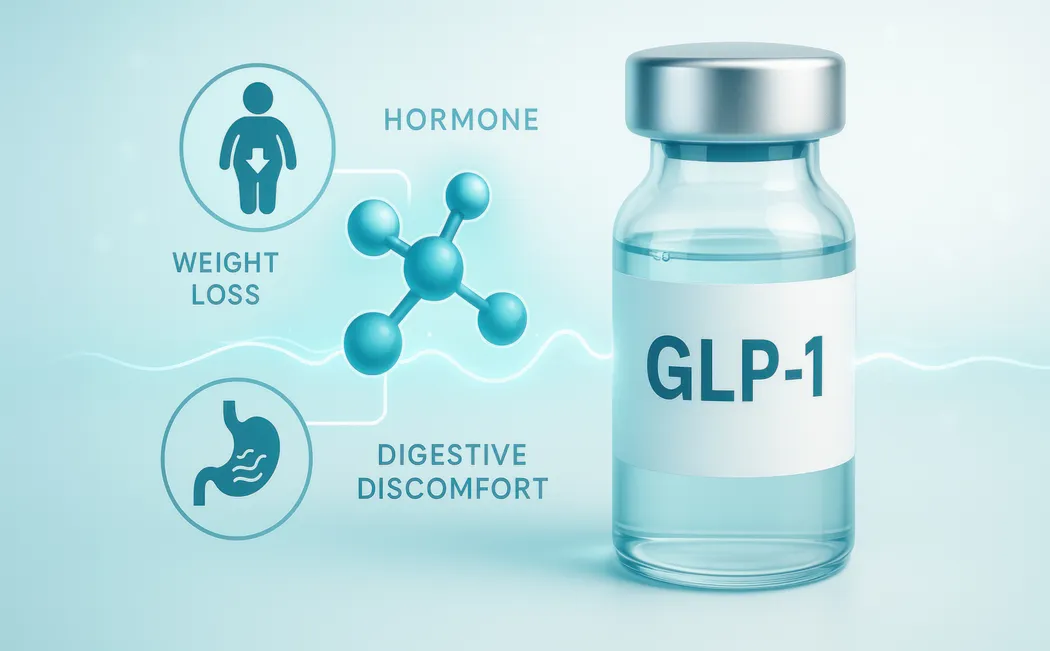
Medicines like GLP-1 receptor agonists (such as Wegovy or Ozempic) work by slowing down digestion and signalling to your brain that you are full. However, these changes to your gastrointestinal system often come with unwanted reactions. The most frequently reported side effects of weight loss drugs include:

  • Nausea and Vomiting: Because food stays in the stomach longer, many patients feel highly nauseous, especially when first starting the medication or increasing the dose.
  • Diarrhoea and Constipation: Disruptions to normal bowel movements are incredibly common as your digestive tract adjusts to the medicine.
  • Dizziness and Headaches: Eating significantly fewer calories can lead to low blood sugar, which causes headaches and dizziness.

If you are considering these prescriptions, always discuss the potential weight loss medicine side effects with your doctor so they can monitor your progress and adjust your dosage safely.
 

Over-the-Counter Supplements and Specific Brand Considerations

Many people turn to over-the-counter dietary supplements, teas, and shakes to accelerate their progress. It is vital to remember that the supplement industry is not regulated as strictly as prescription drugs. Therefore, researching the products you consume is highly recommended.

Consumers frequently search online for information regarding specific brands to ensure their safety. For instance, individuals looking into multi-level marketing health products often search for Vestige weight loss products side effects to see if users experience stomach upset or jitters. Similarly, people interested in active lifestyle supplements might research active weight loss side effects.

Sports nutrition brands that offer effervescent tablets are also popular. Fitness enthusiasts regularly look up fast weight loss side effects or fast weight loss side effects before trying L-carnitine or fat-burning effervescent drinks.

A Word of Caution: No matter the brand, common side effects of over-the-counter weight management supplements often include jitteriness, elevated heart rate, and digestive distress (especially if they contain high amounts of caffeine or green tea extract). Always consult a healthcare provider before adding a new supplement to your routine.

Weight Loss Surgery Side Effects

For individuals with severe obesity, bariatric surgery (such as gastric bypass or a gastric sleeve) can be life-saving. However, because these procedures physically alter the digestive system, weight loss surgery side effects require lifelong management.

Common post-surgical side effects include:

  • Dumping Syndrome: This occurs when food (especially sugar) moves too quickly from the stomach to the small intestine, causing severe cramps, nausea, sweating, and diarrhoea.
  • Nutritional Deficiencies: Because the stomach is smaller and the intestines may be bypassed, the body absorbs fewer vitamins and minerals. Patients must take lifelong bariatric vitamins to prevent anaemia and osteoporosis.
  • Acid Reflux: Some procedures, particularly the gastric sleeve, can increase the occurrence of heartburn and acid reflux.

How to Minimise the Side Effects of Weight Loss?

While some side effects of weight loss are unavoidable, you can minimise your discomfort by approaching your journey responsibly.

1. Aim for Slow and Steady: Target a safe loss of 1 to 2 pounds per week to avoid the dangers of rapid weight reduction.
2. Prioritise Protein: Eating a high-protein diet will help preserve your lean muscle mass while you lose fat.
3. Stay Hydrated: Drinking plenty of water helps combat fatigue, supports healthy digestion, and keeps your skin looking its best.
4. Work with Professionals: Whether you are using a prescription medication, considering surgery, or just starting a new diet, consult with a registered dietitian or doctor to ensure you are getting the proper nutrients.

Conclusion

Ultimately, the journey of weight loss is far more than a simple change in physical dimensions; it is a profound recalibration of your biological, social, and psychological landscape. While the primary focus is often on the benefits, such as increased energy or improved metabolic markers, navigating the "unseen" side effects is essential for long-term success.

True health isn't found just in a lower number on a scale, but in the resilience developed while managing these unexpected changes. By acknowledging these side effects early, you transform a potentially jarring transition into a sustainable, holistic lifestyle evolution

FAQS

What are the most common side effects of weight loss?

The most common side effects of weight loss include feeling cold, temporary hair thinning, digestive changes like constipation, fatigue, and the loss of muscle mass. Losing weight safely at a moderate pace helps minimise these issues.

Is it normal to lose hair when dropping pounds?

Yes, hair loss is a known reaction to shedding pounds quickly. It is usually caused by a sudden reduction in calories or a lack of essential nutrients like protein and iron. This condition is usually temporary, and hair regrows once your weight and diet stabilise.

Are there side effects of weight loss medicine I should worry about?

Yes, the most frequent side effects of weight loss medicine are gastrointestinal. Patients often report nausea, diarrhoea, stomach pain, and constipation. Always take these medications under the strict supervision of a healthcare provider.

Why do I feel so cold after losing weight?

Fat acts as an insulator for your body. When you lose that fat, you lose some of your natural insulation. Additionally, eating fewer calories slows your metabolic rate slightly, which produces less body heat.

How can I prevent loose skin after losing weight?

While genetics and age play a big role, you can help minimise loose skin by losing weight slowly (1-2 pounds a week), staying hydrated, eating a nutrient-rich diet with plenty of Vitamin C (which supports collagen production), and incorporating strength training to build muscle beneath the skin.

Apollo 247 Floating Action Button