Iron is a vital mineral that plays an essential role in maintaining health and vitality. It is critical for producing haemoglobin, a protein in red blood cells that transports oxygen throughout the body. When iron levels drop, the body struggles to make enough healthy red blood cells, leading to iron deficiency anaemia, a condition that can cause fatigue, weakness, dizziness, and a host of other health issues. This article explores the causes, symptoms, and most effective strategies for quickly boosting iron levels. Whether you're managing a deficiency yourself or supporting someone else, you'll find practical, evidence-based advice here, including how iron supplements like orofer XT can help speed up recovery.
What are the Best Ways to Boost Iron Levels Quickly?
Boost low iron levels with Orofer XT, iron-rich foods, and vitamin C. Learn causes, symptoms, and fast ways to treat iron deficiency and restore energy.
Apollo Pharmacy
The Role of Iron in the Body
Iron is fundamental for many biological processes beyond oxygen transport. Its key functions include:
- Supporting energy production through cellular respiration
- Maintaining a strong immune system
- Promoting cognitive development and focus
- Facilitating a healthy pregnancy by supporting foetal growth
- Helping regulate body temperature
Because iron is so crucial, even a mild deficiency can affect daily performance, mood, and long-term health.
What Causes Low Iron Levels?
Iron deficiency can occur for several reasons, and identifying the cause is essential to manage it effectively. The main causes include:
1. Inadequate Dietary Intake
A diet lacking in iron-rich foods is a common reason for low iron levels, particularly in vegetarians and vegans, as plant-based iron is less easily absorbed than animal-based iron.
2. Increased Iron Requirements
Certain life stages or conditions increase iron needs, such as:
- Pregnancy
- Growth spurts during childhood and adolescence
- Heavy exercise or endurance training
3. Blood Loss
Losing blood reduces iron levels because much of the body's iron is stored in haemoglobin. Common causes include:
- Heavy menstrual periods
- Gastrointestinal bleeding (due to ulcers, haemorrhoids, or cancers)
- Blood donation
4. Poor Absorption
Some medical conditions hinder iron absorption, such as:
- Coeliac disease
- Inflammatory bowel disease (e.g., Crohn’s disease, ulcerative colitis)
- Gastric surgeries (e.g., bariatric surgery)
Signs and Symptoms of Low Iron
Iron deficiency can develop slowly and may go unnoticed until it becomes more serious. Common symptoms include:
- Persistent fatigue and weakness
- Pale skin
- Shortness of breath
- Dizziness or light-headedness
- Cold hands and feet
- Headaches
- Brittle nails and hair loss
- Restless legs syndrome
- Poor concentration
If you are experiencing these symptoms, particularly in combination, it's wise to seek medical advice for testing and treatment.
Diagnosing Iron Deficiency
Diagnosing iron deficiency typically involves:
- Blood tests: Checking haemoglobin, haematocrit, serum ferritin, and serum iron levels.
- Medical history and physical examination: Identifying signs of anaemia or underlying conditions.
- Additional tests: If blood loss or absorption issues are suspected.
How to Boost Iron Levels Quickly?
The goal of treatment is to replenish the body's iron stores, alleviate symptoms, and address any underlying causes. Here’s a breakdown of the most effective approaches:
1. Oral Iron Supplementation
Taking iron supplements is one of the fastest and most effective ways to raise iron levels, particularly when diet alone is insufficient. Orofer XT is a popular iron supplement that contains ferrous ascorbate (a form of iron) and folic acid, both of which are crucial for red blood cell production. Its formulation enhances iron absorption and is generally well-tolerated.
Benefits of orofer XT include:
- Rapid improvement in haemoglobin levels
- Reduction in anaemia-related symptoms
- Added folic acid support, which is particularly important during pregnancy
The typical recommendation is one tablet of orofer XT daily, preferably taken on an empty stomach for best absorption. However, if gastrointestinal discomfort occurs, taking it with a small meal may help.
Note: Vitamin C enhances iron absorption, so taking orofer XT with a glass of orange juice can be even more effective.

2. Intravenous (IV) Iron Therapy
In cases of severe deficiency, very low haemoglobin levels, or when oral supplements are poorly tolerated or ineffective, intravenous iron may be necessary. This is usually administered in a hospital setting.
Benefits include:
- Rapid replenishment of iron stores
- Bypassing the gastrointestinal tract for patients with malabsorption issues
- Fewer daily compliance issues
However, IV iron carries risks like allergic reactions and requires medical supervision.
3. Eating an Iron-Rich Diet
Even if you're taking supplements like orofer XT, a diet rich in iron supports recovery and helps maintain healthy levels long-term.
Good dietary sources of iron include:
- Red meat (beef, lamb, pork)
- Poultry (chicken, turkey)
- Fish (salmon, tuna, sardines)
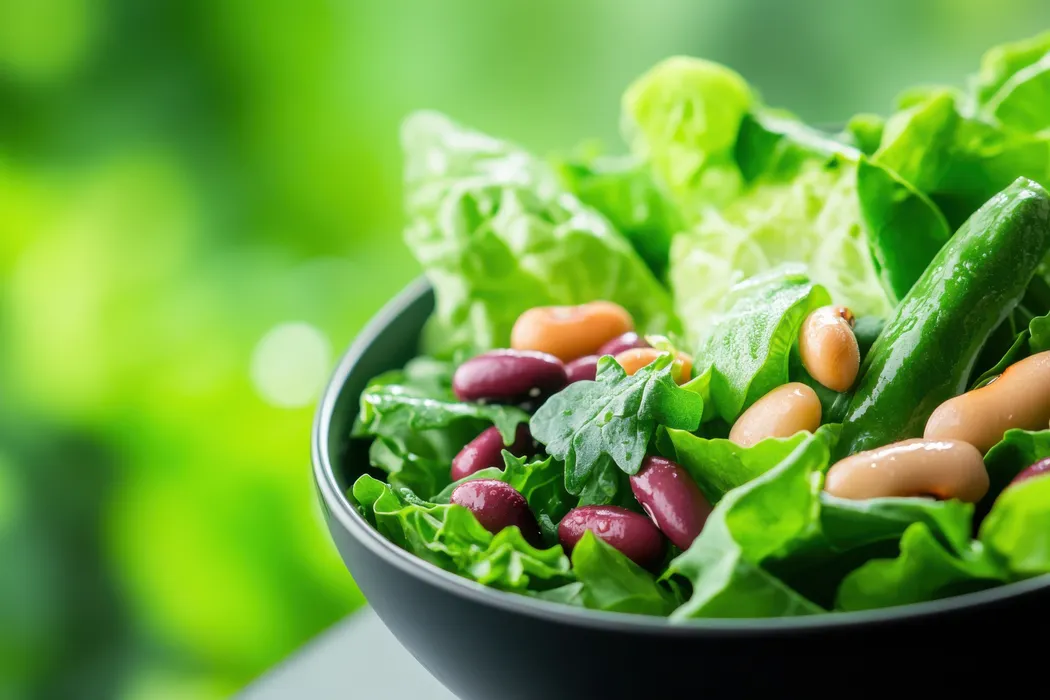
- Leafy greens (spinach, kale, Swiss chard)
- Legumes (lentils, chickpeas, beans)
- Fortified cereals and bread
- Dried fruits (apricots, raisins)
Tip: Iron from animal sources (haem iron) is absorbed more easily than iron from plant sources (non-haem iron).
4. Enhancing Iron Absorption
Maximise your iron intake by following these strategies:
- Include Vitamin C-rich foods: Citrus fruits, strawberries, bell peppers, and tomatoes improve iron absorption.
- Avoid tea, coffee, and calcium supplements at mealtime: These can interfere with iron absorption.
- Cook in cast-iron cookware: This can add small amounts of iron to your food.
5. Addressing Underlying Medical Conditions
If your iron deficiency stems from a health problem, such as heavy menstrual bleeding, ulcers, or a gastrointestinal disorder, treating the underlying issue is critical. This might involve:
- Hormonal therapy for heavy periods
- Treatment of ulcers or gastrointestinal bleeding
- Managing coeliac or inflammatory bowel disease
- A multidisciplinary approach often leads to better and quicker outcomes.
6. Monitoring and Follow-Up
Once a patient is being treated with orofer XT, dietary modifications, or intravenous therapy, frequent monitoring must be done to monitor progress and preclusion of overload of iron. Monitoring typically involves:
- Repeat haemoglobin and ferritin tests after 4 to 8 weeks
- Ongoing assessment of symptoms
- Adjustment of supplement dosage if necessary
It may cause a relapse if iron supplements are stopped too early, so it is worth continuing for a while longer even if the symptoms have resolved.
Safety Considerations for Iron Supplements
While iron supplements like orofer XT are generally safe when used appropriately, they can cause side effects, particularly at higher doses. These may include:
- Constipation
- Nausea
- Diarrhoea
- Dark-coloured stools
- Abdominal cramping
Tips to minimise side effects:
- Start with a lower dose and gradually increase it
- Take supplements with food if necessary
- Stay well hydrated and include fibre-rich foods in your diet
In rare cases, too much iron can cause toxicity, particularly in children, so always store supplements safely and use them under medical supervision.
Potential Interactions
Iron can interact with certain medications, reducing their effectiveness or causing side effects. These include:
- Antibiotics like tetracycline and ciprofloxacin
- Thyroid medications
- Antacids and proton pump inhibitors
It’s best to space iron supplements and other medications by at least two hours. Always inform your doctor about all medications you are taking.
Conclusion
Iron is fundamental for energy, immunity, and overall well-being. Low iron levels can sneak up on you, causing fatigue, poor concentration, and a diminished quality of life. Fortunately, it's a treatable condition. The quickest way to boost iron levels is a comprehensive approach: combining fast-acting oral supplements like orofer XT, dietary improvements, and targeted management of any underlying health issues. If oral supplements are not enough, intravenous iron therapy may be an option. If you’re feeling unusually tired or notice other signs of deficiency, don’t ignore them. Early intervention with the right care and support can restore your iron levels and get you feeling better, stronger, and more vibrant in no time.


