0

In this article

  • When to Start Using Baby Wipes: The Short Answer
  • Why You Should Wait: Understanding Newborn Skin
  • What to Use Before Baby Wipes?
  • How to Choose the Safest Baby Wipes?
  • Transitioning to Wipes: A Step-by-Step Guide
  • Best Practices for Preventing Diaper Rash
  • Conclusion

When to Start Using Baby Wipes: Age & Safety Guide

Learn when to start using baby wipes for newborns, safe alternatives during the first weeks, and tips for choosing gentle, water-based wipes to protect sensitive skin.
 

article image

Dr. Rohini priyanaka

Welcoming a newborn into your life brings immense joy, along with a series of new decisions around daily care. From feeding routines to diaper changes, every small choice can feel important. One common question many parents have early on is: when to start using baby wipes?

While baby wipes are convenient and widely used, a newborn’s skin is especially delicate in the first few weeks. The skin barrier is still developing, which means it may be more prone to irritation, dryness, or sensitivity when exposed to certain ingredients. Because of this, many parents take a more cautious approach during the initial days.

Understanding when and how to introduce baby wipes can help you balance convenience with gentle care. In this guide, we will explore the appropriate age to start using baby wipes, what alternatives you can consider during the newborn phase, and how to choose products that are safe and suitable for your baby’s sensitive skin.
 

When to Start Using Baby Wipes: The Short Answer

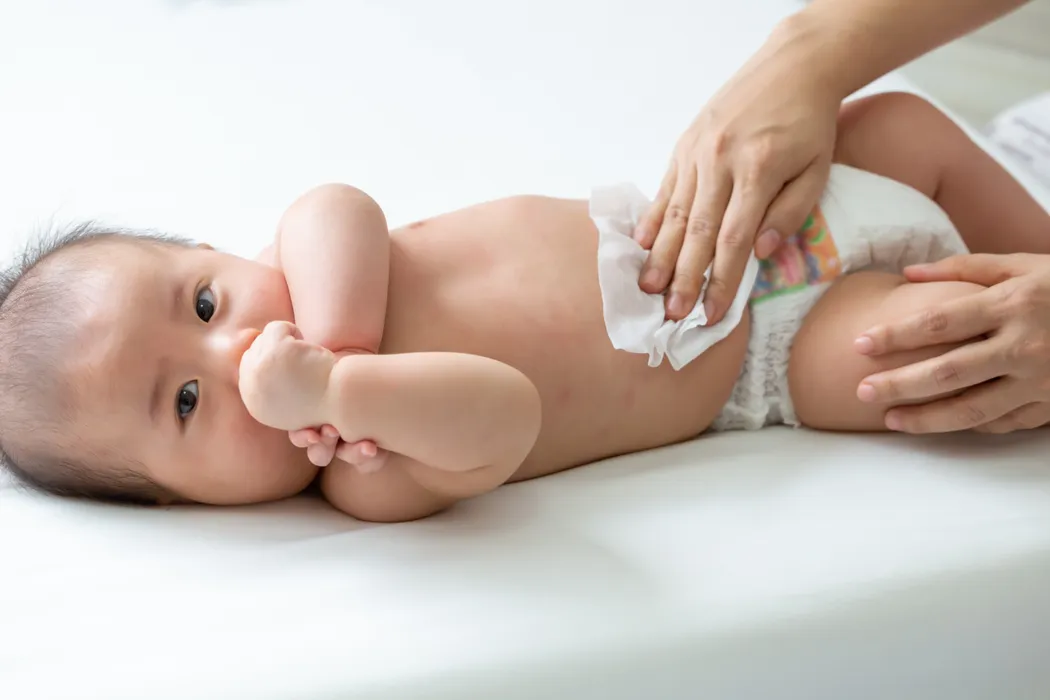
If you are wondering when to start using baby wipes, most paediatric guidance points to a simple timeline. Experts from organisations such as the American Academy of Pediatrics and the Mayo Clinic generally suggest waiting until your baby is around 2 to 4 weeks old before introducing commercial baby wipes.

During the first few weeks of life, your baby’s skin is still adjusting to the external environment. The protective barrier is not yet fully developed, which may make it more sensitive to even mild ingredients found in some wipes.

For this reason, using plain warm water with soft cotton balls or a clean, gentle cloth is often considered the safest approach during the newborn phase. This method helps cleanse effectively while minimising the risk of irritation, allowing your baby’s skin time to strengthen naturally before transitioning to wipes.
 

Why You Should Wait: Understanding Newborn Skin

To better understand when to start using baby wipes, it helps to look at how a newborn’s skin functions. In the early weeks of life, a baby’s skin is still adapting and is quite different from adult skin in several important ways:

  • It is significantly thinner: Newborn skin may be 20% to 30% thinner than adult skin. This makes it more permeable, meaning it can absorb external substances more easily, including ingredients present in skincare products.
  • The protective barrier is still developing: Adults have a fully formed acid mantle, a protective layer that helps retain moisture and defend against irritants. In newborns, this barrier is still maturing, which may make their skin more sensitive to external exposure.
  • It is more prone to irritation: Because the skin barrier is not fully developed, ingredients such as preservatives, fragrances, or cleansing agents in some wipes may trigger redness, dryness, or contact dermatitis.
  • Presence of vernix caseosa: At birth, many babies are covered in a natural, creamy layer called vernix. This substance helps protect and moisturise the skin. Frequent or harsh cleaning may remove these natural protective elements too quickly.

Understanding these differences highlights why a gentler approach is often recommended in the first few weeks, allowing your baby’s skin to gradually build its natural resilience.
 

What to Use Before Baby Wipes?

Now that you know the general timeline for when to start using baby wipes, the next step is understanding how to keep your baby clean during those early weeks. The goal is to keep things simple, gentle, and as close to natural as possible while your baby’s skin continues to develop.

Here are a few safe and effective options you can use during the newborn phase:

  • Warm Water: A small bowl or thermos of lukewarm water is often all you need. Warm water helps clean the area gently and may feel more soothing compared to cold wipes, especially for a newborn.
  • Cotton Balls or Cotton Squares: Soft, medical-grade cotton balls or flat cotton pads can be dipped in water and used to wipe the diaper area. They are gentle on delicate skin and effective for absorbing moisture and cleaning thoroughly.
  • Soft Washcloths: Reusable washcloths made from bamboo or ultra-soft cotton can be a practical and eco-friendly alternative. They can be washed and reused, making them suitable for parents who prefer sustainable options.

Using these simple tools allows you to maintain hygiene while minimising exposure to additional ingredients, giving your baby’s skin time to strengthen naturally before introducing wipes.

Step-by-Step: Cleaning a Newborn's Bottom

Before you begin, it helps to have everything within reach so the process is smooth and gentle for your baby.

  • Prep the area: Keep your warm water, cotton squares or cloth, and a fresh diaper ready beforehand. This helps minimise the time your baby is exposed and keeps them comfortable.
  • Dip and squeeze: Soak the cotton square or cloth in warm water, then gently squeeze out excess liquid. It should be damp, not dripping, to avoid unnecessary moisture on the skin.
  • Wipe front to back: Always clean from front to back, especially for baby girls. This simple step may help reduce the risk of transferring bacteria and causing infections.
  • Pat, don’t rub: Use a gentle patting motion to clean the area. Rubbing can create friction and may irritate delicate newborn skin.
  • Air dry: Allow the skin to air dry for a few moments before putting on a fresh diaper. Keeping the area dry may help prevent moisture buildup, which is a common cause of diaper rash.
     

How to Choose the Safest Baby Wipes?

Once your baby reaches the one-month mark, you can gradually transition to using baby wipes. However, knowing when to start using baby wipes is only part of the process. Choosing the right product is equally important to ensure your baby’s skin remains comfortable and irritation-free.

When selecting wipes, it is always a good idea to read the ingredient label carefully. Simpler formulations are often easier to assess and may be better suited for sensitive skin.

Ingredients to Look For

When reviewing baby wipes, focus on formulations that prioritise gentleness and minimal ingredients.

  • High Water Content: Wipes made with around 99% water are often considered the gentlest option. They closely mimic the effect of using plain water and may help minimise exposure to additional ingredients.
  • Plant-Based Materials: Wipes made from biodegradable fibres like bamboo or organic cotton are typically softer and may reduce friction on delicate skin during cleaning.
  • Soothing Additives: Ingredients such as aloe vera, chamomile, or calendula are commonly included for their calming properties. These may help soothe mild irritation, provided your baby does not have a sensitivity to them.

Explore Baby Wipes Here

Ingredients to Avoid

When choosing baby wipes, it is just as important to know which ingredients to avoid as it is to know what to look for. Being mindful of certain additives may help reduce the risk of irritation or allergic reactions.

  • Fragrances and Perfumes: Artificial fragrances are a common cause of skin sensitivity in infants. Even products labelled “unscented” may contain masking fragrances, so it is best to look specifically for “fragrance-free” options.
  • Alcohol: Alcohol-based ingredients can be very drying and may cause a stinging sensation, especially if your baby’s skin is already irritated or has a mild rash.
  • Parabens and Phthalates: These are synthetic preservatives used to extend shelf life. While widely used, many parents choose to avoid them due to concerns about their potential effects on hormonal balance.
  • Methylisothiazolinone (MI): This preservative has been associated with strong allergic reactions and contact dermatitis in some infants, making it one of the more important ingredients to avoid in baby care products.
     

Transitioning to Wipes: A Step-by-Step Guide

When the time comes to introduce baby wipes, a gradual approach may help your baby’s skin adjust comfortably. Taking a few simple precautions can reduce the chances of irritation during this transition.

  • Do a patch test: Before using a new wipe on the diaper area, gently swipe it on a small area like your baby’s ankle or leg. Wait for 24 hours to check for any signs of redness, irritation, or sensitivity.
  • Start with pee diapers: Begin by using wipes only for wet diapers. For soiled diapers, continue using warm water and cotton for a few more days. This may help reduce friction and allow the skin to adapt slowly.
  • Monitor the skin: Observe your baby’s skin over the next few days. If you notice redness, bumps, or irritation, it may be best to stop using the wipes and return to water-based cleaning temporarily.
  • Keep them warm: Cold wipes can feel uncomfortable for babies. You may choose to warm the wipe slightly in your hands before use, or consider a wipe warmer for added comfort during diaper changes.
     

Best Practices for Preventing Diaper Rash

No matter when you choose to start using baby wipes, preventing diaper rash remains an essential part of daily care. Diaper rash may develop when delicate skin is exposed to prolonged moisture, friction, or irritation from urine and stool. Adopting a few gentle habits can help keep your baby’s skin healthy and comfortable.

  • Change diapers frequently: Avoid leaving your baby in a wet or soiled diaper for long. Newborns may require frequent changes throughout the day, sometimes as often as 10 to 12 times, to keep the skin clean and dry.
  • Don’t over-wipe: If your baby has only urinated, wiping may not always be necessary. Excessive cleaning can create friction and irritate the skin. When needed, use a gentle patting motion rather than rubbing.
  • Prioritise naked time: Allowing your baby to spend a little time without a diaper each day may help the skin breathe and stay dry. Placing them on a clean, absorbent surface can make this both safe and effective.
  • Use a barrier cream: If you notice mild redness, applying a zinc oxide-based diaper cream after cleaning and drying the area may help form a protective layer against moisture and irritants.
  • Avoid tight diapers: Ensure diapers are secure but not overly tight. A slightly looser fit allows for better airflow and may reduce friction against the skin.
     

Conclusion

Parenthood is a journey of constant learning, and asking questions like when to start using baby wipes reflects a careful and informed approach to your baby’s care. Taking a gradual approach, beginning with warm water and cotton and then moving to gentle, fragrance free wipes, may help support your newborn’s delicate skin as it adapts to life outside the womb.

As your baby grows, choosing simple, water based formulations and following gentle hygiene practices can help maintain skin comfort and reduce the risk of irritation. Small, consistent habits often make the biggest difference in keeping your baby’s skin healthy.

Every baby is different. If you notice persistent redness, rashes, or any unusual changes in your baby’s skin, it is always best to consult your paediatrician for guidance tailored to your baby’s needs.
 

FAQS

Can I use water-based wipes on a newborn?

Yes, but with caution. While general guidance suggests waiting 2 to 4 weeks, some paediatricians consider high-quality wipes with around 99% water and minimal ingredients suitable from birth. If your baby is premature or has very sensitive skin, it may be safer to continue using warm water and cotton for the first few weeks.

What happens if I use baby wipes too early?

Using wipes with stronger ingredients too early may affect your baby’s developing skin barrier. This can sometimes lead to redness, dryness, or irritation, including contact dermatitis. Choosing gentle formulations and introducing them gradually may help reduce this risk.

Should I wipe my baby after every pee?

It is not always necessary. For baby girls, a gentle pat to remove excess moisture may help maintain hygiene. For baby boys, wiping after every wet diaper may not be required. Limiting unnecessary wiping can help reduce friction on delicate skin.

Are reusable cloth wipes a better option?

Reusable cloth wipes made from soft cotton or bamboo can be a suitable and eco-friendly alternative. When used with warm water, they are gentle enough for newborn skin. It is important to wash them thoroughly using a mild, fragrance free, baby-safe detergent.

Do baby wipes expire?

Yes, baby wipes do have a shelf life. Most remain usable for around 1 to 2 years when unopened, and a few weeks after opening, depending on storage conditions. Over time, the moisture level and preservative effectiveness may decline, so it is best to avoid using wipes that appear dry, discoloured, or have an unusual smell.

Apollo 247 Floating Action Button