0

In this article

  • Why Do We Swaddle Babies in the First Place?
  • Exactly When to Stop Swaddling Baby
  • Key Signs Baby is Ready to Stop Swaddling
  • The Dangers of Swaddling Too Long
  • Swaddle Transition Tips: How to Do It Smoothly
  • Safe Sleep Checklist for Your Baby
  • Conclusion

When to Stop Swaddling Baby: Signs & Transition Tips

Learn when to stop swaddling your baby, key signs to watch for, and safe transition tips to help your baby sleep comfortably without a swaddle.

article image

Dr. Ezhilrasan

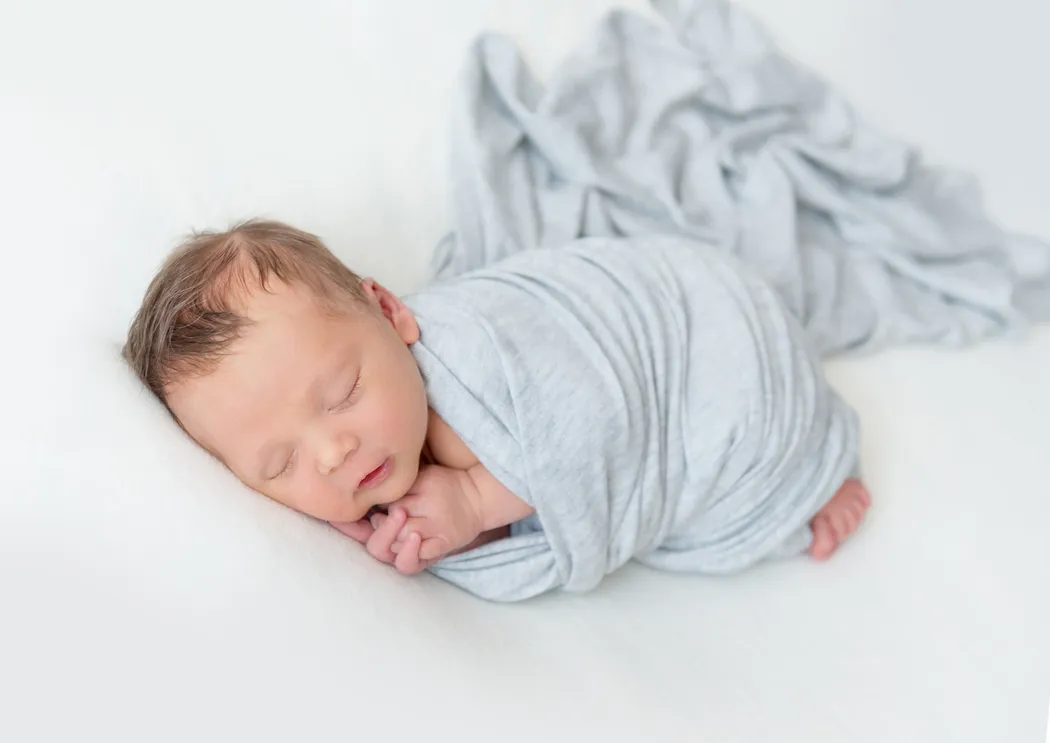
For many new parents, a swaddle is nothing short of a magic trick. Wrapping your newborn snugly in a soft blanket can instantly soothe their crying, calm their startle reflex, and help everyone in the house get a few precious hours of sleep. But as your little one grows, you will eventually have to phase out the "baby burrito" stage.

If you are a parent asking when to stop swaddling baby, you are not alone. Knowing the right timeline is crucial for your infant's safety and physical development. Leaving a baby in a swaddle for too long can introduce serious sleep hazards, especially once they become more mobile.

In this comprehensive guide, we will walk you through exactly when to stop swaddling baby, the developmental signs to watch out for, the risks of swaddling for too long, and proven transition tips to help your little one safely adjust to their new sleep routine.

Why Do We Swaddle Babies in the First Place?

Before discussing when to stop, it helps to understand why we swaddle. For the first few months of life, babies experience something called the Moro reflex, commonly known as the startle reflex. This involuntary reflex causes newborns to suddenly throw their arms wide and pull them back in, often waking them up from a deep sleep.

Swaddling limits the movement of the baby’s arms, preventing this startle reflex from waking them. Furthermore, a snug swaddle mimics the tight, cozy environment of the mother’s womb. This provides a sense of security and warmth, which is why hospitals and pediatricians often recommend swaddling for fussy newborns. However, as your baby's brain and body develop, they outgrow the need for this restriction.

Exactly When to Stop Swaddling Baby

The most important rule of thumb regarding when to stop swaddling baby is based on mobility, not just age.

According to major health organizations, including the American Academy of Pediatrics (AAP) and the Centers for Disease Control and Prevention (CDC), parents should stop swaddling their baby as soon as the baby shows any signs of trying to roll over.

For most infants, this developmental milestone occurs around 2 months of age (or 8 weeks). While some babies might not fully roll over until they are 3 or 4 months old, the attempt to roll is your cue to ditch the swaddle immediately.

Why so early? If a swaddled baby manages to roll onto their stomach, their arms are trapped inside the blanket. This makes it impossible for them to push their face up away from the mattress, drastically increasing the risk of suffocation and Sudden Infant Death Syndrome (SIDS).

Key Signs Baby is Ready to Stop Swaddling

Every infant develops at their own unique pace. Rather than looking strictly at a calendar, keep a close eye on your baby's physical behaviors. Here are the top signs baby is ready to stop swaddling:

  • Attempting to Roll Over: If your baby is kicking their legs over their body, twisting their torso, or shifting onto their side during playtime or sleep, the swaddle must go.
  • Breaking Free Routinely: If you are constantly waking up to find your baby's arms have escaped the swaddle like a tiny escape artist, the swaddle is no longer secure. Loose blankets in a crib are a severe suffocation hazard.
  • Increased Fussiness When Wrapped: As babies grow, they naturally want to stretch, touch their faces, and self-soothe by sucking on their fingers. If your baby resists being wrapped and cries specifically when the swaddle goes on, they are telling you they want more freedom.
  • Decreased Startle Reflex: Try letting your baby nap without a swaddle while you supervise them. If their Moro reflex seems to have faded and they aren't startling themselves awake, they may no longer need the swaddle.

The Dangers of Swaddling Too Long

Safety is the primary reason why knowing when to stop swaddling baby is so critical. Transitioning your baby to arms-free sleep protects them from several notable health risks:

1. Suffocation and SIDS

As mentioned, a baby who rolls onto their stomach while swaddled cannot use their arms to lift their head or shift their position. This creates a highly dangerous suffocation risk.

2. Overheating

Older, more active babies generate more body heat. Being tightly wrapped in blankets can lead to overheating, which is another known risk factor for SIDS.

3. Hip Dysplasia

If a baby's legs are tightly wrapped straight down, it can interfere with healthy joint development, leading to developmental dysplasia of the hip. Babies need room for their hips and knees to bend upward and outward naturally.

Swaddle Transition Tips: How to Do It Smoothly

Saying goodbye to the swaddle can be intimidating. Parents often fear that removing the swaddle will instantly ruin their baby's sleep schedule. While there may be a few days of adjustment, the right transition strategy can make the process much easier.

Here are the best swaddle transition tips to help your baby sleep safely and soundly:

Method 1: The "One Arm Out" Approach

This is a gentle, step-by-step method perfect for babies who are highly attached to their swaddle.

  • Step 1: For the first few nights, swaddle your baby as usual, but leave one arm completely out of the wrap. This allows them to get used to having a free hand to self-soothe while keeping the familiar tightness around their chest and other arm.
  • Step 2: After 3 to 4 days (or when your baby seems to be sleeping well again), take the second arm out. Wrap the swaddle snugly around their chest, leaving both arms completely free.
  • Step 3: Finally, remove the swaddle entirely and switch to a wearable blanket.

Method 2: The Sleep Sack Transition

If you want to know how to stop swaddling without leaving your baby cold in their crib, a sleep sack (or wearable blanket) is the perfect solution. A sleep sack transition provides the warmth and subtle weight of a blanket without the danger of loose fabrics covering the baby's face. Many transition-specific sleep sacks are designed to fit snugly around the torso while allowing the baby's arms to move freely.

Method 3: Cold Turkey

Sometimes, parents don't have time for a slow transition. If you suddenly catch your swaddled baby rolling over on the baby monitor, you must stop swaddling cold turkey for their safety. Put them in long-sleeved pajamas or a safe, arms-free sleep sack. The first night or two might involve more wake-ups, but babies are incredibly adaptable and will learn to sleep without the restriction surprisingly fast.
Safe Sleep Checklist for Your Baby

Regardless of when to stop swaddling baby, maintaining a safe sleep environment is your top priority. Always follow these essential safe sleep guidelines backed by pediatric health experts:

  • Alone: Babies should sleep alone in their sleep space. Share a room, but not a bed.
  • Back: Always place your baby on their back to sleep, for every nap and every night.
  • Crib: Use a firm, flat sleep surface - such as a crib, bassinet, or play yard - covered only by a fitted sheet.
  • Clear Environment: Keep all loose blankets, pillows, stuffed animals, and bumper pads completely out of the sleep area to prevent suffocation.

Conclusion

Knowing when to stop swaddling your baby is an important step in ensuring both their safety and healthy development. While swaddling can be incredibly helpful in the early weeks, it is only a temporary sleep aid. As soon as your baby shows signs of rolling or increased mobility, it is essential to transition away from it to reduce the risk of suffocation and other sleep-related dangers.
By paying close attention to your baby’s cues and choosing a gentle transition method that suits their temperament, you can make this change smoother for both of you. Whether you opt for the one-arm-out approach, a sleep sack, or a quicker transition, consistency and patience are key.
Remember, a few disrupted nights during the transition are completely normal and temporary. With time, your baby will adjust to sleeping with more freedom, developing safer and more independent sleep habits.

Disclaimer: This article is for informational purposes only and does not substitute for professional medical advice. Always consult your paediatrician with specific questions regarding your baby's sleep habits, development, and safety.

FAQS

What age should a baby stop being swaddled?

Most health experts recommend stopping the swaddle around 2 months of age (8 weeks), or at the very first sign that your baby is attempting to roll over—whichever comes first.

Can I still swaddle my baby with their arms out?

Yes, as long as both arms are completely free to move. Swaddling only the torso can provide a comforting sense of pressure around their chest. However, it is usually safer and easier to transition to a properly fitted sleep sack once your baby begins rolling.

Do babies sleep worse when you stop swaddling?

It is very common for babies to experience a temporary sleep regression when you stop swaddling. Their newly freed arms may distract them or trigger a lingering startle reflex. Fortunately, this adjustment period usually only lasts for a few nights to a week.

Are weighted sleep sacks safe to use after swaddling?

No. The AAP and the CDC strongly advise against the use of weighted sleep sacks, weighted blankets, or weighted swaddles. The extra weight on a baby’s chest can restrict their breathing and increase the risk of SIDS. Always use lightweight, well-fitting wearable blankets.

How do I keep my baby warm after stopping the swaddle?

To keep your baby warm without using loose blankets, dress them in layers. A good rule of thumb is to dress your baby in one more layer than you are comfortable wearing in the room. You can pair footed pajamas with a safe, arms-free wearable blanket (sleep sack) to keep them cozy all night long.

Apollo 247 Floating Action Button