If you are trying to lose a few extra kilos, chances are you have already started paying closer attention to what goes on your plate. For many Indian households, bread is central to the meal. It might be the everyday wheat roti or a traditional bhakri made from millets or other grains. Naturally, this raises an important question for anyone trying to manage their weight: which bhakri is good for weight loss?
Switching from refined flours or relying only on regular wheat to including traditional millets can be a smart step. Millets are generally richer in fibre and nutrients, which may support better digestion, keep you feeling fuller for longer, and make it easier to maintain a calorie deficit. All of this can be helpful when you are trying to lose weight in a steady and sustainable way.
In this guide, we will look at the nutritional aspects of traditional Indian flatbreads, discuss which bhakri is good for weight loss, and explore how you can include the right options in a balanced diet while working towards your fitness goals.
Which Bhakri Is Good for Weight Loss
Discover which bhakri is best for weight loss. Compare jowar, bajra, and ragi bhakri benefits, nutrition, and how to include millet flatbreads in a balanced weight-loss diet.
Dr. Vasantha Sree
Is Bhakri Good for Weight Loss?
Before looking at the different grains used to make bhakri, it helps to answer a basic question first: is bhakri good for weight loss in general?
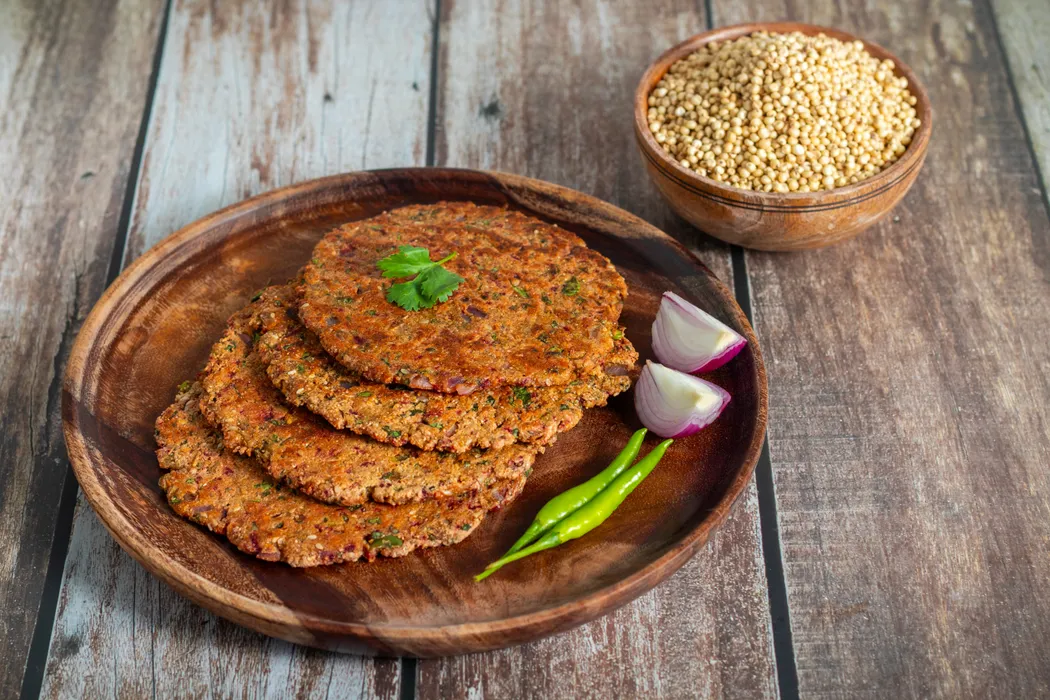
The short answer is yes, it can be. Bhakri is a traditional round flatbread that is commonly prepared from millets or other whole grains rather than refined flour. Many of these grains are naturally gluten-free and contain complex carbohydrates along with a good amount of dietary fibre.
Including bhakri for weight loss in your meals may offer certain benefits. Because millet-based bhakris are usually higher in fibre, they tend to digest more slowly. This slower digestion may help prevent sudden spikes in blood sugar levels and can keep you feeling satisfied for a longer period after a meal.
Choosing a weight loss bhakri made from nutrient-dense grains such as millets may also help manage frequent hunger or cravings during the day. When you feel fuller for longer, it becomes easier to avoid unnecessary snacking, which may support better control over your overall daily calorie intake.
https://www.apollopharmacy.in/shop-by-category/nutritional-drinks-supplements
Evaluating the Options: Which Bhakri Is Good for Weight Loss?
Millets come in many varieties, and each grain offers its own nutritional advantages. To understand which bhakri is good for weight loss, it helps to look at some of the most common options used in Indian kitchens and how they may support weight management.
Jowar (Sorghum) Bhakri: The Everyday Champion
If you are wondering whether jowar bhakri is good for weight loss, the answer is generally yes. Many nutritionists consider jowar one of the better grains for people trying to manage their weight.
- High in fibre: Jowar contains a good amount of dietary fibre, which may help you feel fuller for longer after a meal and reduce the urge to snack frequently.
- Low glycaemic index: Jowar releases sugar into the bloodstream more slowly compared to refined grains. This steadier release may help with better blood sugar control, which can play a role in weight management.
- Nutrient dense: Jowar also provides nutrients such as iron, protein, and calcium, making it a wholesome grain choice for regular meals.
Because of this balanced nutritional profile, many dietitians suggest including jowar bhakri for weight loss as part of a balanced diet. It is also considered suitable for regular consumption throughout the year, as it is relatively light on the digestive system.
Bajra (Pearl Millet) Bhakri: The Winter Specialist
Bajra is another traditional grain often used to prepare bhakri. It contains important nutrients such as magnesium, protein, and fibre.
- Magnesium content: Bajra provides magnesium, which may support better insulin sensitivity and metabolic health.
- Protein support: The protein present in bajra may help support muscle maintenance while you are losing fat, which is important during weight loss.
- Seasonal suitability: In traditional dietary practices, bajra is often consumed more during the winter months because it is believed to generate warmth in the body.
For these reasons, bajra bhakri can also be included in a weight loss diet, particularly during colder seasons.
Ragi (Finger Millet) Bhakri: The Calcium Powerhouse
Ragi is widely recognised for its impressive nutritional value and is often recommended as part of a healthy diet.
- High calcium content: Ragi contains significantly more calcium than many other grains, which supports bone health.
- Rich in iron and fibre: These nutrients may help support energy levels and digestion.
- Natural satiety support: Ragi contains an amino acid called tryptophan, which may help promote a feeling of fullness and potentially reduce appetite.
Because it can be quite filling, replacing regular wheat roti with ragi bhakri may help with portion control while still keeping you satisfied after meals.
The Verdict: Which Bhakri Is Best for Weight Loss?
Ragi and bajra both offer strong nutritional benefits and can be valuable additions to a healthy diet. However, if one had to choose a single option for consistent, year-round weight management, jowar is often considered the most practical choice.
Jowar provides a balanced combination of fibre, complex carbohydrates, and essential nutrients. It is generally easy to digest, widely available, and suitable for regular consumption across seasons. Because of this balance, many nutrition professionals suggest jowar as a reliable option when people ask which bhakri is good for weight loss.
That said, variety still matters. Rotating between jowar, ragi, and bajra bhakri can help ensure a wider range of nutrients while keeping meals interesting and satisfying.
Creating a Balanced Diet: Vegetables and Sides
Choosing the right bhakri is only one part of a weight-loss friendly meal. What you eat along with it can make a significant difference as well. Pairing bhakri with fibre-rich vegetables and lighter preparations can help create a balanced, satisfying plate.
- Bhindi (okra): Bhindi is often considered a good option in a weight management diet. It is low in calories and contains soluble fibre, which may support digestion and help maintain a feeling of fullness. A lightly sautéed bhindi sabzi pairs well with jowar bhakri.
- Baingan (eggplant): Baingan bharta can also fit well into a weight-conscious diet. Roasted eggplant has a high water content and relatively low calories. When prepared with minimal oil and without heavy cream or excess butter, it becomes a wholesome side dish.
- Mixed vegetable bhaji: A simple mixed vegetable bhaji made with seasonal vegetables can provide a variety of vitamins, minerals, and fibre. Cooking it with a small amount of oil keeps the dish lighter while still flavourful. It is best to avoid heavier preparations such as butter-rich pav bhaji when aiming for weight loss.
- Bhutta (corn): Roasted corn on the cob is another fibre-containing option that can be enjoyed in moderation. While corn provides nutrients and fibre, it also contains more carbohydrates than leafy vegetables. Because of this, it may work better as a mid-day snack rather than a regular accompaniment to every meal.
Indian Snacks and Supplements: What to Avoid?
While planning meals for weight loss, it is equally important to pay attention to common snacks and supplements. Many popular packaged or traditional snacks may seem harmless but can quietly add a large number of calories to your daily intake.
- Bhakarwadi: Bhakarwadi is a well-known Maharashtrian snack, but it is not considered suitable for a weight-loss diet. The snack is typically deep-fried and made using refined flour along with a sweet and spicy filling. Because of the frying process and the ingredients used, it tends to be high in calories and fats, which may make weight management more difficult when eaten frequently.
- Bhujia: Bhujia is another snack that often comes up in discussions about weight loss. It is usually prepared from gram flour dough that is deep-fried and seasoned heavily with salt and spices. Regular consumption of bhujia may contribute to excess calorie intake and high sodium consumption. Instead of packaged fried snacks, lighter options such as roasted chickpeas or plain roasted makhana can be better alternatives for occasional snacking.
- Ayurvedic tonics: Some people also look for herbal preparations that claim to support weight loss. One example is bhringrajasava. This traditional Ayurvedic formulation is commonly used to support liver health, respiratory health, and hair nourishment. However, there is currently no strong scientific evidence showing that it directly supports weight loss. For sustainable results, most health experts recommend focusing on balanced meals, portion control, and regular physical activity rather than relying on tonics or supplements alone.
Staying Motivated: Trends and Local Support
Weight loss is not only about diet and exercise. It also involves staying mentally motivated and building habits that you can maintain over time. Sometimes, seeing well-known public figures make lifestyle changes can encourage others to start their own health journey. For example, the widely discussed Bilawal Bhutto weight loss transformation drew media attention some years ago and highlighted how consistent dietary discipline and portion control may contribute to visible changes, even with a demanding schedule.
At the same time, personal guidance can make the process easier. Speaking with a qualified nutrition professional may help you understand your specific dietary needs and create a practical plan that suits your routine.
If you are searching for a nutritionist for weight loss in cities such as Bhopal, Mumbai, Bengaluru, or elsewhere, local clinics and diet consultants can help design a balanced eating plan. Such plans often include everyday foods you already enjoy, such as different types of bhakri, along with seasonal vegetables and appropriate portion sizes. Professional guidance may help ensure that your diet remains nutritious while supporting gradual and sustainable weight management.
FAQS
FAQS
Which bhakri is good for weight loss?
Jowar bhakri is commonly considered one of the better choices for weight management. It has a relatively low glycaemic index and contains a good amount of dietary fibre. These qualities may help you stay full for longer and support better appetite control during the day.
Can I eat bhakri every day while on a diet?
Yes, bhakri made from whole grains such as jowar, bajra, or ragi can be included in daily meals. The key is to maintain sensible portion sizes and pair the bhakri with fibre-rich vegetables, pulses, or lean protein sources to create a balanced plate.
Does jowar bhakri reduce belly fat?
No single food directly reduces fat from a specific area of the body. However, replacing refined wheat products with whole grain options such as jowar bhakri may help lower overall calorie intake and support steadier blood sugar levels. Over time, when combined with physical activity and a balanced diet, this may contribute to gradual fat loss, including around the abdomen.
Are traditional Indian snacks allowed on a bhakri diet?
Some snacks can be enjoyed occasionally, but deep-fried items are generally not ideal for weight management. Snacks such as bhakarwadi or bhujia are typically high in fat and calories. Lighter options like roasted chickpeas, peanuts in moderation, or roasted makhana may be more suitable choices.
Should I change my bhakri based on the season?
Many traditional food practices encourage seasonal eating. Jowar is often considered suitable throughout the year. Bajra is commonly consumed during colder months as it is believed to generate warmth in the body, while ragi is sometimes preferred during warmer months due to its lighter and cooling nature.


