0

In this article

  • Introduction
  • The Science Behind Why Newborn Babies' Hands and Feet Are Cold?
  • What is Acrocyanosis?
  • Is It Normal for a 3-Month-Old Baby to Have Cold Hands and Feet?
  • How to Check Your Baby's True Body Temperature
  • Simple Ways to Keep Your Baby Warm and Cosy
  • When to Worry About Hands and Feet Cold?
  • Conclusion

Why Are My Newborn's Hands & Feet Cold?

Wondering why your newborn's hands and feet are cold? Learn the common causes, when it’s normal, and simple ways to keep your baby warm and comfortable.

article image

Apollo Pharmacy

Introduction

Bringing a new baby home is an incredibly joyful experience, but it also comes with a lot of questions and a fair share of worry. As a new parent, you are constantly monitoring your little one’s breathing, feeding, and comfort. One of the most common surprises for new parents is touching their baby’s tiny fingers or toes, only to find them feeling like little ice cubes. If you find yourself frantically typing "why newborn baby hands and feet cold" into your search engine at 2 AM, take a deep breath. You are certainly not alone. Almost every parent has experienced this momentary panic. In most cases, cool extremities in an infant are completely normal and not a sign that your baby is freezing or sick. In this comprehensive guide, we will explore the scientific reasons behind this phenomenon, how to accurately check your baby’s true body temperature, and the simple, safe ways to keep your little one comfortable and cosy.

The Science Behind Why Newborn Babies' Hands and Feet Are Cold?

To understand exactly why a newborn baby's hands and feet are cold, we need to look at how a baby's body develops and functions outside the womb. When your baby is born, their body is undergoing a massive transition.

1. An Immature Circulatory System

The primary scientific answer to why newborn baby hands and feet are cold lies in their developing circulatory system. When a baby is born, their blood circulation is still maturing. The infant's body is incredibly smart; it prioritises sending oxygen-rich, warm blood to the most vital organs first. This means the heart, lungs, and brain get the bulk of the blood flow. Because the hands and feet are the farthest body parts from the heart, they are the last to receive good blood circulation. As a result, they naturally feel much cooler to the touch than the rest of the body.

2. Lack of Shivering Mechanism

Unlike adults, newborns cannot shiver to generate heat when they feel cold. Instead, they rely on a special reserve called "brown fat." As the baby metabolises this brown fat to keep their core vital organs warm, the peripheral areas (like fingers and toes) are left a bit 
chilly.

3. High Surface Area to Body Weight Ratio

Another reason why newborn baby hands and feet are cold is related to their physical size. Babies have a very high skin surface area relative to their overall body weight. This means they lose heat to their environment much faster than older children and adults do, up to four times faster!

What is Acrocyanosis?

Sometimes, parents notice that not only are their baby's hands and feet cold, but they also have a slight blue or purple tint. This condition is medically known as acrocyanosis. According to the Cleveland Clinic, acrocyanosis is a painless, harmless condition caused 
by the constriction of tiny blood vessels in the extremities. It is incredibly common in the first few hours and days of life, and it typically resolves entirely on its own as the baby’s circulatory system strengthens.
 

Is It Normal for a 3-Month-Old Baby to Have Cold Hands and Feet?

As your baby grows, their body becomes much better at regulating temperature. However, many parents wonder if the rules change after the newborn phase. If you have a 3-month-old baby with cold hands and feet, you might worry that they should have outgrown this by now. Seeing a 3-month-old baby with cold hands and feet is still generally very normal. While their circulatory system is stronger at three months than it was at birth, they are still relatively small and still lose heat quickly. Furthermore, at three months, babies often 
become more active, kicking their legs, waving their arms, and consequently kicking off their blankets or socks. As long as your three-month-old is feeding well, has plenty of wet diapers, and has a warm chest and torso, cool hands and feet are simply a quirky part of 
their ongoing physical development.

How to Check Your Baby's True Body Temperature

Because having a newborn baby's hands and feet cold is so common, feeling their fingers or toes is actually a very poor way to gauge whether they are truly cold or warm enough. Instead of panicking over cold extremities, use these paediatrician-approved methods to 
check your baby's true comfort level:

1. The Neck and Chest Check

Slide two fingers gently down the back of your baby's neck or feel their chest (right under their clothing).

What You Should Feel?

The skin here should feel warm and dry. If the chest or neck is warm, your baby's core body temperature is perfectly fine, regardless of how cold their hands feel.

Signs of Overheating

If the back of the neck or the chest feels hot, sweaty, or sticky, your baby is overdressed and overheating. Overheating is a known risk factor for Sudden Infant Death Syndrome (SIDS), so it is important to remove a layer of clothing immediately. If you ever suspect your baby is truly sick, always use a digital thermometer. For babies under three months of age, a rectal thermometer provides the most accurate reading.

Simple Ways to Keep Your Baby Warm and Cosy

Even though a newborn baby's cold hands and feet are mostly harmless, parents still want to make sure their baby is comfortable. Here are some safe, effective ways to keep your little one cosy without the risk of overheating:

1. Dress in Light Layers

The golden rule of dressing a baby is to put them in one more layer than you are comfortably wearing in the same room. If you are comfortable in a t-shirt, dress your baby in a long-sleeve onesie and a light swaddle. Layers trap body heat effectively and can be easily removed if the baby gets too warm.

2. Maintain a Comfortable Room Temperature

The Centres for Disease Control and Prevention (CDC) recommends keeping the nursery at a comfortable temperature to promote safe sleep. A room temperature between 68°F and 72°F (20°C to 22°C) is ideal.

3. Utilise Sleep Sacks and Wearable Blankets

Because loose blankets pose a suffocation hazard and increase the risk of SIDS, they should never be used in a baby’s crib. Instead, use a sleep sack or a wearable blanket. These keep the baby's core warm safely, which in turn helps improve circulation to their 
extremities.

4. Use Mittens and Booties

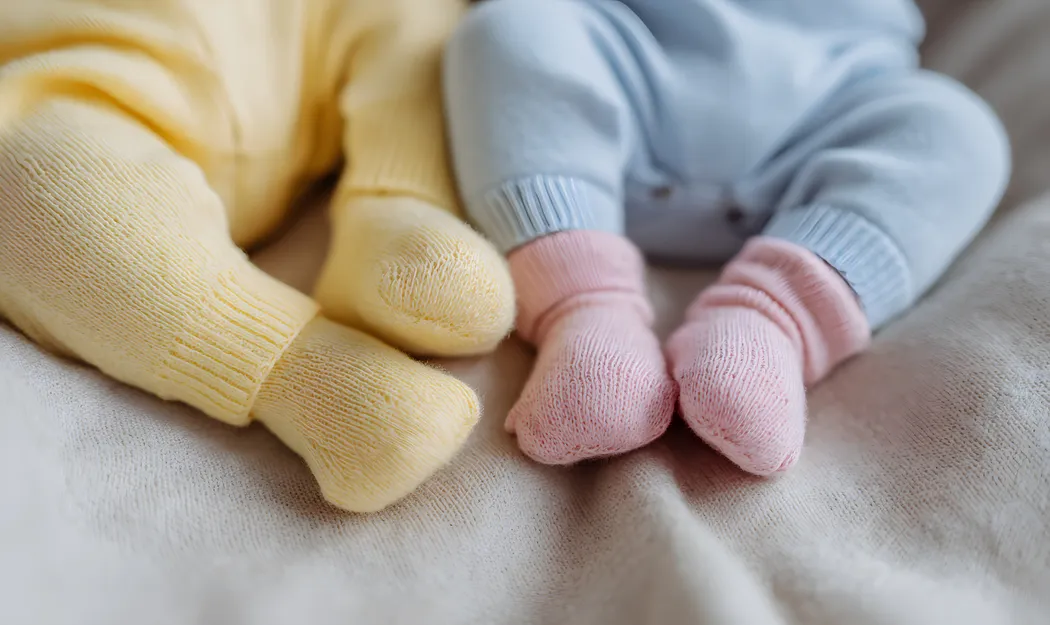
If the cold hands are bothering you or if your baby is scratching their face, soft cotton mittens and socks are a great solution. However, be sure to take them off periodically so your baby can use their hands to explore their senses through touch.

5. Practice Kangaroo Care (Skin-to-Skin)

The World Health Organisation (WHO) heavily promotes skin-to-skin contact for infants. Placing your baby naked (save for a diaper) directly against your bare chest and covering their back with a warm blanket is one of the most effective ways to regulate an infant's heart rate, breathing, and body temperature. Your body heat will naturally warm them up. 
 

When to Worry About Hands and Feet Cold?

While repeatedly asking why newborn baby hands and feet are cold usually leads to a reassuring, harmless answer, there are certain times when cold extremities can indicate a medical issue. You know your baby best. If you notice any of the following red flags 
accompanying cold hands and feet, contact your paediatrician immediately:

Central Cyanosis

While blue hands and feet (acrocyanosis) are usually harmless and common in newborns, blue lips, a blue tongue, or a bluish tint around the face and torso are not normal. This condition is called central cyanosis and indicates that the blood may not be carrying 
enough oxygen throughout the body. It can sometimes be linked to respiratory issues, heart conditions, or severe infections. If you notice these signs, especially if your baby also appears weak or has trouble breathing, seek emergency medical care immediately.

Fever

If your baby is under 3 months old and has a rectal temperature of 100.4°F (38°C) or higher, it is considered a medical emergency, even if their hands and feet are cold. At this age, a fever can sometimes indicate a serious bacterial or viral infection because newborn immune systems are still developing. Do not attempt to treat a fever at home without consulting a healthcare provider. Use a thermometer to regularly monitor your child’s body temperature.

Extreme Lethargy

If your baby seems unusually sleepy, difficult to wake, or unresponsive to normal stimulation, it could be a sign of an underlying health issue. Extremely lethargic babies may refuse feeding, have a weak cry, or appear limp when held. These symptoms can sometimes be associated with infections, dehydration, or metabolic problems. Since newborns typically wake frequently to feed, a sudden lack of responsiveness should always be taken seriously.

Breathing Difficulties

Watch carefully for signs such as rapid breathing, flaring nostrils, grunting sounds, or the skin pulling in around the ribs and collarbone (called retractions). These symptoms indicate that your baby is working harder than normal to breathe. Breathing problems can be caused by respiratory infections, fluid in the lungs, or other medical conditions that require immediate attention.

Mottled Skin

If your baby's skin appears severely blotchy, pale, or shows a web-like purple pattern across the body, along with cold hands and feet, it may signal poor blood circulation. While mild mottling can occasionally occur in cool environments, persistent or severe mottling may be a sign of infection, low blood pressure, or poor oxygen delivery to tissues. If the mottled appearance does not improve after warming your baby or is accompanied by other concerning symptoms, it is important to contact a healthcare professional immediately.
 

Conclusion

Noticing your newborn’s hands and feet feel cold can be surprising, especially for first-time parents. However, in most cases, this is a completely normal part of a baby’s early development. Because a newborn’s circulatory system is still maturing, their body naturally prioritises sending warm blood to vital organs like the heart, lungs, and brain, which can leave their tiny fingers and toes feeling cooler. The key to understanding your baby’s comfort is to focus on their core temperature rather than their extremities. If your baby’s chest or neck feels warm and they are feeding well, active, and producing regular wet diapers, cold hands and feet are usually nothing to worry about. By dressing your baby in light layers, maintaining a comfortable room temperature, and practising safe sleep habits, you can help keep your little one cosy. At the same time, being aware of warning signs such as blue lips, fever, breathing difficulties, or unusual lethargy ensures that you can seek medical care promptly if needed.
 

FAQs

Is it normal for newborns to have cold hands and feet?

Yes, it is completely normal. A newborn’s circulatory system is still developing, meaning blood is prioritised for vital organs like the heart and brain. Because the hands and feet are the furthest from the heart, they receive less blood flow and often feel cold to the touch.

Should I put mittens on my baby at night if their hands are cold?

You can put lightweight, breathable cotton mittens on your baby at night to keep their hands warm and prevent them from scratching their face. However, as long as their chest and neck feel warm, mittens are not strictly medically necessary. Never use heavy mittens that could cause overheating.

Why is my baby's chest warm, but their hands are cold?

This is a perfect example of a healthy, functioning infant circulatory system! The body is keeping the core (where the lungs, heart, and digestive organs live) warm and protected. A warm chest and cold hands mean your baby is actually at a safe, healthy overall temperature.

At what age do babies start to regulate their body temperature better?

Babies gradually become better at regulating their temperature as they grow. You will likely notice a significant improvement by the time they are 3 to 6 months old. However, a child’s thermoregulation system isn't fully mature until they are around 1.5 to 2 years old.

Can teething cause a baby to have cold hands and feet?

Teething itself does not directly cause cold hands and feet. However, teething can sometimes cause a very mild rise in body temperature. When a baby's internal temperature rises slightly, their body might restrict blood flow to the skin to conserve heat, temporarily making hands and feet feel chilly. If your baby has a true fever (above 100.4°F), it is likely due to an illness, not teething.

Apollo 247 Floating Action Button