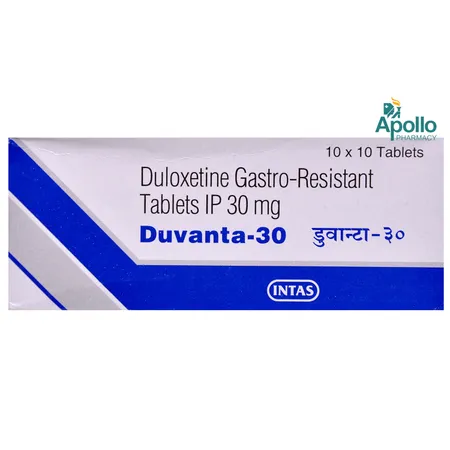
How does the drug interact with Duvanta-30 Tablet:
Coadministration of safinamide with Duvanta-30 Tablet can increase the risk of serotonin syndrome (a condition in which a chemical called serotonin increases in your body).
How to manage the interaction:
Taking Safinamide with Duvanta-30 Tablet is not recommended as it can result in an interaction, but they can be taken together if prescribed by a doctor. However, consult a doctor if you experience confusion, fever, excessive sweating, shivering, pain in the muscles, stomach cramps, nausea, vomiting, and loose stools. Do not discontinue any medications without consulting a doctor.
How does the drug interact with Duvanta-30 Tablet:
Taking Duvanta-30 Tablet with Linezolid can increase the risk of serotonin syndrome(a condition in which a chemical called serotonin increase in your body).
How to manage the interaction:
Although taking Duvanta-30 Tablet with Linezolid is not recommended, they can be taken together if prescribed by a doctor. However, consult a doctor if you experience confusion, fever, excessive sweating, shivering, blurred vision, pain in the muscles, stomach cramps, nausea, vomiting, and diarrhoea. Do not discontinue any medications without consulting a doctor.
How does the drug interact with Duvanta-30 Tablet:
Taking Rasagiline with Duvanta-30 Tablet can increase the risk of serotonin syndrome (a condition in which a chemical called serotonin increases in your body).
How to manage the interaction:
Taking Rasagiline and Duvanta-30 Tablet is not recommended as they can possibly result in an interaction, but they can be taken together if prescribed by a doctor. However, consult a doctor if you experience confusion, fever, excessive sweating, shivering, pain in the muscles, stomach cramps, nausea, vomiting, and loose stools. Do not discontinue any medications without consulting a doctor.
How does the drug interact with Duvanta-30 Tablet:
Taking Tranylcypromine with Duvanta-30 Tablet can increase the risk of serotonin syndrome(a condition in which a chemical called serotonin increase in your body).
How to manage the interaction:
Taking Tranylcypromine with Duvanta-30 Tablet is not recommended but can be taken together if prescribed by a doctor. However, consult a doctor if you experience confusion, fever, excessive sweating, shivering, pain in the muscles or stiffness, stomach cramps, nausea, vomiting, and diarrhoea. Do not discontinue any medications without consulting your doctor.
How does the drug interact with Duvanta-30 Tablet:
Coadministration of metoclopramide with Duvanta-30 Tablet increase the risk of serotonin syndrome(a condition in which a chemical called serotonin increase in your body).
How to manage the interaction:
Taking Metoclopramide with Duvanta-30 Tablet is not recommended, they can be taken together if prescribed by a doctor. However, consult a doctor if you experience any unusual symptoms. Do not discontinue any medications without consulting a doctor.
How does the drug interact with Duvanta-30 Tablet:
Taking Duvanta-30 Tablet with procarbazine can increase the risk of serotonin syndrome(a condition in which a chemical called serotonin increase in your body).
How to manage the interaction:
Taking Duvanta-30 Tablet with Procarbazine is not recommended, but they can be taken together if prescribed by a doctor. However, consult a doctor if you experience confusion, fever, excessive sweating, shivering or shaking, pain in the muscles, stomach cramps, nausea, vomiting, and diarrhoea. Do not discontinue any medications without consulting your doctor.
How does the drug interact with Duvanta-30 Tablet:
Taking phenelzine with Duvanta-30 Tablet can increase the risk of serotonin syndrome(a condition in which a chemical called serotonin increase in your body).
How to manage the interaction:
Taking Duvanta-30 Tablet with Phenelzine is not recommended, but they can be taken together if prescribed by a doctor. However, consult a doctor if you experience confusion, fever, excessive sweating, shivering, blurred vision, pain in the muscles, stomach cramps, nausea, vomiting, and diarrhoea. Do not discontinue any medications without consulting your doctor.
How does the drug interact with Duvanta-30 Tablet:
Coadministration of eliglustat and Duvanta-30 Tablet can significantly increase the blood levels of eliglustat. This may increase the risk of irregular heart rhythm.
How to manage the interaction:
Taking Duvanta-30 Tablet with Eliglustat is not recommended, but they can be taken together if prescribed by a doctor. However, consult a doctor if you experience sudden dizziness, lightheadedness, fainting, shortness of breath, slow heart rate, or weak pulse. Do not discontinue any medications without consulting your doctor.
How does the drug interact with Duvanta-30 Tablet:
Taking Duvanta-30 Tablet with selegiline may increase the risk of serotonin syndrome (a condition in which a chemical called serotonin increases in your body).
How to manage the interaction:
Although there is an interaction between Duvanta-30 Tablet and Selegiline, they can be taken together if prescribed by a doctor. However, consult a doctor if you experience confusion, fever, excessive sweating, shivering, blurred vision, pain in the muscles, stomach cramps, nausea, vomiting, and diarrhoea. Do not discontinue any medications without consulting your doctor.
How does the drug interact with Duvanta-30 Tablet:
Taking Duvanta-30 Tablet with sufentanil may increase the risk of serotonin syndrome (a condition in which a chemical called serotonin increases in your body).
How to manage the interaction:
Although taking Duvanta-30 Tablet with sufentanil can possibly result in an interaction, they can be taken together if prescribed by a doctor. However, consult a doctor if you experience confusion, increased heart rate, fever, excessive sweating, shivering, blurred vision, pain in the muscles, stomach cramps, nausea, vomiting, and diarrhoea. Do not discontinue any medications without consulting your doctor.