
0
Welcome User
Login/Sign Up

Login/Sign Up
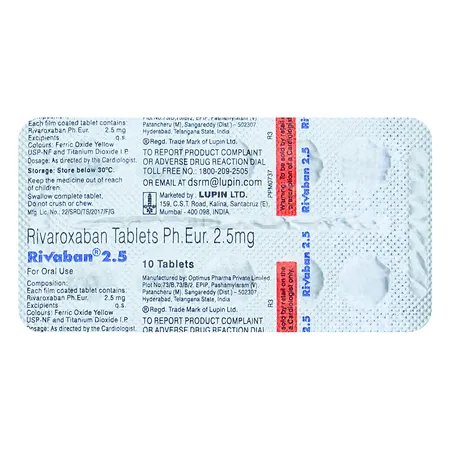
₹68
(Inclusive of all Taxes)
₹50 with coupons & bank offers*
Get Free delivery (₹99) with
रिवाबान 25 टैबलेट 10 का पत्ता का उपयोग मुख्य रूप से पैरों में रक्त के थक्कों (जिन्हें डीप वेन थ्रॉम्बोसिस या डीवीटी कहते हैं) और फेफड़ों में रक्त के थक्कों (जिन्हें पल्मोनरी एम्बोलिज्म या पीई कहते हैं) को रोकने और उनका इलाज करने के लिए किया जाता है। डीप वेन थ्रॉम्बोसिस एक ऐसी चिकित्सीय स्थिति है जिसमें गहरी नसों, आमतौर पर पैरों में रक्त के थक्के बन जाते हैं। पल्मोनरी एम्बोलिज्म एक ऐसी स्थिति है जिसमें रक्त का थक्का फेफड़ों की धमनियों को अवरुद्ध कर देता है।
रिवाबान 25 टैबलेट 10 का पत्ता में रिवरोक्साबैन होता है, जो एक ब्लड थिनर है। यह विटामिन K की क्रिया को कम करके रक्त के थक्के बनाने वाले कारकों के उत्पादन को रोककर काम करता है। यह फाइब्रिनोजेन (घुलनशील प्रोटीन) को फाइब्रिन (अघुलनशील प्रोटीन) में बदलने से रोकता है, जिससे रक्त के थक्के बनने से बचते हैं।
कुछ मामलों में, रिवाबान 25 टैबलेट 10 का पत्ता के कारण कुछ सामान्य दुष्प्रभाव हो सकते हैं जैसे खून बहना, एनीमिया (लाल रक्त कोशिकाओं की कम संख्या), और मतली। रिवाबान 25 टैबलेट 10 का पत्ता के इनमें से अधिकांश दुष्प्रभावों के लिए चिकित्सीय ध्यान की आवश्यकता नहीं होती है और वे समय के साथ धीरे-धीरे ठीक हो जाते हैं। हालांकि, यदि आपको ये दुष्प्रभाव लगातार महसूस होते हैं, तो अपने डॉक्टर से बात करें।
अपने डॉक्टर को बताएं कि क्या आपको रिवाबान 25 टैबलेट 10 का पत्ता या किसी अन्य दवा से एलर्जी है। यदि आप गर्भवती हैं, गर्भवती होने की योजना बना रही हैं, या स्तनपान करा रही हैं, तो रिवाबान 25 टैबलेट 10 का पत्ता का उपयोग करने से पहले अपने डॉक्टर से सलाह लें। रिवाबान 25 टैबलेट 10 का पत्ता शुरू करने से पहले अपने डॉक्टर को सूचित करें यदि आपको पेट का अल्सर, किडनी या लिवर की समस्याएँ, हाई ब्लड प्रेशर, या खून बहने से संबंधित कोई बीमारी है।
रिवाबान 25 टैबलेट 10 का पत्ता का इस्तेमाल रक्त के थक्के बनने से रोकने और उनका इलाज करने के लिए किया जाता है। रिवाबान 25 टैबलेट 10 का पत्ता के मुख्य उपयोग नीचे दिए गए हैं:
असुरक्षित
आपको रिवाबान 25 टैबलेट 10 का पत्ता के साथ शराब का सेवन न करने की सलाह दी जाती है, क्योंकि इससे खून बहने का खतरा बढ़ सकता है।
कृपया अपने डॉक्टर से सलाह लें।
अपने डॉक्टर को रिवाबान 25 टैबलेट 10 का पत्ता का उपयोग करने से पहले बताएं, क्योंकि इसके कुछ नुकसानदायक असर हो सकते हैं। इसलिए, इसका उपयोग तभी करें जब डॉक्टर इसे लेने की सलाह दें।
कृपया अपने डॉक्टर से सलाह लें।
रिवाबान 25 टैबलेट 10 का पत्ता स्तन के दूध में जा सकता है। इसलिए, आप अपने डॉक्टर से सलाह लें।
अगर डॉक्टर ने इसे लेने की सलाह दी हो, तो यह सुरक्षित है।
रिवाबान 25 टैबलेट 10 का पत्ता आमतौर पर आपकी गाड़ी चलाने या मशीनरी चलाने की क्षमता पर कोई असर नहीं डालता है।
सावधानी
कृपया रिवाबान 25 टैबलेट 10 का पत्ता का सेवन सावधानीपूर्वक करें, खासकर यदि आपको लिवर से जुड़ी कोई पुरानी बीमारी या समस्या रही हो। आवश्यकतानुसार, आपके डॉक्टर द्वारा खुराक को समायोजित किया जा सकता है।
सावधानी
रिवाबान 25 टैबलेट 10 का पत्ता का सेवन सावधानी से करें, खासकर यदि आपको पहले कभी किडनी (Kidney) से जुड़ी कोई बीमारी या समस्या रही हो। आपकी स्थिति के अनुसार खुराक को आपके डॉक्टर (Doctor) द्वारा समायोजित किया जा सकता है।
असुरक्षित
रिवाबान 25 टैबलेट 10 का पत्ता बच्चों के लिए स्वीकृत नहीं है। इसलिए, यह बच्चों के लिए सुरक्षित नहीं है।
अगर डॉक्टर ने इसे लेने की सलाह दी हो, तो यह सुरक्षित है।
रिवाबान 25 टैबलेट 10 का पत्ता हृदय रोगियों के लिए सुरक्षित है यदि इसे डॉक्टर द्वारा दिया जाए।
अगर डॉक्टर ने इसे लेने की सलाह दी हो, तो यह सुरक्षित है।
रिवाबान 25 टैबलेट 10 का पत्ता का इस्तेमाल बुजुर्ग मरीजों में सुरक्षित रूप से किया जा सकता है, बशर्ते इसे आपके डॉक्टर ने ही निर्धारित किया हो। इस दौरान मरीज की बारीकी से निगरानी करना बहुत ज़रूरी है।
Have a query?
Drug-Drug Interactions
Inform your doctor if you are taking any of the following medicines, as they may interact with Rivaban 2.5 Tablet :
Drug-Food Interactions
Certain foods and beverages may affect the safety or effectiveness of Rivaban 2.5 Tablet , including:
Drug-Disease Interactions
Inform your doctor if you have any of the following medical conditions before taking Rivaban 2.5 Tablet , as special precautions may be required:
Login/Sign Up
Login/Sign Up
Disclaimer


