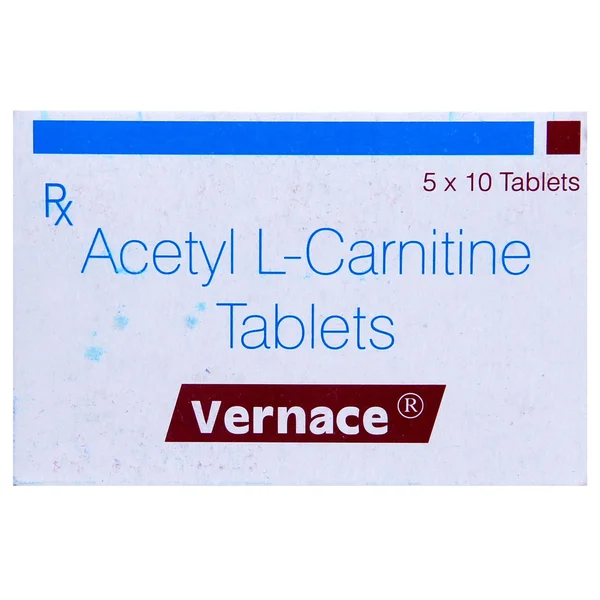
Vernace Tablet is a vitamin supplement used to treat nutritional deficiencies, and carnitine deficiency. This medicine helps converts acetyl-L-carnitine into L-carnitine, which helps the body produce energy from fat. You may experience common side effects like stomach pain, headache, rash, insomnia, dizziness, tiredness, nausea, and vomiting.
I have excess belly fat and weigh 73 kg with a height of 157 cm, and I do not exercise regularly, even though I do not eat excessively. What diet and lifestyle changes should I follow to reduce my belly fat in 2 to 3 months?
Dr S Aneela
M. Pharm (Pharmacology)., PhD
A calorie-controlled diet rich in vegetables, fruits, healthy grains, and lean protein can help to reduce belly fat. Avoid sugary drinks, processed foods, and late-night snacking. Regular physical activity, such as yoga, strength training, or aerobic exercise, can help you burn fat. Stay consistent with healthy habits and proper sleep for gradual improvement.
Are Carnitor-500 Tablet and Paternia Tablet the best treatment for low sperm count and volume? Is Carnitor-500 Tablet the same as Vernace Tablet?
Dr S Aneela
M. Pharm (Pharmacology)., PhD
Carnitor-500 Tablet and Paternia Tablet are supplements that may help improve sperm count and motility, but they are not the best or only treatments for low sperm count and volume. Carnitor-500 Tablet contains Levocarnitine, which is similar to but chemically different from the Acetyl-L-Carnitine found in Vernace Tablet, although both are used to support male fertility.
Have a query?
Side effects of Vernace Tablet
To prevent, manage, and treat Constipation caused by medication usage, follow these steps:
Preventing Vomiting (Before it Happens)
Take medication exactly as prescribed by your doctor. This can help minimize side effects, including vomiting.
Having a small meal before taking your medication can help reduce nausea and vomiting.
Talk to your doctor about taking anti-nausea medication along with your prescribed medication.
Managing Vomiting (If it Happens)
Try taking ginger in the form of tea, ale, or candy to help alleviate nausea and vomiting.
What to Do if Vomiting Persists
Consult your doctor if vomiting continues or worsens, consult the doctor for guidance on adjusting your medication or additional treatment.
Here's a comprehensive approach to managing medication-triggered fever:
Inform your doctor immediately if you experience a fever after starting a new medication.
Your doctor may adjust your medication regimen or dosage as needed to minimize fever symptoms.
Monitor your body temperature to monitor fever progression.
Drink plenty of fluids, such as water or electrolyte-rich beverages, to help your body regulate temperature.
Get plenty of rest and engage in relaxation techniques, such as deep breathing or meditation, to help manage fever symptoms.
Under the guidance of your doctor, consider taking medication, such as acetaminophen or ibuprofen, to help reduce fever.
If your fever is extremely high (over 103°F), or if you experience severe symptoms such as confusion, seizures, or difficulty breathing, seek immediate medical attention.
Dealing with Medication-Induced Headache:
Hydrate your body: Drink enough water to prevent dehydration and headaches.
Calm Your Mind: Deep breathing and meditation can help you relax and relieve stress.
Rest and Recharge: Sleep for 7-8 hours to reduce headache triggers.
Take rest: lie down in a quiet, dark environment.
Cold or warm compresses can help reduce tension.
Stay Upright: Maintain good posture to keep symptoms from getting worse.
To treat headaches naturally, try acupuncture or massage therapy.
Over-the-counter pain relievers include acetaminophen and ibuprofen.
Prescription Assistance: Speak with your doctor about more substantial drug alternatives.
Severe Headaches: Seek emergency medical assistance for sudden, severe headaches.
Frequent Headaches: If you get reoccurring headaches, consult your doctor.
Headaches with Symptoms: Seek medical attention if your headaches include fever, disorientation, or weakness.
Stay hydrated by drinking plenty of water.
Avoid dairy product such as cheese, milk, yogurt and ice cream.
Maintain healthy weight and exercise daily.
Following a low-calcium diet can help reduce hypercalcemia symptoms.
Here are the steps to manage the medication-triggered Tachycardia (Fast Heart Rate):
Contact your doctor immediately if you're experiencing a fast heart rate, palpitations, or other heart-related symptoms. This is crucial to determine whether the symptoms are related to your medication.
Your doctor may need to adjust your medication regimen to alleviate the fast heart rate symptoms. This could involve changing the medication, reducing the dosage, or adding new medications to counteract the side effects.
Follow your doctor's advice on monitoring your heart rate and blood pressure. This will help track any changes and ensure your heart rate returns normal.
If you experience severe symptoms such as chest pain, dizziness, or shortness of breath, seek immediate medical attention. These symptoms can indicate a more serious condition that requires prompt treatment.
Here are the 7 steps to manage Dizziness caused by medication:
Inform your doctor about dizziness symptoms. They may adjust your medication regimen or prescribe additional medications to manage symptoms.
Follow your doctor's instructions for taking medication, and take it at the same time every day to minimize dizziness.
When standing up, do so slowly and carefully to avoid sudden dizziness.
Avoid making sudden movements, such as turning or bending quickly, which can exacerbate dizziness.
Drink plenty of water throughout the day to stay hydrated and help alleviate dizziness symptoms.
If you're feeling dizzy, sit or lie down and rest until the dizziness passes.
Track when dizziness occurs and any factors that may trigger it, and share this information with your doctor to help manage symptoms.
Include iron-rich foods like dark leafy vegetables, lean red meat, legumes and fish in your diet.
Consume vitamin C-rich foods as they aid iron absorption.
Limit tea, cocoa, and coffee as these can slow iron absorption.
Exercise regularly; however, do not overdo it.
Drug-Drug Interactions
No Drug - Drug interactions found in our data. We may lack specific data on this medicine and are actively working to update our database. Consult your doctor for personalized advice
Drug-Drug Interactions
Login/Sign Up
Drug-Food Interactions
No Drug - Food interactions found in our database. Some may be unknown. Consult your doctor for what to avoid during medication.
While we strive to provide complete, accurate, and expert-reviewed content on our 'Platform', we make no warranties or representations and disclaim all responsibility and liability for the completeness, accuracy, or reliability of the aforementioned content. The content on our platform is for informative purposes only, and may not cover all clinical/non-clinical aspects. Reliance on any information and subsequent action or inaction is solely at the user's risk, and we do not assume any responsibility for the same. The content on the Platform should not be considered or used as a substitute for professional and qualified medical advice. Please consult your doctor for any query pertaining to medicines, tests and/or diseases, as we support, and do not replace the doctor-patient relationship.