
0
Welcome User
Login/Sign Up

Login/Sign Up
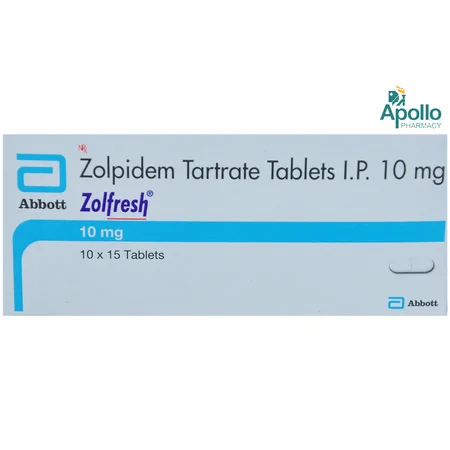
₹136
(Inclusive of all Taxes)
Get Free delivery (₹99) with
Have a query?
Drug-Drug Interaction: Zolfresh 10 mg Tablet may have interaction with high blood pressure-lowering medicines (metoprolol), opioid pain killers (hydrocodone, oxycodone, naloxone, tramadol), antidepressants (sertraline, desipramine, fluoxetine, venlafaxine, bupropion, fluvoxamine, escitalopram, amitriptyline, citalopram, duloxetine, mirtazapine), antibiotics (ciprofloxacin, rifampicin), antifungal drugs (ketoconazole), anti-anxiety drugs (alprazolam, clonazepam, lorazepam), antiallergics/antihistamines (diphenhydramine, hydroxyzine), muscle relaxants (cyclobenzaprine), and antiepileptic drugs (gabapentin, pregabalin).
Drug-Food Interaction: Zolfresh 10 mg Tablet may interact with caffeine, St John’s wort (herbal medicine for treating depression), and may reduce the effectiveness of Zolfresh 10 mg Tablet . Also, avoid alcohol intake as it may increase the risk of dependence, psychomotor impairment (slowdown of thought process and reduced physical movements), sleepwalking, or sleep-driving.
Drug-Disease Interaction: Do not take Zolfresh 10 mg Tablet if you have severe liver disease, breathing problems, sleep apnoea (sudden stopping of breathing during sleep), severe muscle weakness, kidney problems, and any history of depression or mental illness.
Login/Sign Up
Login/Sign Up
Mankind Pharma Pvt Ltd
₹63
(₹6.3 per unit)
Abbott India Ltd
₹63
(₹6.3 per unit)
Orsim Pharma
₹70
(₹7.0 per unit)
Disclaimer


