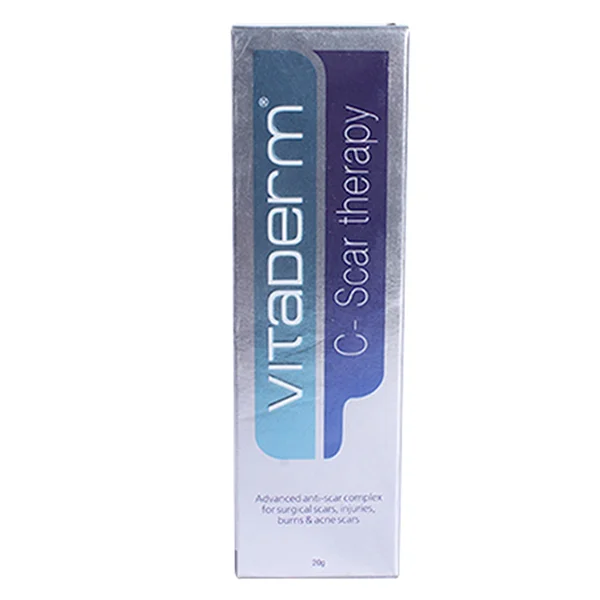
I was diagnosed with herpes zoster and have mostly recovered, but there are blackish scars left on my nose where I had scratched the area. What are the best treatment options or creams to reduce these scars?
G.santoshini Reddy
M Pharmacy (Pharmaceutics)
After Herpes Zoster, it is common to be left with dark marks (post-inflammatory hyperpigmentation), especially if the area was scratched, and these usually fade gradually with proper care. Treatment focuses on lightening the pigmentation and improving skin healing using creams such as Azelaic Acid or Niacinamide, and sometimes mild retinoids may be added by a doctor to speed up skin renewal. Daily use of sunscreen is very important to prevent further darkening, even on the nose. Avoid picking or irritating the area, and keep the skin moisturised. If the marks are persistent or deeper, dermatological procedures like chemical peels or laser treatment may be considered. With consistent care, most of these marks improve significantly over time.
I would like to know the possible side effects of fractional CO? laser treatment for atrophic scars, especially the risk of hyperpigmentation, as I have brown skin.
G.santoshini Reddy
M Pharmacy (Pharmaceutics)
Fractional CO? laser is an effective treatment for atrophic (depressed) scars, but like any procedure, it can have side effects, especially in people with brown or darker skin tones, where the risk of post-inflammatory hyperpigmentation is higher. Common side effects include redness, swelling, mild pain, and temporary darkening or lightening of the skin, which usually settle over days to weeks, while less common risks include infection, prolonged redness, or scarring if not done properly. The risk of hyperpigmentation can be reduced by proper skin preparation, using sunscreen strictly before and after the procedure, and following your dermatologist's advice, sometimes with pre- and post-treatment creams. Choosing an experienced dermatologist and using appropriate laser settings for your skin type is very important to minimise risks. Overall, when done carefully, the procedure is generally safe and can significantly improve scars, but it requires proper care and realistic expectations.
I have stitch marks on my face for the past 4 years. What are the available treatments to reduce or remove these scars?
G.santoshini Reddy
M Pharmacy (Pharmaceutics)
Stitch marks on the face that have been present for 4 years are mature scars, so they may not disappear completely, but can be significantly improved with the right treatment. Options include topical treatments like Silicone gel or creams containing retinoids to gradually smooth the skin, while dermatological procedures such as laser therapy, microneedling, or chemical peels can help improve texture and reduce visibility. In some cases, minor surgical revision may be considered for deep or irregular scars. Regular use of sunscreen is very important to prevent further darkening of the scar, and avoiding picking or irritation helps in better healing. The best approach depends on the type and depth of the scar, so consulting a dermatologist will help you choose the most effective and safe treatment plan for your skin.
While we strive to provide complete, accurate, and expert-reviewed content on our 'Platform', we make no warranties or representations and disclaim all responsibility and liability for the completeness, accuracy, or reliability of the aforementioned content. The content on our platform is for informative purposes only, and may not cover all clinical/non-clinical aspects. Reliance on any information and subsequent action or inaction is solely at the user's risk, and we do not assume any responsibility for the same. The content on the Platform should not be considered or used as a substitute for professional and qualified medical advice. Please consult your doctor for any query pertaining to medicines, tests and/or diseases, as we support, and do not replace the doctor-patient relationship.