apollo
logo
0
Select Delivery Location
compositionComposition:ACICLOVIR-400MG
prescription
Prescription Medicine
info
Written By Bayyarapu Mahesh Kumar , M Pharmacy
Reviewed By Dr Aneela Siddabathuni , MPharma., PhD
OffersOffers & Discounts

Get Free delivery (₹99) with circle icon

Join Circle
Get Extra 18% Off with Coupons
Extra 10% Off with Bank Offers
bank offer
bank offer
bank offer

More about the Product

Composition :

ACICLOVIR-400MG

Manufacturer/Marketer :

Zee Laboratories Pvt Ltd

Consume Type :

Oral

Expires on or after :

Jan-28

Return Policy :

Not Returnable

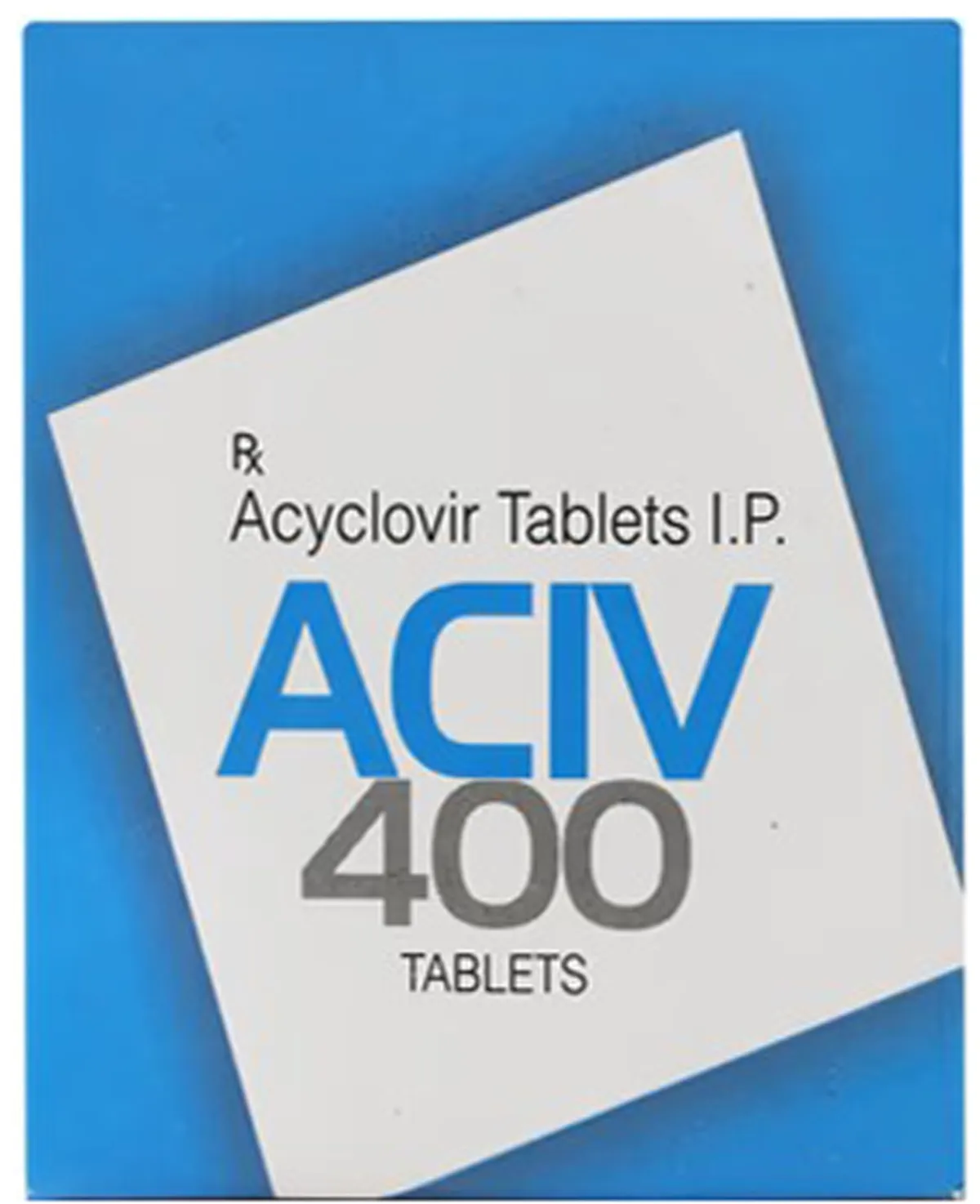
About Aciv 400 Tablet 10's

Aciv 400 Tablet 10's is an antiviral prescription medicine used to treat infections caused by certain types of viruses. It is commonly prescribed to manage shingles, chickenpox, genital herpes, and cold sores. This medicine helps shorten the duration of the outbreak and eases the associated discomfort.

For the best results, you must take Aciv 400 Tablet 10's regularly at evenly spaced intervals throughout the day and complete the full prescribed course. You can take this oral medicine with or without food, though taking it with a glass of water is highly recommended. Staying well-hydrated throughout your treatment helps protect your kidneys and supports your recovery.

While taking Aciv 400 Tablet 10's, you might experience mild side effects like nausea, diarrhea, or headaches. These are usually temporary, but if you experience serious symptoms such as severe dizziness, confusion, or changes in how much you urinate, contact your doctor immediately.

Before starting Aciv 400 Tablet 10's, tell your doctor if you have kidney problems or a weakened immune system. Do not take this medicine if you have had a severe allergic reaction to the active ingredient or any of the inactive ingredients in the tablet.

Some medicines, especially those that affect your kidneys, can interact with Aciv 400 Tablet 10's and increase the risk of side effects. If you are pregnant, breastfeeding, or over the age of 65, talk to your doctor or pharmacist to ensure this medicine is safe for you.
 

Uses of Aciv 400 Tablet 10's

Aciv 400 Tablet 10's is used to treat infections caused by herpes viruses and helps reduce the severity and duration of symptoms, including:

  • Shingles (Herpes Zoster): Treats the painful rash of shingles, helping blisters heal faster and reducing nerve-related pain.
  • Genital Herpes: Helps active outbreaks heal more quickly and may be used long-term to prevent or reduce the frequency of future outbreaks.
  • Cold Sores (Herpes Labialis): Limits the spread of the virus, reducing healing time and discomfort associated with cold sores around the mouth.
  • Chickenpox (Varicella): When started early, helps lessen the severity of symptoms such as fever, itching, and blister formation.
  • Note on Available Formulations: Aciv 400 Tablet 10's is available in both oral and topical forms. Oral Aciv 400 Tablet 10's is generally prescribed for conditions such as shingles, genital herpes, chickenpox, and more extensive herpes infections. Topical Aciv 400 Tablet 10's cream may be recommended for certain cases of cold sores or localized herpes simplex infections. Your doctor will determine which formulation is most appropriate based on the type, severity, and location of the infection.
     

Key Benefits

Aciv 400 Tablet 10's offers several important benefits for people affected by herpes virus infections, including:

  • Faster Recovery: Targets the virus directly, helping lesions heal more quickly and allowing a faster return to normal daily activities.
  • Pain Relief: Reduces the intensity and duration of pain, burning, and discomfort associated with viral outbreaks.
  • Fewer Recurrences: When used as suppressive therapy, it can significantly decrease the frequency of recurrent herpes outbreaks.
  • Lower Risk of Transmission: Regular preventive treatment may help reduce the risk of passing the virus to others, particularly in genital herpes.
  • Improved Quality of Life: By controlling symptoms and reducing outbreak frequency, it helps individuals manage their condition with greater confidence and comfort.
     
Side effects of Aciv 400 Tablet
Overcome Medication-Induced Nausea: A 9-Step Plan
  • Inform your doctor about the nausea and discuss possible alternatives to the medication or adjustments to the dosage.
  • Divide your daily food intake into smaller, more frequent meals to reduce nausea.
  • Opt for bland, easily digestible foods like crackers, toast, plain rice, bananas, and applesauce.
  • Avoid certain foods that can trigger nausea, such as fatty, greasy, spicy, and smelly foods.
  • Drink plenty of fluids, such as water, clear broth, or electrolyte-rich beverages like coconut water or sports drinks.
  • Use ginger (tea, ale, or candies) to help relieve nausea.
  • Get adequate rest and also avoid strenuous activities that can worsen nausea.
  • Talk to your doctor about taking anti-nausea medication if your nausea is severe.
  • Record when your nausea occurs, what triggers it, and what provides relief to help you identify patterns and manage your symptoms more effectively.
To prevent, manage, and treat Constipation caused by medication usage, follow these steps:
  • Preventing Vomiting (Before it Happens)
  • Take medication exactly as prescribed by your doctor. This can help minimize side effects, including vomiting.
  • Having a small meal before taking your medication can help reduce nausea and vomiting.
  • Talk to your doctor about taking anti-nausea medication along with your prescribed medication.
  • Managing Vomiting (If it Happens)
  • Try taking ginger in the form of tea, ale, or candy to help alleviate nausea and vomiting.
  • What to Do if Vomiting Persists
  • Consult your doctor if vomiting continues or worsens, consult the doctor for guidance on adjusting your medication or additional treatment.
Here are the precise steps to cope with diarrhoea caused by medication usage:
  • Inform Your Doctor: Notify your doctor immediately about your diarrhoea symptoms. This allows them to adjust your medication or provide guidance on managing side effects.
  • Stay Hydrated: Drink plenty of fluids to replace lost water and electrolytes. Choose water, clear broth, and electrolyte-rich drinks. Avoid carbonated or caffeinated beverages to effectively rehydrate your body.
  • Follow a Bland Diet: Eat easy-to-digest foods to help firm up your stool and settle your stomach. Try incorporating bananas, rice, applesauce, toast, plain crackers, and boiled vegetables into your diet.
  • Avoid Trigger Foods: Steer clear of foods that can worsen diarrhoea, such as spicy, fatty, or greasy foods, high-fibre foods, and dairy products (especially if you're lactose intolerant).
  • Practice Good Hygiene: Maintain good hygiene to prevent the spread of infection. To stay healthy, wash your hands frequently, clean and disinfect surfaces regularly, and avoid exchanging personal belongings with others.
  • Take Anti-Diarrheal Medications: If your doctor advises, anti-diarrheal medications such as loperamide might help manage diarrhoea symptoms. Always follow your doctor's directions.
  • Keep track of your diarrhoea symptoms. If they don't get better or worse or are accompanied by severe stomach pain, blood, or dehydration signs (like extreme thirst or dark urine), seek medical help.
  • Drink water or other clear fluids.
  • To prevent worsening of pain, limit intake of tea, coffee, or alcohol.
  • Include bland foods like rice, toast, crackers, and rice in your diet.
  • Avoid lying down immediately after eating as it may cause indigestion or heartburn.
  • Avoid acidic and spicy food as it may cause indigestion.
Dealing with Medication-Induced Headache:
  • Hydrate your body: Drink enough water to prevent dehydration and headaches.
  • Calm Your Mind: Deep breathing and meditation can help you relax and relieve stress.
  • Rest and Recharge: Sleep for 7-8 hours to reduce headache triggers.
  • Take rest: lie down in a quiet, dark environment.
  • Cold or warm compresses can help reduce tension.
  • Stay Upright: Maintain good posture to keep symptoms from getting worse.
  • To treat headaches naturally, try acupuncture or massage therapy.
  • Over-the-counter pain relievers include acetaminophen and ibuprofen.
  • Prescription Assistance: Speak with your doctor about more substantial drug alternatives.
  • Severe Headaches: Seek emergency medical assistance for sudden, severe headaches.
  • Frequent Headaches: If you get reoccurring headaches, consult your doctor.
  • Headaches with Symptoms: Seek medical attention if your headaches include fever, disorientation, or weakness.
Here are the 7 steps to manage Dizziness caused by medication:
  • Inform your doctor about dizziness symptoms. They may adjust your medication regimen or prescribe additional medications to manage symptoms.
  • Follow your doctor's instructions for taking medication, and take it at the same time every day to minimize dizziness.
  • When standing up, do so slowly and carefully to avoid sudden dizziness.
  • Avoid making sudden movements, such as turning or bending quickly, which can exacerbate dizziness.
  • Drink plenty of water throughout the day to stay hydrated and help alleviate dizziness symptoms.
  • If you're feeling dizzy, sit or lie down and rest until the dizziness passes.
  • Track when dizziness occurs and any factors that may trigger it, and share this information with your doctor to help manage symptoms.
Managing Medication-Triggered Erythema (Redness of the Skin or Skin redness): A Step-by-Step Guide:
  • Consult your doctor if you experience skin redness, itching, or irritation after taking medication.
  • Your doctor may adjust your treatment plan by changing your medication or providing guidance on managing your erythema symptoms.
  • Your doctor may recommend or prescribe certain medications to help alleviate symptoms.
  • Apply cool compresses or calamine lotion to the affected skin area to reduce redness and itching.
  • Stay hydrated by drinking plenty of water to help alleviate symptoms and keep your skin hydrated.
  • Monitor your skin condition closely and promptly report any changes, worsening symptoms, or concerns to your healthcare provider.

Directions for Use

To ensure Aciv 400 Tablet 10's works effectively and safely, follow these usage instructions carefully:

  • Swallow Whole: Take the tablet whole with a full glass of water. Do not crush, chew, or break it unless specifically instructed by your doctor.
  • Take With or Without Food: Aciv 400 Tablet 10's can be taken with or without meals. Taking it with food may help reduce mild stomach discomfort.
  • Stay Well Hydrated: Drink plenty of fluids throughout the day while taking this medicine to help your kidneys process and eliminate the medication safely.
  • Follow the Prescribed Schedule: Take Aciv 400 Tablet 10's exactly as directed by your doctor, at the recommended dose and duration.
  • Complete the Full Course: Continue taking the medicine for the entire prescribed period, even if your symptoms improve earlier, to help prevent the infection from returning or worsening.
     

How Aciv 400 Tablet 10's Works

Aciv 400 Tablet 10's contains aciclovir, an antiviral medicine used to treat infections caused by certain viruses, including herpes simplex virus and varicella-zoster virus. Aciclovir works by entering virus-infected cells, where it is converted into its active form. Once activated, it interferes with the viral DNA replication process by blocking the enzyme needed for the virus to make copies of its genetic material. By preventing the virus from multiplying, aciclovir helps stop the spread of the infection to healthy cells and limits the progression of the disease. Together, these actions help reduce the severity and duration of viral infections, promote healing of affected tissues, and support the body's natural immune response in controlling the infection.
bannner image

Alcohol

Caution

Limit alcohol intake while using Aciv 400 Tablet 10's to prevent any adverse effects.

bannner image

Pregnancy

Caution

Aciv 400 Tablet 10's is a pregnancy Category B medicine. It is not known whether Aciv 400 Tablet 10's will affect pregnant women or the fetus or not. Hence, the intake of Aciv 400 Tablet 10's should be only if prescribed and under medical supervision.

bannner image

Breast Feeding

Caution

It is not known whether Aciv 400 Tablet 10's will pass through the milk in breastfeeding women or not. Hence, Aciv 400 Tablet 10's should only be taken if prescribed by a doctor and under medical supervision.

bannner image

Driving

Caution

Aciv 400 Tablet 10's can affect alertness and coordination. So, operating machinery which requires concentration should be avoided.

bannner image

Liver

Safe if prescribed

Aciv 400 Tablet 10's is safe if prescribed by a doctor. It is known not to interact with liver functioning.

bannner image

Kidney

Caution

Aciv 400 Tablet 10's to be taken with caution, especially if you have a history of Kidney diseases/conditions. The dose may have to be adjusted by your doctor.

bannner image

Children

Safe if prescribed

Aciv 400 Tablet 10's is safe if prescribed by a child specialist.

bannner image

Heart

Consult your doctor

Aciv 400 Tablet 10's can be used in heart patients if prescribed by the physician.

bannner image

Geriatrics

Caution

Aciv 400 Tablet 10's is known to cause side effects like neurotoxicity and nephrotoxicity in elderly patients. Hence, pleae consult you physician.

What if I have taken an overdose of Aciv 400 Tablet 10's

Do not take more than the prescribed dose of Aciv 400 Tablet 10's as it may cause overdose. The symptoms of overdose include extreme tiredness, seizures (fits), change in the amount of urine, loss of consciousness and agitation. If you suspect you have taken overdose or notice signs of overdose, please consult a doctor immediately.

Diet & Lifestyle Advise

  • Stay Hydrated: Drink plenty of water throughout the day while taking Aciv 400 Tablet 10's to help your kidneys filter the medication efficiently.
  • Keep Outbreaks Clean and Dry: Gently wash any blisters with mild soap and water, then pat them dry. Avoid picking or scratching the sores to prevent secondary infections.
  • Wear Loose Clothing: If you have shingles or chickenpox, wear loose, soft clothing made of natural fibres like cotton to reduce friction and irritation on your skin.
  • Manage Stress: Stress is a common trigger for herpes outbreaks. Incorporate stress-relief techniques like deep breathing, meditation, or light walking into your daily routine.
     

Have a query?

How Soon It Starts Working

The time required for Aciv 400 Tablet 10's to start to work: Aciv 400 Tablet 10's ideally shows its action within 1.5 to 2 hours after administration.

The time for which the effects of Aciv 400 Tablet 10's last: The effect of Aciv 400 Tablet 10's lasts for 9 to 12 hours.

What if you forget to take Aciv 400 Tablet 10's

Take the missed dose as soon as you remember. If it is almost time for the next dose, skip the missed dose and use your next dose. Do not use a double dose to make up for the missed dose.

Storage

• Store Aciv 400 Tablet 10's at room temperature, ideally between 15°C and 25°C (59°F to 77°F). Keep the tablets in their original packaging to protect them from light and moisture.

Drug Warnings

  • Start Treatment Early: Start taking Aciv 400 Tablet 10's at the very first sign of an outbreak (such as tingling, itching, or burning) for the most effective results.
  • Stay Well Hydrated: Drink at least 6 to 8 glasses of water daily while taking this medicine to help reduce the risk of kidney-related side effects.
  • Use the Liquid Form Correctly: If you are taking the liquid suspension form of Aciv 400 Tablet 10's, shake the bottle well before each use and use a proper medical measuring device rather than a household spoon.
  • Prevent the Spread of Infection: Avoid close physical contact, such as kissing or sharing utensils, while you have active cold sores or shingles blisters to help prevent spreading the virus to others.
     

Drug-Drug Interactions

verifiedApollotooltip

Drug-Drug Interactions

Aciv 400 Tablet 10's may interact with certain medications, potentially affecting its safety or effectiveness. Inform your doctor about all medicines, supplements, and herbal products you are taking, including:

  • Kidney-Affecting Medicines: Taking Aciv 400 Tablet 10's with other medications that may affect kidney function, such as nonsteroidal anti-inflammatory drugs (NSAIDs) like ibuprofen or certain diuretics (water pills), may increase the risk of kidney-related side effects.
  • Gout Medications (Probenecid): Probenecid can increase the amount of Aciv 400 Tablet 10's in the bloodstream, which may raise the likelihood of side effects.


Drug-Disease Interactions

Certain medical conditions may influence how Aciv 400 Tablet 10's works or increase the risk of side effects. Tell your doctor if you have any of the following:

  • Kidney Disease: Reduced kidney function can cause Aciv 400 Tablet 10's to accumulate in the body. Your doctor may adjust the dosage and monitor your kidney function during treatment.
  • Nervous System Conditions: Individuals with neurological disorders or a history of nervous system problems may be more susceptible to side effects such as confusion, dizziness, agitation, or changes in mental status.

Drug-Drug Interactions

Login/Sign Up

How does the drug interact with Aciv 400 Tablet:
Co-administration of Cidofovir with Acyclovir can increase the risk of kidney problems.

How to manage the interaction:
Taking Aciv 400 Tablet with Cidofovir is not recommended, please consult your doctor before taking it. You should consult a doctor if you experience vomiting, irregular urination, sudden weight gain or loss, swelling, shortness of breath, muscle cramps, weakness, and palpitations. Do not stop using any medications without talking to a doctor.
How does the drug interact with Aciv 400 Tablet:
Coadministration of Aciv 400 Tablet with Everolimus may increase the risk or severity of kidney injury.

How to manage the interaction:
Taking Aciv 400 Tablet with Everolimus together can result in an interaction, it can be taken if a doctor has advised it. Contact a doctor immediately if you experience vomiting, irregular urination, sudden weight gain or loss, swelling, breathing difficulty, muscle pains, dizziness, or palpitations. Do not discontinue any medications without consulting a doctor.
How does the drug interact with Aciv 400 Tablet:
Coadministration of Aciv 400 Tablet with Tenofovir alafenamide may increase the risk or severity of kidney injury.

How to manage the interaction:
Taking Aciv 400 Tablet with tenofovir alafenamide can result in an interaction. However, if the benefits outweigh the risks, your doctor will prescribe them. Contact a doctor immediately if you experience symptoms such as decreased or increased urine output, sudden weight gain or loss, swelling, or shortness of breath. Do not discontinue any medication without consulting your doctor.
How does the drug interact with Aciv 400 Tablet:
Coadministration of Aciv 400 Tablet with Amphotericin B can increase the risk or severity of kidney disorder.

How to manage the interaction:
Taking Aciv 400 Tablet with Amphotericin b together can result in an interaction, it can be taken if a doctor has advised it. Consult a doctor if you experience irregular urination, muscle ache, shortness if breath, or palpitations. Do not discontinue any medications without consulting a doctor.
How does the drug interact with Aciv 400 Tablet:
Coadministration of Aciv 400 Tablet with Tenofovir Disoproxil may increase the risk or severity of kidney disorder.

How to manage the interaction:
Coadministration of Aciv 400 Tablet with Tenofovir disoproxil can result in an interaction, it can be taken when your doctor has advised it. Contact a doctor immediately if you experience decreased or increased urine output, sudden weight gain or loss, swelling, or shortness of breath. Do not discontinue any medications without consulting a doctor.
AciclovirIodamide
Severe
How does the drug interact with Aciv 400 Tablet:
Coadministration of Iodamide contrast with Aciv 400 Tablet may increase the risk or severity of kidney injury.

How to manage the interaction:
Before undergoing any imaging procedure let your doctor know you are on Aciv 400 Tablet treatment.
AciclovirMetrizamide
Severe
How does the drug interact with Aciv 400 Tablet:
Coadministration of Metrizamide in contrast with Aciv 400 Tablet may increase the risk or severity of kidney disorder.

How to manage the interaction:
Before undergoing any imaging procedure, let your doctor know you are on Aciv 400 Tablet treatment. Look out for signs such as vomiting, increased or decreased urination, sudden weight gain or loss, swelling, shortness of breath, muscle cramps, or weakness. Consult the doctor immediately.
How does the drug interact with Aciv 400 Tablet:
Concomitant use of Aciv 400 Tablet with Tizanidine can increase the risk of developing low blood pressure.

How to manage the interaction:
Coadministration of Aciv 400 Tablet with Tizanidine can result in an interaction, but it can be taken if your doctor has advised it. Contact a doctor immediately if you experience signs such as dizziness, excessive sweating, or palpitations. Do not discontinue any medications without consulting a doctor.
How does the drug interact with Aciv 400 Tablet:
Coadministration of Aciv 400 Tablet with Sirolimus may increase the risk or severity of kidney injury.

How to manage the interaction:
Taking Aciv 400 Tablet with Sirolimus can result in an interaction, it can be taken if your doctor has advised it. However, if you experience vomiting, a decrease in hunger, irregular urine, weight gain or loss, swelling, difficulty breathing, muscle pain, or weakness, consult a doctor.
How does the drug interact with Aciv 400 Tablet:
Co-administration of Aciv 400 Tablet with tacrolimus may increase the risk or severity of kidney problems.

How to manage the interaction:
Coadministration of Aciv 400 Tablet with Tacrolimus can result in an interaction, it can be taken if your doctor has advised it. Contact a doctor immediately if you experience signs such as decreased or increased urine output, sudden weight gain or loss, swelling, or shortness of breath. Do not discontinue any medications without first consulting a doctor.

Drug-Food Interactions

verifiedApollotooltip
No Drug - Food interactions found in our database. Some may be unknown. Consult your doctor for what to avoid during medication.

Drug-Food Interactions

Login/Sign Up

All Substitutes & Brand Comparisons

Habit Forming

No

Therapeutic Class

[ANTIVIRALS]

FAQs

Aciv 400 Tablet 10's is used to treat viral infections. It plays a vital role in treating cold sores (an inflamed blister in or near the mouth caused by infection with the herpes simplex virus), genital herpes (a common sexually transmitted infection marked by genital pain and sores), and herpes zoster (a viral infection that causes a painful rash). In addition to this, it is also used to treat chickenpox.

Aciv 400 Tablet 10's works by preventing the multiplication of viruses in human cells. As a result, this stops the proliferation of viruses and produces new viruses, slowly leading to the viral infection clearing up.

No, Aciv 400 Tablet 10's should not be taken if you have HIV (Human Immuno Deficiency Syndrome). It can increase the risk of Thrombotic Thrombocytopenic Purpura (blood clot formation in small blood vessels).

No, Aciv 400 Tablet 10's should be taken in the dose and duration as advised by the doctor. If you take it in more than the recommended dose, it might cause unpleasant side effects. If you think your symptoms are not improving, please consult your doctor.

If you miss a dose of Aciv 400 Tablet 10's, take the missed dose as soon as you remember it. However, if it's almost time for the next dose, do not take a double dose to make up for a missed one.

Do not stop taking Aciv 400 Tablet 10's without talking to your doctor. If you suddenly stop taking Aciv 400 Tablet 10's, you may experience confusion, fever, mental state changes, or severe muscle stiffness. Your doctor will probably decrease your dose gradually depending upon your disease condition.

No, Aciv 400 Tablet 10's is not known to affect contraception (condoms). Also, to avoid transmission of herpes infection as it is a sexually transmitted disease; please use any form of contraception.

Serious side effects of Aciv 400 Tablet 10's are blood in the urine, chest pain or palpitations, hair loss, kidney problems, low blood pressure, lymph node swelling, seizures, serious skin reactions, and mental health changes such as agitation or aggression, confusion, depression, hallucinations, and psychotic symptoms.

Yes, elderly patients need to be more careful while taking Aciv 400 Tablet 10's as they might be more sensitive to the side effects of this medicine.

Taking more than the recommended dose of Aciv 400 Tablet 10's may cause an overdose. The symptoms of overdose include extreme tiredness, seizures (fits), change in the amount of urine, loss of consciousness and agitation. If you suspect you have taken overdose or notice signs of overdose, please consult a doctor immediately.

Common side effects of Aciv 400 Tablet 10's are headaches, feeling dizzy, feeling or being sick (nausea or vomiting), diarrhoea, rash, and skin sensitivity to sunlight. Most of these side effects of Aciv 400 Tablet 10's are temporary, do not require medical attention, and gradually resolve over time. However, if the side effects are persistent, reach out to your doctor.

Aciv 400 Tablet 10's should be used during pregnancy or breastfeeding only if prescribed by the doctor. Please consult the doctor if you are pregnant, planning for pregnancy or breastfeeding.

Alcohol may not interfere with the working of Aciv 400 Tablet 10's. However, limit alcohol intake while using Aciv 400 Tablet 10's to prevent any adverse effects.

Patients with impaired immunity or having HIV may get resistant to Aciv 400 Tablet 10's treatment. Inform the doctor if you have HIV or low immunity.

No, hair loss caused due to Aciv 400 Tablet 10's is not permanent. It stops on discontinuing the medicine.

Yes, you can take Aciv 400 Tablet 10's with or without food. If you find that it upsets your stomach, taking it with a meal or a snack may help. Talk to your doctor if stomach upset persists.

Aciv 400 Tablet 10's begins working shortly after you take your first dose to stop the virus from multiplying. However, it may take a few days for you to notice your symptoms improving. Talk to your doctor if your condition does not improve or gets worse.

No, Aciv 400 Tablet 10's does not cure herpes or shingles. These viruses remain in the body even after treatment, but Aciv 400 Tablet 10's helps shorten the duration of active outbreaks and relieves pain. Talk to your doctor about long-term management strategies.

There is no direct interaction between alcohol and Aciv 400 Tablet 10's. However, alcohol can dehydrate your body and weaken your immune system, which may slow your recovery. Talk to your doctor about safe alcohol consumption during treatment.

If your blisters or rash do not improve after completing your full course of Aciv 400 Tablet 10's, do not take extra doses. Talk to your doctor to evaluate your treatment plan.

Yes, but you must be careful. Because your kidneys process this medicine, your doctor may need to prescribe a lower dose to ensure it does not build up in your body. Talk to your doctor about your kidney health before starting.

While Aciv 400 Tablet 10's reduces the risk of spreading the virus by treating active outbreaks, it does not completely eliminate the risk of transmission. You should avoid sexual contact during active outbreaks and use barrier protection. Talk to your doctor for more advice.

Aciv 400 Tablet 10's may be prescribed for children to treat certain viral infections, including chickenpox and herpes virus infections. The dosage is carefully calculated based on the child's age, weight, medical condition, and kidney function. Parents and caregivers should never give Aciv 400 Tablet 10's to a child without medical advice and should always follow the paediatrician's dosing instructions exactly.

Oral Aciv 400 Tablet 10's works throughout the body and is commonly used to treat conditions such as shingles, genital herpes, chickenpox, and more severe herpes infections. Aciv 400 Tablet 10's cream is applied directly to affected skin areas and may be used for certain cold sores or localised herpes simplex infections. Your doctor will recommend the most suitable formulation based on your condition and symptoms.

Disclaimer

While we strive to provide complete, accurate, and expert-reviewed content on our 'Platform', we make no warranties or representations and disclaim all responsibility and liability for the completeness, accuracy, or reliability of the aforementioned content. The content on our platform is for informative purposes only, and may not cover all clinical/non-clinical aspects. Reliance on any information and subsequent action or inaction is solely at the user's risk, and we do not assume any responsibility for the same. The content on the Platform should not be considered or used as a substitute for professional and qualified medical advice. Please consult your doctor for any query pertaining to medicines, tests and/or diseases, as we support, and do not replace the doctor-patient relationship.

Country of origin

India

Manufacturer/Marketer address

913, D-Mall, Netaji Subhash Place, Pitampura, Delhi-34
Other Info - ACI0430
whatsapp Floating Button
Buy Now
Add to Cart