logo
0
Select Delivery Location
prescription
Prescription Medicine
info

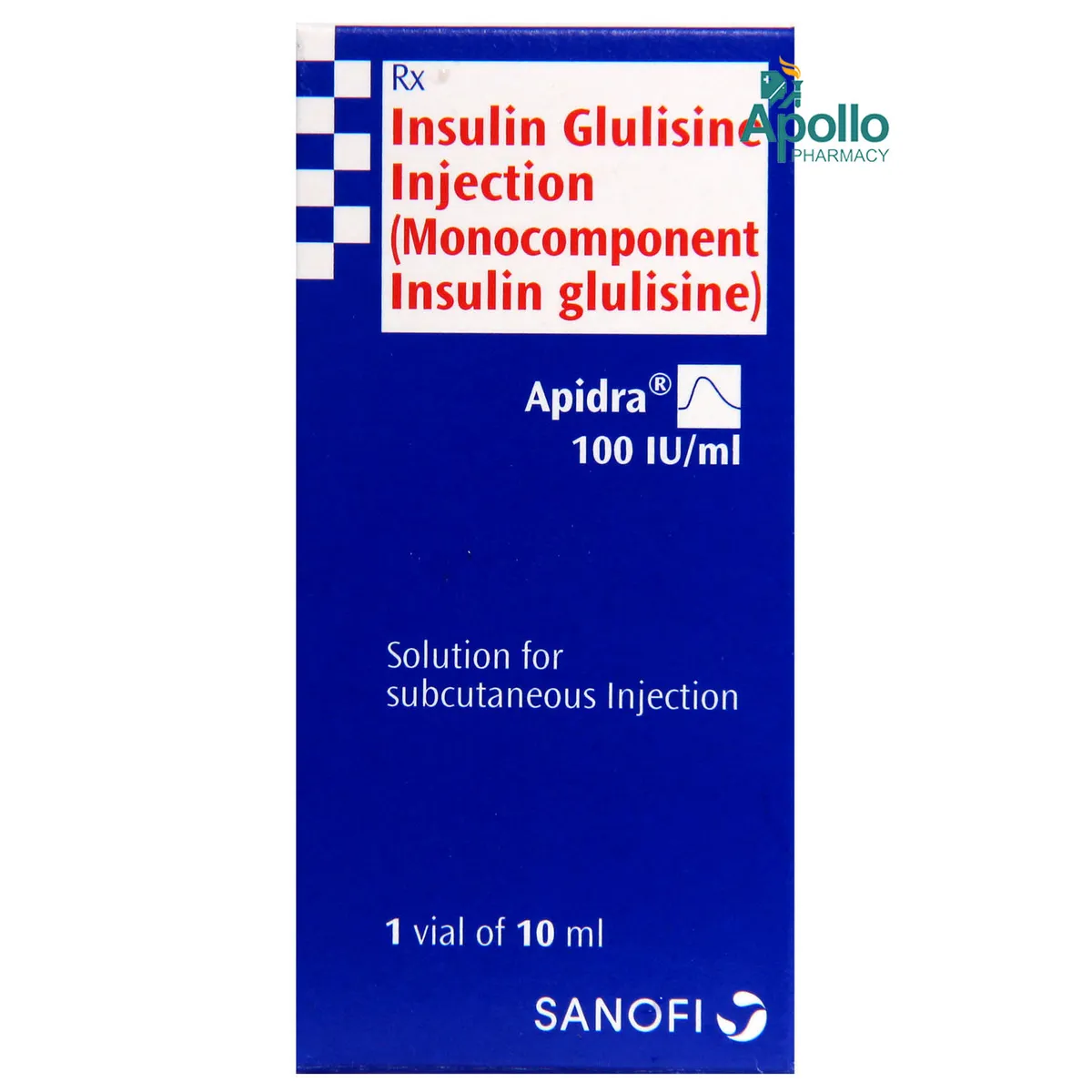
Apidra 100IU /ml Injection is used for the treatment of diabetes mellitus in both children (above six years of age) and adults. It contains Insulin glulisine , which works rapidly to normalise blood sugar levels after a meal. It prevents the risk of having severe complications of diabetes. Insulin glulisine takes effect about twice as fast as regular human insulin and completes the glucose-lowering effect about 2 hours earlier than regular human insulin. It may cause side effects such as hypokalaemia (low potassium), hypoglycaemia (low blood sugar level), local injection site reactions, lipodystrophy (fat deposition under the skin), rash, and pruritus (itch skin), which may occur at the injection site. Before taking this medicine, you should tell your doctor if you are allergic to any of its components or if you are pregnant/breastfeeding, and about all the medications you are taking and pre-existing medical conditions.

Read more
Written By Bayyarapu Mahesh Kumar , M Pharmacy
Reviewed By Dr Aneela Siddabathuni , MPharma., PhD
OffersOffers & Discounts

Get Free delivery (₹99) with circle icon

Join Circle
Get Extra 15% Off with Coupons
Extra 10% Off with Bank Offers
bank offer
bank offer
bank offer

More about the Product

Manufacturer/Marketer :

Sanofi India Ltd

Consume Type :

Parenteral

Expires on or after :

Jan-27

Return Policy :

Not Returnable

About Apidra 100IU /ml Injection

Apidra 100IU /ml Injection is a rapid-acting insulin administered by subcutaneous injection or through certain insulin pumps to control high blood sugar in adults and children with diabetes mellitus. By replacing the insulin your body is missing, this medicine helps lower blood glucose levels and prevents long-term complications associated with diabetes.

To get the best results, you should inject Apidra 100IU /ml Injection consistently in relation to your meals, typically within 15 minutes before starting a meal or immediately after eating. It works best when combined with a balanced diabetic diet, regular physical exercise, and consistent blood sugar monitoring. Your doctor will help guide these lifestyle adjustments to match your insulin routine.

Like all insulins, the most common side effect is low blood sugar, which can cause sweating, shaking, or dizziness. You may also experience mild redness or swelling at the injection site. If you experience severe symptoms like extreme confusion, loss of consciousness, or signs of a serious allergic reaction, seek emergency medical help immediately.

Before you start taking this medicine, talk to your doctor if you have kidney disease, liver damage, or low potassium levels in your blood. Do not take this if you are currently experiencing an episode of low blood sugar or if you have ever had an allergic reaction to this medicine or any of its ingredients.

This medicine can interact with other drugs, alcohol, and tobacco, which may unpredictably change your blood sugar levels. Alcohol can raise or lower your blood sugar levels dangerously, so it is highly recommended to limit its use. If you are pregnant, planning to become pregnant, breastfeeding, or are an elderly individual, consult your healthcare provider to discuss safe usage and potential dose adjustments.

Uses of Apidra 100IU /ml Injection

Apidra 100IU /ml Injection is prescribed to help control blood sugar levels in people with diabetes, particularly around mealtimes, including:

  • Type 1 diabetes mellitus: Apidra 100IU /ml Injection helps replace the insulin your body cannot produce naturally, allowing your body to process sugar from meals and keep blood glucose levels in a safe range.
  • Type 2 diabetes mellitus: Apidra 100IU /ml Injection is used when other oral diabetes medications are not enough to control blood sugar, helping to manage mealtime sugar spikes effectively.

Key Benefits

Apidra 100IU /ml Injection offers the following benefits when used as prescribed:

  • Rapid mealtime blood sugar control: It begins working quickly after injection, helping to control the rise in blood sugar that occurs after eating.
  • Mimics the body's natural insulin response: Its rapid action closely resembles the insulin release that normally occurs during meals, supporting more effective glucose management.
  • Flexible dosing around meals: Because it works quickly, it can be taken shortly before or, in some cases, soon after a meal, providing greater convenience compared to some other insulin preparations.
  • Helps prevent diabetes-related complications: Maintaining stable blood sugar levels can reduce the risk of long-term complications such as nerve damage, kidney disease, and vision problems.
  • Supports overall well-being: Better blood sugar control can improve daily energy levels, reduce diabetes-related symptoms, and help you feel more confident in managing your condition.
Side effects of Apidra 100IU / ml Injection 10 ml
Here are the steps to manage the medication-triggered Common Cold:
  • Inform your doctor about the common cold symptoms you're experiencing due to medication.
  • Your doctor may adjust your treatment plan, which could include changing your medication, adding new medications, or offering advice on managing your symptoms.
  • Practice good hygiene, including frequent handwashing, avoiding close contact with others, and avoiding sharing utensils or personal items.
  • Drink plenty of fluids, such as warm water or soup, to help thin out mucus.
  • Get plenty of rest and engage in stress-reducing activities to help your body recover. If your symptoms don't subside or worsen, consult your doctor for further guidance.
  • If you experience low blood sugar levels, inform your doctor. They will assess the severity and make recommendations for the next actions.
  • Your doctor will assess your symptoms, blood sugar levels, and overall health before recommending the best course of action, which may include treatment, lifestyle modifications, or prescription adjustments.
  • Follow your doctor's instructions carefully to manage the episode and adjust your treatment plan.
  • Make medication adjustments as recommended by your doctor to prevent future episodes.
  • Implement diet and lifestyle modifications as your doctor advises to manage low blood sugar levels.
  • Monitor your blood sugar levels closely for patterns and changes.
  • Track your progress by recording your blood sugar levels, food intake, and physical activity.
  • Seek further guidance from your doctor if symptoms persist or worsen so that your treatment plan can be revised.
Here are the steps to manage Joint Pain caused by medication usage:
  • Please inform your doctor about joint pain symptoms, as they may adjust your medication regimen or prescribe additional medications to manage symptoms.
  • Your doctor may prescribe common pain relievers if necessary to treat joint discomfort.
  • Maintaining a healthy lifestyle is key to relieving joint discomfort. Regular exercise, such as low-impact sports like walking, cycling, or swimming, should be combined with a well-balanced diet. Aim for 7-8 hours of sleep per night to assist your body in repairing and rebuilding tissue.
  • Applying heat or cold packs to the affected joint can help reduce pain and inflammation.
  • Please track when joint pain occurs and any factors that may trigger it, and share this information with your doctor to help manage symptoms.
  • If your joint pain is severe or prolonged, consult a doctor to rule out any underlying disorders that may require treatment.
  • Rest well; get enough sleep. This helps the body fight infection.
  • Keep yourself hydrated by drinking enough water and other fluids.
  • Wash your hands often and avoid touching your eyes, mouth or nose.
  • Wear a mask whilst going out.
  • Warm steam or a hot shower may help with nose secretions.
  • Avoid contact with others to prevent contamination.
Dealing with Medication-Induced Headache:
  • Hydrate your body: Drink enough water to prevent dehydration and headaches.
  • Calm Your Mind: Deep breathing and meditation can help you relax and relieve stress.
  • Rest and Recharge: Sleep for 7-8 hours to reduce headache triggers.
  • Take rest: lie down in a quiet, dark environment.
  • Cold or warm compresses can help reduce tension.
  • Stay Upright: Maintain good posture to keep symptoms from getting worse.
  • To treat headaches naturally, try acupuncture or massage therapy.
  • Over-the-counter pain relievers include acetaminophen and ibuprofen.
  • Prescription Assistance: Speak with your doctor about more substantial drug alternatives.
  • Severe Headaches: Seek emergency medical assistance for sudden, severe headaches.
  • Frequent Headaches: If you get reoccurring headaches, consult your doctor.
  • Headaches with Symptoms: Seek medical attention if your headaches include fever, disorientation, or weakness.
Here are the precise steps to cope with diarrhoea caused by medication usage:
  • Inform Your Doctor: Notify your doctor immediately about your diarrhoea symptoms. This allows them to adjust your medication or provide guidance on managing side effects.
  • Stay Hydrated: Drink plenty of fluids to replace lost water and electrolytes. Choose water, clear broth, and electrolyte-rich drinks. Avoid carbonated or caffeinated beverages to effectively rehydrate your body.
  • Follow a Bland Diet: Eat easy-to-digest foods to help firm up your stool and settle your stomach. Try incorporating bananas, rice, applesauce, toast, plain crackers, and boiled vegetables into your diet.
  • Avoid Trigger Foods: Steer clear of foods that can worsen diarrhoea, such as spicy, fatty, or greasy foods, high-fibre foods, and dairy products (especially if you're lactose intolerant).
  • Practice Good Hygiene: Maintain good hygiene to prevent the spread of infection. To stay healthy, wash your hands frequently, clean and disinfect surfaces regularly, and avoid exchanging personal belongings with others.
  • Take Anti-Diarrheal Medications: If your doctor advises, anti-diarrheal medications such as loperamide might help manage diarrhoea symptoms. Always follow your doctor's directions.
  • Keep track of your diarrhoea symptoms. If they don't get better or worse or are accompanied by severe stomach pain, blood, or dehydration signs (like extreme thirst or dark urine), seek medical help.

Directions for Use

Always follow your doctor's exact instructions regarding your dose and timing. Inject Apidra 100IU /ml Injection subcutaneously (under the skin) in the abdomen, thigh, or upper arm. Never inject this medicine into a vein or muscle unless specifically instructed by a medical professional.

  • Inject your dose within 15 minutes before a meal or up to 20 minutes after starting your meal.
  • Always use a clean, sterile needle for each injection.
  • Rotate your injection site with every dose to keep your skin healthy and prevent hard lumps from forming.
  • Do not mix this medicine in the same syringe with any other insulin unless explicitly directed by your doctor.
  • Apidra 100IU /ml Injection may also be administered through a continuous subcutaneous insulin infusion (CSII) pump in selected patients. Follow your healthcare provider's instructions carefully regarding pump settings, infusion set changes, and blood sugar monitoring. Never change pump settings without medical guidance. 

How Apidra 100IU /ml Injection Works

Apidra 100IU /ml Injection works by acting as a substitute for the natural insulin your body would normally release when you eat. Once injected, it quickly enters your bloodstream and helps your cells absorb sugar from your blood to use as energy. At the same time, it stops your liver from producing and releasing excess sugar into your blood, ensuring your levels remain balanced after meals.
bannner image

Alcohol

Unsafe

You are recommended not to consume alcohol along with Apidra 100IU /ml Injection to avoid unpleasant side-effects. Alcohol may either decrease or increase the blood sugar level which can be fatal.

bannner image

Pregnancy

Safe if prescribed

Apidra 100IU /ml Injection can be used during pregnancy. Your insulin dose may need to be changed during pregnancy and after delivery.

bannner image

Breast Feeding

Safe if prescribed

Apidra 100IU /ml Injection can be given safely to nursing mothers but only under the supervision of a physician.

bannner image

Driving

Caution

Drive with caution, Apidra 100IU /ml Injection usually causes drowsiness and affects driving ability. Your ability to concentrate and react may be reduced if you have hypoglycaemia (low blood sugar).

bannner image

Liver

Caution

Apidra 100IU /ml Injection to be taken with caution, especially if you have a history of liver disease. The dose may have to be adjusted by your doctor.

bannner image

Kidney

Caution

Apidra 100IU /ml Injection to be taken with caution, especially if you have a history of kidney disease. The dose may have to be adjusted by your doctor.

bannner image

Children

Safe if prescribed

Apidra 100IU /ml Injection can be given safely to children provided; dose has to be prescribed by a child specialist.

bannner image

Heart

Caution

Apidra 100IU /ml Injection should be administered with caution in patients with heart problems. Please inform your doctor about any existing heart problems before using Apidra 100IU /ml Injection.

bannner image

Geriatrics

Caution

Apidra 100IU /ml Injection should be administered with caution in elderly patients. If you have any concerns, please consult your doctor.

What if I have taken an overdose of Apidra 100IU /ml Injection

Do not take more than the prescribed dose of Apidra 100IU /ml Injection as it may cause overdose and lead to low blood sugar. If you suspect you have taken overdose or have symptoms of low blood sugar or other symptoms such as seizures (fits) or loss of consciousness, please consult a doctor immediately.

Diet & Lifestyle Advise

  • Keep consistent meal times: Eat your meals and snacks at predictable times each day to match your insulin activity and avoid unexpected blood sugar drops.
  • Carry fast-acting sugar: Always keep a source of fast-acting sugar, such as glucose gel, fruit juice, or hard candies, with you to treat sudden symptoms of low blood sugar.
  • Monitor blood sugar regularly: Keep a detailed log of your blood sugar readings as directed by your doctor to help fine-tune your treatment plan.
  • Exercise safely: Regular physical activity is beneficial, but check your blood sugar before and after exercise, as physical exertion can lower your blood sugar levels significantly.

Have a query?

How Soon It Starts Working

The time required for Apidra 100IU /ml Injection to start to work: Apidra 100IU /ml Injection ideally shows its action within 30 minutes after administration. The time for which the effects of Apidra 100IU /ml Injection last: The effect of Apidra 100IU /ml Injection lasts for 5 hours.

What if you forget to take Apidra 100IU /ml Injection

Since Apidra 100IU /ml Injection is used before meals, you may not be on a timed dosing schedule. Whenever you use Apidra 100IU /ml Injection, be sure to eat a meal within 15 minutes. Do not double the dose to catch up.

Storage

• Store unopened Apidra 100IU /ml Injection vials, cartridges, or pens in the refrigerator between 2°C and 8°C. •Do not freeze this medicine, and throw it away immediately if it has been frozen.
icon image

Keep Refrigerated. Do not freeze.Prepaid payment required.

Drug Warnings

  • Inspect the liquid: Always check the medicine before injecting; it must be completely clear and colorless. Do not use it if you notice cloudiness, color changes, or floating particles.
  • Change injection sites: Move your injection spot slightly with every dose (for example, moving to a different spot on your abdomen) to keep your skin smooth and healthy.
  • Never share needles: Do not share insulin pens, cartridges, or syringes with anyone else, even if the needle has been changed, to prevent the transmission of blood-borne diseases.
  • Always use a fresh needle: Using a new, sterile needle for each injection prevents blockages, ensures accurate dosing, and minimizes pain.
  • Verify the label: Double-check the name on your insulin pen or vial before every injection to make sure you are using the correct medicine and not a different type of insulin.
  • Do not switch insulins without medical advice: Changing from another insulin product to Apidra 100IU /ml Injection, or vice versa, may require dose adjustments and closer blood sugar monitoring. Always follow your healthcare provider's instructions when switching insulin products. 
     

Drug-Drug Interactions

verifiedApollotooltip

Drug-Drug Interactions

The following medications may affect how Apidra 100IU /ml Injection works or increase the risk of side effects:

  • Blood sugar-lowering medicines: Taking Apidra 100IU /ml Injection with other diabetes medications, certain depression treatments (such as MAO inhibitors), or specific blood pressure drugs (such as ACE inhibitors) can increase your risk of low blood sugar.
  • Beta-blockers: Certain blood pressure medications known as beta-blockers can mask some warning signs of low blood sugar, particularly a rapid heartbeat, making hypoglycaemia harder to recognise.
  • Blood sugar-raising medicines: Corticosteroids (steroids), thyroid medications, and certain diuretics (water pills) can decrease the effectiveness of Apidra 100IU /ml Injection, potentially causing high blood sugar.

Drug-Food Interactions

Certain foods and beverages may influence your blood sugar levels or affect the action of Apidra 100IU /ml Injection, including:

  • Alcohol: Drinking alcohol can unpredictably alter how Apidra 100IU /ml Injection works, causing your blood sugar to drop dangerously low or rise too high, and it may also mask the warning signs of low blood sugar.

Drug-Disease Interactions

Some medical conditions may affect the safety or effectiveness of Apidra 100IU /ml Injection, including:

  • Hypoglycaemia: Do not inject Apidra 100IU /ml Injection during an active episode of low blood sugar.
  • Kidney or liver disease: Patients with kidney or liver impairment may require dose adjustments and closer monitoring, as these conditions can affect how insulin is processed and increase the risk of low blood sugar.
Insulin glulisineGrepafloxacin
Severe
Insulin glulisineTrovafloxacin
Severe

Drug-Drug Interactions

Login/Sign Up

Insulin glulisineGrepafloxacin
Severe
How does the drug interact with Apidra 100IU / ml Injection 10 ml:
Taking Apidra 100IU / ml Injection 10 ml with grepafloxacin affects blood glucose levels, which may cause hyperglycemia (high blood sugar) and hypoglycemia (low blood sugar) less frequently.

How to manage the interaction:
Although taking Grepafloxacin and Apidra 100IU / ml Injection 10 ml together can possibly result in an interaction, it can be taken if your doctor has prescribed it. However, consult the doctor immediately if you experience hypoglycemia or hyperglycemia. Symptoms of hypoglycemia include headache, dizziness, drowsiness, nervousness, confusion, shaking, nausea, loss of hunger, weakness, sweating, palpitations, and rapid heartbeat. Symptoms of hyperglycemia may include increased thirst, increased hunger, and increased urination. Do not stop using any medications without first talking to your doctor.
Insulin glulisineTrovafloxacin
Severe
How does the drug interact with Apidra 100IU / ml Injection 10 ml:
Taking Apidra 100IU / ml Injection 10 ml with trovafloxacin affects blood glucose levels, which may cause hyperglycemia (high blood sugar) and hypoglycemia (low blood sugar) less frequently.

How to manage the interaction:
Although taking Trovafloxacin and Apidra 100IU / ml Injection 10 ml together can possibly result in an interaction, it can be taken if your doctor has prescribed it. However, consult the doctor immediately if you experience hypoglycemia or hyperglycemia. Symptoms of hypoglycemia include headache, dizziness, drowsiness, nervousness, confusion, shaking, nausea, loss of hunger, weakness, sweating, palpitations, and rapid heartbeat. Symptoms of hyperglycemia may include increased thirst, increased hunger, and increased urination. Do not stop using any medications without first talking to your doctor.
How does the drug interact with Apidra 100IU / ml Injection 10 ml:
Taking Apidra 100IU / ml Injection 10 ml with nalidixic acid affects blood glucose levels, which may cause hyperglycemia (high blood sugar) and hypoglycemia (low blood sugar) less frequently.

How to manage the interaction:
Although taking Nalidixic acid and Apidra 100IU / ml Injection 10 ml together can possibly result in an interaction, it can be taken if your doctor has prescribed it. However, consult the doctor immediately if you experience hypoglycemia or hyperglycemia. Symptoms of hypoglycemia include headache, dizziness, drowsiness, nervousness, confusion, shaking, nausea, loss of hunger, weakness, sweating, palpitations, and rapid heartbeat. Symptoms of hyperglycemia may include increased thirst, increased hunger, and increased urination. Do not stop using any medications without first talking to your doctor.
Severe
How does the drug interact with Apidra 100IU / ml Injection 10 ml:
Taking Apidra 100IU / ml Injection 10 ml with cinoxacin affects blood glucose levels, which may cause hyperglycemia (high blood sugar) and hypoglycemia (low blood sugar) less frequently.

How to manage the interaction:
Although taking Cinoxacin and Apidra 100IU / ml Injection 10 ml together can possibly result in an interaction, it can be taken if your doctor has prescribed it. However, consult the doctor immediately if you experience hypoglycemia or hyperglycemia. Symptoms of hypoglycemia include headache, dizziness, drowsiness, nervousness, confusion, shaking, nausea, loss of hunger, weakness, sweating, palpitations, and rapid heartbeat. Symptoms of hyperglycemia may include increased thirst, increased hunger, and increased urination. Do not stop using any medications without first talking to your doctor.
How does the drug interact with Apidra 100IU / ml Injection 10 ml:
Taking Apidra 100IU / ml Injection 10 ml with moxifloxacin affects blood glucose levels, which may cause hyperglycemia (high blood sugar) and hypoglycemia (low blood sugar) less frequently.

How to manage the interaction:
Although taking Moxifloxacin and Apidra 100IU / ml Injection 10 ml together can result in an interaction, it can be taken if a doctor has prescribed it. However, consult the doctor immediately if you experience headache, dizziness, and rapid heartbeat, increased thirst, and increased urination. Do not stop using any medications without talking to a doctor.
How does the drug interact with Apidra 100IU / ml Injection 10 ml:
Taking Apidra 100IU / ml Injection 10 ml with norfloxacin affects blood glucose levels, which may cause hyperglycemia (high blood sugar) and hypoglycemia (low blood sugar) less frequently.

How to manage the interaction:
Although taking Norfloxacin and Apidra 100IU / ml Injection 10 ml together can possibly result in an interaction, it can be taken if your doctor has prescribed it. However, consult the doctor immediately if you experience hypoglycemia or hyperglycemia. Symptoms of hypoglycemia include headache, dizziness, drowsiness, nervousness, confusion, shaking, nausea, loss of hunger, weakness, sweating, palpitations, and rapid heartbeat. Symptoms of hyperglycemia may include increased thirst, increased hunger, and increased urination. Do not stop using any medications without first talking to your doctor.
How does the drug interact with Apidra 100IU / ml Injection 10 ml:
Taking ciprofloxacin with Apidra 100IU / ml Injection 10 ml can effect blood sugar levels, both hyperglycemia (high blood sugar) and, less frequently, hypoglycemia (low blood sugar).

How to manage the interaction:
Although taking Ciprofloxacin and Apidra 100IU / ml Injection 10 ml together can possibly result in an interaction, it can be taken if your doctor has prescribed it. However, consult the doctor immediately if you experience hypoglycemia or hyperglycemia. Symptoms of hypoglycemia include headache, dizziness, drowsiness, nervousness, confusion, shaking, nausea, loss of hunger, weakness, sweating, palpitations, and rapid heartbeat. Symptoms of hyperglycemia may include increased thirst, increased hunger, and increased urination. Do not stop using any medications without talking to a doctor.
How does the drug interact with Apidra 100IU / ml Injection 10 ml:
Taking Apidra 100IU / ml Injection 10 ml with gatifloxacin affects blood glucose levels, which may cause hyperglycemia (high blood sugar) and hypoglycemia (low blood sugar) less frequently.

How to manage the interaction:
Although taking Gatifloxacin and Apidra 100IU / ml Injection 10 ml together can possibly result in an interaction, it can be taken if your doctor has prescribed it. However, consult the doctor immediately if you experience hypoglycemia or hyperglycemia. Symptoms of hypoglycemia include headache, dizziness, drowsiness, nervousness, confusion, shaking, nausea, loss of hunger, weakness, sweating, palpitation, and rapid heartbeat. Symptoms of hyperglycemia may include increased thirst, increased hunger, and increased urination. Do not stop using any medications without first talking to your doctor.
How does the drug interact with Apidra 100IU / ml Injection 10 ml:
Co-administration of Ofloxacin and Apidra 100IU / ml Injection 10 ml can sometimes have an effect on blood glucose levels.

How to manage the interaction:
Although combining Ofloxacin and Apidra 100IU / ml Injection 10 ml can lead to an interaction, they can be taken on a doctor's advice. If you experience any symptoms of hypoglycemia (headache, dizziness, sleepiness, nervousness, confusion, shaking, nausea, loss of hunger, weakness, sweating, palpitation, and rapid heartbeat) or hyperglycemia (increased thirst, hunger, and urination), consult a doctor. Keep an eye on your blood glucose levels. Do not discontinue any medications without consulting a doctor.
How does the drug interact with Apidra 100IU / ml Injection 10 ml:
Taking Apidra 100IU / ml Injection 10 ml with sparfloxacin affects blood glucose levels, which may cause hyperglycemia (high blood sugar) and hypoglycemia (low blood sugar) less frequently.

How to manage the interaction:
Although taking Sparfloxacin and Apidra 100IU / ml Injection 10 ml together can possibly result in an interaction, it can be taken if your doctor has prescribed it. However, consult the doctor immediately if you experience hypoglycemia or hyperglycemia. Symptoms of hypoglycemia include headache, dizziness, drowsiness, nervousness, confusion, shaking, nausea, loss of hunger, weakness, sweating, palpitations, and rapid heartbeat. Symptoms of hyperglycemia may include increased thirst, increased hunger, and increased urination. Do not stop using any medications without first talking to your doctor.

Drug-Food Interactions

verifiedApollotooltip
No Drug - Food interactions found in our database. Some may be unknown. Consult your doctor for what to avoid during medication.

Drug-Food Interactions

Login/Sign Up

All Substitutes & Brand Comparisons

Habit Forming

No

Therapeutic Class

[ANTIDIABETICS]

FAQs

Apidra 100IU /ml Injection is rapid-acting insulin used for the treatment of diabetes mellitus in both children (above six years of age) and adults. Insulin lowers blood glucose levels by stimulating peripheral glucose uptake, particularly skeletal muscle and fat, and inhibiting hepatic glucose production.

Insulin kept out of the refrigerator will not poison you or even make you sick. It just means that your insulin will not work as well or deliver its full potential dose. In simple terms, if your blood sugar is high, and you use the insulin that has been kept out, your blood sugar may not be lowered.

Insulin is released from the beta cells in your pancreas in response to the rise in glucose in your bloodstream. After you have consumed a meal, any carbohydrate you have eaten is broken down into glucose and transferred into the bloodstream. The pancreas detects this rise in blood glucose and starts to secrete insulin.

Habitual moderate coffee drinking has actually been associated with increased insulin sensitivity and lowered risk for type 2 diabetes. But in acute and high doses, caffeine can decrease insulin sensitivity and raise plasma insulin levels.

A hard-boiled egg is a handy high-protein snack when you have diabetes. Your protein will help keep you full without impacting your blood sugar. Protein not only slows down digestion, but it also slows down the absorption of glucose. If you have diabetes, this is very beneficial.

Pramlintide, Ethanol (Alcohol) and Macimorelin have got serious interactions with Apidra 100IU /ml Injection. So, do not take these medicines with Apidra 100IU /ml Injection.

Apidra 100IU /ml Injection can be given to treat both the condition of type 1 and type 2 diabetes mellitus. However, your doctor will decide whether Apidra 100IU /ml Injection can be given to you or not, depending on your present condition. Apidra 100IU /ml Injection should be avoided in patients who are allergic to Apidra 100IU /ml Injection or other forms of insulin, patients with kidney disease, liver disease, low blood sugar/glucose level (hypoglycaemia), and low potassium level (hypokalaemia).

The side effects of Apidra 100IU /ml Injection include injection site reactions (such as reddening, unusually intense pain on injection, itching, hives, swelling or inflammation), low blood sugar, low potassium levels, rash, itchy skin, and fat deposition under the skin. If these side effects persist or worsen, please consult your doctor.

You are recommended to avoid white bread, maida, poori, naan, noodles, biryani, fried rice, corn flakes, cheese, ice creams, milkshakes, beef, pork, sugarcane juice, soft drinks, sweetened health drinks and beverages. Also, avoid mango, seetaphal, jack fruit, fruit salads with ice cream, and fruit-based desserts.

Maintain a diet that includes chapatis, puffed rice with vegetables, multigrain bread, plain cooked dal, roasted grams soups, sprouts, cooked vegetables with less oil, steamed vegetables, orange, jamun, guava, watermelon, apple, papaya, curd, cow’s milk, thin buttermilk, fish (baked, grilled, or steamed), cashew nuts, peanuts, and walnuts (handful). Avoid alcohol consumption and quit smoking. Exercise regularly and brisk walk daily for 30 minutes. Also, limit intake of sugar.

The risk factors for developing low blood sugar levels include not taking adequate meals or skipping meals, excessive insulin use, too much alcohol intake, fever and too much exercise. Some medications, like other diabetes medicine glimepiride, medicines used for fever and pain (salicylates), ramipril, etc., can result in such episodes when used with insulin. Inform your doctor about these episodes as you may need dose adjustment.

You are recommended to be extra cautious if you are about to take Apidra 100IU /ml Injection with pioglitazone as Pioglitazone may cause fluid retention in your body, particularly when used along with insulin. You may develop heart failure symptoms such as swelling of hands and feet, edema, weight gain, breathlessness, etc. Also if you already have heart failure, it could worsen. Thus, please consult your doctor first before taking Apidra 100IU /ml Injection with other medicines.

Apidra 100IU /ml Injection contains a fast-acting insulin. Injecting Apidra 100IU /ml Injection into a muscle would accelerate its absorption and increase the risk of serious episode of hypoglycemia (low blood sugar). Therefore, you should inject Apidra 100IU /ml Injection just beneath the skin by pinching up some skin and fat.

Yes, you need to be careful about symptoms of hypoglycaemia (low blood sugar) such as increased heart rate may not be recognized by you. Thus, monitor your blood sugar regularly and consult your doctor if the problem persists.

Do not stop taking Apidra 100IU /ml Injection without consulting your doctor. For people with type 1 diabetes, insulin therapy is essential and usually cannot be stopped. For some people with type 2 diabetes, insulin requirements may change depending on blood sugar control, lifestyle, and other treatments. If you experience side effects or discomfort, contact your doctor because dose adjustment may be needed.

Yes, Apidra 100IU /ml Injection can cause hypoglycemia (low blood sugar levels). The symptoms include hunger, dizziness, sweating, nausea, irritability, headache, fast heart rate and feeling anxious or shaky. It occurs more frequently if you skip or delay meals, over-exercise, drink alcohol, or take other antidiabetic medicine along with it. So, it is important to regularly monitor blood sugar level. Always carry some sugary candies, fruit juice, glucose, or glucon-D with you.

Apidra 100IU /ml Injection belongs to the class of antidiabetic drugs. It is a man-made form of insulin which is prescribed in diabetic adults and children of age 1 year and above. It helps improve blood sugar levels and glycemic control.

Apidra 100IU /ml Injection is a rapid-acting medicine that typically starts working within 10 to 20 minutes after injection. Because it works so quickly, it should be injected shortly before starting a meal or immediately after eating. Talk to your doctor or pharmacist if you have questions about timing.

No, you should rotate your injection sites (abdomen, thighs, or upper arms) with every single dose. Injecting into the exact same spot repeatedly can cause hard lumps or fatty deposits to form under the skin, which can prevent the insulin from absorbing properly. Talk to your doctor for a demonstration of site rotation.

Injecting too much can cause your blood sugar to drop to a dangerously low level. If you are awake and able to swallow, immediately consume a fast-acting sugar source like fruit juice or glucose tablets and monitor your blood sugar closely. If symptoms are severe, seek emergency medical care immediately. Talk to your doctor about how to prevent this in the future.

You should not mix Apidra 100IU /ml Injection with other insulins unless your healthcare provider has specifically instructed you to do so and explained how to do it safely. Mixing insulins incorrectly can alter how fast the medicine works. Talk to your doctor before mixing any medications.

Yes, keeping blood sugar under tight control is crucial during pregnancy, and rapid-acting insulins are commonly prescribed for pregnant individuals. However, your insulin needs may change dramatically during pregnancy, so close monitoring is required. Talk to your doctor to adjust your dose.

Once opened or in use, Apidra 100IU /ml Injection can be stored at room temperature (below 25°C) for up to 28 days. Keep it away from direct heat and light, and do not put it back in the refrigerator once it has reached room temperature unless instructed otherwise. Talk to your doctor or pharmacist if you need more storage guidance.

It is best to avoid or strictly limit alcohol while using Apidra 100IU /ml Injection. Alcohol can cause your blood sugar to drop suddenly and can also make it difficult for you to recognize the symptoms of hypoglycemia. Talk to your doctor about how to safely manage alcohol consumption.

Reusing needles can dull the tip, leading to painful injections and skin damage. It also increases the risk of bacterial contamination and can lead to needle blockages, which may cause you to receive an incomplete dose. Talk to your doctor or pharmacist to ensure you have an adequate supply of sterile needles.

Yes. Apidra 100IU /ml Injection may be used in certain continuous subcutaneous insulin infusion (CSII) pumps. Pump therapy requires careful monitoring, regular infusion set changes, and adherence to your healthcare provider's instructions. Talk to your doctor to determine whether insulin pump therapy is suitable for you.

No. Different insulin products have different onset, peak, and duration profiles. Switching between insulin products may require dose adjustments and additional blood sugar monitoring. Always consult your doctor before changing any insulin regimen.

Disclaimer

While we strive to provide complete, accurate, and expert-reviewed content on our 'Platform', we make no warranties or representations and disclaim all responsibility and liability for the completeness, accuracy, or reliability of the aforementioned content. The content on our platform is for informative purposes only, and may not cover all clinical/non-clinical aspects. Reliance on any information and subsequent action or inaction is solely at the user's risk, and we do not assume any responsibility for the same. The content on the Platform should not be considered or used as a substitute for professional and qualified medical advice. Please consult your doctor for any query pertaining to medicines, tests and/or diseases, as we support, and do not replace the doctor-patient relationship.

Country of origin

Germany

Manufacturer/Marketer address

CT Survey No.117-B, L&T Business Park, Saki Vihar Road, Powai, Mumbai 400072.
Other Info - API0052
whatsapp Floating Button
Buy Now
Add to Cart