Bioraz-S Injection


₹195
 ₹29.0Cashback (15%)
(Inclusive of all Taxes)
 Offers & Discounts
Get Free delivery (₹99) with


Delivery Information
More about the Product
Composition :
Consume Type :
Expires on or after :
Return Policy :
About Bioraz-S Injection
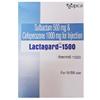
Bioraz-S Injection is a highly effective injectable antibiotic prescribed to treat a wide range of severe bacterial infections in the body. It is commonly used for serious infections of the lungs, urinary tract, skin, and abdomen. By targeting and eliminating the bacteria causing the illness, this medication helps your body recover from severe infections.
Because Bioraz-S Injection is given as an injection, it is typically administered at regular intervals by a healthcare professional in a hospital or clinic setting. Since it is injected directly into your system, its absorption does not depend on when you eat, but staying well-hydrated is highly recommended during your treatment. Making simple lifestyle adjustments, such as getting plenty of rest and eating a balanced diet, can also help support your body's immune system as it heals.
While taking Bioraz-S Injection, some people may experience mild side effects like nausea, loose stools, or irritation at the injection site. However, you should contact your doctor immediately if you experience severe symptoms, such as watery or bloody diarrhoea, intense stomach cramps, or signs of a serious allergic reaction.
Before starting treatment, it is vital to tell your doctor if you have any pre-existing health conditions, especially kidney problems, liver damage, or a history of bleeding disorders. Do not take this if you have had a severe allergic reaction to penicillin or similar antibiotic medications in the past.
Bioraz-S Injection can interact with certain substances, such as alcohol, which can cause severe vomiting, sweating, and a rapid heartbeat. Be sure to inform your healthcare team about all other medicines you are taking, including blood thinners, and consult your doctor if you are pregnant, breastfeeding, or caring for an elderly patient who needs this medicine.
Uses of Bioraz-S Injection
Bioraz-S Injection is used in the treatment of bacterial infections. The detailed uses of Bioraz-S Injection are as follows:
- Severe respiratory tract infections: Bioraz-S Injection helps clear deep-seated lung infections like severe pneumonia by destroying the bacteria responsible for the inflammation.
- Intra-abdominal infections: It treats complex infections inside the stomach and abdomen, such as peritonitis, helping to prevent the spread of bacteria.
- Urinary tract infections (UTIs): Bioraz-S Injection is used to treat complicated infections of the kidneys and bladder when standard oral antibiotics may not be strong enough.
- Skin and soft tissue infections: It helps heal severe, deep, or spreading skin infections, including those that occur after surgery or major wounds.
- Bloodstream infections (sepsis): It targets dangerous bacterial infections that have entered the blood, helping to control the infection quickly and prevent life-threatening complications.
Key Benefits
Bioraz-S Injection helps treat a wide range of serious bacterial infections by stopping the spread of infection and supporting your body's recovery. As the infection comes under control, symptoms such as fever, pain, swelling, and discomfort gradually improve, helping you feel better and regain your strength.
Benefits may include:
- Helps treat a wide range of serious bacterial infections.
- Reduces symptoms such as fever, pain, swelling, and discomfort caused by infection.
- Supports faster recovery by effectively controlling bacterial growth.
- Helps treat infections caused by bacteria that may be resistant to certain antibiotics.
- Improves overall health by preventing the infection from spreading or worsening.
- Provides reliable treatment for severe infections when used under medical supervision.
- Talk to your doctor about medicines to manage neutropenia based on the underlying cause.
- Avoid contact with people who are sick.
- Wash your hands regularly with soap and water.
- Avoid unpasteurized dairy products.
- Boost your immunity by including immune rich foods in your diet and always remember to stay hydrated.
- Get sufficient sleep and manage stress which helps in improving white blood cell count.
- Consult your doctor for an effective treatment to improve the blood cell count and get regular body check up to monitor changes in the count.
- Try to prevent the factors that cause a decrease in the white blood cells that may lead to impaired immunity.
- Stay hydrated by taking fluids like water, juices and soups etc.
- Eat fruits and vegetables which contain vitamins.
- Take iron rich food like dry fruits, green leafy vegetables and sea food etc.
- Reduce intake of milk, cheese, yogurt, soy, chocolate, ice cream, Grapes, Popcorn, canned salmon, pomegranate.
- Regular exercise like walking, jogging is helpful.
- Inform your doctor if you experience low hematocrit symptoms such as exhaustion, weakness, or pale complexion. Your doctor will diagnose the problem and recommend appropriate treatment.
- Increase iron intake with iron-rich foods like red meat, poultry, fish, beans, and fortified cereals.
- Consume vitamin C-rich foods such as citrus fruits, bell peppers, and tomatoes to improve iron absorption.
- Avoid tea and coffee since they can interfere with iron absorption.
- Don't smoke because it lowers the creation of red blood cells.
- Consume beetroot juice, as it is rich in iron and supports red blood cell production.
- Managing a low platelet count (thrombocytopenia) caused by medication usage requires a multi-step approach. Here are some steps to help manage the condition:
- Inform your doctor about your low platelet count and medication usage. They will assess the situation and guide the best course of action.
- Your doctor may recommend adjusting or stopping the medication that is causing a low platelet count. This could involve switching to alternative medication or reducing the dosage.
- Monitor your platelet count regularly through blood tests to track any changes. This will help the doctor determine the effectiveness of the treatment plan.
- If an underlying condition, such as infection or inflammation, contributes to the low platelet count, your doctor will treat it.
- In some cases, alternative treatments like platelet transfusions or medications that stimulate platelet production may be necessary.
- Avoid risky activities and certain medications; eat a balanced diet with plenty of water to reduce bleeding risk and boost overall health.
- If you experience severe bleeding or bruising, seek emergency medical attention immediately.
Directions for Use
- Bioraz-S Injection must be injected either into a vein (intravenously) or deep into a muscle (intramuscularly).
- A trained healthcare provider, such as a doctor or nurse, will typically prepare and inject this medication for you in a medical setting.
- Always receive this medicine exactly at the times scheduled by your doctor to keep a steady level of the drug in your body.
- If you are cleared to inject this medication at home, make sure you receive thorough training from a healthcare professional on how to prepare and inject it safely.
- Never use the medicine if the liquid looks cloudy, discoloured, or contains visible particles.
How Bioraz-S Injection Works

Alcohol
Caution
Avoid the intake of alcohol while on treatment with Bioraz-S Injection, as it may increase side effects.

Pregnancy
Caution
Please consult your doctor if you are pregnant, your doctor will prescribe Bioraz-S Injection only if the benefits outweigh the risks.

Breast Feeding
Caution
Bioraz-S Injection should be used with caution and only under a doctor's advice if you are a lactating mother. Please seek medical advice for more information.

Driving
Caution
Bioraz-S Injection may cause dizziness in some people, so it may affect your ability to drive.

Liver
Caution
Dose adjustment may be needed. Please consult your doctor before taking Bioraz-S Injection if you have liver impairment/liver disease.

Kidney
Caution
Dose adjustment may be needed. Please consult your doctor if you have any concerns regarding this or if you have kidney impairment/kidney disease before taking Bioraz-S Injection.

Children
Safe if prescribed
Bioraz-S Injection should be given to children only when prescribed by a doctor. The doctor decides the right dose for a child based on his/her age and weight.

Heart
Consult your doctor
Please inform your doctor if you have any pre-existing heart problems.

Geriatrics
Consult your doctor
Limited information available for use of Bioraz-S Injection in elderly patients. Please consult your doctor.
What if I have taken an overdose of Bioraz-S Injection
Diet & Lifestyle Advise
- Stay hydrated: Drink plenty of water throughout the day to help your kidneys flush out the medication safely.
- Support your gut: Antibiotics can temporarily upset your gut bacteria. Talk to your doctor about eating probiotic-rich foods, like yoghurt, or taking a probiotic supplement after finishing your treatment.
- Avoid alcohol completely: Do not drink alcohol while receiving this medication and for at least three days after your final dose to avoid severe, unpleasant physical reactions.
- Get adequate rest: Give your body plenty of time to sleep and recover so your immune system can work efficiently.

Have a query?
How Soon It Starts Working
- The time required for Bioraz-S Injection to start to work: Bioraz-S Injection ideally shows its action within 15 minutes to 2 hours after administration.
- The time for which the effects of Bioraz-S Injection last: The duration of action for Bioraz-S Injection is not clinically established.
What if you forget to take Bioraz-S Injection
Storage
- Store in a cool and dry place away from sunlight.
- Keep out of sight and reach of children.
- Non cold chain - To be stored in cool places at 10ºC to 25ºC or below 30ºC.
Drug Warnings
- Check the medicine before use: Make sure the solution is clear and free of floating particles before it is given. Do not use it if it looks cloudy, discoloured, or contains particles.
- Complete the full course: Continue your treatment for the full time prescribed, even if you start feeling better. Stopping early may allow the infection to return or become harder to treat.
- Avoid alcohol: Do not drink alcohol during treatment and for 72 hours after your last injection. Drinking alcohol can cause flushing, nausea, vomiting, and a fast heartbeat.
- Tell your doctor about bleeding problems: Inform your doctor if you have a bleeding disorder or take blood-thinning medicines before starting treatment. This medicine may affect how your blood clots.
- Watch for severe diarrhoea: Contact your doctor immediately if you develop severe, watery, or bloody diarrhoea during or after treatment. This may be a sign of a serious bowel infection (Clostridium difficile infection) that needs prompt medical attention.
- Use with extra care in children and older adults: Children and older adults may need different doses or closer monitoring while receiving this medicine. Always use it exactly as prescribed by your doctor.
- Dispose of needles safely: Place used needles and syringes in a puncture-resistant sharps container. Never reuse or throw them into regular household waste.
- Attend recommended tests: Your doctor may recommend regular liver and kidney function tests and blood clotting tests (such as PT/IR) during treatment, especially if you need this medicine for several days or have underlying medical conditions.
Drug-Drug Interactions


Drug-Drug Interaction Summary:
- Blood thinners (e.g., warfarin, apixaban): Combining these medicines with Bioraz-S Injection can increase your risk of bleeding, requiring close monitoring of your clotting times.
- Water pills/loop diuretics (e.g., furosemide, bumetanide): Taking these medicines alongside this antibiotic may increase the risk of strain or damage to your kidneys.
- Other antibiotics (e.g., gentamicin, amikacin): Certain other antibiotics can interact with this medicine or increase the risk of side effects.
Drug-Drug Interactions
Login/Sign Up
When BCG vaccine is used with Cefoperazone, its effectiveness may be reduced.
How to manage the interaction:
Taking cefoperazone with BCG vaccine is not recommended, but can be taken together if prescribed by a doctor. However, consult your doctor if you experience any unusual symptoms. To ensure an adequate response to your cancer treatment, you should not receive BCG until after you complete your antibiotic therapy. Do not discontinue any medications without consulting a doctor
Taking Cefoperazone and Rifampicin together may increase the risk of bleeding.
How to manage the interaction:
Although there is an interaction between cefoperazone and rifampicin, they can be taken together if prescribed by a doctor. However, if you experience vomiting, blood in your urine or stools, headache, dizziness, or weakness, contact a doctor immediately. Do not discontinue any medications without consulting a doctor.
Drug-Food Interactions
Drug-Food Interaction Summary:
Alcohol: Drinking alcohol while using this medicine causes a severe chemical reaction, leading to flushing, headache, nausea, vomiting, and a racing pulse.
Drug-Food Interactions
Login/Sign Up

All Substitutes & Brand Comparisons


FAQs
Disclaimer
Author Details


Reference
- MIMS Drug Reference Compendium. Special Precautions Monograph. Singapore: MIMS; 2025. [Accessed on 02 Jun. 2026]Check here
- Sterile cefoperazone. 2015. [Accessed on 09 Apr. 2019]Check here
- PubChem PubChem. [Accessed on 09 Apr. 2019]Check here
- CDSCO [Internet]. Cdscoonline.gov.in. 2021 [Accessed on 21 July 2021]Check here
- Pil Cefozone Sulbactamcefoperazone Inj. [Accessed on 02 Jun. 2026]Check here
Country of origin
Therapeutic Class
Habit Forming