
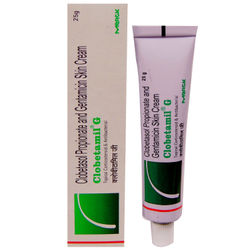
Clobetamil G Cream 20 gm




₹50.5
 ₹8.0Cashback (15%)
(Inclusive of all Taxes)
₹35 with coupons & bank offers*
 Offers & Discounts
Get Free delivery (₹99) with


Delivery Information
More about the Product
Composition :
Manufacturer/Marketer :
Consume Type :
Expires on or after :
Return Policy :
About Clobetamil G Cream
Clobetamil G Cream is a prescription topical medication used to treat inflammatory skin conditions that have a bacterial infection or are at a high risk of developing one. It helps relieve symptoms like severe itching, redness, swelling, and scaling associated with eczema, psoriasis, or dermatitis while clearing the underlying bacterial infection.
To get the best results, you should apply Clobetamil G Cream consistently at the exact times recommended by your doctor, usually once or twice daily. Because this is a topical cream, it does not need to be used with food, but you should apply it only to clean, dry skin. Making simple lifestyle adjustments, such as wearing loose cotton clothing and avoiding known skin irritants, can significantly support your skin's recovery.
While using Clobetamil G Cream, you may notice mild local reactions such as a slight burning or stinging sensation where you applied the cream. However, if you experience more serious issues like severe skin thinning, stretch marks, skin colour changes, or signs of a spreading skin infection, you should contact your doctor right away.
Before starting this treatment, tell your doctor if you have skin thinning, poor blood circulation, or a weakened immune system. Do not use this cream if you have viral skin infections (like shingles or herpes), fungal infections, tuberculosis of the skin, or if you are allergic to any of its ingredients.
Although topical absorption is generally low, using other topical steroid creams at the same time can increase your risk of side effects. It is highly recommended that pregnant women, breastfeeding mothers, and elderly patients consult their healthcare provider before using this medicine to ensure it is completely safe for their specific situation.
Uses of Clobetamil G Cream
Your doctor may prescribe this medicine to treat several conditions, including:
- Infected eczema and dermatitis: Clobetamil G Cream reduces the intense itching and swelling of eczema while killing the complicating bacterial infection.
- Infected psoriasis: It helps clear up stubborn, scaly plaques and manages any secondary bacterial infections in the affected areas.
- Inflammatory skin infections: It targets both the underlying inflammation (redness, warmth, swelling) and the bacterial pathogens causing the infection.
Key Benefits
- Clobetamil G Cream provides targeted skin relief by addressing inflammation and bacterial infection at the affected area. By reducing irritation and supporting skin repair, this medicine offers several key health benefits:
- Rapid Relief from Itching and Skin Inflammation: Clobetamil G Cream helps calm irritated, inflamed skin, reducing itching and discomfort so you can sleep better and carry out daily activities more comfortably.
- Faster Healing of Infected Skin: By treating both inflammation and bacterial infection together, Clobetamil G Cream supports the healing of cracked, damaged, or oozing skin and helps prevent the condition from worsening.
- Restoration of the Skin Barrier: Clobetamil G Cream helps repair and protect the skin’s natural barrier, reducing further irritation and lowering the risk of complications such as scarring caused by repeated scratching.
- Avoid extreme heat or cold, like hot showers or cold winds, to prevent worsening skin discomfort.
- Cool compresses: To reduce itch, redness, and swelling.
- Avoid irritants like harsh chemicals or allergens to prevent worsening skin discomfort.
- If you have severe itching, burning, or blistering seek medical attention.
- Mild hair follicle inflammation often heals on its own without needing treatment.
- You can apply a warm saltwater or vinegar solution to the affected area with a washcloth, or use over-the-counter antibiotics, oatmeal lotion, or hydrocortisone cream for relief.
- Avoid making the affected area worse by not shaving, scratching, or wearing tight clothes.
- Apply a warm compress to the area 3-4 times a day for 15-20 minutes to help speed up healing.
- Do not scratch, squeeze, or pop any bumps, as this may lead to infection or other problems.
- If self-care methods fail, consult a doctor for further treatment and advice.
- Shield your skin from the sun by using sunscreen, seeking shade, and wearing protective clothing.
- Please don't smoke, as it damages the skin and reduces blood flow.
- Treat your skin gently by limiting bath time, using mild cleansers, and shaving carefully.
- Eat a healthy diet of fruits, vegetables, whole grains, and lean proteins.
- Stay hydrated by drinking plenty of water.
- Manage stress through sleep, exercise, meditation, and enjoyable activities.
- Additionally, use moisturizers to coat your skin with a protective barrier, and consider wearing sun-protective clothing.
- Apply moisturizer immediately after showering or bathing.
- Use a moisturizer containing lanolin, petroleum jelly, glycerine, hyaluronic acid or jojoba oil.
- Do not use hot water for bathing. Instead use warm water and limit showers and bath to 5 to 10 minutes.
- Apply a sunscreen with SPF-30 or higher.
- Avoid harsh soaps, detergents and perfumes.
- Do not scratch or rub the skin.
- Drink adequate water to prevent dehydration.
- Wear pants, full sleeves and a wide-brimmed hat while going out in the sun.
- Hydrate your body: Drink enough water to prevent dehydration and headaches.
- Calm Your Mind: Deep breathing and meditation can help you relax and relieve stress.
- Rest and Recharge: Sleep for 7-8 hours to reduce headache triggers.
- Take rest: lie down in a quiet, dark environment.
- Cold or warm compresses can help reduce tension.
- Stay Upright: Maintain good posture to keep symptoms from getting worse.
- To treat headaches naturally, try acupuncture or massage therapy.
- Over-the-counter pain relievers include acetaminophen and ibuprofen.
- Prescription Assistance: Speak with your doctor about more substantial drug alternatives.
- Severe Headaches: Seek emergency medical assistance for sudden, severe headaches.
- Frequent Headaches: If you get reoccurring headaches, consult your doctor.
- Headaches with Symptoms: Seek medical attention if your headaches include fever, disorientation, or weakness.
Directions for Use
Always use this medicine exactly as your doctor has instructed. Follow these step-by-step guidelines:
- Wash your hands thoroughly with soap and water before and after application.
- Clean and dry the affected skin area gently.
- Apply a thin film of the cream to the affected area and rub it in gently as directed by your doctor.
- Do not cover the treated area with bandages, dressings, or wraps unless specifically told to do so by your doctor, as this can increase absorption and the risk of side effects.
- Avoid getting the cream in your eyes, nose, or mouth. If contact occurs, rinse thoroughly with cool water.
Always follow your doctor's exact instructions regarding how long to use this medication. Do not apply more than prescribed, or use it for longer than advised.
How Clobetamil G Cream Works

Alcohol
Caution
It is not known whether Clobetamil G Cream interacts with alcohol. Please consult your doctor.

Pregnancy
Caution
Consult your doctor if you are pregnant; your doctor will prescribe only if the benefits outweigh the risks.

Breast Feeding
Caution
Do not apply Clobetamil G Cream on the chest if you are breastfeeding. Please consult your doctor if you have any concerns regarding this, your doctor will decide whether Clobetamil G Cream can be used by breastfeeding mothers or not.

Driving
Safe if prescribed
Clobetamil G Cream has no or negligible influence on the ability to drive or use machines.

Liver
Caution
Please consult your doctor if you have any concerns regarding the usage of Clobetamil G Cream in patients with liver impairment.

Kidney
Caution
Please consult your doctor if you have any concerns regarding the usage of Clobetamil G Cream in patients with kidney impairment.

Children
Caution
Clobetamil G Cream should be used with caution in children, only when prescribed by a child specialist.

Heart
Consult your doctor
Please consult your doctor before using Clobetamil G Cream if you have pre-existing heart problems. Your doctor will prescribe Clobetamil G Cream if the benefits outweigh the risks.

Geriatrics
Consult your doctor
Please consult a doctor before giving Clobetamil G Cream to geriatric patients. Your doctor will prescribe Clobetamil G Cream if the benefits outweigh the risks
What if I have taken an overdose of Clobetamil G Cream
Diet & Lifestyle Advise
- Wear loose clothing: Choose soft, breathable fabrics like cotton to prevent friction and sweat buildup, which can worsen skin irritation and infections.
- Avoid scratching: Keep your fingernails short and clean. Scratching damages the skin barrier further and can introduce new bacteria, delaying your recovery.
- Moisturise safely: Use mild, fragrance-free moisturisers on non-infected areas of your skin to maintain hydration, but check with your doctor before applying other products directly over the treated area.
- Take lukewarm baths: Avoid hot showers or baths, as hot water strips natural oils from your skin and can trigger severe itching and redness. Use mild, soap-free cleansers.

Have a query?
How Soon It Starts Working
The time required for Clobetamil G Cream to start to work: The time required for Clobetamil G Cream to show its action is unknown. The time for which the effects of Clobetamil G Cream last: The duration of action for Clobetamil G Cream is unknown.
What if you forget to take Clobetamil G Cream
Storage
Drug Warnings
- Do not apply this cream to your face, groin, or underarms unless explicitly instructed by your doctor, as these skin areas are thin and absorb the medication much faster.
- Inspect the cream before use; do not use it if the tube is punctured, leaking, or if the cream has changed color or developed an unusual smell.
- Do not use this medication for more than 2 consecutive weeks unless directed by your healthcare provider, to prevent skin thinning or adrenal gland suppression.
- Avoid applying the cream to open wounds, deep cuts, or severely burned skin.
- If your skin condition does not improve within a few days of starting treatment, or if it gets worse, contact your doctor for advice.
- GENTAMICIN is a topical antibiotic and should not be used longer than recommended by your doctor or as a preventive treatment for repeated skin infections.
- Use of GENTAMICIN in children should be based on medical advice. Safety and effectiveness may vary depending on the child’s age and the condition being treated.
- It is generally avoided in very young children, including infants below 1 year, unless specifically prescribed by a doctor.
- Treatment duration should be kept as short as possible to reduce the risk of side effects and antibiotic resistance.
Drug-Drug Interactions


Drug-Drug Interaction Summary:
Inform your doctor if you are taking any of the following medicines, as they may interact.
- Other topical corticosteroids: Using other steroid creams or ointments at the same time can increase the risk of skin thinning and systemic absorption.
- Oral corticosteroids: Combining this topical treatment with oral steroids can increase the risk of system-wide side effects, such as adrenal gland suppression.
Drug-Drug Interactions
Login/Sign Up
Drug-Food Interactions
Drug-Food Interactions
Login/Sign Up

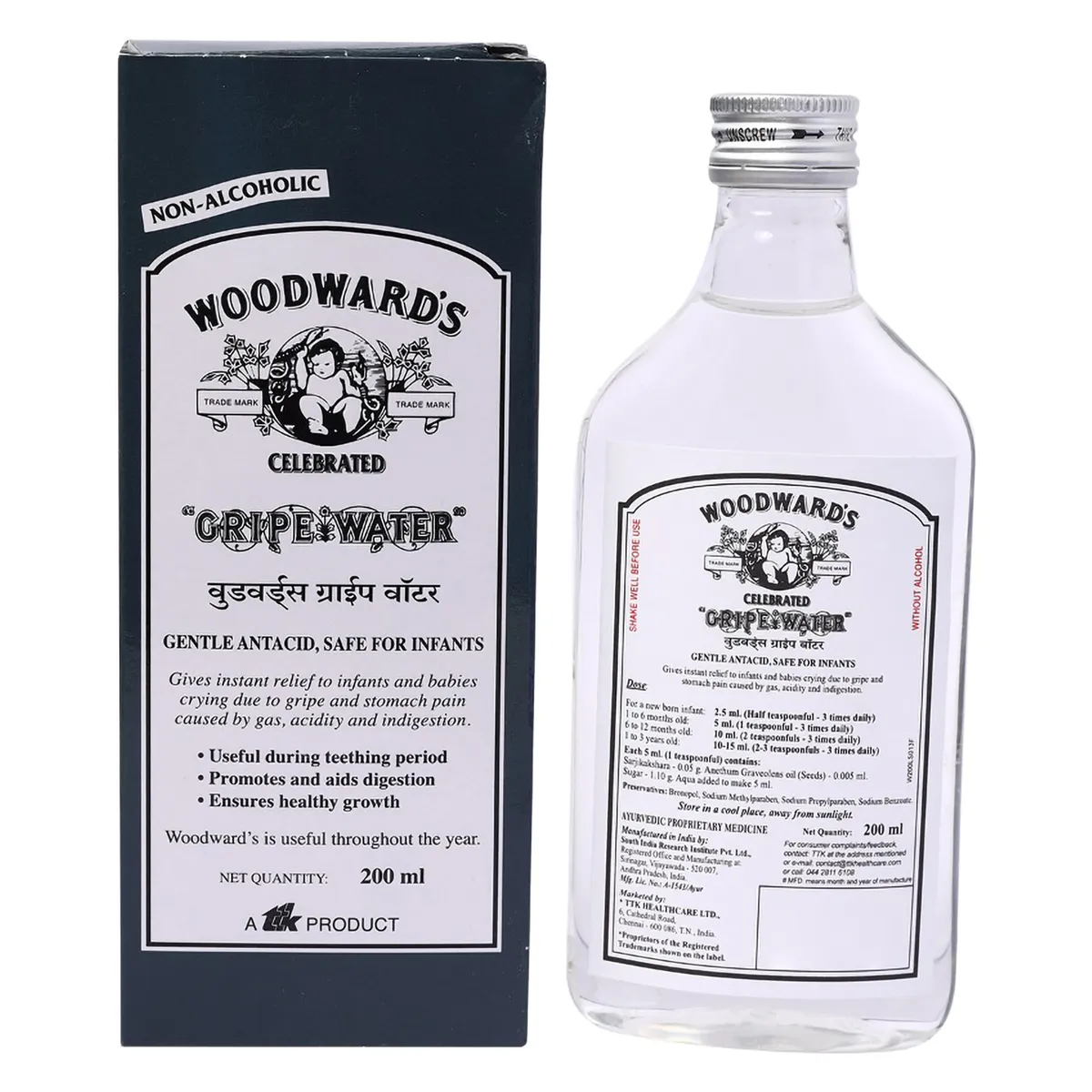
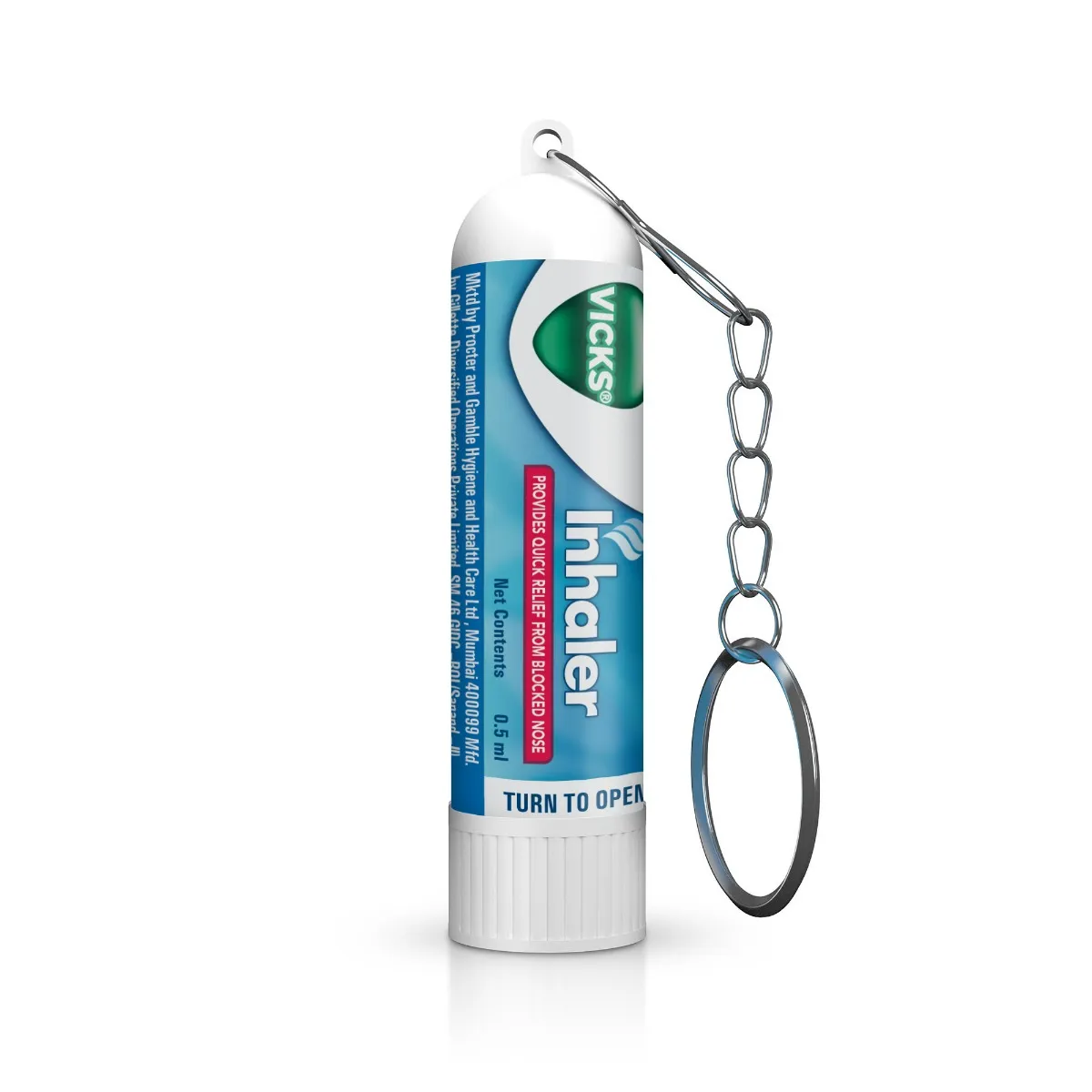
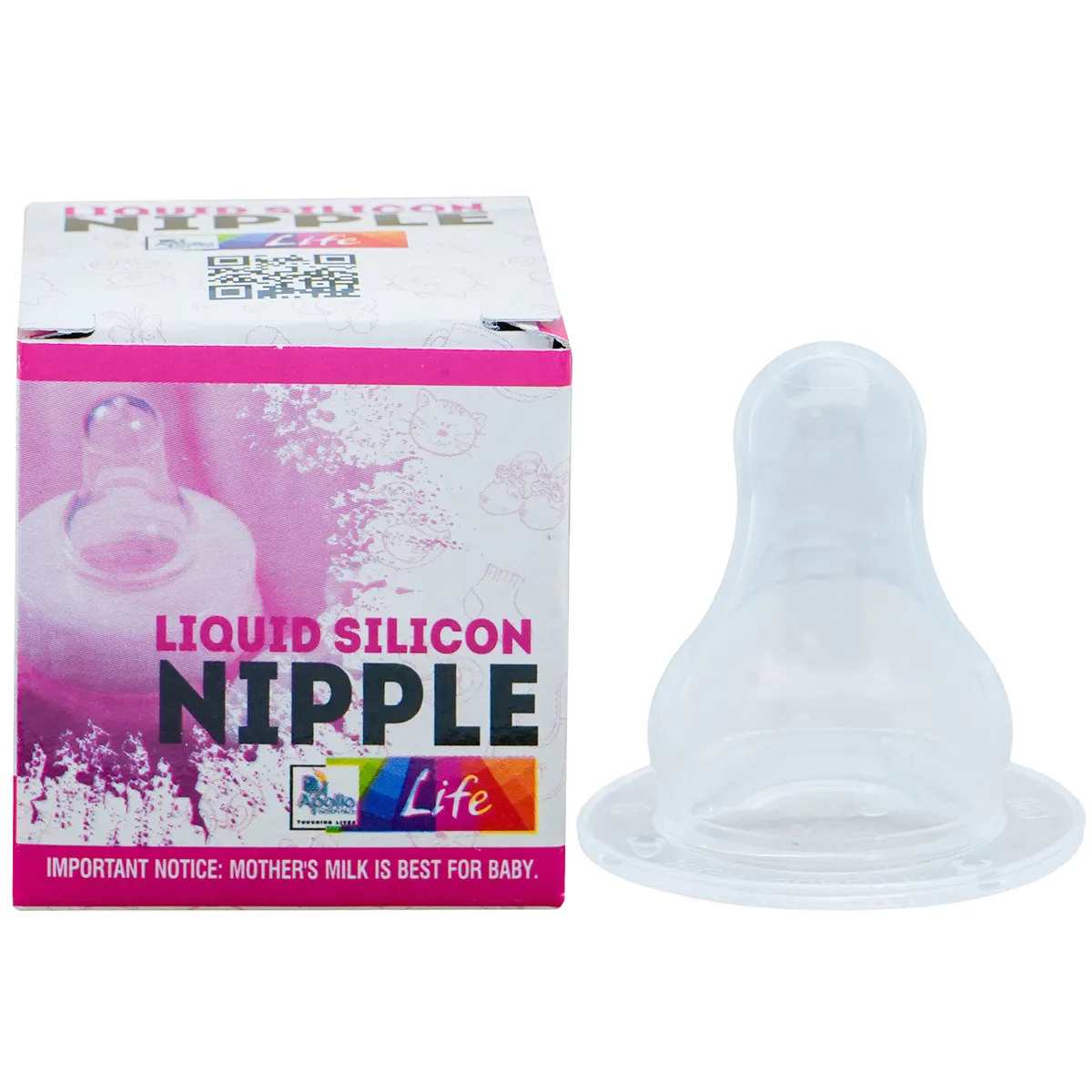
All Substitutes & Brand Comparisons



FAQs
Disclaimer
Author Details


Reference
- Drugs.com Clinical Review Team. Clobetasol Topical Clinical Drug Monograph. Auckland, NZ: Drugs.com; 2026. [Accessed on 02 Jun. 2026]Check here
- Drugs.com Clinical Review Team. Gentamicin Topical Clinical Drug Monograph. Auckland, NZ: Drugs.com; 2026. [Accessed on 02 Jun. 2026]Check here
- Drugs.com Clinical Review Team. Clobetasol Propionate 0 05 W W Cream Leaflet Clinical Drug Monograph. Auckland, NZ: Drugs.com; 2026. [Accessed on 02 Jun. 2026]Check here
- Clobetasol Clobetasol. 1993. [Accessed on 04 Apr. 2019]Check here
- Clobetasol Clobetasol. 1994. [Accessed on 04 Apr. 2019]Check here
- ScienceDirect ScienceDirect. [Accessed on 31 Mar. 2019]Check here
- PubChem PubChem. [Accessed on 31 Mar. 2019]Check here
Country of origin
Manufacturer/Marketer address
Therapeutic Class
Habit Forming

