apollo
logo
0
Select Delivery Location
prescriptionPrescription Medicine
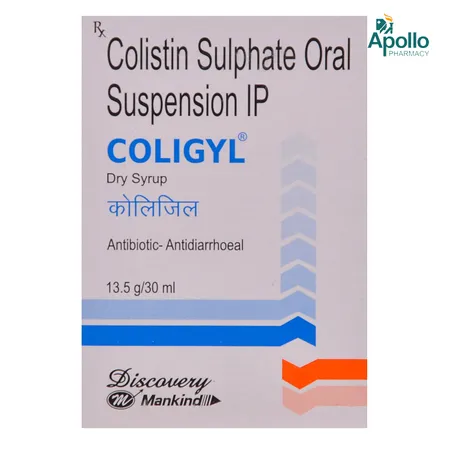
Coligyl Dry Syrup is used to treat bacterial infections. It contains Colistin Sulphate which works by killing infection-causing bacteria. In some cases, this medicine may cause side effects such as dizziness, upset stomach, rash, diarrhoea, vertigo (spinning sensation), paresthesia (tingling or pricking sensation) and slurred speech. Before taking this medicine, inform the doctor if you are pregnant or breastfeeding, taking any other medication, or have any pre-existing medical conditions.
Read more
Written By Veda Maddala , M Pharmacy
Reviewed By Dr Aneela Siddabathuni , MPharma., PhD
OffersOffers & Discounts

Get Free delivery (₹99) with circle icon

Join Circle
coupon
Get 18% Off with Coupons
coupon
coupon
coupon
Extra 10% Off with Bank Offers

More about the Product

Manufacturer/Marketer :

Mankind Pharma Pvt Ltd

Consume Type :

Oral

Expires on or after :

Jan-27

Return Policy :

Not Returnable

About Coligyl Dry Syrup

Coligyl Dry Syrup belongs to the class of medications called ‘antibiotics’ used to treat bacterial infections caused by susceptible Gram-negative bacteria. Bacterial infections are caused by the multiplication of harmful bacteria inside or on the body. These harmful bacteria produce chemicals known as toxins, which can damage tissue and make you sick. Symptoms of bacterial infection vary depending on the organ affected by bacteria.

Coligyl Dry Syrup contains Colistin Sulphate. Colistin effectively solubilizes the bacterial cell membrane, resulting in bacterial cell death. As a result, Coligyl Dry Syrup destroys the bacteria and successfully treats the infection.

Take Coligyl Dry Syrup as prescribed by your doctor. Depending on your medical condition, you are advised to take Coligyl Dry Syrup for as long as your doctor prescribes it. Sometimes, you may experience common side effects like dizziness, upset stomach, rash, diarrhoea, vertigo (spinning sensation), paresthesia (tingling or pricking sensation) and slurred speech. But these side effects are usually in the initial phase and resolve over time. However, if these side effects persist, let your doctor know.

Before receiving Coligyl Dry Syrup, let your doctor know about all your medical conditions, sensitivities, and all medications you are using. And also, inform your doctor if you are pregnant, planning pregnancy, or breastfeeding. Coligyl Dry Syrup can cause blurred vision and dizziness in some people; if this occurs, do not drive or operate tools or machinery. It is recommended not to consume any alcoholic beverages while on treatment with this medicine.

Uses of Coligyl Dry Syrup

Coligyl Dry Syrup is used in the treatment of severe bacterial infections. The detailed uses of Coligyl Dry Syrup are as follows:

  • Treats Multidrug-Resistant Gram-Negative Bacterial Infections: Coligyl Dry Syrup is effective against severe infections caused by gram-negative bacteria (GNB) that are resistant to regular antibiotics, such as Klebsiella, Pseudomonas, Acinetobacter, and Enterobacteriaceae species.
  • Manages Intestinal Infections: Coligyl Dry Syrup may be used to treat intestinal infections caused by susceptible bacteria, especially in cases of diarrhoea or dysentery due to GNB like Escherichia coli or Shigella.
  • Used as Part of the Selective Digestive Tract Decontamination: Coligyl Dry Syrup is used to reduce the risk of secondary bacterial infections in critically ill patients by suppressing the growth of harmful bacteria in the gut.

Have a query?

Directions for Use

  • Coligyl Dry Syrup can be taken with or without food as advised by your doctor.
  • Follow your doctor's instructions regarding the dosage and duration of the medication.
  • Check the label for instructions. Mix Coligyl Dry Syrup with the recommended amount of water, stir well, and administer the prescribed dose.
  • Shake well before use.

Key Benefits

Coligyl Dry Syrup contains Colistin Sulphate, which is used for treating acute or chronic infections due to sensitive strains of certain gram-negative bacilli, particularly Pseudomonas aeruginosa. Colistin sulphate effectively solubilizes the bacterial cell membrane, resulting in bacterial cell death. As a result, Coligyl Dry Syrup destroys the bacteria and successfully treats the infection.

How Coligyl Dry Syrup Works

Coligyl Dry Syrup contains Colistin Sulphate. Colistin effectively solubilizes the bacterial cell membrane, resulting in bacterial cell death. As a result, Coligyl Dry Syrup destroys the bacteria and successfully treats the infection.

Storage

Store in a cool and dry place away from sunlight
Side effects of Coligyl Dry Syrup 30 ml
Here are the precise steps to cope with diarrhoea caused by medication usage:
  • Inform Your Doctor: Notify your doctor immediately about your diarrhoea symptoms. This allows them to adjust your medication or provide guidance on managing side effects.
  • Stay Hydrated: Drink plenty of fluids to replace lost water and electrolytes. Choose water, clear broth, and electrolyte-rich drinks. Avoid carbonated or caffeinated beverages to effectively rehydrate your body.
  • Follow a Bland Diet: Eat easy-to-digest foods to help firm up your stool and settle your stomach. Try incorporating bananas, rice, applesauce, toast, plain crackers, and boiled vegetables into your diet.
  • Avoid Trigger Foods: Steer clear of foods that can worsen diarrhoea, such as spicy, fatty, or greasy foods, high-fibre foods, and dairy products (especially if you're lactose intolerant).
  • Practice Good Hygiene: Maintain good hygiene to prevent the spread of infection. To stay healthy, wash your hands frequently, clean and disinfect surfaces regularly, and avoid exchanging personal belongings with others.
  • Take Anti-Diarrheal Medications: If your doctor advises, anti-diarrheal medications such as loperamide might help manage diarrhoea symptoms. Always follow your doctor's directions.
  • Keep track of your diarrhoea symptoms. If they don't get better or worse or are accompanied by severe stomach pain, blood, or dehydration signs (like extreme thirst or dark urine), seek medical help.
  • Drink water or other clear fluids.
  • To prevent worsening of pain, limit intake of tea, coffee, or alcohol.
  • Include bland foods like rice, toast, crackers, and rice in your diet.
  • Avoid lying down immediately after eating as it may cause indigestion or heartburn.
  • Avoid acidic and spicy food as it may cause indigestion.
To prevent, manage, and treat Constipation caused by medication usage, follow these steps:
  • Preventing Vomiting (Before it Happens)
  • Take medication exactly as prescribed by your doctor. This can help minimize side effects, including vomiting.
  • Having a small meal before taking your medication can help reduce nausea and vomiting.
  • Talk to your doctor about taking anti-nausea medication along with your prescribed medication.
  • Managing Vomiting (If it Happens)
  • Try taking ginger in the form of tea, ale, or candy to help alleviate nausea and vomiting.
  • What to Do if Vomiting Persists
  • Consult your doctor if vomiting continues or worsens, consult the doctor for guidance on adjusting your medication or additional treatment.
Here are the steps to cope with constipation as a side effect of medication:
  • Inform your doctor about your constipation symptoms. They may adjust your medication or advise alternative treatments.
  • Stay hydrated by drinking sufficient of water (at least 8-10 glasses a day) to help soften stool and promote bowel movements.
  • Increase fibre intake by eating foods high in fibre, such as fruits, whole grains, vegetables and legumes, to help bulk up the stool.
  • Establish a bowel routine by trying to go to the bathroom at the same time each day to train your bowels.
  • Engaging in regular exercise, like walking or yoga, can support in bowel movement stimulation.
  • Consult your doctor if constipation persists, and discuss alternative treatments or adjustments to your medication.
Overcome Medication-Induced Nausea: A 9-Step Plan
  • Inform your doctor about the nausea and discuss possible alternatives to the medication or adjustments to the dosage.
  • Divide your daily food intake into smaller, more frequent meals to reduce nausea.
  • Opt for bland, easily digestible foods like crackers, toast, plain rice, bananas, and applesauce.
  • Avoid certain foods that can trigger nausea, such as fatty, greasy, spicy, and smelly foods.
  • Drink plenty of fluids, such as water, clear broth, or electrolyte-rich beverages like coconut water or sports drinks.
  • Use ginger (tea, ale, or candies) to help relieve nausea.
  • Get adequate rest and also avoid strenuous activities that can worsen nausea.
  • Talk to your doctor about taking anti-nausea medication if your nausea is severe.
  • Record when your nausea occurs, what triggers it, and what provides relief to help you identify patterns and manage your symptoms more effectively.
  • Rest well; get enough sleep.
  • Eat a balanced diet and drink enough water.
  • Manage stress with yoga and meditation.
  • Limit alcohol and caffeine.
  • Physical activities like walking or jogging might help boost energy and make you feel less tired.

What if I have taken an overdose of Coligyl Dry Syrup

Avoid exceeding the recommended dose as it might cause an overdose. Seek immediate medical attention if you experience any unusual symptoms.

Drug Warnings

Before taking the Coligyl Dry Syrup, let your doctor know about all your medical conditions, sensitivities, and all medications you are using. Inform your doctor if you are pregnant, planning to become pregnant, or are breastfeeding before receiving Coligyl Dry Syrup. Also, inform your doctor if you have chronic kidney disease, myasthenia gravis (muscle disorder), and porphyria (a blood disorder). Do not abruptly discontinue taking the prescription since this may result in antibiotic resistance, a condition in which bacteria develop resistance to antibiotics.

Drug-Drug Interactions

verifiedApollotooltip
ColistinBCG vaccine
Critical

Drug-Drug Interactions

Login/Sign Up

ColistinBCG vaccine
Critical
How does the drug interact with Coligyl Dry Syrup 30 ml:
Coadministration of Coligyl Dry Syrup 30 ml along with BCG vaccine can reduce the treatment outcomes.

How to manage the interaction:
Taking Coligyl Dry Syrup 30 ml with BCG vaccine is avoided as it may lead to an interaction, please consult your doctor before taking it.
How does the drug interact with Coligyl Dry Syrup 30 ml:
Co-administration of Coligyl Dry Syrup 30 ml with Gentamicin can increase the levels and risk of Coligyl Dry Syrup 30 ml side effects.

How to manage the interaction:
Although there is a possible interaction between Coligyl Dry Syrup 30 ml and Gentamicin, you can take these medicines together if prescribed by your doctor. However, if you experience weight gain or loss suddenly, muscle pain, dizziness, or palpitations, call your doctor right away. Do not stop using any medications without a doctor's advice.
How does the drug interact with Coligyl Dry Syrup 30 ml:
Combining Coligyl Dry Syrup 30 ml with Tenofovir alafenamide may increase the risk of kidney problems.

How to manage the interaction:
Although there is a possible interaction between Coligyl Dry Syrup 30 ml and Tenofovir alafenamide, you can take these medicines together if prescribed by your doctor. However, consult a doctor if you experience an upset stomach, rash, dizziness, or fever. Do not stop using any medications without a doctor's advice.
How does the drug interact with Coligyl Dry Syrup 30 ml:
Coadministration of Rocuronium bromide with Coligyl Dry Syrup 30 ml may increase the side effects of Rocuronium bromide.

How to manage the interaction:
Although there is a possible interaction between Coligyl Dry Syrup 30 ml and Rocuronium bromide, you can take these medicines together if prescribed by your doctor. However, if you experience an upset stomach, Rash, Dizziness, or Fever, consult a doctor. Do not stop using any medications without a doctor's advice.
How does the drug interact with Coligyl Dry Syrup 30 ml:
Coadministration of Streptomycin with Coligyl Dry Syrup 30 ml may increase the risk of side effects.

How to manage the interaction:
Although there is a possible interaction between Coligyl Dry Syrup 30 ml and Streptomycin, you can take these medicines together if prescribed by your doctor. However, if you experience shortness of breath, muscle pain, dizziness, or palpitations, call a doctor right away. Do not stop using any medications without a doctor's advice.
ColistinPipecuronium bromide
Severe
How does the drug interact with Coligyl Dry Syrup 30 ml:
Coadministration of Pipecuronium bromide with Coligyl Dry Syrup 30 ml may increase the risk of side effects.

How to manage the interaction:
Although there is a possible interaction between Coligyl Dry Syrup 30 ml and pipecuronium bromide, you can take these medicines together if prescribed by your doctor. However, if you experience an upset stomach, Rash, Dizziness, or Fever, consult a doctor. Do not stop using any medications without a doctor's advice.
How does the drug interact with Coligyl Dry Syrup 30 ml:
Coadministration of Tobramycin with Coligyl Dry Syrup 30 ml can increase the blood levels and risk of Coligyl Dry Syrup 30 ml side effects.

How to manage the interaction:
Although there is a possible interaction between Coligyl Dry Syrup 30 ml and Tobramycin, you can take these medicines together if prescribed by your doctor. However, if you experience, shortness of breath, muscle pain, dizziness, or palpitations, contact your doctor immediately. Do not stop using any medications without a doctor's advice.
How does the drug interact with Coligyl Dry Syrup 30 ml:
Taking Human immunoglobulin with Coligyl Dry Syrup 30 ml, may raise the risk of kidney problems.

How to manage the interaction:
There may be a possibility of interaction between Human immunoglobulin and Coligyl Dry Syrup 30 ml, but it can be taken if prescribed by a doctor. However, if you experience nausea, vomiting, loss of appetite, increased or decreased urination, sudden weight gain or loss, fluid retention, swelling, shortness of breath, muscle cramps, tiredness, weakness, dizziness, confusion, or an irregular heart rhythm, consult a doctor. Do not discontinue any medications without consulting a doctor.
ColistinCisatracurium
Severe
How does the drug interact with Coligyl Dry Syrup 30 ml:
Coadministration of Cisatracurium with Coligyl Dry Syrup 30 ml may increase the risk of side effects of Cisatracurium.

How to manage the interaction:
Although there is a possible interaction of Cisatracurium with Coligyl Dry Syrup 30 ml, it can be taken if prescribed by your doctor. However, if you experience an upset stomach, Rash, Dizziness, Slurred speech, Vertigo, or Fever, consult a doctor. Do not stop using any medications without a doctor's advice.
How does the drug interact with Coligyl Dry Syrup 30 ml:
Coadministration of Coligyl Dry Syrup 30 ml with Amikacin can increase the risk of developing side effects.

How to manage the interaction:
Although there is a possible interaction between Coligyl Dry Syrup 30 ml and Amikacin, you can take these medicines together if prescribed by a doctor. Do not stop using any medications without a doctor's advice.

Drug-Food Interactions

verifiedApollotooltip
No Drug - Food interactions found in our database. Some may be unknown. Consult your doctor for what to avoid during medication.

Drug-Food Interactions

Login/Sign Up

Diet & Lifestyle Advise

  • After taking the full course of Coligyl Dry Syrup, probiotics should be taken to restore some of the healthy bacteria in the intestine that may have been killed. Taking probiotics after antibiotic treatment can reduce the risk of antibiotic-associated diarrhoea. Certain fermented foods like yoghurt, cheese, sauerkraut and kimchi can restore the intestine's good bacteria stink.
  • Include more fibre-enriched food in your diet, as it can be easily digested by gut bacteria, which helps stimulate their growth. Thus fibre foods may help restore healthy gut bacteria after taking a course of antibiotics. Whole grains, like whole-grain bread and brown rice, should be included in your diet.
  • Avoid taking many calcium-enriched foods and drinks as it might affect the working of Coligyl Dry Syrup.
  • Avoid intake of alcoholic beverages with Coligyl Dry Syrup as it can make you dehydrated and affect your sleep. This can make it harder for your body to aid the Coligyl Dry Syrup in fighting off infections.

Habit Forming

No

Therapeutic Class

[ANTI- BACTERIALS]

All Substitutes & Brand Comparisons

bannner image

Alcohol

Caution

Coligyl Dry Syrup is known to cause drowsiness. Taking alcohol along with it may increase drowsiness and cause excessive sleepiness.

bannner image

Pregnancy

Caution

Coligyl Dry Syrup should not be used in pregnancy unless necessary. Inform your doctor if you are pregnant or suspect pregnancy. Your doctor will weigh the benefits and potential risks before prescribing Coligyl Dry Syrup.

bannner image

Breast Feeding

Caution

Coligyl Dry Syrup should not be used in breastfeeding unless necessary. Inform your doctor if you are a breastfeeding mother. Your doctor will weigh the benefits and potential risks before prescribing Coligyl Dry Syrup.

bannner image

Driving

Caution

Coligyl Dry Syrup may cause dizziness, so do not drive or operate heavy machinery if you feel dizzy.

bannner image

Liver

Consult your doctor

Coligyl Dry Syrup should be used with caution if you have liver disease. Your doctor may adjust the dose based on your condition.

bannner image

Kidney

Consult your doctor

Coligyl Dry Syrup should be used with caution if you have kidney disease. Your doctor may adjust the dose or prescribe a suitable alternative based on your condition.

bannner image

Children

Caution

Coligyl Dry Syrup is probably safe when used in children who are above 40 kgs in weight. However, your child's doctor will adjust the dose based on the age, body weight and health condition of your child.

bannner image

Heart

Caution

Coligyl Dry Syrup should be taken with caution in patients with heart disease. Close monitoring of the patients should be done.

bannner image

Geriatrics

Caution

Coligyl Dry Syrup can be given in elderly patients with extreme caution, due to the cause of adverse effects like liver/kidney problems,or gastrointestinal problems.

FAQs

Coligyl Dry Syrup is used to treat bacterial infections.

Coligyl Dry Syrup contains Colistin Sulphate, an anti-bacterial medicine used to treat severe bacterial infections. It works by stopping the growth of bacterial cell walls, which is required for bacteria's growth and multiplication.

Before taking Coligyl Dry Syrup, let your doctor know if you have or ever had any problems related to your kidneys/liver or lungs (such as asthma). Also, mention all the other medicines you are taking to avoid any drug interaction.

No, Coligyl Dry Syrup does not treat cold and flu infections. It is used to treat severe bacterial infections and should be taken only if prescribed by a doctor.

After taking Coligyl Dry Syrup, you may have diarrhoea. Coligyl Dry Syrup is an antibiotic that kills or prevents bacterial growth. Some good intestinal bacteria that aid digestion might also be killed. So, drink plenty of fluids and take probiotics to prevent excessive loss of fluids from the body (dehydration). Consult the doctor if diarrhoea worsens, and never take anti-diarrhoea medication without consulting a doctor.

Coligyl Dry Syrup is safe for the elderly population, but if you have any kidney problem, then Coligyl Dry Syrup should be used with caution as it might lead to kidney complications and slow overall body processes. In such cases, inform your doctor before starting Coligyl Dry Syrup so that dose adjustment can be made.

Coligyl Dry Syrup may cause live bacterial vaccines (such as typhoid vaccine) not to work either. Do not have immunizations/vaccinations while using this medication unless your doctor tells you to.

Yes, Coligyl Dry Syrup is effective in the treatment of bacterial infections of the stomach, bowel, intestines, and diarrhoea.

If you forget to take a dose of Coligyl Dry Syrup, take it as soon as you remember. However, if it is almost time for the next dose, skip the missed dose and continue with your regular schedule.

Coligyl Dry Syrup should not be used in people who are allergic to any of its components. Consult the doctor if you have any concerns.

Coligyl Dry Syrup should be used during pregnancy only if advised by the doctor. You are recommended to consult your doctor before taking Coligyl Dry Syrup if you are pregnant.

Yes, Coligyl Dry Syrup is safe when used as prescribed by your doctor. However, it may cause some side effects like nausea, vomiting, loss of appetite, and stomach upset while using it.

The common side effects of Coligyl Dry Syrup may include nausea, vomiting, loss of appetite and stomach upset. Most of these side effects of Coligyl Dry Syrup do not require medical attention and gradually resolve over time. However, if the side effects persist or worsen, please consult your doctor.

Country of origin

India

Manufacturer/Marketer address

208, Okhla Industrial Estate, Phase III, New Delhi - 110020
Other Info - COL0115

Disclaimer

While we strive to provide complete, accurate, and expert-reviewed content on our 'Platform', we make no warranties or representations and disclaim all responsibility and liability for the completeness, accuracy, or reliability of the aforementioned content. The content on our platform is for informative purposes only, and may not cover all clinical/non-clinical aspects. Reliance on any information and subsequent action or inaction is solely at the user's risk, and we do not assume any responsibility for the same. The content on the Platform should not be considered or used as a substitute for professional and qualified medical advice. Please consult your doctor for any query pertaining to medicines, tests and/or diseases, as we support, and do not replace the doctor-patient relationship.

Author Details

Doctor imageWe provide you with authentic, trustworthy and relevant information

whatsapp Floating Button
Buy Now
Add to Cart