apollo
logo
0
Select Delivery Location
compositionComposition:DABIGATRAN-150MG
prescription
Prescription Medicine
info

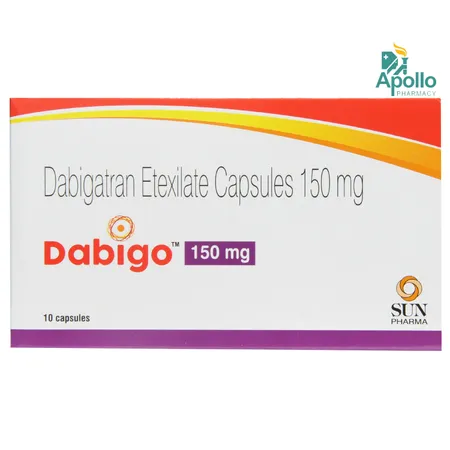
Dabigo 150 mg Capsule is used to prevent blood clot formation. It contains Dabigatran, which works by inhibiting the production of clotting factors and makes your blood flow easily through your veins. It may cause side effects such as bleeding, anaemia (low number of red blood cells), nausea, stomach pain, and indigestion. Before taking this medicine, you should tell your doctor if you are allergic to any of its components or if you are pregnant/breastfeeding, and about all the medications you are taking and pre-existing medical conditions.

Read more
Written By Bayyarapu Mahesh Kumar , M Pharmacy
Reviewed By Dr Aneela Siddabathuni , MPharma., PhD
OffersOffers & Discounts

Get Free delivery (₹99) with circle icon

Join Circle
Get Extra 18% Off with Coupons
Extra 10% Off with Bank Offers
bank offer
bank offer
bank offer

More about the Product

Composition :

DABIGATRAN-150MG

Manufacturer/Marketer :

Sun Pharmaceutical Industries Ltd

Consume Type :

Oral

Expires on or after :

Jan-27

Return Policy :

Not Returnable

About Dabigo 150 mg Capsule

Dabigo 150 mg Capsule is a prescription medication used to reduce the risk of stroke and blood clots in people with a heart rhythm disorder called non-valvular atrial fibrillation. It is also prescribed to treat and prevent deep vein thrombosis (blood clots in the deep veins, usually of the leg) and pulmonary embolism (blood clots in the lungs). This medicine plays a crucial role in preventing dangerous clots from forming or growing larger in your blood vessels.

For this medicine to work effectively, it must be taken consistently every day exactly as prescribed by your doctor, usually once or twice daily. You can take this medication with or without food, though taking it with a meal can help if it causes stomach upset. Incorporating simple habits, such as staying active and avoiding long periods of sitting, can further support healthy circulation while you are taking this medicine.

While taking Dabigo 150 mg Capsule , some people may experience mild side effects like indigestion, heartburn, or minor bruising. However, you must monitor your body closely and contact your doctor immediately if you notice serious signs of bleeding, such as unusual nosebleeds, pink urine, or dark, tarry stools.

Talk to your doctor before starting this medicine if you have kidney disease, a history of stomach ulcers, or any active bleeding conditions. Do not take this if you have a mechanical heart valve or have had a severe allergic reaction to this medication in the past.

Certain medications, such as aspirin, ibuprofen, and other blood thinners, can interact with Dabigo 150 mg Capsule to increase your risk of bleeding, while heavy alcohol use can increase the risk of stomach irritation. If you are pregnant, planning to become pregnant, breastfeeding, or are an older adult, talk to your doctor to understand how this medicine fits into your treatment safely.

Uses of Dabigo 150 mg Capsule

Dabigo 150 mg Capsule is prescribed to prevent and treat blood clots in various conditions. It is commonly used for the following:

  • Stroke prevention in atrial fibrillation: Dabigo 150 mg Capsule helps reduce the risk of strokes and systemic blood clots in patients with non-valvular atrial fibrillation by preventing blood clots from forming in the heart.
  • Treatment of deep vein thrombosis (DVT) and pulmonary embolism (PE): Dabigo 150 mg Capsule helps prevent existing blood clots from becoming larger and reduces the risk of new clots forming, allowing your body's natural processes to gradually break down the clot over time.
  • Prevention of recurrent DVT and PE: Dabigo 150 mg Capsule provides ongoing protection to lower the chances of blood clots returning after you have completed your initial treatment.
  • Prevention of blood clots after hip replacement surgery: Dabigo 150 mg Capsule is used short-term to prevent deep vein blood clots from forming during your recovery period after major orthopaedic surgery.
     

Key Benefits

Dabigo 150 mg Capsule helps prevent and treat harmful blood clots by reducing the blood's ability to clot. It lowers the risk of serious complications while providing convenient long-term anticoagulation.

  • Prevents Blood Clots: Helps reduce the formation of harmful blood clots in the legs, lungs, and other parts of the body.
  • Reduces Stroke Risk: Helps lower the risk of stroke and systemic embolism in people with non-valvular atrial fibrillation.
  • Treats Existing Blood Clots: Helps prevent existing clots from becoming larger and reduces the risk of recurrent clotting events.
  • Provides Convenient Long-Term Protection: Unlike some older blood thinners, Dabigo 150 mg Capsule does not usually require routine blood tests to monitor its anticoagulant effect.
  • Supports Daily Well-Being: Reliable clot prevention helps you maintain your daily activities with greater confidence and peace of mind.
     
Side effects of Dabigo 150 mg Capsule
Here are the step-by-step strategies to manage the side effects of "indigestion" caused by medication usage:
  • Take medications with food (if recommended): It can help prevent stomach distress and indigestion.
  • Eat smaller, more frequent meals: Divide daily food intake into smaller, more frequent meals to ease digestion.
  • Avoid trigger foods: Identify and avoid foods that trigger indigestion, such as spicy, fatty, or acidic foods.
  • Stay upright after eating: Sit or stand upright for at least 1-2 hours after eating to prevent stomach acid from flowing into the oesophagus.
  • Avoid carbonated drinks: Avoid drinking carbonated beverages, such as soda or beer, which can worsen indigestion.
  • Manage stress: To alleviate indigestion, engage in stress-reducing activities like deep breathing exercises or meditation.
  • Consult a doctor if needed: If indigestion worsens or persists, consult a healthcare professional to adjust the medication regimen or explore alternative treatments.
  • Drink water or other clear fluids.
  • To prevent worsening of pain, limit intake of tea, coffee, or alcohol.
  • Include bland foods like rice, toast, crackers, and rice in your diet.
  • Avoid lying down immediately after eating as it may cause indigestion or heartburn.
  • Avoid acidic and spicy food as it may cause indigestion.
  • Avoid other medicines that increase the risk of bleeding.
  • Use an electric razor and a soft-bristled toothbrush.
  • Monitor for signs of bleeding like bleeding gums, unusual bruising, blood in stool, nosebleeds, or heavy menstrual bleeding.
  • If you experience severe bleeding, apply direct pressure on the wound and consult a doctor promptly.
  • If the risk of bleeding is high, discuss with your doctor about possibility of switching to different medicine with a lower bleeding risk.
Here are the precise steps to cope with diarrhoea caused by medication usage:
  • Inform Your Doctor: Notify your doctor immediately about your diarrhoea symptoms. This allows them to adjust your medication or provide guidance on managing side effects.
  • Stay Hydrated: Drink plenty of fluids to replace lost water and electrolytes. Choose water, clear broth, and electrolyte-rich drinks. Avoid carbonated or caffeinated beverages to effectively rehydrate your body.
  • Follow a Bland Diet: Eat easy-to-digest foods to help firm up your stool and settle your stomach. Try incorporating bananas, rice, applesauce, toast, plain crackers, and boiled vegetables into your diet.
  • Avoid Trigger Foods: Steer clear of foods that can worsen diarrhoea, such as spicy, fatty, or greasy foods, high-fibre foods, and dairy products (especially if you're lactose intolerant).
  • Practice Good Hygiene: Maintain good hygiene to prevent the spread of infection. To stay healthy, wash your hands frequently, clean and disinfect surfaces regularly, and avoid exchanging personal belongings with others.
  • Take Anti-Diarrheal Medications: If your doctor advises, anti-diarrheal medications such as loperamide might help manage diarrhoea symptoms. Always follow your doctor's directions.
  • Keep track of your diarrhoea symptoms. If they don't get better or worse or are accompanied by severe stomach pain, blood, or dehydration signs (like extreme thirst or dark urine), seek medical help.

Directions for Use

  • Dabigo 150 mg Capsule can be taken with or without food as advised by your doctor.
  • Follow your doctor's instructions on the dosage and timing of this medication to ensure safety.
  • Swallow Dabigo 150 mg Capsule as a whole with a glass of water.
  • Do not chew, crush, or break it.

How Dabigo 150 mg Capsule Works

Dabigo 150 mg Capsule contains dabigatran, a direct oral anticoagulant (DOAC) that helps prevent the formation of harmful blood clots. It works by directly inhibiting thrombin, an important enzyme involved in the blood clotting process. By blocking thrombin, dabigatran prevents the conversion of fibrinogen into fibrin, the protein that forms the structural framework of blood clots. Through this action, dabigatran slows the blood clotting process, helps prevent new clots from forming, and reduces the risk of existing clots becoming larger, allowing blood to flow more freely through the blood vessels.
bannner image

Alcohol

Unsafe

You are recommended to avoid consumption of alcohol with Dabigo 150 mg Capsule as it may increase the risk of bleeding.

bannner image

Pregnancy

Consult your doctor

Dabigo 150 mg Capsule is unsafe to use during pregnancy since it affects the foetus. Please talk to your doctor if you are planning to become pregnant or already pregnant before starting Dabigo 150 mg Capsule .

bannner image

Breast Feeding

Consult your doctor

There is limited data on how Dabigo 150 mg Capsule affects breastfeeding. However, it is unsafe to use Dabigo 150 mg Capsule if you are lactating, since it passes through the breast milk and harm the baby. Please consult your doctor before starting Dabigo 150 mg Capsule .

bannner image

Driving

Consult your doctor

Dabigo 150 mg Capsule usually does not affect your ability to drive or operate machinery. Consult your doctor if you have any concerns.

bannner image

Liver

Consult your doctor

Let your doctor know if you have any history of liver diseases or hepatic impairment.

bannner image

Kidney

Consult your doctor

Let your doctor know if you have any history of kidney diseases.However, it is not recommended in patients with severe kidney diseases.

bannner image

Children

Unsafe

Dabigo 150 mg Capsule is not recommended for children below the age of 18 years. The safety and efficacy of Dabigo 150 mg Capsule have not been established in children.

bannner image

Heart

Caution

Dabigo 150 mg Capsule should be taken with caution in patients with heart problems. Therefore, please inform your doctor before using Dabigo 150 mg Capsule .

bannner image

Geriatrics

Caution

Dabigo 150 mg Capsule should be given with caution in elderly patients due to an increased risk of side effects. Please consult your doctor before using Dabigo 150 mg Capsule .

What if I have taken an overdose of Dabigo 150 mg Capsule

In case of an accidental overdose, seek emergency medical assistance immediately. An overdose of this medication greatly increases the risk of severe, life-threatening bleeding. Look for immediate medical help even if you do not see active signs of bleeding.

Diet & Lifestyle Advise

  • Choose Low-Risk Physical Activities: Avoid contact sports or activities with a high risk of falls or injuries. Low-impact exercises such as walking or swimming are generally safer.
  • Reduce the Risk of Bleeding: Use a soft-bristled toothbrush and an electric razor to help minimise cuts and bleeding.
  • Limit Alcohol Intake: Excessive alcohol consumption may increase the risk of stomach irritation and bleeding.
  • Stay Well-Hydrated: Drink adequate fluids throughout the day unless your doctor has advised you to restrict your fluid intake.
     

Have a query?

How Soon It Starts Working

The time required for Dabigo 150 mg Capsule to start to work: The time required for Dabigo 150 mg Capsule to show its action is unknown.

The time for which the effects of Dabigo 150 mg Capsule last: The effect of Dabigo 150 mg Capsule lasts for 3 to 4 days.

What if you forget to take Dabigo 150 mg Capsule

If you miss a dose of Dabigo 150 mg Capsule , take it as soon as you remember on the same day. However, if your next scheduled dose is less than 6 hours away, skip the missed dose entirely and take your next dose at your regular time. Do not take a double dose to make up for the missed one.

Storage

•Store Dabigo 150 mg Capsule at room temperature, not exceeding 30°C, in its original manufacturer bottle or blister pack to protect the capsules from moisture. If you are unsure about appropriate storage in hot weather, ask your pharmacist for advice. •Once you open

Drug Warnings

  • Swallow Capsules Whole: Do not break, chew, or open the capsules, as this may increase the risk of bleeding.
  • Store in the Original Packaging: Keep Dabigo 150 mg Capsule in its original container or blister pack. Do not transfer the capsules to pill organisers, as moisture can reduce their effectiveness.
  • Carry Medical Identification: Wear a medical alert bracelet or carry a medical ID card stating that you are taking an anticoagulant.
  • Seek Medical Attention After Injury: Contact your doctor immediately if you experience a fall, head injury, or significant trauma, even if you feel well, as internal bleeding may occur.
  • Do Not Stop Treatment Abruptly: Never stop taking Dabigo 150 mg Capsule without consulting your doctor, as this may increase your risk of stroke or blood clots.
     

Drug-Drug Interactions

verifiedApollotooltip
  • Other blood thinners: Medications like warfarin, heparin, or other anticoagulants can dramatically increase your risk of severe bleeding when taken together with Dabigo 150 mg Capsule .
  • Pain relievers (NSAIDs): Nonsteroidal anti-inflammatory drugs like ibuprofen, naproxen, and aspirin can irritate your stomach lining and significantly increase your risk of stomach ulcers and bleeding.
  • Certain antifungals and heart medicines: Drugs such as ketoconazole, amiodarone, or quinidine can increase the level of Dabigo 150 mg Capsule in your bloodstream, raising your bleeding risk.
  • Rifampin: This antibiotic can lower the levels of Dabigo 150 mg Capsule in your body, potentially making it less effective at preventing clots.
     

Drug-Drug Interactions

Login/Sign Up

How does the drug interact with Dabigo 150 mg Capsule:
When Mifepristone is taken with Dabigo 150 mg Capsule, it may increase the risk of severe vaginal bleeding in women.

How to manage the interaction:
Taking Mifepristone with Dabigo 150 mg Capsule is not recommended, but it can be taken if prescribed by the doctor. However, if you experience heavy, persistent vaginal bleeding, consult the door. Do not stop using any medications without talking to a doctor.
How does the drug interact with Dabigo 150 mg Capsule:
Using dabigatran together with dalteparin may increase the risk of bleeding.

How to manage the interaction:
Although taking Dalteparin with Dabigo 150 mg Capsule may possibly lead to an interaction, they can be taken if a doctor prescribes it. Consult a doctor if you have any symptoms including dizziness, lightheadedness, red or black, tarry stools, coughing up or vomiting fresh or dried blood that resembles coffee grounds, severe headache, and weakness. Without consulting a doctor, never stop taking any medication.
Severe
How does the drug interact with Dabigo 150 mg Capsule:
Taking Dabigo 150 mg Capsule with Defibrotide can increase the risk of bleeding leading to serious blood loss.

How to manage the interaction:
Taking Dabigo 150 mg Capsule with Defibrotide together can possibly result in an interaction, but it can be taken if your doctor has advised it. However, if you experience unusual bleeding or bruising, dizziness, lightheadedness, red or black, tarry stools, coughing up or vomiting fresh or dried blood that looks like coffee grounds, severe headache, and weakness, consult the doctor. Do not stop using any medications without a doctor's advice.
How does the drug interact with Dabigo 150 mg Capsule:
Co-administration of Dabigo 150 mg Capsule and Rivaroxaban can increase the risk of bleeding, including severe blood loss.

How to manage the interaction:
Co-administration of Dabigo 150 mg Capsule and Rivaroxaban can lead to an interaction, it can be taken if advised by your doctor. However, if you experience any symptoms like unusual bleeding, dizziness, tarry stools, coughing up or vomiting blood, or severe headache, consult the doctor immediately. Do not stop using any medications without a doctor's advice.
How does the drug interact with Dabigo 150 mg Capsule:
Coadministration of Warfarin with Dabigo 150 mg Capsule can increase the risk of bleeding.

How to manage the interaction:
Although there is a possible interaction between Dabigo 150 mg Capsule and warfarin, you can take these medicines together if prescribed by a doctor. However, if you notice unusual bleeding or bruising, vomiting, blood in your urine or stools, headache, dizziness, or weakness, contact a doctor immediately. Do not stop using any medications without consulting a doctor.
How does the drug interact with Dabigo 150 mg Capsule:
Coadministration of Mefenamic acid with Dabigatran can increase the risk or severity of bleeding leading to serious blood loss.

How to manage the interaction:
Taking Mefenamic acid with Dabigo 150 mg Capsule together can result in an interaction, it can be taken if your doctor has advised it. However, if you notice any unusual bleeding or bruising, other signs of bleeding, dizziness, lightheadedness, red or black tarry stools, coughing up or vomiting blood, severe headache, and weakness, you should contact a doctor immediately. Do not stop using any medications without talking to a doctor.
How does the drug interact with Dabigo 150 mg Capsule:
Taking Dabigo 150 mg Capsule with Tolmetin can increase the risk of bleeding leading to serious blood loss.

How to manage the interaction:
Taking Dabigo 150 mg Capsule with Tolmetin together can possibly result in an interaction, but it can be taken if your doctor has advised it. However, if you experience unusual bleeding or bruising, dizziness, lightheadedness, red or black, tarry stools, coughing up or vomiting fresh or dried blood that looks like coffee grounds, severe headache, and weakness, consult the doctor. Do not stop using any medications without a doctor's advice.
How does the drug interact with Dabigo 150 mg Capsule:
Taking Dabigo 150 mg Capsule with Prasugrel can increase the risk of bleeding leading to serious blood loss.

How to manage the interaction:
Although taking Prasugrel and Dabigo 150 mg Capsule together can evidently cause an interaction, it can be taken if a doctor has suggested it. However, if you experience unusual bleeding or bruising, dizziness, lightheadedness, red or black, tarry stools, coughing up or vomiting fresh or dried blood that looks like coffee grounds, severe headache, and weakness, consult the doctor. Do not stop using any medications without a doctor's advice.
How does the drug interact with Dabigo 150 mg Capsule:
Coadministration of Dabigo 150 mg Capsule and Apixaban co-administration may raise the risk of bleeding.

How to manage the interaction:
Even though combining Dabigo 150 mg Capsule and Apixaban may cause an interaction, it is still possible to take it if your doctor advises you to. Consult a doctor if you experience symptoms like blood in your urine or stool (or a black stool), severe bruising, prolonged nosebleeds, feeling dizzy or lightheaded, weakness or severe headache, vomiting blood or coughing up blood, heavy menstrual bleeding (in women), difficulty breathing, or chest pain. Without consulting a doctor, never stop taking any medications.
How does the drug interact with Dabigo 150 mg Capsule:
Taking ticagrelor with Dabigo 150 mg Capsule may increase the risk of bleeding.

How to manage the interaction:
Although taking Dabigo 150 mg Capsule with Ticagrelor together can possibly result in an interaction, it can be taken if your doctor has advised it. However, if you experience bleeding, dizziness, lightheadedness, red or black tarry stools, coughing up or vomiting blood, severe headache, and weakness, contact your doctor immediately. Do not stop using any medications without consulting your doctor.

Drug-Food Interactions

verifiedApollotooltip

No clinically significant food interactions are known with Dabigo 150 mg Capsule when used as directed.

DABIGATRAN-150MGHerbal products/medicines

Drug-Food Interactions

Login/Sign Up

DABIGATRAN-150MGHerbal products/medicines
Common Foods to Avoid:
St. John’S Wort, Garlic Pill

How to manage the interaction:
Herbs and supplements may interact with Dabigo 150 mg Capsule. Avoid St. John's Wort, herbs including garlic, ginger, bilberry, danshen, piracetam, and ginkgo biloba during Dabigo 150 mg Capsule treatment.

All Substitutes & Brand Comparisons

Habit Forming

No

Therapeutic Class

[ANTICOAGULANT/ANTITHROMBOTIC]

FAQs

Dabigo 150 mg Capsule belongs to a class of drugs known as anticoagulants or blood thinners used to prevent the risk of stroke and heart attack in patients with atrial fibrillation (irregular heart rhythm), reducing blood clot formation.
Please consult your doctor if Dabigo 150 mg Capsule needs to be discontinued before undergoing surgery. The doctor might ask you to stop taking Dabigo 150 mg Capsule a few days before surgery since it can cause an increased risk of bleeding during surgery. It also causes a serious blood clot around your spinal cord if you undergo a spinal tap or receive spinal anaesthesia (epidural). This type of blood clot could cause long-term paralysis.
Dabigo 150 mg Capsule is generally safe to take for a long time. It works best if you take it for many months or even years. It is advisable please consult your doctor and take Dabigo 150 mg Capsule for as long as your doctor has prescribed it.
Taking Dabigo 150 mg Capsule during pregnancy may cause bleeding in the mother or the newborn baby. However, please consult your doctor if you are planning to become pregnant or already pregnant before starting Dabigo 150 mg Capsule .
No, you are not recommended to stop taking Dabigo 150 mg Capsule without consulting your doctor to worsen the condition. Therefore, take Dabigo 150 mg Capsule for as long as your doctor has prescribed it.
You can take Dabigo 150 mg Capsule with or without food but try to take it at the same time every day. Swallow the capsules whole with a drink of water. Do not open dabigatran capsules before taking them, as this increases the risk of side effects.
Take Dabigo 150 mg Capsule as prescribed by your doctor. Depending on your medical conditions, you are advised to take Dabigo 150 mg Capsule as long as your doctor has prescribed it for you.
You are recommended to avoid consumption of alcohol with Dabigo 150 mg Capsule as it may increase the risk of bleeding.
Hair loss is not a known side effect of Dabigo 150 mg Capsule . However, it is known to occur with anticoagulants. Consult your doctor if you observe hair loss. Your doctor guide you on how to cope with this situation.
It varies from person to person and depends on the conditions that we treat.
Limited research available. Let your doctor know if you have/had liver diseases or hepatic impairment. Your doctor will weigh the benefits and potential risks before prescribing Dabigo 150 mg Capsule . However, it is not recommended in patients with severe liver diseases.
Store in a cool and dry place away from sunlight. Keep Dabigo 150 mg Capsule out of the sight and reach of children.
Yes, bleeding is the main risk associated with Dabigo 150 mg Capsule treatment; patients should be monitored for signs of bleeding.
Dabigo 150 mg Capsule is not suitable for some people with existing medical conditions. So, to ensure safety, let your doctor know about all your medical conditions and medications. Your doctor will weigh the benefits and potential risks before prescribing Dabigo 150 mg Capsule .
Common side effects of Dabigo 150 mg Capsule may include bleeding, anaemia, nausea, stomach pain, and vomiting.
No. You must never open, chew, or crush Dabigo 150 mg Capsule capsules. Doing so can increase the amount of medicine (bioavailability) absorbed by your body by up to 75%, greatly increasing the risk of serious bleeding. Always swallow the capsule whole. If you have difficulty swallowing capsules, speak to your doctor about suitable treatment options.
For minor cuts, apply firm, direct pressure with a clean cloth or bandage for several minutes. If the bleeding does not stop after 10 to 15 minutes, or if the cut is deep or spurting, seek emergency medical care immediately. Talk to your doctor or pharmacist if you experience frequent bleeding.
You should avoid taking pain relievers like ibuprofen, naproxen, or aspirin unless specifically directed by your doctor. These medications can irritate your stomach and greatly increase your risk of internal bleeding. Talk to your doctor or pharmacist about safer alternatives, such as acetaminophen.
Once you open the bottle, you must use the capsules within 4 months (120 days). Be sure to write the opening date on the label. Always keep the bottle tightly closed to protect the medication from moisture, and talk to your pharmacist if you have unused capsules left after 4 months.
No, you should never put Dabigo 150 mg Capsule capsules into daily or weekly pillboxes. The capsules are highly sensitive to moisture and must remain in their original bottle or blister pack until you take them to prevent them from breaking down. Talk to your pharmacist if you need tips on remembering your daily doses.
Unlike older anticoagulants, Dabigo 150 mg Capsule does not require routine blood monitoring to adjust your dose. However, your doctor will likely perform periodic blood tests to evaluate your kidney function, especially if you have known kidney issues. Talk to your doctor to determine how often you need your kidneys checked.

Disclaimer

While we strive to provide complete, accurate, and expert-reviewed content on our 'Platform', we make no warranties or representations and disclaim all responsibility and liability for the completeness, accuracy, or reliability of the aforementioned content. The content on our platform is for informative purposes only, and may not cover all clinical/non-clinical aspects. Reliance on any information and subsequent action or inaction is solely at the user's risk, and we do not assume any responsibility for the same. The content on the Platform should not be considered or used as a substitute for professional and qualified medical advice. Please consult your doctor for any query pertaining to medicines, tests and/or diseases, as we support, and do not replace the doctor-patient relationship.

Country of origin

India

Manufacturer/Marketer address

90, Delhi - Jaipur Road, Sector 32, Gurugram, Haryana 122001
Other Info - DAB0390
whatsapp Floating Button

Recommended for a 30-day course: 3 Strips

Buy Now
Add 3 Strips