
Dothip-25 Tablet 15's


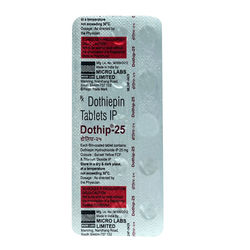


₹105
 ₹16.0Cashback (15%)
(Inclusive of all Taxes)
₹73 with coupons & bank offers*
 Offers & Discounts
Get Free delivery (₹99) with


Delivery Information
More about the Product
Composition :
Manufacturer/Marketer :
Consume Type :
Expires on or after :
Return Policy :
About Dothip-25 Tablet
Dothip-25 Tablet is a prescription medication primarily used to treat depression. It helps relieve persistent feelings of sadness, anxiety, and low mood by restoring the balance of certain natural chemicals in the brain. This medicine is also sometimes prescribed to help manage chronic nerve-related pain.
Dosulepin is a tricyclic antidepressant that is generally prescribed in selected situations, particularly when other antidepressant treatments are not suitable, have not provided adequate symptom relief, or are not well tolerated. Current treatment guidelines generally do not recommend dosulepin as a first-line treatment for depression because of its side-effect profile and increased risk in overdose. It is typically reserved for selected patients when other treatment options have not been effective or are not appropriate.
To get the most benefit, you should take Dothip-25 Tablet consistently at the same time every day, usually as a single dose before going to bed. You can take this medicine with or without food, but swallowing it with a glass of water is recommended. Incorporating positive lifestyle adjustments, such as maintaining a regular sleep schedule, eating a balanced diet, and engaging in light physical activity, can further support your recovery.
While taking Dothip-25 Tablet , you may experience mild, common side effects such as dry mouth, drowsiness, or constipation. However, you must contact your doctor immediately if you experience serious symptoms like an irregular heartbeat, severe confusion, or any sudden changes in your mood, including thoughts of harming yourself.
Before starting this treatment, it is important to talk to your doctor if you have any pre-existing health conditions, particularly heart problems, glaucoma, epilepsy, or liver damage. Do not take this medicine if you have recently had a heart attack or if you suffer from severe heart block.
This medicine can interact with other substances, so you should avoid drinking alcohol, as it can dangerously increase sleepiness and dizziness. If you are pregnant, planning to become pregnant, breastfeeding, or are an elderly individual, consult your doctor or pharmacist to discuss whether this treatment is safe for you.
Uses of Dothip-25 Tablet
Dothip-25 Tablet may be prescribed for the following conditions:
- Depression: Dothip-25 Tablet helps lift low mood, relieve feelings of worthlessness, and restore interest in daily activities by balancing brain chemicals.
- Anxiety: This medicine may help reduce anxiety, tension, and nervousness that occur alongside depression by improving the balance of certain brain chemicals.
- Chronic pain: In certain cases, Dothip-25 Tablet is used to relieve ongoing nerve-related pain by altering how pain signals are transmitted to the brain.
Key Benefits
Dothip-25 Tablet may provide the following benefits when used as prescribed:
- Restores restful sleep: Because of its calming effects, Dothip-25 Tablet is particularly beneficial for individuals whose depression or anxiety causes trouble sleeping, helping them get more restful night sleep.
- Improves daily functioning: By gradually lifting your mood and reducing constant worry, this medicine helps you find the energy to resume your normal daily routines and hobbies.
- Eases persistent pain: For those suffering from chronic discomfort, it provides physical relief by dampening constant pain signals, allowing for easier, more comfortable movement.
- Get enough sleep. Maintain a regular sleep cycle.
- Eat a healthy diet and exercise regularly.
- Manage stress with yoga or meditation.
- Limit alcohol and caffeine.
- Avoid driving or operating machinery unless you are alert.
- Change positions or take a break from activity to relieve symptoms.
- Avoid postures that put a lot of pressure on just one area of the body.
- If you have vitamin deficiency, take supplements or change your diet.
- Exercise regularly like cycling, walking or swimming.
- Avoid sitting with your legs crossed.
- Clench and unclench your fists and wiggle your toes.
- Massage the affected area.
- Maintain consistent habits, sleep patterns and food times to help maintain stability and reduce confusion.
- Mindfulness techniques such as deep breathing or meditation help you stay focused and in the now.
- Participate in cognitive therapy to enhance your ability to remember, focus and solve problems.
- As directed by your physician, take your medications to help control underlying disorders like depression, anxiety or cognitive impairment.
- Always wear loose-fitting clothes which are suitable for your activity.
- Include the diet containing fruits like watermelon, grapes, bananas and green leafy vegetables.
- Drink plenty of water stay hydrated.
- Avoid moving more and staying in hot sun.
- If you experience low blood pressure symptoms like dizziness, lightheadedness, or fainting while taking medication, seek immediate medical attention.
- Make lifestyle modifications and adjust your medication regimen under medical guidance to manage low blood pressure.
- As your doctor advises, regularly check your blood pressure at home. Record your readings to detect any changes and share them with your doctor.
- Fluid intake plays a vital role in managing blood pressure by maintaining blood volume, regulating blood pressure, and supporting blood vessel function. Drinking enough fluids helps prevent dehydration, maintain electrolyte balance, and regulate fluid balance.
- Take regular breaks to sit or lie down if you need to stand for long periods.
- When lying down, elevate your head with extra pillows to help improve blood flow.
- Avoid heavy exercise or strenuous activities that can worsen low blood pressure.
- Wear compression socks as your doctor advises to enhance blood flow, reduce oedema, and control blood pressure.
- If symptoms persist or worsen, or if you have concerns about your condition, seek medical attention for personalized guidance and care.
- Inform your doctor about the nausea and discuss possible alternatives to the medication or adjustments to the dosage.
- Divide your daily food intake into smaller, more frequent meals to reduce nausea.
- Opt for bland, easily digestible foods like crackers, toast, plain rice, bananas, and applesauce.
- Avoid certain foods that can trigger nausea, such as fatty, greasy, spicy, and smelly foods.
- Drink plenty of fluids, such as water, clear broth, or electrolyte-rich beverages like coconut water or sports drinks.
- Use ginger (tea, ale, or candies) to help relieve nausea.
- Get adequate rest and also avoid strenuous activities that can worsen nausea.
- Talk to your doctor about taking anti-nausea medication if your nausea is severe.
- Record when your nausea occurs, what triggers it, and what provides relief to help you identify patterns and manage your symptoms more effectively.
- Notify your doctor immediately if you experience tremors or involuntary shaking after taking medication or adjusting your medication regimen.
- Your doctor may adjust your medication regimen or recommend alternative techniques like relaxation, meditation, or journaling to alleviate tremor symptoms.
- Your doctor may direct you to practice stress-reducing techniques, such as deep breathing exercises, yoga, or journaling.
- Regular physical activity, such as walking or jogging, can help reduce anxiety and alleviate tremor symptoms.
- Your doctor may recommend lifestyle changes, such as avoiding caffeine, getting enough sleep, and staying hydrated, to help manage tremors.
- Maintain regular follow-up appointments with your doctor to monitor tremor symptoms and adjust treatment plans as needed.
Directions for Use
Always take Dothip-25 Tablet exactly as your doctor has instructed. Follow these steps for taking it safely:
- Swallow the tablet or capsule whole with a full glass of water.
- Do not crush, chew, or break the medicine, as this can affect how it is absorbed by your body.
- Take this medicine at the same time every day, ideally in the evening or at bedtime, as it can make you feel sleepy.
- You can take this medication with or without food.
- Never change your dose or stop taking this medicine without first consulting your healthcare provider, even if you begin to feel better.
How Dothip-25 Tablet Works

Alcohol
Unsafe
It is not recommended to take alcohol while taking Dothip-25 Tablet to avoid unpleasant side effects.

Pregnancy
Unsafe
It is advised not to take Dothip-25 Tablet during pregnancy as it may pose a risk to the unborn baby. However, if you are already taking Dothip-25 Tablet , please inform your doctor that you are pregnant.

Breast Feeding
Caution
Dothip-25 Tablet passes in very small amounts in breast milk. It has not been linked with any side effects. However, caution is advised while taking it. Please inform your doctor if you are breastfeeding.

Driving
Unsafe
It is not recommended to drive after taking Dothip-25 Tablet as it can make you feel drowsy.

Liver
Caution
Caution is advised while taking Dothip-25 Tablet if you suffer or have suffered from liver diseases.

Kidney
Caution
Caution is advised while taking Dothip-25 Tablet if you suffer or have suffered from kidney diseases.

Children
Unsafe
Dothip-25 Tablet is not recommended for children below 12 years of age.

Heart
Unsafe
Dothip-25 Tablet should be avoided in cardiac patients as it can lead to serious cardiavascular risks

Geriatrics
Unsafe
Dothip-25 Tablet should be avoided in geriatric patients as it can lead to serious side effects.
What if I have taken an overdose of Dothip-25 Tablet
Diet & Lifestyle Advise
- Manage dry mouth: Drink water frequently throughout the day, chew sugar-free gum, or suck on sugar-free sweets to keep your mouth moist.
- Prevent constipation: Eat a diet rich in dietary fibre, including plenty of fresh fruits, vegetables, and whole grains, and stay active with light daily exercise.
- Avoid alcohol completely: Alcohol can severely interact with this medicine, causing extreme drowsiness, coordination issues, and a dangerous drop in blood pressure.
- Stand up slowly: To prevent lightheadedness or fainting from a sudden drop in blood pressure, take your time when moving from a lying or sitting position to a standing position.
Health Queries


Have a query?
How Soon It Starts Working
The time required for Dothip-25 Tablet to start to work: The time required for Dothip-25 Tablet to show its action is unknown.
The time for which the effects of Dothip-25 Tablet last: The duration of action for Dothip-25 Tablet is unknown.
What if you forget to take Dothip-25 Tablet
Storage
- Store Dothip-25 Tablet in its original packaging to protect it from light and moisture.
- Keep the medication at room temperature, ideally below 25°C.
Drug Warnings
- Do Not Stop Treatment Suddenly: Abruptly stopping Dothip-25 Tablet may cause withdrawal symptoms such as nausea, headaches, anxiety, irritability, and sleep disturbances. Your doctor will advise you on gradually reducing the dose when treatment needs to be discontinued.
- Be Careful When Driving or Operating Machinery: Dothip-25 Tablet may cause drowsiness, dizziness, or blurred vision, particularly when treatment is first started. Avoid activities requiring alertness until you know how the medicine affects you.
- Monitor Your Mental Health: Pay close attention to any sudden changes in mood, behaviour, or thoughts, especially during the first few weeks of treatment. Seek medical advice promptly if you experience worsening depression or thoughts of self-harm.
- Inform Healthcare Professionals Before Procedures: Tell your dentist, surgeon, or anaesthesiologist that you are taking Dothip-25 Tablet before undergoing any medical, surgical, or dental procedure.
- Attend Regular Health Check-Ups: Your doctor may recommend monitoring of blood pressure, heart rate, and overall treatment response, particularly if you have a history of cardiovascular disease.
- Take Overdose Risk Seriously: Dothip-25 Tablet can be more dangerous in overdose than many newer antidepressants. Take the medicine exactly as prescribed and store it securely out of the reach of children and others.
- Take Extra Care of Older Adults: Older adults may be more susceptible to dizziness, falls, confusion, drowsiness, and heart-related side effects while taking Dothip-25 Tablet . Follow your doctor's instructions carefully and report any concerning symptoms promptly.
Drug-Drug Interactions


Drug-Drug Interaction Summary:
Inform your doctor if you are taking any of the following medicines:
- Monoamine Oxidase Inhibitors (MAOIs): Do not take this medicine if you are taking, or have taken within the last 14 days, an MAOI antidepressant, as this can cause dangerously high blood pressure and body temperature.
- Other antidepressants or pain medicines (like tramadol): Combining these can increase the risk of a rare but serious condition called serotonin syndrome, which causes muscle stiffness, sweating, and confusion.
- Sleeping pills, sedatives, or strong painkillers: Taking these alongside this medicine can cause extreme sleepiness and slow down your breathing.
- Medicines for irregular heartbeat: Taking these together may increase the risk of heart rhythm disturbances.
Drug-Drug Interactions
Login/Sign Up
Coadministration of paroxetine and Dothip-25 Tablet might raise serotonin hormone levels in the body, affecting the brain and nerve cells. Increased serotonin hormone can lead to severe side effects.
How to manage the interaction:
Although taking Dothip-25 Tablet and paroxetine together can possibly result in an interaction, they can be taken together if prescribed by a doctor. However, if you experience confusion, increased heart rate, fever, excessive sweating, blurred vision, muscle spasms, nausea, vomiting, and diarrhea contact your doctor immediately. Do not discontinue any medications without first consulting your doctor.
Coadministration of Amitriptyline and Dothip-25 Tablet may increase the risk of irregular heartbeat. The risk increases in patients with a history of heart illness or electrolyte imbalance.
How to manage the interaction:
Although combining Amitriptyline with Dothip-25 Tablet may result in an interaction, it can be used when a doctor recommends it. If you experience sudden dizziness or irregular heartbeats during therapy, contact your doctor immediately. Do not discontinue any medication without consulting a doctor.
Drug-Food Interactions
Drug-Food Interaction Summary:
- Alcohol: Alcohol can significantly increase drowsiness, dizziness, impaired coordination, and the risk of accidents while taking Dothip-25 Tablet . Avoid or limit alcohol consumption unless your doctor advises otherwise.
Drug-Food Interactions
Login/Sign Up

All Substitutes & Brand Comparisons


FAQs
Disclaimer
Author Details


Reference
- National Health Service (NHS). Dosulepin Guidance - NHS Medicines Reference Guide. London, UK: NHS; 2025. [Accessed on 02 Jun. 2026]Check here
- National Health Service (NHS). Dosulepin - NHS Medicines Reference Guide. London, UK: NHS; 2025. [Accessed on 02 Jun. 2026]Check here
- T Nakagawa, K Ukai, S Kubo. Antidepressive effects of the stereoisomer cis-dosulepin hydrochloride. NIH National Library of Medicine, National center for biotechnology information. Pubmed.gov. January 1993 [Accessed on 14th June 2022]Check here
- Dosulepin. NIH National Library of Medicine, National center for biotechnology information. Pubchem. [Revised in September 2022] [Accessed on 14th June 2022]Check here
- Central Drugs Standard Control Organisation (CDSCO). [Accessed on 22 Mar. 2019]Check here
- Chaves RG, Lamounier JA Breastfeeding and maternal medications. J Pediatr (Rio J). 2004;80(5 Suppl):S189-S198Check here
Country of origin
Manufacturer/Marketer address
Therapeutic Class
Habit Forming


Recommended for a 30-day course: 2 Strips