apollo
logo
0
Select Delivery Location
compositionComposition:DULOXETINE-20MG
prescription
Prescription Medicine
info
Written By Santoshini Reddy G , M Pharmacy
Reviewed By Bayyarapu Mahesh Kumar , M Pharmacy
OffersOffers & Discounts

Get Free delivery (₹99) with circle icon

Join Circle
Get Extra 18% Off with Coupons
Extra 10% Off with Bank Offers
bank offer
bank offer
bank offer

More about the Product

Composition :

DULOXETINE-20MG

Manufacturer/Marketer :

K C Laboratories

Consume Type :

Oral

Expires on or after :

Jan-27

Return Policy :

Not Returnable

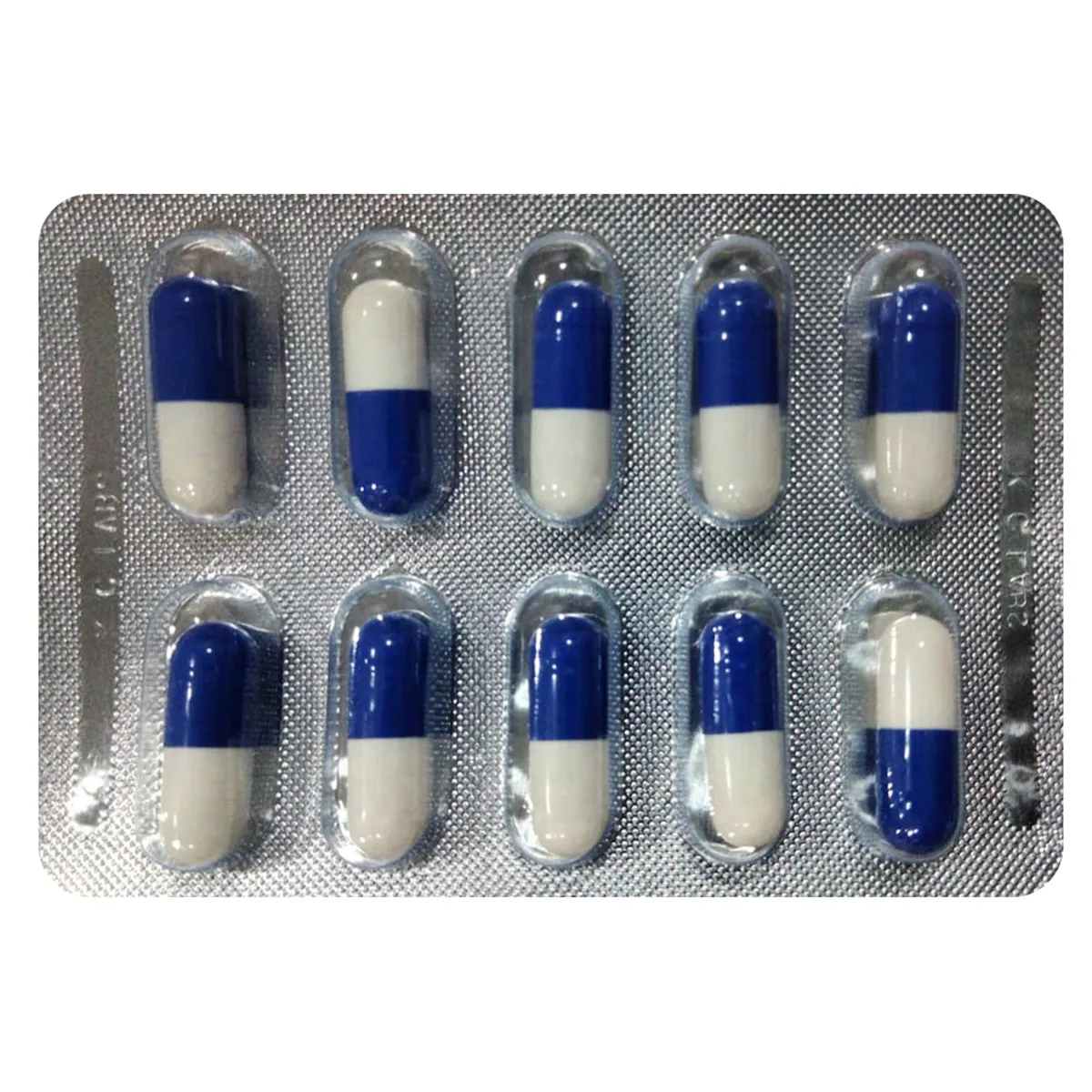
About Dulomer 20 Capsule

DULOXETINE is an oral prescription medication primarily used to treat major depressive disorder and generalised anxiety disorder. It is also clinically approved to manage chronic pain conditions, such as diabetic nerve pain, fibromyalgia, and persistent joint or muscle pain. By balancing key chemical messengers in the brain and nervous system, this medicine helps improve both your emotional state and physical pain symptoms.

This medication is typically taken once or twice daily, and taking it consistently at the same time every day is essential to keep a steady level of medicine in your body. You can take this medicine with or without food, but taking it with a meal can help reduce initial nausea. Making gradual diet and lifestyle changes, such as incorporating gentle daily movement, eating balanced meals, and practising stress-reduction techniques, can significantly support your treatment results.

While many people tolerate this medication well, common side effects can include dry mouth, mild nausea, sleepiness, and increased sweating. You must consult your doctor immediately if you experience serious side effects, such as severe dizziness, yellowing of your skin or eyes, dark urine, or unusual changes in your mood.

Talk to your doctor before starting this medicine if you have a history of high blood pressure, seizures, liver problems, or kidney issues. Do not take this if you have uncontrolled narrow-angle glaucoma or severe kidney disease, as this medication can worsen these conditions.

This medicine can interact with alcohol, smoking, and other prescription drugs, potentially causing severe liver damage or a dangerous increase in serotonin levels. If you are pregnant, planning to breastfeed, or are an elderly individual, consult your doctor to ensure this treatment is safe and appropriate for your specific health needs.

Uses of Dulomer 20 Capsule

DULOXETINE is used to treat major depressive disorder and generalised anxiety disorder. The detailed uses of DULOXETINE are as follows:

  • Major Depressive Disorder: DULOXETINE helps relieve persistent feelings of sadness, low energy, and loss of interest in activities by balancing chemical messengers in the brain.
  • Generalised Anxiety Disorder: It reduces constant, excessive, and daily worry, as well as the physical symptoms of tension that accompany anxiety.
  • Diabetic Peripheral Neuropathic Pain: It dulls the burning, stabbing, or shooting nerve pain in the feet and hands caused by nerve damage in diabetic patients.
  • Fibromyalgia: It helps manage and reduce widespread muscle pain, joint stiffness, and deep fatigue throughout the body.
  • Chronic Musculoskeletal Pain: It provides daily relief for ongoing physical discomfort, such as chronic lower back pain and osteoarthritis pain.
     

Key Benefits

DULOXETINE helps manage certain mental health conditions and chronic pain disorders by affecting key chemical messengers in the brain and nervous system. By improving mood, reducing pain signals, and enhancing overall well-being, it can support a better quality of life. This medicine offers several key benefits:

  • Improves Mood and Emotional Balance: By adjusting key brain chemicals, this medicine helps lift persistent sadness, reduces nervous tension, and allows you to participate more fully in daily life.
  • Relieves Difficult Chronic Pain: It acts directly on pain pathways in the central nervous system, providing significant relief from long-standing nerve and joint pain that may not respond well to standard pain relievers.
  • Promotes Better Daily Functioning: Easing both emotional symptoms and physical pain often leads to improved energy levels, better sleep quality, and the ability to move more comfortably throughout the day.
     
Side effects of Dulomer 20 Capsule
Here are the steps to cope with constipation as a side effect of medication:
  • Inform your doctor about your constipation symptoms. They may adjust your medication or advise alternative treatments.
  • Stay hydrated by drinking sufficient of water (at least 8-10 glasses a day) to help soften stool and promote bowel movements.
  • Increase fibre intake by eating foods high in fibre, such as fruits, whole grains, vegetables and legumes, to help bulk up the stool.
  • Establish a bowel routine by trying to go to the bathroom at the same time each day to train your bowels.
  • Engaging in regular exercise, like walking or yoga, can support in bowel movement stimulation.
  • Consult your doctor if constipation persists, and discuss alternative treatments or adjustments to your medication.
Here are the precise steps to cope with diarrhoea caused by medication usage:
  • Inform Your Doctor: Notify your doctor immediately about your diarrhoea symptoms. This allows them to adjust your medication or provide guidance on managing side effects.
  • Stay Hydrated: Drink plenty of fluids to replace lost water and electrolytes. Choose water, clear broth, and electrolyte-rich drinks. Avoid carbonated or caffeinated beverages to effectively rehydrate your body.
  • Follow a Bland Diet: Eat easy-to-digest foods to help firm up your stool and settle your stomach. Try incorporating bananas, rice, applesauce, toast, plain crackers, and boiled vegetables into your diet.
  • Avoid Trigger Foods: Steer clear of foods that can worsen diarrhoea, such as spicy, fatty, or greasy foods, high-fibre foods, and dairy products (especially if you're lactose intolerant).
  • Practice Good Hygiene: Maintain good hygiene to prevent the spread of infection. To stay healthy, wash your hands frequently, clean and disinfect surfaces regularly, and avoid exchanging personal belongings with others.
  • Take Anti-Diarrheal Medications: If your doctor advises, anti-diarrheal medications such as loperamide might help manage diarrhoea symptoms. Always follow your doctor's directions.
  • Keep track of your diarrhoea symptoms. If they don't get better or worse or are accompanied by severe stomach pain, blood, or dehydration signs (like extreme thirst or dark urine), seek medical help.
Here are the steps to Dry Mouth (xerostomia) caused by medication:
  • Inform your doctor about dry mouth symptoms. They may adjust your medication regimen or prescribe additional medications to manage symptoms.
  • Drink plenty of water throughout the day to help keep your mouth moist and alleviate dry mouth symptoms.
  • Chew sugar-free gum or candies to increase saliva production and keep your mouth moisturized.
  • Use saliva substitutes, such as mouthwashes or sprays, only if your doctor advises them to help moisturize your mouth and alleviate dry mouth symptoms.
  • Avoid consuming smoking, alcohol, spicy or acidic foods, and other irritants that may aggravate dry mouth symptoms.
  • Schedule regular dental check-ups to keep track of your oral health and handle any dry mouth issues as they arise.
Overcome Medication-Induced Nausea: A 9-Step Plan
  • Inform your doctor about the nausea and discuss possible alternatives to the medication or adjustments to the dosage.
  • Divide your daily food intake into smaller, more frequent meals to reduce nausea.
  • Opt for bland, easily digestible foods like crackers, toast, plain rice, bananas, and applesauce.
  • Avoid certain foods that can trigger nausea, such as fatty, greasy, spicy, and smelly foods.
  • Drink plenty of fluids, such as water, clear broth, or electrolyte-rich beverages like coconut water or sports drinks.
  • Use ginger (tea, ale, or candies) to help relieve nausea.
  • Get adequate rest and also avoid strenuous activities that can worsen nausea.
  • Talk to your doctor about taking anti-nausea medication if your nausea is severe.
  • Record when your nausea occurs, what triggers it, and what provides relief to help you identify patterns and manage your symptoms more effectively.
Here are the 7 steps to manage Dizziness caused by medication:
  • Inform your doctor about dizziness symptoms. They may adjust your medication regimen or prescribe additional medications to manage symptoms.
  • Follow your doctor's instructions for taking medication, and take it at the same time every day to minimize dizziness.
  • When standing up, do so slowly and carefully to avoid sudden dizziness.
  • Avoid making sudden movements, such as turning or bending quickly, which can exacerbate dizziness.
  • Drink plenty of water throughout the day to stay hydrated and help alleviate dizziness symptoms.
  • If you're feeling dizzy, sit or lie down and rest until the dizziness passes.
  • Track when dizziness occurs and any factors that may trigger it, and share this information with your doctor to help manage symptoms.
Dealing with Medication-Induced Headache:
  • Hydrate your body: Drink enough water to prevent dehydration and headaches.
  • Calm Your Mind: Deep breathing and meditation can help you relax and relieve stress.
  • Rest and Recharge: Sleep for 7-8 hours to reduce headache triggers.
  • Take rest: lie down in a quiet, dark environment.
  • Cold or warm compresses can help reduce tension.
  • Stay Upright: Maintain good posture to keep symptoms from getting worse.
  • To treat headaches naturally, try acupuncture or massage therapy.
  • Over-the-counter pain relievers include acetaminophen and ibuprofen.
  • Prescription Assistance: Speak with your doctor about more substantial drug alternatives.
  • Severe Headaches: Seek emergency medical assistance for sudden, severe headaches.
  • Frequent Headaches: If you get reoccurring headaches, consult your doctor.
  • Headaches with Symptoms: Seek medical attention if your headaches include fever, disorientation, or weakness.
  • Avoid driving or operating machinery or activities that require high focus until you know how the medication affects you.
  • Maintain a fixed sleeping schedule, create a relaxing bedtime routine and ensure your sleeping space is comfortable to maximize your sleep quality.
  • Limit alcohol and caffeine as these may worsen drowsiness and disturb sleep patterns.
  • Drink plenty of water as it helps with alertness and keeps you hydrated and for overall well-being.
  • Moderate physical activity can improve energy levels, but avoid intense workouts right before bedtime.

Directions for Use

To get the full benefit of DULOXETINE and minimise side effects, follow these simple guidelines:

  • Swallow the capsule whole with a full glass of water. Do not chew, crush, or open the capsule, as breaking the protective coating can affect how the medicine is absorbed and may increase stomach irritation.
  • You can take this medication with or without food. If you experience stomach upset or nausea when first starting, taking your dose with a light meal can help.
  • Try to take your dose at the same time every day to maintain a steady level of the medicine in your body.
  • Always follow your doctor's exact instructions regarding how and when to take this medicine. Do not alter your dose or stop taking it without discussing it with your healthcare provider first.
     

How Dulomer 20 Capsule Works

DULOXETINE belongs to a class of medications called serotonin-norepinephrine reuptake inhibitors (SNRIs). In your brain and spinal cord, there are natural chemical messengers called serotonin and norepinephrine. Serotonin plays a key role in regulating your mood, sleep, and anxiety, while norepinephrine helps control attention, alertness, and the way your body processes pain signals. Under normal circumstances, nerve cells quickly reabsorb these chemicals after they are released. This medication works by stopping that reabsorption process. By keeping higher levels of serotonin and norepinephrine active in the spaces between nerve cells, it enhances their mood-boosting effects and helps block the transmission of chronic pain signals traveling to the brain.
bannner image

Alcohol

Unsafe

Taking Dulomer 20 Capsule with alcohol may increase the side effects, such as confusion, drowsiness, and trouble concentrating. A few people may find it difficult to do mental tasks. Hence, limit the use of alcohol while being treated with this medicine.

bannner image

Pregnancy

Caution

Dulomer 20 Capsule is only recommended for use during pregnancy if advised by a doctor. This medicine increases the risk of deformities in infants, so one should tell their doctor if they are pregnant.

bannner image

Breast Feeding

Consult your doctor

Let your doctor know if you are a nursing mother before taking Dulomer 20 Capsule ; your doctor will decide whether Dulomer 20 Capsule can be taken by breastfeeding mothers or not.

bannner image

Driving

Unsafe

Dulomer 20 Capsule can cause sleepiness or may affect a person's ability to drive so one should avoid driving or doing any work that needs clear attention.

bannner image

Liver

Unsafe

Dulomer 20 Capsule is not recommended for use in patients with liver disease. Inform your doctor if you have any preexisting liver disease.

bannner image

Kidney

Unsafe

Dulomer 20 Capsule is not recommended for use in patients dealing with severe kidney disease.

bannner image

Children

Caution

The usage of Dulomer 20 Capsule is not recommended for children below seven years old. However, this medicine can be used in children above seven years after a doctor's recommendation.

bannner image

Heart

Consult your doctor

Dulomer 20 Capsule is safe for use in heart patients if recommended by the physician.

bannner image

Geriatrics

Consult your doctor

Dulomer 20 Capsule is safe for use in geriatric patients if recommended by the physician. Your doctor will decide the dose and duration of medicine.

What if I have taken an overdose of Dulomer 20 Capsule

Do not take more than the prescribed dose of Dulomer 20 Capsule as it may cause serious side effects. The symptoms of overdose include vomiting, excess sleepiness, tremors, dizziness, fast heart rate, sweating and restlessness. If you suspect you have taken an overdose, seek immediate medical attention.

Diet & Lifestyle Advise

  • Avoid or strictly limit alcohol: Drinking alcohol while taking this medicine significantly increases the risk of severe liver damage and can make drowsiness or dizziness much worse.
  • Stand up slowly: This medication can cause a sudden, temporary drop in blood pressure when you stand up. Rise slowly from a sitting or lying position to prevent feeling lightheaded or falling.
  • Stay well hydrated: Drink plenty of water throughout the day to help manage dry mouth and reduce the likelihood of constipation.
  • Engage in low-impact physical activity: Gentle exercises like walking, swimming, or stretching can help reduce chronic joint or nerve pain and naturally support your mental health.
     

Have a query?

How Soon It Starts Working

  • The time required for Dulomer 20 Capsule to start to work: Dulomer 20 Capsule ideally shows its action within 6 to 10 hours after administration.
  • The time for which the effects of Dulomer 20 Capsule last: The effect of Dulomer 20 Capsule lasts for 24 hours.

What if you forget to take Dulomer 20 Capsule

If you miss a dose, take it as soon as you remember. If it is almost time for the next dose, skip the missed dose and take the next dose at the scheduled time. Do not take a double dose.

Storage

•Store this medication at room temperature, ideally between 20°C to 25°C (68°F to 77°F). •Keep the capsules in their original container, tightly closed, to protect them from light and moisture.

Drug Warnings

  • Never stop taking this medicine abruptly: Stopping suddenly can cause uncomfortable withdrawal symptoms, such as dizziness, headaches, nausea, and burning or tingling sensations. Always consult your doctor to plan a schedule for gradually decreasing your dose.
  • Monitor your mood closely: Pay close attention to any sudden shifts in your thoughts, feelings, or behaviours, especially when you first start this medicine or when your dose is adjusted. Report any worsening depression or suicidal thoughts to your doctor immediately.
  • Do not drive until you know how this medicine affects you: This medication can cause sleepiness, blurred vision, or dizziness. Avoid driving or operating heavy machinery until you are confident you can do so safely.
  • Keep an eye on your blood pressure: This medicine can raise blood pressure in some individuals. Your doctor may want to monitor your blood pressure regularly during your treatment.
  • Inspect your capsules: Before taking your dose, ensure the capsule is completely intact, dry, and has no visible cracks or leakage.
     

Drug-Drug Interactions

verifiedApollotooltip

Drug-Drug Interactions:

  • Monoamine Oxidase Inhibitors (MAOIs): Do not take this medicine with or within 14 days of stopping an MAOI, as this can cause a life-threatening increase in serotonin levels (serotonin syndrome).
  • Other Serotonergic Drugs: Combining this medicine with SSRIs, triptans, or tramadol increases the risk of serotonin syndrome, which causes confusion, rapid heart rate, and muscle stiffness.
  • Blood Thinners: Taking this medicine alongside blood thinners like warfarin, aspirin, or NSAIDs can increase your risk of unusual bleeding or bruising.
  • CYP1A2 or CYP2D6 Inhibitors: Certain medications can slow down how your body processes this drug, leading to higher levels in your system and increased side effects.

Drug-Food Interactions:

  • Alcohol: Avoid alcohol completely, as it significantly raises the risk of severe liver damage and worsens drowsiness.

Drug-Disease Interactions:

  • Liver Disease: This medicine should not be taken if you have chronic liver disease, as it can cause further, severe liver damage.
  • Severe Kidney Disease: Reduced kidney function can cause the medication to build up in your body, increasing your risk of adverse effects.
  • Uncontrolled Glaucoma: This medicine can increase pressure in your eyes and should not be used if you have uncontrolled narrow-angle glaucoma.
     

Drug-Drug Interactions

Login/Sign Up

How does the drug interact with Dulomer 20 Capsule:
Taking Dulomer 20 Capsule with Linezolid can increase the risk of serotonin syndrome(a condition in which a chemical called serotonin increase in your body).

How to manage the interaction:
Although taking Dulomer 20 Capsule with Linezolid is not recommended, they can be taken together if prescribed by a doctor. However, consult a doctor if you experience confusion, fever, excessive sweating, shivering, blurred vision, pain in the muscles, stomach cramps, nausea, vomiting, and diarrhoea. Do not discontinue any medications without consulting a doctor.
How does the drug interact with Dulomer 20 Capsule:
Taking Tranylcypromine with Dulomer 20 Capsule can increase the risk of serotonin syndrome(a condition in which a chemical called serotonin increase in your body).

How to manage the interaction:
Taking Tranylcypromine with Dulomer 20 Capsule is not recommended but can be taken together if prescribed by a doctor. However, consult a doctor if you experience confusion, fever, excessive sweating, shivering, pain in the muscles or stiffness, stomach cramps, nausea, vomiting, and diarrhoea. Do not discontinue any medications without consulting your doctor.
How does the drug interact with Dulomer 20 Capsule:
Taking Dulomer 20 Capsule with procarbazine can increase the risk of serotonin syndrome(a condition in which a chemical called serotonin increase in your body).

How to manage the interaction:
Taking Dulomer 20 Capsule with Procarbazine is not recommended, but they can be taken together if prescribed by a doctor. However, consult a doctor if you experience confusion, fever, excessive sweating, shivering or shaking, pain in the muscles, stomach cramps, nausea, vomiting, and diarrhoea. Do not discontinue any medications without consulting your doctor.
How does the drug interact with Dulomer 20 Capsule:
Taking Dulomer 20 Capsule with selegiline may increase the risk of serotonin syndrome (a condition in which a chemical called serotonin increases in your body).

How to manage the interaction:
Although there is an interaction between Dulomer 20 Capsule and Selegiline, they can be taken together if prescribed by a doctor. However, consult a doctor if you experience confusion, fever, excessive sweating, shivering, blurred vision, pain in the muscles, stomach cramps, nausea, vomiting, and diarrhoea. Do not discontinue any medications without consulting your doctor.
DuloxetinePhenelzine
Critical
How does the drug interact with Dulomer 20 Capsule:
Taking phenelzine with Dulomer 20 Capsule can increase the risk of serotonin syndrome(a condition in which a chemical called serotonin increase in your body).

How to manage the interaction:
Taking Dulomer 20 Capsule with Phenelzine is not recommended, but they can be taken together if prescribed by a doctor. However, consult a doctor if you experience confusion, fever, excessive sweating, shivering, blurred vision, pain in the muscles, stomach cramps, nausea, vomiting, and diarrhoea. Do not discontinue any medications without consulting your doctor.
DuloxetineEliglustat
Critical
How does the drug interact with Dulomer 20 Capsule:
Coadministration of eliglustat and Dulomer 20 Capsule can significantly increase the blood levels of eliglustat. This may increase the risk of irregular heart rhythm.

How to manage the interaction:
Taking Dulomer 20 Capsule with Eliglustat is not recommended, but they can be taken together if prescribed by a doctor. However, consult a doctor if you experience sudden dizziness, lightheadedness, fainting, shortness of breath, slow heart rate, or weak pulse. Do not discontinue any medications without consulting your doctor.
How does the drug interact with Dulomer 20 Capsule:
Taking Rasagiline with Dulomer 20 Capsule can increase the risk of serotonin syndrome (a condition in which a chemical called serotonin increases in your body).

How to manage the interaction:
Taking Rasagiline and Dulomer 20 Capsule is not recommended as they can possibly result in an interaction, but they can be taken together if prescribed by a doctor. However, consult a doctor if you experience confusion, fever, excessive sweating, shivering, pain in the muscles, stomach cramps, nausea, vomiting, and loose stools. Do not discontinue any medications without consulting a doctor.
How does the drug interact with Dulomer 20 Capsule:
Coadministration of metoclopramide with Dulomer 20 Capsule increase the risk of serotonin syndrome(a condition in which a chemical called serotonin increase in your body).

How to manage the interaction:
Taking Metoclopramide with Dulomer 20 Capsule is not recommended, they can be taken together if prescribed by a doctor. However, consult a doctor if you experience any unusual symptoms. Do not discontinue any medications without consulting a doctor.
How does the drug interact with Dulomer 20 Capsule:
Coadministration of safinamide with Dulomer 20 Capsule can increase the risk of serotonin syndrome (a condition in which a chemical called serotonin increases in your body).

How to manage the interaction:
Taking Safinamide with Dulomer 20 Capsule is not recommended as it can result in an interaction, but they can be taken together if prescribed by a doctor. However, consult a doctor if you experience confusion, fever, excessive sweating, shivering, pain in the muscles, stomach cramps, nausea, vomiting, and loose stools. Do not discontinue any medications without consulting a doctor.
DuloxetinePhenylpropanolamine
Severe
How does the drug interact with Dulomer 20 Capsule:
Taking phenylpropanolamine with Dulomer 20 Capsule can increase the effects of phentermine and side effects such as jitteriness, nervousness, anxiety, and restlessness, and also cause a serious condition called serotonin syndrome (a condition in which a chemical called serotonin increases in your body).

How to manage the interaction:
Although taking Dulomer 20 Capsule with Phenylpropanolamine can result in an interaction, they can be taken together if prescribed by a doctor. However, consult a doctor if you experience confusion, fever, excessive sweating, shivering, pain in the muscles, stomach cramps, nausea, vomiting, and diarrhoea. Do not discontinue any medications without consulting your doctor.

Drug-Food Interactions

verifiedApollotooltip
No Drug - Food interactions found in our database. Some may be unknown. Consult your doctor for what to avoid during medication.

Drug-Food Interactions

Login/Sign Up

All Substitutes & Brand Comparisons

Habit Forming

Yes

Therapeutic Class

[ANTIDEPRESSANT]

FAQs

Dulomer 20 Capsule is primarily used for the treatment of depression and anxiety. Besides this, it is also used to treat neuropathic pain such as fibromyalgia associated with diabetic peripheral neuropathy and can be used to treat stress urinary incontinence in women.

Dulomer 20 Capsule works by increasing the amount of mood-enhancing chemicals serotonin and noradrenaline in the brain.

No, the person having a liver problem facing us, symptoms like itching, dark urine, right-sided upper stomach pain, and jaundice is not allowed to use this medicine.

Duloxetine has been used safely for a long time. Long-term negative effects are not present.

Report it to your doctor on an urgent basis, as they will either change the dosing strength or change the medicine.

The use of Dulomer 20 Capsule is restricted if a patient has used an MAO inhibitor (Selegiline, etc) within 5 days before or 14 days after, as it may result in serious drug interaction.

There is no evidence to suggest that duloxetine will reduce fertility in either men or women. But speak to your doctor before taking it if you are trying to get pregnant.

Do not stop taking Dulomer 20 Capsule suddenly or reduce the dose on your own, even if you start feeling better. Stopping abruptly may cause withdrawal symptoms such as dizziness, nausea, headache, irritability, sleep disturbances, nightmares, or tingling sensations. If your doctor decides that treatment should be stopped, they will gradually reduce your dose over several weeks or longer to minimize withdrawal effects. Always consult your doctor before making any changes to your treatment.

You may notice improvements in sleep, appetite, or energy levels within 1 to 2 weeks of starting Dulomer 20 Capsule . However, it usually takes 4 to 6 weeks of regular use to experience the full benefits for depression, anxiety, or pain relief. Continue taking the medicine as prescribed and talk to your doctor if you do not notice improvement after several weeks.

Dulomer 20 Capsule is generally not considered addictive. However, prolonged use may lead to physical dependence, which means stopping the medicine suddenly can cause withdrawal symptoms. Always take the medicine exactly as prescribed and do not increase the dose without medical advice.

Using warfarin together with Dulomer 20 Capsule can cause you to bleed more easily.

Dulomer 20 Capsule is safe to take for a long time. There are not any long-term side effects. If you have been feeling better for six months or more, your doctor may suggest coming off duloxetine.

Yes, Dulomer 20 Capsule may increase blood pressure in some people. Your doctor may monitor your blood pressure regularly, especially if you already have hypertension. If you notice a significant rise in blood pressure while taking Dulomer 20 Capsule , contact your doctor for evaluation and advice.

Common side effects of Dulomer 20 Capsule include feeling sick, dry mouth, headache, constipation and feeling sleepy. Most of these side effects of Dulomer 20 Capsule do not require medical attention and gradually resolve over time. However, if the side effects are persistent, reach out to your doctor.

Serious adverse effects of duloxetine are uncommon; however, they can include allergic reactions, increased bleeding risk, and mania. If you suffer any major adverse effects, please immediately seek medical attention.

The suggested Dulomer 20 Capsule dosage is determined by your unique needs and the condition being treated. Your doctor can provide personalized advice.

Dulomer 20 Capsule is generally considered safe for most individuals, although it may not be appropriate for everyone. Pregnant women, children, and people with certain medical conditions should consult a doctor before using duloxetine.

It is recommended to avoid alcohol while taking Dulomer 20 Capsule . Alcohol can increase side effects such as drowsiness, dizziness, impaired concentration, and poor coordination. In addition, combining alcohol with duloxetine may increase the risk of liver damage. Consult your doctor if you have questions about alcohol consumption while taking this medicine.

The use of Dulomer 20 Capsule is not allowed in children under seven. However, this medicine can be used in children over seven after a doctor's recommendation.

Yes, you can take this medication with or without food. If you find that it makes you feel nauseous when you first start, taking your dose with a meal or a light snack can help settle your stomach. Talk to your doctor if nausea persists.

Some people may experience a decreased appetite and mild weight loss when they first start taking this medicine. Over long-term use, some individuals may notice modest weight changes. If you have concerns about weight changes, talk to your doctor.

Yes, drowsiness, sleepiness, and fatigue are common side effects of this medication, especially when you first start taking it or when your dose is increased. Avoid driving or operating machinery until you know how the medicine affects you. Talk to your doctor if the sleepiness is severe or does not go away.

Taking this medication during the later stages of pregnancy may carry some risks for the newborn, such as temporary breathing difficulties or withdrawal symptoms. However, untreated depression or chronic pain also poses health risks. Talk to your doctor to weigh the potential risks and benefits for your specific situation.

Disclaimer

While we strive to provide complete, accurate, and expert-reviewed content on our 'Platform', we make no warranties or representations and disclaim all responsibility and liability for the completeness, accuracy, or reliability of the aforementioned content. The content on our platform is for informative purposes only, and may not cover all clinical/non-clinical aspects. Reliance on any information and subsequent action or inaction is solely at the user's risk, and we do not assume any responsibility for the same. The content on the Platform should not be considered or used as a substitute for professional and qualified medical advice. Please consult your doctor for any query pertaining to medicines, tests and/or diseases, as we support, and do not replace the doctor-patient relationship.

Country of origin

India

Manufacturer/Marketer address

2, Mahadev Darshan Compound, Opp. Sadanand Danait Hospital, Jeevan Vikas Kendra Marg Mumbai - 400069, Maharashtra
Other Info - DUL0186
whatsapp Floating Button
Buy Now
Add to Cart