apollo
logo
0
Select Delivery Location
prescriptionPrescription Medicine

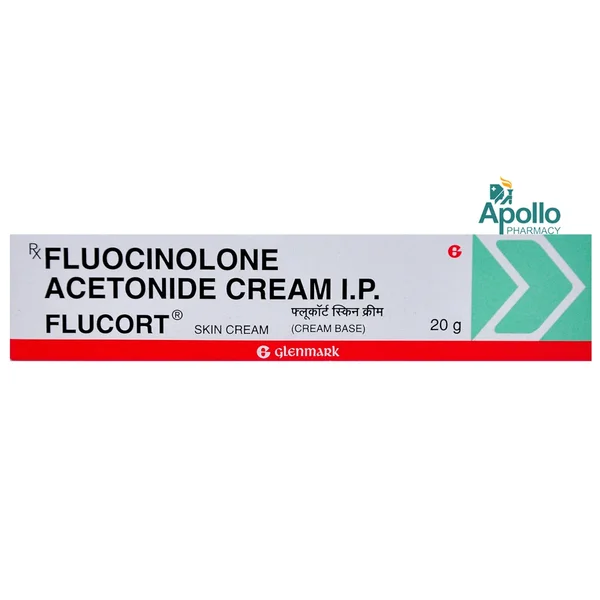
Flucort Cream is used to treat seborrheic dermatitis of the scalp. It contains Fluocinolone acetonide, which reduces the release of inflammatory mediators (chemicals that cause inflammation). It causes constriction of blood vessels, decreasing the access of cells to the injury site. It helps reduce inflammation, itching, redness, scaling, and discomfort. The common side effects of Flucort Cream are redness, itching, or dryness of the skin, acne, inflamed hair follicles, loss of skin colour, thinning of the skin, and burning or stinging at the application site. Before using this medicine, you should tell your doctor if you are allergic to any of its components or if you are pregnant/breastfeeding, and about all the medications you are taking and any pre-existing medical conditions.

Read more
Written By ,
Reviewed By Bayyarapu Mahesh Kumar , M Pharmacy
OffersOffers & Discounts

Get Free delivery (₹99) with circle icon

Join Circle
coupon
Get 18% Off with Coupons
coupon
coupon
coupon
Extra 10% Off with Bank Offers

More about the Product

Manufacturer/Marketer :

Glenmark Pharmaceuticals Ltd

Consume Type :

Topical

Expires on or after :

Jan-27

Return Policy :

Not Returnable

About Flucort Cream

Flucort Cream is primarily used to treat seborrheic dermatitis of the scalp. Seborrheic dermatitis is a skin condition that primarily affects the scalp, leading to inflammation, scaly patches, and persistent dandruff.

Flucort Cream contains fluocinolone acetonide, which causes constriction of blood vessels, decreasing the access of immune cells to the injury site.

The common side effects of Flucort Cream include dry skin, acne, inflamed hair follicles, and burning or stinging at the application site. Most of these side effects of Flucort Cream do not require medical attention and typically resolve on their own over time. However, if the side effects persist or worsen, please consult your doctor.

Do not use Flucort Cream if you are allergic to any of its ingredients. Before using Flucort Cream, inform your doctor if you have any scalp infection, Cushing's syndrome (a condition caused by excessive levels of corticosteroid hormones), diabetes (high blood sugar), or liver/kidney disease. If you are pregnant, planning to become pregnant, or breastfeeding, consult your doctor before using Flucort Cream.

Uses of Flucort Cream

Flucort Cream is used in the treatment of seborrheic dermatitis of the scalp. The detailed uses of Flucort Cream are as follows:

  • Seborrheic Dermatitis: Flucort Cream is used to treat inflammation, itching, redness, and flaking caused by seborrheic dermatitis. It helps reduce excessive oiliness and scalp scaling.
  • Control of Flare-ups: Flucort Cream helps control flare-ups and prevent recurrence in chronic seborrheic dermatitis.
  • Adjunctive therapy: Flucort Cream may be used in combination with antifungal shampoos (e.g., ketoconazole) to treat seborrheic dermatitis accompanied by secondary fungal infections. It helps reduce severe inflammation of the scalp.

Have a query?

Directions for Use

  • Flucort Cream is for topical (for scalp) use only.
  • It is recommended to apply Flucort Cream once daily or as directed by your doctor.
  • Check the label for instructions before using Flucort Cream.
  • Shake the bottle well before each use. Wet your hair and scalp with water. Apply sufficient shampoo and gently massage your scalp to produce a good lather. Leave it for 5 minutes. Rinse your hair and scalp thoroughly with water. 
  • If Flucort Cream accidentally comes into contact with the nose, mouth, or eyes, rinse thoroughly with water.
  • Do not apply Flucort Cream to broken skin or open wounds.

Key Benefits

  • Flucort Cream contains fluocinolone acetonide, which belongs to the class of corticosteroids.
  • It is effectively used to treat seborrheic dermatitis of the scalp.
  • It works by reducing the release of chemicals that cause inflammation. It causes constriction (narrowing) of blood vessels, decreasing the access of immune cells to the site of injury.
  • This medicine helps in reducing inflammation, itching, redness, scaling, and discomfort.

How Flucort Cream Works

Flucort Cream contains fluocinolone acetonide, which belongs to the class of corticosteroids. It reduces the release of inflammatory mediators (chemicals that cause inflammation). It causes constriction of blood vessels, decreasing the access of immune cells to the injury site. This effect helps inflammation, itching, redness, scaling, and discomfort.

Storage

Store in a cool and dry place away from sunlight
Side effects of Flucort Cream 20 gm
  • Maintain a healthy lifestyle by consuming a well-balanced diet, avoiding sodium, alcohol, and caffeine intake, and ensuring proper hydration.
  • Practice regular physical activity to increase circulation and maintain a healthy weight.
  • Manage stress effectively and ensure sufficient sleep.
  • Monitor your weight and any swelling, and consult a doctor if your symptoms worsen.
  • Avoid smoking and follow medical advice to avoid complications.
  • Body pain can be treated with regular exercise or yoga, which includes mild stretching, which helps strengthen the lower body.
  • Warm baths and gentle massage of the affected parts can help relieve pain.
  • Avoid strenuous activity and take frequent breaks, as rest is critical.
  • Intake of nutritious food can help strengthen body and mind. A trained nutritionist can help design a balanced diet for strengthening your body.
  • Speak to your doctor if the pain lasts an extended period. Medical help can be practical in finding a cure for constant body pain.
Here are the steps to manage the medication-triggered Cough:
  • Tell your doctor about the cough symptoms you're experiencing, which may be triggered by your medication.
  • Your doctor may adjust your treatment plan by changing your medication, adding new medications, or providing guidance on managing your cough symptoms.
  • Practice good hygiene, including frequent handwashing, avoiding close contact with others, and avoiding sharing utensils or personal items.
  • Stay hydrated by drinking plenty of fluids, such as water, tea, or soup, to help thin out mucus and soothe your throat.
  • Get plenty of rest and engage in stress-reducing activities to help your body recover. If your cough persists or worsens, consult your doctor for further guidance.
  • Moisturize frequently with thick, broad-spectrum moisturizers containing sunscreen.
  • Use warm water for short baths, and gentle cleansers.
  • Pat dry and apply moisturizer immediately.
  • Use a humidifier to add moisture to the air, and choose breathable fabrics like cotton and silk.
  • Wash clothes with fragrance-free detergents to minimize irritation.
Here's a comprehensive approach to managing medication-triggered fever:
  • Inform your doctor immediately if you experience a fever after starting a new medication.
  • Your doctor may adjust your medication regimen or dosage as needed to minimize fever symptoms.
  • Monitor your body temperature to monitor fever progression.
  • Drink plenty of fluids, such as water or electrolyte-rich beverages, to help your body regulate temperature.
  • Get plenty of rest and engage in relaxation techniques, such as deep breathing or meditation, to help manage fever symptoms.
  • Under the guidance of your doctor, consider taking medication, such as acetaminophen or ibuprofen, to help reduce fever.
  • If your fever is extremely high (over 103°F), or if you experience severe symptoms such as confusion, seizures, or difficulty breathing, seek immediate medical attention.
Dealing with Medication-Induced Headache:
  • Hydrate your body: Drink enough water to prevent dehydration and headaches.
  • Calm Your Mind: Deep breathing and meditation can help you relax and relieve stress.
  • Rest and Recharge: Sleep for 7-8 hours to reduce headache triggers.
  • Take rest: lie down in a quiet, dark environment.
  • Cold or warm compresses can help reduce tension.
  • Stay Upright: Maintain good posture to keep symptoms from getting worse.
  • To treat headaches naturally, try acupuncture or massage therapy.
  • Over-the-counter pain relievers include acetaminophen and ibuprofen.
  • Prescription Assistance: Speak with your doctor about more substantial drug alternatives.
  • Severe Headaches: Seek emergency medical assistance for sudden, severe headaches.
  • Frequent Headaches: If you get reoccurring headaches, consult your doctor.
  • Headaches with Symptoms: Seek medical attention if your headaches include fever, disorientation, or weakness.
  • To keep your vocal cords lubricated and hydrated, drink lots of water.
  • Suck on ice chips, popsicles, or lozenges to clear your throat and reduce hoarseness.
  • Your voice cords may be soothed and healed by honey's antibacterial and anti-inflammatory properties.
  • Gargle with salt water.
  • Using a steam humidifier or inhaling steam might help minimize hoarseness and release mucus.

What if I have taken an overdose of Flucort Cream

Do not apply Flucort Cream in large amounts or use it for a longer time than recommended, as it does not yield quick or better results, but instead increases the risk of side effects.

Drug Warnings

  • Do not use Flucort Cream if you are allergic to any of its ingredients, peanuts, or any other medications.
  • Inform your doctor if you are taking prescription, non-prescription medicines, herbal products, or dietary supplements to rule out any side effects or interactions.
  • Avoid applying Flucort Cream to broken skin, including cuts, scrapes, or open wounds.
  • Before using Flucort Cream, inform your doctor if you have any scalp infection, Cushing's syndrome (a condition caused by excessive levels of corticosteroid hormones), diabetes (high blood sugar), or liver/kidney disease.
  • If you are pregnant, planning to become pregnant, or breastfeeding, consult your doctor before using Flucort Cream.

Drug-Drug Interactions

verifiedApollotooltip
No Drug - Drug interactions found in our data. We may lack specific data on this medicine and are actively working to update our database. Consult your doctor for personalized advice

Drug-Drug Interactions

Login/Sign Up

Drug-Food Interactions

verifiedApollotooltip
No Drug - Food interactions found in our database. Some may be unknown. Consult your doctor for what to avoid during medication.

Drug-Food Interactions

Login/Sign Up

Diet & Lifestyle Advise

  • Eat a healthy and balanced diet, and ensure you get at least 8 hours of sleep a day for a speedy recovery.
  • Please avoid contact with anyone who has chickenpox, measles, or tuberculosis, as it may cause you the same infection that makes your body prone to infections.
  • Opt for food and drinks high in Omega-3 fatty acids to get relief from pain, swelling, and inflammation. Omega 3 fatty acid-enriched foods include flaxseeds, walnuts, soybean oil, salmon, and tuna fish if you prefer non-veg.
  • Prefer more whole foods and grains over processed ones. Limiting starch may also help decrease inflammation.
  • Avoid consuming processed foods, especially those high in sugar and fat, as they can trigger inflammation.
  • Try to fill half your food plate with fruits and veggies.
  • Limit your salt intake and prefer herbs or spices like garlic, ginger, and turmeric, which are natural anti-inflammatories.
  • Avoid alcohol as it can affect your stomach and intestines and limit the absorption of the essential nutrients required by your body.

Habit Forming

No

Therapeutic Class

[CORTICOSTEROIDS]

All Substitutes & Brand Comparisons

bannner image

Alcohol

Consult your doctor

It is unknown whether alcohol interacts with Flucort Cream. Please consult your doctor if you have any concerns regarding this.

bannner image

Pregnancy

Consult your doctor

Flucort Cream is a category C medicine. Its safety and effectiveness during pregnancy have not been established. Please consult your doctor if you are pregnant or planning to become pregnant before using Flucort Cream.

bannner image

Breast Feeding

Consult your doctor

It is unknown whether Flucort Cream passes into breast milk. Please consult your doctor if you are breastfeeding before using Flucort Cream.

bannner image

Driving

Safe

Flucort Cream does not affect your ability to drive.

bannner image

Liver

Consult your doctor

Please consult your doctor if you have any pre-existing liver disease before using Flucort Cream.

bannner image

Kidney

Consult your doctor

Please consult your doctor if you have any pre-existing kidney disease before using Flucort Cream.

bannner image

Children

Caution

Flucort Cream should be used with caution in children, as it may affect growth in some cases.

bannner image

Heart

Consult your doctor

Please inform your doctor if you have heart disease before using Flucort Cream, as there is limited information available on its safety and effectiveness.

bannner image

Geriatrics

Consult your doctor

Flucort Cream can be used in the elderly when prescribed by a doctor. If you have any concerns about using Flucort Cream, please consult a doctor.

FAQs

Flucort Cream belongs to the class of medications called Corticosteroids, used to treat seborrheic dermatitis of the scalp.

Flucort Cream contains fluocinolone acetonide, which belongs to the class of ‘corticosteroids’. It reduces the release of inflammatory mediators (chemicals that cause inflammation). It causes constriction of blood vessels, decreasing the access of immune cells to the injury site. This effect helps inflammation, itching, redness, scaling, and discomfort.

Do not use for longer-term unless prescribed by your doctor, as prolonged use may cause inflamed hair follicles and thinning of the hair.

Flucort Cream should improve your condition within the first 2 weeks of your treatment. Consult your doctor if the symptoms do not improve.

The common side effects of Flucort Cream include dryness of the skin, inflamed hair follicles, loss of skin colour, thinning of the skin, and burning or stinging at the application site. Most of these side effects of Flucort Cream do not require medical attention and typically resolve on their own over time. However, if the side effects persist or worsen, please consult your doctor.

Before using Flucort Cream, check the label for instructions. Shake the bottle well before each use. Wet your hair and scalp with water. Apply sufficient shampoo and gently massage your scalp to produce a good lather. Leave it for 5 minutes. Rinse your hair and scalp thoroughly with water. If Flucort Cream accidentally comes into contact with the nose, mouth, or eyes, rinse thoroughly with water.

Flucort Cream is safe for children only if it is used as prescribed by the doctor.

No, do not stop using Flucort Cream without consulting your doctor, even if you feel better, as your symptoms may improve before the infection is completely cured. Therefore, for better and complete treatment, it is advised to use Flucort Cream for the prescribed duration.

Country of origin

India

Manufacturer/Marketer address

Glenmark Pharmaceuticals Limited, B/2, Mahalaxmi Chambers, 22, Bhulabhai Desai Road, Mumbai – 400 026.
Other Info - FLU0072

Disclaimer

While we strive to provide complete, accurate, and expert-reviewed content on our 'Platform', we make no warranties or representations and disclaim all responsibility and liability for the completeness, accuracy, or reliability of the aforementioned content. The content on our platform is for informative purposes only, and may not cover all clinical/non-clinical aspects. Reliance on any information and subsequent action or inaction is solely at the user's risk, and we do not assume any responsibility for the same. The content on the Platform should not be considered or used as a substitute for professional and qualified medical advice. Please consult your doctor for any query pertaining to medicines, tests and/or diseases, as we support, and do not replace the doctor-patient relationship.
whatsapp Floating Button
Buy Now
Add to Cart