apollo
logo
0
Select Delivery Location
prescription
Prescription Medicine
info
Best Price

₹95 with coupons & bank offers*

View

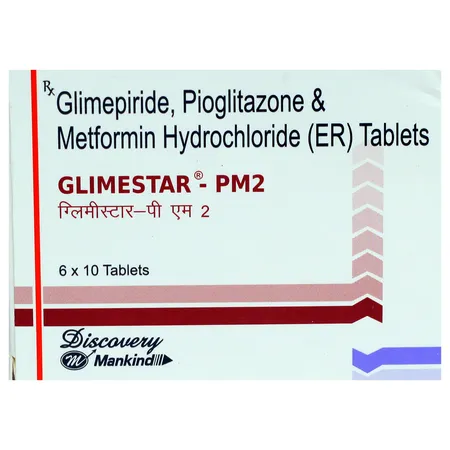
Glimestar-PM 2 Tablet is used to treat type 2 diabetes. It works by reducing sugar production in the liver, delaying sugar absorption from the intestines, and removing sugar from the blood. In some cases, this medicine may cause side effects such as stomach pain, nausea, diarrhoea, vomiting, headache, metallic taste, or low blood sugar. Before taking this medicine, inform the doctor if you are pregnant or breastfeeding, taking any other medication, or have any pre-existing medical conditions.

Read more
Written By Veda Maddala , M Pharmacy
Reviewed By Dr Aneela Siddabathuni , MPharma., PhD
OffersOffers & Discounts

Get Free delivery (₹99) with circle icon

Join Circle
Get Extra 18% Off with Coupons
Extra 10% Off with Bank Offers
bank offer
bank offer
bank offer

More about the Product

Manufacturer/Marketer :

Mankind Pharma Pvt Ltd

Consume Type :

Oral

Expires on or after :

Jan-27

Return Policy :

Not Returnable

About Glimestar-PM 2 Tablet

Glimestar-PM 2 Tablet is a prescription medication used to manage and control high blood sugar levels in adults with type 2 diabetes. It is typically prescribed when a single or double treatment medicine is no longer sufficient to keep blood sugar within a target range. By keeping blood sugar levels controlled, this medication helps prevent serious, long-term complications associated with diabetes.

For the best results, you must take Glimestar-PM 2 Tablet regularly and consistently exactly as prescribed by your doctor. It is highly recommended to take this tablet with food, specifically with your first main meal of the day, to reduce the chances of a stomach upset. Alongside taking this medication, adopting healthy lifestyle habits such as eating a balanced, low-sugar diet and engaging in regular physical activity is essential to achieve optimal blood sugar control.

While taking Glimestar-PM 2 Tablet , some people may experience mild side effects like nausea, a metallic taste in the mouth, or low blood sugar. However, if you experience sudden swelling in your legs, shortness of breath, severe stomach pain, or yellowing of your skin or eyes, you must stop taking the medication and consult your doctor immediately.

Do not take this if you have severe kidney disease, active liver damage, or severe heart failure. Before starting Glimestar-PM 2 Tablet , it is crucial to tell your doctor if you have a history of bladder cancer, fluid retention, or heart conditions.

This medicine can interact with alcohol, which significantly increases your risk of dangerously low blood sugar and a rare but serious condition called lactic acidosis. If you are pregnant, planning to become pregnant, breastfeeding, or are an elderly individual, you must talk to your doctor or pharmacist before using this medicine, as alternative treatments may be safer.

Uses of Glimestar-PM 2 Tablet

It is mainly used to manage and control high blood sugar levels in adults with type 2 diabetes.

  • Type 2 Diabetes Mellitus: Glimestar-PM 2 Tablet helps lower blood glucose levels in adults whose high blood sugar is not adequately controlled by diet, exercise, or other single-agent medications.

Key Benefits

Taking Glimestar-PM 2 Tablet consistently provides several vital health benefits that help you manage your daily life with confidence:

  • Effective Blood Sugar Control: By targeting multiple pathways in the body, it helps keep your daily blood glucose readings within a stable, healthy range.
  • Prevention of Diabetes Complications: Maintaining steady blood sugar levels reduces the long-term risk of kidney damage, nerve pain, blindness, and cardiovascular problems like heart attacks or strokes.
  • No Need for Multiple Separate Pills: Since it combines three highly effective blood-sugar-lowering agents into a single convenient tablet, it simplifies your daily medication routine.
Side effects of Glimestar-PM 2 Tablet
  • If you experience low blood sugar levels, inform your doctor. They will assess the severity and make recommendations for the next actions.
  • Your doctor will assess your symptoms, blood sugar levels, and overall health before recommending the best course of action, which may include treatment, lifestyle modifications, or prescription adjustments.
  • Follow your doctor's instructions carefully to manage the episode and adjust your treatment plan.
  • Make medication adjustments as recommended by your doctor to prevent future episodes.
  • Implement diet and lifestyle modifications as your doctor advises to manage low blood sugar levels.
  • Monitor your blood sugar levels closely for patterns and changes.
  • Track your progress by recording your blood sugar levels, food intake, and physical activity.
  • Seek further guidance from your doctor if symptoms persist or worsen so that your treatment plan can be revised.
  • Reduce salt intake to minimize fluid buildup.
  • Use compression stockings, sleeves, or gloves.
  • Gently massage the affected area towards the heart.
  • Protect the swollen area from injury and keep it clean.
  • Use lotion or cream to keep the skin moisturized.
Overcome Medication-Induced Nausea: A 9-Step Plan
  • Inform your doctor about the nausea and discuss possible alternatives to the medication or adjustments to the dosage.
  • Divide your daily food intake into smaller, more frequent meals to reduce nausea.
  • Opt for bland, easily digestible foods like crackers, toast, plain rice, bananas, and applesauce.
  • Avoid certain foods that can trigger nausea, such as fatty, greasy, spicy, and smelly foods.
  • Drink plenty of fluids, such as water, clear broth, or electrolyte-rich beverages like coconut water or sports drinks.
  • Use ginger (tea, ale, or candies) to help relieve nausea.
  • Get adequate rest and also avoid strenuous activities that can worsen nausea.
  • Talk to your doctor about taking anti-nausea medication if your nausea is severe.
  • Record when your nausea occurs, what triggers it, and what provides relief to help you identify patterns and manage your symptoms more effectively.
To prevent, manage, and treat Constipation caused by medication usage, follow these steps:
  • Preventing Vomiting (Before it Happens)
  • Take medication exactly as prescribed by your doctor. This can help minimize side effects, including vomiting.
  • Having a small meal before taking your medication can help reduce nausea and vomiting.
  • Talk to your doctor about taking anti-nausea medication along with your prescribed medication.
  • Managing Vomiting (If it Happens)
  • Try taking ginger in the form of tea, ale, or candy to help alleviate nausea and vomiting.
  • What to Do if Vomiting Persists
  • Consult your doctor if vomiting continues or worsens, consult the doctor for guidance on adjusting your medication or additional treatment.
Here are the precise steps to cope with diarrhoea caused by medication usage:
  • Inform Your Doctor: Notify your doctor immediately about your diarrhoea symptoms. This allows them to adjust your medication or provide guidance on managing side effects.
  • Stay Hydrated: Drink plenty of fluids to replace lost water and electrolytes. Choose water, clear broth, and electrolyte-rich drinks. Avoid carbonated or caffeinated beverages to effectively rehydrate your body.
  • Follow a Bland Diet: Eat easy-to-digest foods to help firm up your stool and settle your stomach. Try incorporating bananas, rice, applesauce, toast, plain crackers, and boiled vegetables into your diet.
  • Avoid Trigger Foods: Steer clear of foods that can worsen diarrhoea, such as spicy, fatty, or greasy foods, high-fibre foods, and dairy products (especially if you're lactose intolerant).
  • Practice Good Hygiene: Maintain good hygiene to prevent the spread of infection. To stay healthy, wash your hands frequently, clean and disinfect surfaces regularly, and avoid exchanging personal belongings with others.
  • Take Anti-Diarrheal Medications: If your doctor advises, anti-diarrheal medications such as loperamide might help manage diarrhoea symptoms. Always follow your doctor's directions.
  • Keep track of your diarrhoea symptoms. If they don't get better or worse or are accompanied by severe stomach pain, blood, or dehydration signs (like extreme thirst or dark urine), seek medical help.

Directions for Use

  • Glimestar-PM 2 Tablet can be taken with food to avoid stomach upset or as advised by the doctor.
  • Follow your doctor's instructions on the dosage and timing of this medication to ensure safety.
  • Swallow Glimestar-PM 2 Tablet as a whole with a glass of water.
  • Do not chew, crush or break it.

How Glimestar-PM 2 Tablet Works

Glimestar-PM 2 Tablet is a combination of three active ingredients that work together in different ways to control your blood sugar levels efficiently. Glimepiride works by encouraging your pancreas to release more insulin, which is the natural hormone your body uses to clear sugar from your bloodstream. Metformin focuses on reducing the amount of glucose (sugar) that your liver produces and releases into your body. It also delays the absorption of sugar from your intestines and helps your muscles use the available insulin more effectively. Pioglitazone works primarily by making your body's cells much more sensitive to insulin. This allows your muscles and fat tissues to easily take up and utilise glucose from your blood, keeping your sugar levels stable.
bannner image

Alcohol

Unsafe

You are recommended to avoid consumption of alcohol with Glimestar-PM 2 Tablet as it may increase the risk of lactic acidosis (accumulation of lactic acid in the body).

bannner image

Pregnancy

Unsafe

Glimestar-PM 2 Tablet is not recommended for pregnant women as it may harm an unborn baby. Please consult a doctor if you are pregnant or planning for pregnancy.

bannner image

Breast Feeding

Unsafe

Avoid breastfeeding while taking Glimestar-PM 2 Tablet as it may be excreted in breastmilk and cause adverse effects in the baby. Therefore, please consult a doctor before using Glimestar-PM 2 Tablet if you are breastfeeding.

bannner image

Driving

Caution

Glimestar-PM 2 Tablet may decrease alertness in some people. Therefore, drive only if you are alert after taking Glimestar-PM 2 Tablet .

bannner image

Liver

Caution

Take Glimestar-PM 2 Tablet with caution, especially if you have a history of Liver diseases/conditions. The dose may be adjusted by your doctor as required.

bannner image

Kidney

Caution

Take Glimestar-PM 2 Tablet with caution, especially if you have a history of Kidney diseases/conditions. The dose may be adjusted by your doctor as required.

bannner image

Children

Unsafe

Glimestar-PM 2 Tablet is not recommended for children as the safety and effectiveness were not established.

bannner image

Heart

Caution

Glimestar-PM 2 Tablet should be used with caution in patients with heart problems. Inform your doctor about any heart-related conditions before taking Glimestar-PM 2 Tablet .

bannner image

Geriatrics

Caution

Glimestar-PM 2 Tablet should be given with caution in elderly patients due to an increased risk of side effects. Seek medical advice before using Glimestar-PM 2 Tablet .

What if I have taken an overdose of Glimestar-PM 2 Tablet

In case of an accidental overdose, seek immediate medical attention. An overdose can cause extremely low blood sugar (which may lead to confusion, fainting, or seizures) or a dangerous acid buildup in your blood. If you are conscious and suspect low blood sugar, consume a fast-acting sugar source like fruit juice or candy while waiting for medical help.

Diet & Lifestyle Advise

  • Monitor your carbohydrates: Focus on complex carbohydrates with a low glycemic index, such as whole grains, oats, vegetables, and legumes, to prevent sudden spikes in blood sugar.
  • Stay physically active: Aim for at least 150 minutes of moderate-intensity exercise, such as brisk walking or swimming, each week. Physical activity helps your body use insulin more efficiently.
  • Keep a sugar source nearby: Because this medicine can cause low blood sugar, always carry fast-acting sweets, glucose tablets, or fruit juice with you to treat sudden symptoms of hypoglycemia.
  • Check your feet daily: Diabetes can affect blood circulation and nerve sensitivity. Inspect your feet daily for any cuts, sores, or blisters, and report any non-healing wounds to your doctor.
  • Stay hydrated: Drink plenty of water throughout the day to support your kidney function and help your body flush out excess glucose.
health query

Have a query?

How Soon It Starts Working

The time required for Glimestar-PM 2 Tablet to start to work: Glimestar-PM 2 Tablet ideally shows its action within a few hours after administration.

The time for which the effects of Glimestar-PM 2 Tablet last: The duration of action for Glimestar-PM 2 Tablet is clinically unknown.

What if you forget to take Glimestar-PM 2 Tablet

If you miss a dose of Glimestar-PM 2 Tablet , take it as soon as you remember with food. However, if it is almost time for your next scheduled dose, skip the missed dose entirely and resume your regular dosing schedule. Do not take a double dose to make up for a missed one, as this can cause your blood sugar to drop dangerously low.

Storage

• Proper storage ensures your medication remains effective and safe to use. •Keep Glimestar-PM 2 Tablet stored in its original packaging at room temperature, ideally below 30°C (86°F).

Drug Warnings

  • Monitor blood sugar: Check your blood sugar regularly as directed by your healthcare provider to ensure the medication is working safely.
  • Watch for swelling: Watch for sudden weight gain or swelling in your lower legs or ankles, which can indicate fluid buildup, and notify your doctor immediately.
  • Avoid alcohol: Limit or avoid alcohol consumption while taking this medication, as alcohol increases the risk of severe low blood sugar and dangerous acid buildup in the body.
  • Inform healthcare provider: Inform any doctor, dentist, or surgeon that you are taking Glimestar-PM 2 Tablet before undergoing any medical procedures or receiving contrast dye for imaging scans.
  • Be aware: Stress, illness, injury, or surgery can affect your blood sugar levels, and your doctor may need to temporarily adjust your treatment plan during these times.

Drug-Drug Interactions

verifiedApollotooltip

Inform your doctor if you are taking any of the following medicines, as they may interact.

  • Blood pressure medicines (such as beta-blockers or ACE inhibitors): They may hide the warning signs of low blood sugar, like a racing heart, or increase the risk of hypoglycemia.
  • Water pills (diuretics) and corticosteroids: It May raise your blood sugar levels, making Glimestar-PM 2 Tablet less effective.
  • Certain pain relievers (like NSAIDs): They can increase the risk of kidney strain when taken alongside this medication.

Drug-Drug Interactions

Login/Sign Up

How does the drug interact with Glimestar-PM 2 Tablet:
Co-administration of Metformin and Metrizamide together can cause the risk of lactic acidosis (when the body produces too much lactic acid).

How to manage the interaction:
Taking Metformin with Metrizamide is generally avoided as it can result in an interaction, it can be taken if a doctor has advised it. However, if you experience headaches, nausea, vomiting, diarrhea, muscle cramps or pain, body weakness, extreme fatigue, and visual disturbances, contact a doctor immediately. Do not discontinue any medications without consulting a doctor.
How does the drug interact with Glimestar-PM 2 Tablet:
Co-administration of Metformin and Iodamide can increase the risk of lactic acidosis (when the body produces too much lactic acid).

How to manage the interaction:
Taking Metformin with Iodamide is generally avoided as it can result in an interaction, consult a doctor before taking it. Do not stop using any medications without talking to a doctor.
How does the drug interact with Glimestar-PM 2 Tablet:
Co-administration of Iodixanol with Metformin can increase the risk of lactic acidosis (a medical condition characterized by a build-up of lactate in the body).

How to manage the interaction:
Taking Metformin with Iodixanol is not recommended, consult a doctor before taking it. Do not stop using any medications without talking to a doctor.
How does the drug interact with Glimestar-PM 2 Tablet:
Co-administration of Iopromide with Metformin can increase the risk of lactic acidosis (a medical condition characterized by a build-up of lactate in the body).

How to manage the interaction:
Taking Iopromide with Metformin is not recommended, consult a doctor before taking it. Do not stop using any medications without talking to a doctor.
How does the drug interact with Glimestar-PM 2 Tablet:
Co-administration of Iopamidol with Metformin can increase the risk of lactic acidosis (a medical condition characterized by a build-up of lactate in the body).

How to manage the interaction:
Taking Metformin with Iopamidol is not recommended, consult a doctor before taking it. Do not stop using any medications without talking to a doctor.
How does the drug interact with Glimestar-PM 2 Tablet:
Taking Glimepiride with Gatifloxacin may cause both low blood glucose and, less frequently, high blood glucose.

How to manage the interaction:
Gatifloxacin is not recommended for patients with diabetes, however, it can be taken if advised by a doctor. Consult the prescriber if you experience symptoms such as nervousness, confusion, headache, dizziness, drowsiness, tremors, nausea, hunger, weakness, perspiration, palpitation, rapid heartbeat, increased urination, increased thirst, and increased hunger. Do not discontinue the medications without consulting a doctor.
How does the drug interact with Glimestar-PM 2 Tablet:
Co-administration of Iomeprol with Metformin can increase the risk of lactic acidosis (a medical condition characterized by a build-up of lactate in the body).

How to manage the interaction:
Taking Metformin with Iomeprol is not recommended, consult a doctor before taking it. Do not stop using any medications without talking to a doctor.
How does the drug interact with Glimestar-PM 2 Tablet:
Co-administration of Glimepiride with Cinoxacin can cause both hyperglycemia (high blood glucose) and, less frequently, hypoglycemia (low blood glucose).

How to manage the interaction:
Although there is an interaction between Glimepiride and Cinoxacin can lead to an interaction. However, consult a doctor immediately if you experience increased thirst, increased hunger, and increased urination, headache, dizziness, drowsiness, nervousness, confusion, tremor, nausea, hunger, weakness, perspiration, palpitation, and rapid heartbeat. Do not discontinue the medications without consulting a doctor.
How does the drug interact with Glimestar-PM 2 Tablet:
Co-administration of Ofloxacin and Glimepiride can cause both hyperglycemia (high blood glucose) and hypoglycemia (low blood glucose).

How to manage the interaction:
Although combining Ofloxacin and Glimepiride can lead to an interaction, they can be taken on a doctor's advice. If you experience any symptoms of hypoglycemia (headache, dizziness, sleepiness, nervousness, confusion, shaking, nausea, hunger, weakness, sweat, palpitation, and rapid heartbeat) or hyperglycemia (increased thirst, hunger, and urination), consult a doctor. Do not discontinue any medications without consulting a doctor.
How does the drug interact with Glimestar-PM 2 Tablet:
Co-administration of Glimepiride with Voriconazole may increase the blood levels and effects of Glimepiride and may lead to hypoglycemia - low blood glucose.

How to manage the interaction:
Although there is a possible interaction, glimepiride can be taken with voriconazole if prescribed by the doctor. Consult a prescriber if you experience symptoms of low blood sugar such as headache, dizziness, drowsiness, nervousness, confusion, tremors, nausea, hunger, weakness, perspiration, palpitation, and rapid heartbeat. Do not discontinue the medications without consulting a doctor.

Drug-Food Interactions

verifiedApollotooltip
  • Alcohol: Dramatically increases the risk of low blood sugar and can trigger a dangerous buildup of lactic acid in the blood.
No Drug - Food interactions found in our database. Some may be unknown. Consult your doctor for what to avoid during medication.

Drug-Food Interactions

Login/Sign Up

All Substitutes & Brand Comparisons

Habit Forming

No

Therapeutic Class

[ANTIDIABETICS]

FAQs

Glimestar-PM 2 Tablet is used in the treatment of type 2 diabetes, especially in patients whose blood sugar levels are not controlled by diet and exercise alone.
Glimestar-PM 2 Tablet contains Glimepiride, Metformin, and Pioglitazone. Glimepiride lowers blood sugar by causing the pancreas to produce insulin. Metformin reduces the production of sugar in the liver and delays sugar absorption from the intestines. Pioglitazone increases the body's sensitivity to insulin. Thereby, Glimestar-PM 2 Tablet helps to control blood sugar levels.
You are not recommended to take Glimestar-PM 2 Tablet with pregabalin as it may cause weight gain and fluid retention that could lead to heart failure. However, please consult a doctor before using Glimestar-PM 2 Tablet with other medicines.
In type 1 diabetes, the body does not produce insulin as the islet cells (insulin-producing cells) in the pancreas are completely destroyed. In type 2 diabetes, though islet cells are working, the body does not respond to insulin as the body becomes resistant to it.
You are not recommended to stop taking Glimestar-PM 2 Tablet on your own, as discontinuing Glimestar-PM 2 Tablet suddenly may cause recurring symptoms or worsen the condition. However, if you experience any difficulty while taking Glimestar-PM 2 Tablet , please consult your doctor so that alternative medicine may be prescribed.
Yes, Glimestar-PM 2 Tablet may cause stomach upset as a side effect. Drink water/fluids in small, frequent amounts and chew the food properly while eating.
Inform the doctor if you are taking any other medicines, have any other medical conditions, and if you are pregnant or breastfeeding.
Yes, Glimestar-PM 2 Tablet may lead to vitamin B12 deficiency, particularly on long-term use. Consult the doctor if you experience symptoms of vitamin b12 deficiency such as headache, loss of appetite, fatigue, mental impairment, pins and needle sensation, and pale skin.
Store Glimestar-PM 2 Tablet at room temperature, in a dry place. Keep out of sight and reach of children.
Glimestar-PM 2 Tablet may cause side effects like stomach pain, nausea, diarrhoea, vomiting, headache, metallic taste, or low blood sugar. If the side effects persist or worsen, please consult your doctor.
No, you should avoid or highly limit alcohol while taking this medicine. Alcohol increases your risk of developing dangerously low blood sugar and a rare but severe condition called lactic acidosis. Talk to your doctor if you have questions about alcohol use.
Yes, some individuals may experience mild weight gain while taking this medication. This can be due to improved blood sugar control or fluid retention. If you notice sudden or rapid weight gain, talk to your doctor.
If you experience symptoms of low blood sugar (shakiness, sweating, dizziness), eat or drink 15 grams of fast-acting sugar, such as half a cup of fruit juice, three to four glucose tablets, or hard candy. If symptoms persist after 15 minutes, repeat this step and talk to your doctor.
No, this medication is generally not recommended during pregnancy or breastfeeding as it may not be safe for the developing baby. If you are pregnant or planning to conceive, talk to your doctor to discuss safer alternatives for managing your blood sugar.
Taking this medicine with your main meal helps reduce common digestive side effects, such as nausea, stomach upset, or gas, and prevents your blood sugar from dropping too quickly after taking the pill. Talk to your doctor if stomach upset persists.
No, Glimestar-PM 2 Tablet does not cure diabetes. It helps manage and control your blood sugar levels to prevent long-term complications. You must continue taking it consistently as prescribed, along with maintaining a healthy diet and exercise routine. Talk to your doctor before making any changes.
While this medicine does not directly cause kidney damage, it is cleared from your body through your kidneys. If you already have severe kidney disease, this medicine can build up and cause serious side effects. Your doctor will monitor your kidney function regularly. Talk to your doctor if you have concerns about your kidney health.

Disclaimer

While we strive to provide complete, accurate, and expert-reviewed content on our 'Platform', we make no warranties or representations and disclaim all responsibility and liability for the completeness, accuracy, or reliability of the aforementioned content. The content on our platform is for informative purposes only, and may not cover all clinical/non-clinical aspects. Reliance on any information and subsequent action or inaction is solely at the user's risk, and we do not assume any responsibility for the same. The content on the Platform should not be considered or used as a substitute for professional and qualified medical advice. Please consult your doctor for any query pertaining to medicines, tests and/or diseases, as we support, and do not replace the doctor-patient relationship.

Country of origin

India

Manufacturer/Marketer address

208, Okhla Industrial Estate, Phase III, New Delhi - 110020
Other Info - GLI0120
whatsapp Floating Button
Buy Now
Add 3 Strips