apollo
logo
0
Select Delivery Location
prescription
Prescription Medicine
info

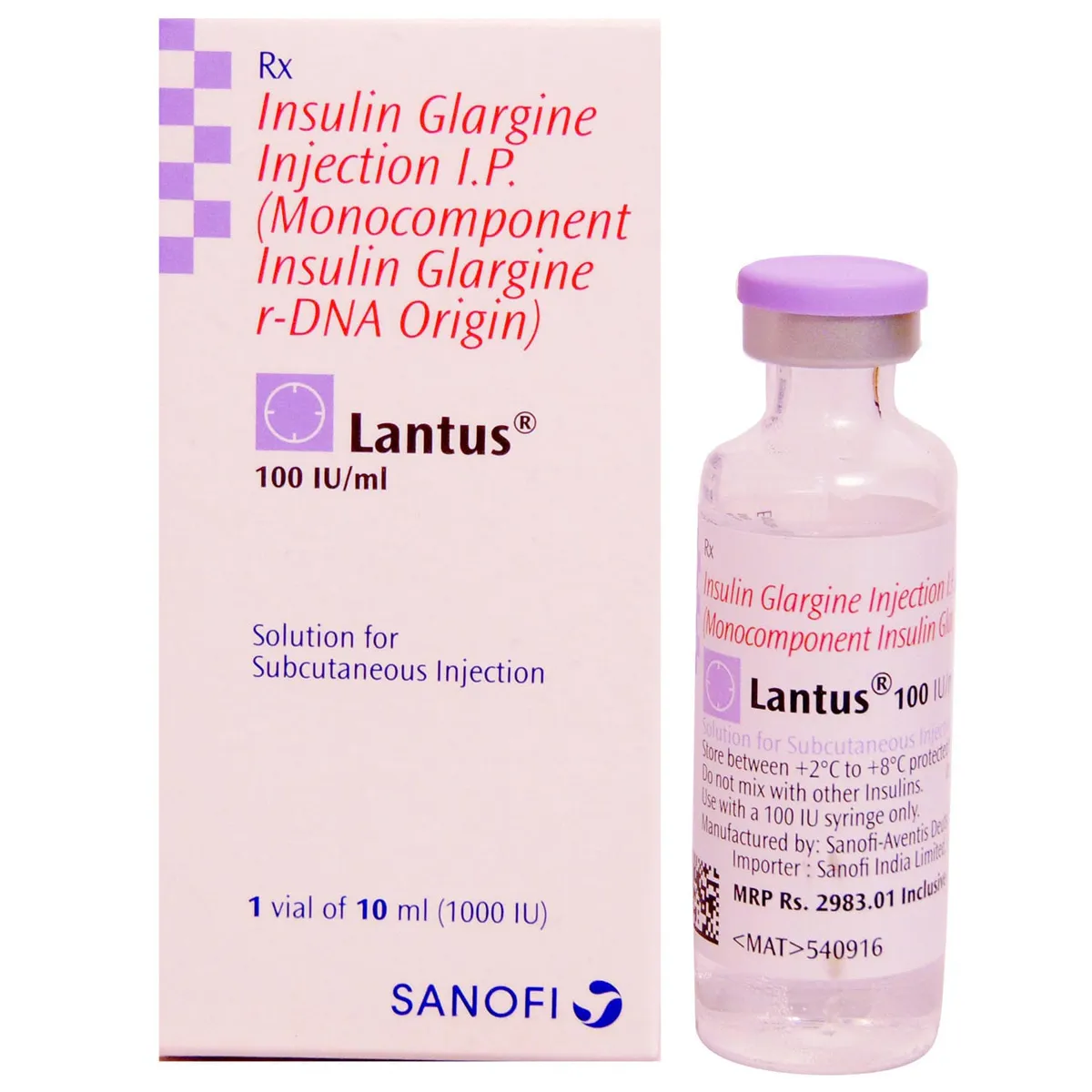
Lantus 100IU/ml Injection is used to treat type 1 and type 2 diabetes mellitus. It contains Insulin glargine, a long-acting insulin that works by replacing the insulin that is normally produced by the body. Sometimes, you may experience side effects such as injection site reactions. The injection site should be rotated to prevent skin changes such as lumps under the skin. Let the doctor know if you are taking any other medicines or have pre-existing medical conditions.

Read more
Written By Bayyarapu Mahesh Kumar , M Pharmacy
Reviewed By Dr Aneela Siddabathuni , MPharma., PhD
OffersOffers & Discounts

Get Free delivery (₹99) with circle icon

Join Circle
Get Extra 15% Off with Coupons
Extra 10% Off with Bank Offers
bank offer
bank offer
bank offer

More about the Product

Manufacturer/Marketer :

Sanofi India Ltd

Consume Type :

Parenteral

Expires on or after :

Jan-27

Return Policy :

Not Returnable

NPPA :

Regulated

About Lantus 100IU/ml Injection

Lantus 100IU/ml Injection is a long-acting insulin injection used to control high blood sugar in adults and children with diabetes mellitus. It is prescribed for both type 1 diabetes, where the body does not make insulin, and type 2 diabetes, where the body cannot use insulin properly. Maintaining stable insulin levels helps prevent serious long-term complications associated with high blood sugar.

You will typically inject Lantus 100IU/ml Injection once a day. It is highly important to use it at the same time every day to maintain steady blood sugar levels in your body. Because this medication is an injection that works continuously over 24 hours, you can take it with or without food. Combining this injection with healthy food choices and regular physical activity is essential to get the best results from your treatment.

The most common side effect of this medication is low blood sugar (hypoglycemia), which can cause shakiness, sweating, and dizziness. Other common issues include mild reactions at the injection site, such as redness or swelling. If you experience any serious side effects, such as severe breathing difficulties, sudden swelling of your face or throat, or extreme dizziness, seek emergency medical help immediately.

Do not take this if you are currently experiencing an episode of low blood sugar or if you have ever had an allergic reaction to this medication or any of its ingredients. Before starting your treatment, talk to your doctor if you have kidney disease, liver damage, or heart failure, as these conditions may require special monitoring or dose adjustments.

Using alcohol while taking Lantus 100IU/ml Injection can unpredictably affect your blood sugar levels, significantly increasing your risk of severe low blood sugar. Tell your doctor about all other medicines you are taking, as many drugs can interact with your insulin therapy. If you are pregnant, planning to become pregnant, breastfeeding, or are an older adult, talk to your doctor or pharmacist to ensure this medication is safe for your specific situation.

Uses of Lantus 100IU/ml Injection

Your doctor may prescribe Lantus 100IU/ml Injection to treat several conditions, including:

  • Type 1 Diabetes Mellitus: Lantus 100IU/ml Injection helps replace the insulin your body is unable to produce naturally, keeping your daily blood sugar levels stable over a 24-hour period.
  • Type 2 Diabetes Mellitus: Lantus 100IU/ml Injection is used to lower blood sugar levels when oral diabetes medications or other lifestyle changes are no longer sufficient to keep your diabetes under control.

Key Benefits

Lantus 100IU/ml Injection provides long-lasting blood sugar control by delivering a steady supply of insulin throughout the day and night. By maintaining stable glucose levels and simplifying diabetes management, this medicine offers several key health benefits:

  • Steady 24-Hour Blood Sugar Control: Lantus 100IU/ml Injection releases insulin slowly and consistently into the bloodstream, helping prevent sudden spikes and drops in blood sugar and providing reliable day-and-night glucose stability.
  • Protection Against Diabetes Complications: By helping maintain blood sugar within the target range, Lantus 100IU/ml Injection reduces the risk of long-term diabetes-related complications, including nerve damage, kidney problems, vision loss, and cardiovascular concerns.
  • Convenient Daily Diabetes Management: With a simple once-daily injection schedule, Lantus 100IU/ml Injection helps meet your background insulin requirements consistently, making daily diabetes care easier and more manageable.
     

Directions for Use

Always follow your doctor's exact instructions regarding your dose and how to inject Lantus 100IU/ml Injection. Do not change your dose or stop using this medication without consulting your healthcare provider first.

  • Inject Lantus 100IU/ml Injection under the skin (subcutaneously) of your thigh, upper arm, or abdomen.
  • Never inject this medication into a vein or a muscle, as this can cause the insulin to act too quickly and lead to dangerously low blood sugar.
  • Rotate your injection site with every dose to prevent skin changes, such as lumps or thinning of the fat under the skin.
  • Do not mix Lantus 100IU/ml Injection in the same syringe with any other insulin, and do not dilute it with other liquids.

How Lantus 100IU/ml Injection Works

Lantus 100IU/ml Injection contains insulin glargine. It works by mimicking the natural, steady background release of insulin that a healthy pancreas normally provides. Once injected under the skin, the solution forms micro-crystals in the fatty tissue. These crystals dissolve very slowly over time, releasing a constant, low level of insulin into your bloodstream over 24 hours. Once in your blood, the insulin acts like a key that allows your body's cells to absorb sugar (glucose) from your bloodstream to use for energy. At the same time, it stops your liver from producing and releasing excess sugar into your blood, keeping your overall blood glucose levels stable and within a safe range.
bannner image

Alcohol

Unsafe

You are recommended not to consume alcohol along with Lantus 100IU/ml Injection to avoid unpleasant side effects.

bannner image

Pregnancy

Safe if prescribed

Lantus 100IU/ml Injection can be used during pregnancy. Your insulin dose may need to be changed during pregnancy and after delivery. Please consult your doctor before taking Lantus 100IU/ml Injection.

bannner image

Breast Feeding

Safe if prescribed

Lantus 100IU/ml Injection can be given safely to nursing mothers but only under the supervision of a physician. Your physician may make adjustments in your insulin doses and your diet.

bannner image

Driving

Caution

Drive with caution, Lantus 100IU/ml Injection usually causes drowsiness and affects driving ability. Your ability to concentrate and react may be reduced if you have hypoglycaemia (low blood sugar).

bannner image

Liver

Caution

Lantus 100IU/ml Injection to be taken with caution, especially if you have a history of liver diseases/conditions. The dose may have to be adjusted by your doctor.

bannner image

Kidney

Caution

Lantus 100IU/ml Injection to be taken with caution, especially if you have a history of kidney diseases/conditions. The dose may have to be adjusted by your doctor.

bannner image

Children

Safe if prescribed

Lantus 100IU/ml Injection can be given safely to children provided the dose is prescribed by a child specialist.

bannner image

Heart

Caution

Lantus 100IU/ml Injection should be administered with caution in patients with heart problems. Please inform your doctor about any existing heart problems before using Lantus 100IU/ml Injection.

bannner image

Geriatrics

Caution

Lantus 100IU/ml Injection should be administered with caution in elderly patients. If you have any concerns, please consult your doctor.

What if I have taken an overdose of Lantus 100IU/ml Injection

Do not take more than the prescribed dose of Lantus 100IU/ml Injection as it may cause overdose and lead to low blood sugar. If you suspect you have taken an overdose or have symptoms of low blood sugar or other symptoms such as seizures (fits) or loss of consciousness, please consult a doctor immediately.

Diet & Lifestyle Advise

  • Track your carbohydrate intake: Maintain a consistent daily intake of carbohydrates to help keep your blood sugar levels predictable and prevent sudden drops.
  • Always carry fast-acting sugar: Keep a source of quick sugar with you at all times, such as glucose tablets, fruit juice, or hard candies, to treat sudden low blood sugar quickly.
  • Exercise safely: Physical activity lowers blood sugar. Test your blood sugar levels before, during, and after exercise, and discuss with your doctor if you need to adjust your food intake or dose.
  • Monitor blood sugar regularly: Test your blood sugar levels as directed by your healthcare team to understand how your body is responding to the medication
  • Stay hydrated: Drink plenty of water throughout the day, especially in hot weather or during physical activity, as dehydration can affect your blood sugar control.

Have a query?

How Soon It Starts Working

The time required for Lantus 100IU/ml Injection to start to work: Lantus 100IU/ml Injection ideally shows its action within 1.5 to 2 hours after administration. The time for which the effects of Lantus 100IU/ml Injection last: The effect of Lantus 100IU/ml Injection lasts for 24 hours.

What if you forget to take Lantus 100IU/ml Injection

If you are using this medication on a regular schedule and you miss a dose but remember within 2 hours, use it as soon as you remember. If it has been more than 2 hours, consult your doctor. Do not double the dose to catch up.

Storage

• Store unused, unopened Lantus 100IU/ml Injection vials or injection pens in the refrigerator between 2°C and 8°C. •Do not freeze this medication, and discard it immediately if it has been frozen.
icon image

Keep Refrigerated. Do not freeze.Prepaid payment required.

Drug Warnings

  • Always inspect the liquid inside the vial or pen before injecting; it must be completely clear and colorless. Do not use it if it looks cloudy, colored, or has floating particles.
  • Never share your Lantus 100IU/ml Injection injection pen, needle, or syringe with anyone else, even if the needle has been changed, to avoid spreading serious infections.
  • Always use a new, sterile needle for every injection to prevent infections and avoid blocked needles.
  • Rotate your injection site within your chosen area (thigh, arm, or stomach) with each dose to prevent hard lumps or skin damage from developing.
  • Check your blood sugar before driving, operating machinery, or performing tasks that require concentration, as low blood sugar can impair your coordination and alertness.

Drug-Drug Interactions

verifiedApollotooltip

Drug-Drug Interactions:

Inform your doctor if you are taking any of the following medicines, as they may interact.

  • May increase the risk of low blood sugar when combined with other diabetes medicines (such as sulfonylureas), certain blood pressure drugs (such as ACE inhibitors), or certain antidepressants (such as MAO inhibitors).
  • May decrease the effectiveness of Lantus 100IU/ml Injection, leading to high blood sugar, when taken with corticosteroids (such as prednisone), thyroid hormones, or certain atypical antipsychotics.
  • Certain blood pressure medications (such as beta-blockers) may mask the common warning signs of low blood sugar, such as a rapid heart rate, sweating, or palpitations.

Drug-Food Interactions:

  • Drinking alcohol can unpredictably affect your blood sugar levels, either causing a sudden drop or prolonging the risk of severe low blood sugar.

Drug-Disease Interactions:

Inform your doctor if you have a history of the following conditions before taking Lantus 100IU/ml Injection, as it may worsen your condition or cause complications.

  • Kidney or Liver Damage: May require a gradually decreasing dose because your body may process and clear the insulin more slowly, increasing the risk of low blood sugar.
  • Heart Failure: Taking Lantus 100IU/ml Injection alongside certain oral diabetes medicines (such as thiazolidinediones) may cause your body to retain fluid, which can worsen heart failure.
     

Drug-Drug Interactions

Login/Sign Up

How does the drug interact with Lantus 100IU/ml Injection 10 ml:
Co-administration of Ofloxacin and Lantus 100IU/ml Injection 10 ml can sometimes have an effect on blood glucose levels.

How to manage the interaction:
Although combining Ofloxacin and Lantus 100IU/ml Injection 10 ml can lead to an interaction, they can be taken on a doctor's advice. If you experience any symptoms of hypoglycemia (headache, dizziness, sleepiness, nervousness, confusion, shaking, nausea, loss of hunger, weakness, sweating, palpitation, and rapid heartbeat) or hyperglycemia (increased thirst, hunger, and urination), consult a doctor. Keep an eye on your blood glucose levels. Do not discontinue any medications without consulting a doctor.
How does the drug interact with Lantus 100IU/ml Injection 10 ml:
Taking Lantus 100IU/ml Injection 10 ml with sparfloxacin affects blood glucose levels, which may cause hyperglycemia (high blood sugar) and hypoglycemia (low blood sugar) less frequently.

How to manage the interaction:
Although taking Sparfloxacin and Lantus 100IU/ml Injection 10 ml together can possibly result in an interaction, it can be taken if your doctor has prescribed it. However, consult the doctor immediately if you experience hypoglycemia or hyperglycemia. Symptoms of hypoglycemia include headache, dizziness, drowsiness, nervousness, confusion, shaking, nausea, hunger, weakness, sweating, palpitations, and rapid heartbeat. Symptoms of hyperglycemia may include increased thirst, increased hunger, and increased urination. Do not stop using any medications without first talking to your doctor.
How does the drug interact with Lantus 100IU/ml Injection 10 ml:
Taking Lantus 100IU/ml Injection 10 ml with ciprofloxacin can effect blood sugar levels, both hyperglycemia (high blood sugar) and, less frequently, hypoglycemia (low blood sugar).

How to manage the interaction:
Although taking ciprofloxacin and Lantus 100IU/ml Injection 10 ml together can possibly result in an interaction, it can be taken if your doctor has prescribed it. However, consult a doctor if you experience hypoglycemia, hyperglycemia, or a decline in blood glucose control. Hypoglycemia can cause headaches, dizziness, sleepiness, anxiety, confusion, shaking, nausea, hunger, weakness, sweating, palpitations, and a rapid heartbeat. Increased hunger, thirst, and urine are all possible signs of hyperglycemia. It is recommended to maintain blood glucose levels.
How does the drug interact with Lantus 100IU/ml Injection 10 ml:
Taking Lantus 100IU/ml Injection 10 ml with nalidixic acid affects blood glucose levels, which may cause hyperglycemia (high blood sugar) and hypoglycemia (low blood sugar) less frequently.

How to manage the interaction:
Although taking nalidixic acid and Lantus 100IU/ml Injection 10 ml together can possibly result in an interaction, it can be taken if your doctor has prescribed it. However, consult the doctor immediately if you experience hypoglycemia or hyperglycemia. Symptoms of hypoglycemia include headache, dizziness, drowsiness, nervousness, confusion, shaking, nausea, loss of hunger, weakness, sweating, palpitation, and rapid heartbeat. Symptoms of hyperglycemia may include increased thirst, increased hunger, and increased urination. Do not stop using any medications without first talking to your doctor.
How does the drug interact with Lantus 100IU/ml Injection 10 ml:
Blood glucose levels can be affected by levofloxacin when taken with Lantus 100IU/ml Injection 10 ml. It may cause hyperglycemia (high blood glucose) and, less commonly, hypoglycemia (low blood glucose).

How to manage the interaction:
There could be a possible interaction between Lantus 100IU/ml Injection 10 ml and Levofloxacin but can be taken if prescribed by a doctor. However, consult the doctor immediately if you experience symptoms of hypoglycemia, which include headache, dizziness, drowsiness, nervousness, confusion, tremor, nausea, hunger, weakness, perspiration, palpitation, and rapid heartbeat, or symptoms of hyperglycemia which may include increased thirst, increased hunger, and increased urination. Do not stop using any medications without talking to a doctor.
Severe
How does the drug interact with Lantus 100IU/ml Injection 10 ml:
Taking Lantus 100IU/ml Injection 10 ml with cinoxacin affects blood glucose levels, which may cause hyperglycemia (high blood sugar) and hypoglycemia (low blood sugar) less frequently.

How to manage the interaction:
Although taking cinoxacin and Lantus 100IU/ml Injection 10 ml together can possibly result in an interaction, it can be taken if your doctor has prescribed it. However, consult the doctor immediately if you experience hypoglycemia or hyperglycemia. Symptoms of hypoglycemia include headache, dizziness, drowsiness, nervousness, confusion, shaking, nausea, hunger, weakness, sweating, palpitation, and rapid heartbeat. Symptoms of hyperglycemia may include increased thirst, increased hunger, and increased urination. Do not stop using any medications without first talking to your doctor.
How does the drug interact with Lantus 100IU/ml Injection 10 ml:
Taking Lantus 100IU/ml Injection 10 ml with Moxifloxacin affects blood glucose levels, which may cause hyperglycemia (high blood sugar) and hypoglycemia (low blood sugar) less frequently.

How to manage the interaction:
Although taking Moxifloxacin and Lantus 100IU/ml Injection 10 ml together can result in an interaction, it can be taken if a doctor has prescribed it. However, consult the doctor immediately if you experience headache, dizziness, and rapid heartbeat, increased thirst, and increased urination. Do not stop using any medications without talking to a doctor.
How does the drug interact with Lantus 100IU/ml Injection 10 ml:
Taking Lantus 100IU/ml Injection 10 ml with Gemifloxacin affects blood glucose levels, which may cause hyperglycemia (high blood sugar) and hypoglycemia (low blood sugar) less frequently.

How to manage the interaction:
Although taking Gemifloxacin and Lantus 100IU/ml Injection 10 ml together can possibly result in an interaction, it can be taken if your doctor has prescribed it. However, consult the doctor immediately if you experience hypoglycemia or hyperglycemia. Symptoms of hypoglycemia include headache, dizziness, drowsiness, nervousness, confusion, shaking, nausea, hunger, weakness, sweating, palpitation, and rapid heartbeat. Symptoms of hyperglycemia may include increased thirst, increased hunger, and increased urination. Do not stop using any medications without first talking to your doctor.
Insulin glargineLomefloxacin
Severe
How does the drug interact with Lantus 100IU/ml Injection 10 ml:
Taking Lantus 100IU/ml Injection 10 ml with lomefloxacin affects blood glucose levels, which may cause hyperglycemia (high blood sugar) and hypoglycemia (low blood sugar) less frequently.

How to manage the interaction:
Although taking Lomefloxacin and Lantus 100IU/ml Injection 10 ml together can possibly result in an interaction, it can be taken if your doctor has prescribed it. However, consult the doctor immediately if you experience hypoglycemia or hyperglycemia. Symptoms of hypoglycemia include headache, dizziness, drowsiness, nervousness, confusion, shaking, nausea, loss of hunger, weakness, sweating, palpitation, and rapid heartbeat. Symptoms of hyperglycemia may include increased thirst, increased hunger, and increased urination. Do not stop using any medications without talking to a doctor.
Insulin glargineTrovafloxacin
Severe
How does the drug interact with Lantus 100IU/ml Injection 10 ml:
Taking Lantus 100IU/ml Injection 10 ml with Trovafloxacin affects blood glucose levels, which may cause hyperglycemia (high blood sugar) and hypoglycemia (low blood sugar) less frequently.

How to manage the interaction:
Although taking Trovafloxacin and Lantus 100IU/ml Injection 10 ml together can possibly result in an interaction, it can be taken if your doctor has prescribed it. However, consult the doctor immediately if you experience hypoglycemia or hyperglycemia. Symptoms of hypoglycemia include headache, dizziness, drowsiness, nervousness, confusion, shaking, nausea, loss of hunger, weakness, sweating, palpitation, and rapid heartbeat. Symptoms of hyperglycemia may include increased thirst, increased hunger, and increased urination. Do not stop using any medications without first talking to your doctor.

Drug-Food Interactions

verifiedApollotooltip
No Drug - Food interactions found in our database. Some may be unknown. Consult your doctor for what to avoid during medication.

Drug-Food Interactions

Login/Sign Up

All Substitutes & Brand Comparisons

Habit Forming

No

Therapeutic Class

[ANTIDIABETICS]

FAQs

Lantus 100IU/ml Injection is used to treat type 1 diabetes in adults and children and type 2 diabetes mellitus in adults.
Lantus 100IU/ml Injection works by replacing the insulin that is normally produced by the body. It helps move sugar from the blood into other body tissues where it is used for energy. Lantus 100IU/ml Injection also prevents the liver from producing more sugar.
Lantus 100IU/ml Injection should be stored in a refrigerator (2°C-8°C). Do not freeze.
Type-2 diabetes generally does not affect healthy children and teens, but it may affect children who are obese, which is also known as Childhood Obesity.
Cut back on foods high in sodium, alcohol, fried foods, and high-carb food and drinks like sugary drinks, drinks with added sugar, white rice and starchy vegetables.
Lantus 100IU/ml Injection should not be discontinued without a doctor's consultation as stopping Lantus 100IU/ml Injection may cause severe hypoglycaemia (low blood sugar) and ketoacidosis (buildup of acid in the blood). Consult the doctor if you feel uncomfortable after taking Lantus 100IU/ml Injection.
The injection site should be changed to prevent skin changes like lumps under the skin. Lantus 100IU/ml Injection may not work well if injected into the lumpy area.
Maintain a healthy diet and exercise regularly. Limit sugar intake and avoid smoking & alcohol consumption. Manage stress by doing meditation or yoga.
Hypoglycaemia (low blood sugar) may occur because you inject too much insulin, miss or delay meals, do not eat enough, eat food containing less carbohydrate than normal, drink alcohol, lose carbohydrates due to vomiting or diarrhoea, do more exercise than usual or a different type of physical activity, are recovering from an injury, illness, operation or stress, or are taking/have stopped taking other medicines.
Lantus 100IU/ml Injection contains insulin glargine, a modified insulin which is very similar to human insulin.
Check the label for directions and use Lantus 100IU/ml Injection as advised by the doctor. Talk to the doctor if you have any concerns. Fill the injection with the appropriate dose. Pick the injection site and wipe it with an alcohol swab. Now, pinch up the skin, inject the needle into the skin and then push the plunger in. After injecting the insulin, pull out the needle and dispose of the syringe safely.
Lantus 100IU/ml Injection should be used only as prescribed by the doctor. The doctor will recommend the dose and duration based on your condition.
Using more than the prescribed dose of Lantus 100IU/ml Injection may cause hypoglycaemia (low blood sugar). Monitor blood glucose levels and consult the doctor if the blood sugar levels are low.
The dose of Lantus 100IU/ml Injection may need to be changed based on your blood sugar levels, lifestyle conditions, if are taking certain other medicines, during pregnancy, after giving birth, and breastfeeding.
Serious side effects of Lantus 100IU/ml Injection include severe allergic reactions (rash/itching all over the body, severe swelling of skin or mucous membrane, shortness of breath, a fall in blood pressure with rapid heartbeat and sweating) and hypoglycaemia (thirst, tiredness, increased urge to urinate, tiredness, fast heartbeat, and low blood pressure). Seek immediate medical attention if you experience these symptoms.
Lantus 100IU/ml Injection can be given to treat both the conditions of type 1 and type 2 diabetes mellitus. However, your doctor will decide whether Lantus 100IU/ml Injection can be given to you or not, depending on your present condition. Lantus 100IU/ml Injection should be avoided in patients who are allergic to Lantus 100IU/ml Injection or other forms of insulin. It should be avoided in patients suffering from low potassium level (hypokalemia), moderate to severe kidney disease or liver disease. Inform the doctor if you are pregnant or breastfeeding.
No. You must never mix Lantus 100IU/ml Injection with any other insulin or liquid in the same syringe. Mixing it can change how the medication is absorbed, preventing it from working correctly and potentially causing dangerous blood sugar fluctuations. Talk to your doctor if you require multiple types of insulin.
You should inject Lantus 100IU/ml Injection once a day, at the exact same time every day. Your doctor will help you decide whether a morning or evening injection fits your lifestyle and treatment needs best. Talk to your doctor or pharmacist if you need help establishing a routine.
If you experience symptoms of low blood sugar and are able to swallow safely, consume 15 grams of fast-acting sugar immediately, such as a half-cup of fruit juice, three glucose tablets, or a few hard candies. Wait 15 minutes, check your blood sugar again, and repeat if it is still too low. Talk to your doctor if you experience frequent low blood sugar episodes.
Yes, you can travel with your medication. Keep unopened vials or pens cool by using an insulated travel bag with cold packs, making sure they do not touch ice directly to prevent freezing. Always carry your active, in-use pen or vial in your hand luggage rather than checked baggage to protect it from extreme temperature changes in the cargo hold. Talk to your doctor for a travel letter if needed.
No, you do not need to eat a meal immediately after injecting Lantus 100IU/ml Injection because it is a long-acting insulin that provides a steady, continuous release over 24 hours. However, you must still maintain your regular, scheduled meals throughout the day to keep your blood sugar balanced. Talk to your doctor or pharmacist about how to align your meals with your injection.
No. If your medication has been frozen, even if it has thawed out, you must discard it immediately. Freezing damages the structure of the medicine, making it ineffective and unsafe for controlling your blood sugar. Always store your medication in the main compartment of the refrigerator, away from the freezer element.
Injecting this medication into a muscle can cause your body to absorb the medicine much faster than intended. This can lead to a sudden, severe drop in your blood sugar. Monitor your blood sugar levels closely, keep fast-acting sugar nearby, and seek medical help if your blood sugar drops dangerously low. Talk to your doctor or pharmacist if you are unsure about proper injection techniques.
Keeping your blood sugar well-controlled is highly important during pregnancy for both you and your baby. Lantus 100IU/ml Injection is commonly used during pregnancy, but your insulin requirements may change significantly during this time. Talk to your doctor to discuss how to adjust your dose and safely manage your blood sugar throughout your pregnancy.

Disclaimer

While we strive to provide complete, accurate, and expert-reviewed content on our 'Platform', we make no warranties or representations and disclaim all responsibility and liability for the completeness, accuracy, or reliability of the aforementioned content. The content on our platform is for informative purposes only, and may not cover all clinical/non-clinical aspects. Reliance on any information and subsequent action or inaction is solely at the user's risk, and we do not assume any responsibility for the same. The content on the Platform should not be considered or used as a substitute for professional and qualified medical advice. Please consult your doctor for any query pertaining to medicines, tests and/or diseases, as we support, and do not replace the doctor-patient relationship.

Country of origin

Germany

Manufacturer/Marketer address

CT Survey No.117-B, L&T Business Park, Saki Vihar Road, Powai, Mumbai 400072.
Other Info - LAN0014
whatsapp Floating Button
Buy Now
Add to Cart