apollo
0
  1. Home
  2. Medicine
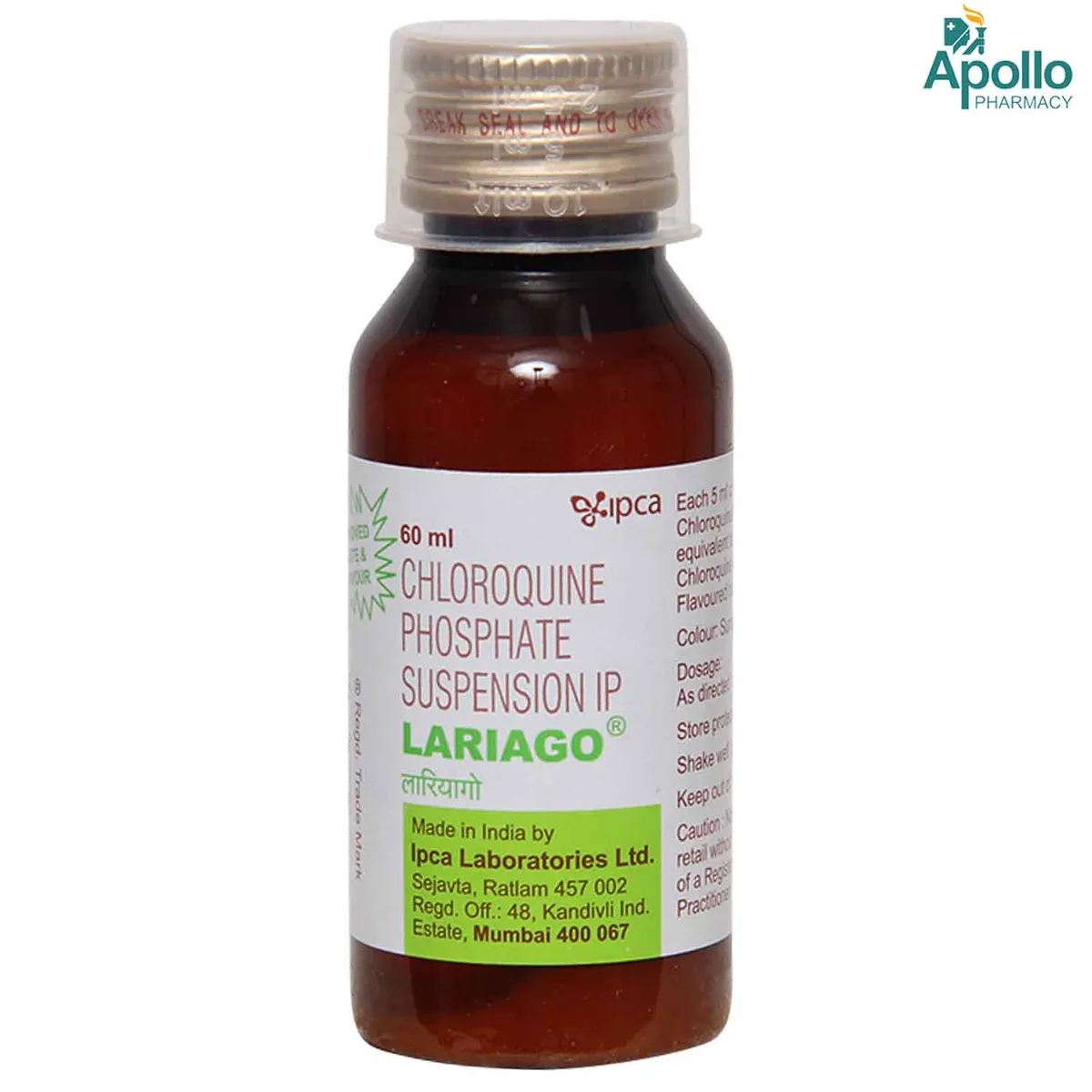
  3. Lariago Syrup 60 ml

Prescription drug
 Trailing icon
coupon
coupon
coupon
Extra 15% Off with Bank Offers
Written By Santoshini Reddy G , M Pharmacy
Reviewed By Dr Aneela Siddabathuni , MPharma., PhD

Lariago Syrup is used to treat malaria. It provides a degree of protection against malaria for individuals travelling to areas where malaria cases are prevalent. It is effective against Plasmodium vivax, Plasmodium ovale, and Plasmodium malariae. It is not effective against Plasmodium falciparum. It is occasionally used to reduce the symptoms of rheumatoid arthritis and to treat conditions such as systemic and discoid lupus erythematosus, sarcoidosis, and porphyria cutanea tarda. Lariago Syrup targets malaria parasites inside red blood cells and disrupts their process of breaking down haemoglobin. This leads to the accumulation of toxic substances, which destroy the parasites and clear the infection. The common side effects of Lariago Syrup include vomiting, nausea, hair loss, stomach pain, stomach upset, loss of appetite, diarrhoea and itchy skin. Most of these side effects are temporary and gradually resolve over time. However, please consult the doctor if any of these side effects persist or worsen.

Read more

Composition :

CHLOROQUINE-50MG

Manufacturer/Marketer :

Ipca Laboratories Ltd

Consume Type :

Oral

Expires on or after :

Return Policy :

Not Returnable

About Lariago Syrup

Lariago Syrup belongs to the class of medications called 'quinolines', primarily used to treat malaria. It is occasionally used to reduce the symptoms of rheumatoid arthritis and to treat conditions such as systemic and discoid lupus erythematosus, sarcoidosis, and porphyria cutanea tarda. Malaria is a life-threatening disease caused by the Plasmodium parasites, which are transmitted through the bite of infected female Anopheles mosquitoes. It typically causes high fever, chills, sweating, and body aches. Without timely treatment, malaria can lead to serious complications, including organ failure and death.

Lariago Syrup contains chloroquine. Lariago Syrup targets malaria parasites inside red blood cells and disrupts their process of breaking down haemoglobin. This leads to the accumulation of toxic substances, which destroy the parasites and clear the infection.

The dose and duration of treatment with Lariago Syrup can be determined by the doctor based on your medical condition. The common side effects of Lariago Syrup include vomiting, nausea, hair loss, stomach pain, stomach upset, loss of appetite, diarrhoea and itchy skin. Most of these side effects are temporary and gradually resolve over time. However, consult the doctor if any of these side effects persist or worsen.

Do not take Lariago Syrup if you are allergic to Lariago Syrup or any of its contents. Inform your doctor if you have or have ever had any of the following conditions such as liver or heart disease, a prolonged QT interval (a rare heart condition that can cause irregular heartbeat, fainting, or sudden death), irregular heartbeat, low magnesium or potassium levels, G6PD deficiency (a hereditary blood disorder), hearing issues, porphyria or other blood disorders, psoriasis, seizures, vision problems, diabetes, or muscle weakness in the knees and ankles. Also, let your doctor know if you consume large amounts of alcohol or if you have experienced vision changes while taking Lariago Syrup. Inform your doctor if you are pregnant or breastfeeding before taking Lariago Syrup. Lariago Syrup should be used for children only if prescribed by the doctor.

Uses of Lariago Syrup

Lariago Syrup is used to treat various infections and autoimmune conditions. The detailed uses of Lariago Syrup are as follows:

  • Treatment of Malaria: Lariago Syrup is commonly used to prevent and treat malaria caused by Plasmodium parasites sensitive to this drug.
  • Manages Intestinal Amoebiasis: It is used as an adjunct therapy in the treatment of intestinal amoebiasis to help clear the infection.
  • Relieves Rheumatoid Arthritis Symptoms: Lariago Syrup helps reduce joint pain, swelling, and stiffness in individuals with rheumatoid arthritis.
  • Treatment of Lupus: It is effective in managing systemic and discoid lupus erythematosus by controlling inflammation and autoimmune activity.
  • Used in Sarcoidosis: Lariago Syrup may be used to treat sarcoidosis by reducing inflammation in affected organs.
  • Manages Porphyria Cutanea Tarda: It is also used in the treatment of porphyria cutanea tarda, a disorder that affects the skin and liver.

Have a query?

Directions for Use

  • Lariago Syrup can be taken with food to prevent stomach upset, or as advised by the doctor.
  • Follow your doctor's instructions on the dosage and timing of this medication to ensure safe and effective use.
  • Swallow Lariago Syrup as a whole with a glass of water.
  • Do not crush, chew, or break it.

Key Benefits

Lariago Syrup belongs to the class of medications called 'quinolines', primarily used to treat malaria. It is occasionally used to reduce the symptoms of rheumatoid arthritis and to treat conditions such as systemic and discoid lupus erythematosus, sarcoidosis, and porphyria cutanea tarda. Lariago Syrup targets malaria parasites inside red blood cells and disrupts their process of breaking down haemoglobin. This leads to the accumulation of toxic substances, which destroy the parasites and clear the infection.

How Lariago Syrup Works

Lariago Syrup contains chloroquine. Lariago Syrup targets malaria parasites inside red blood cells and disrupts their process of breaking down haemoglobin. This leads to the accumulation of toxic substances, which destroy the parasites and clear the infection.

Storage

Store in a cool and dry place away from sunlight
Side effects of Lariago Syrup 60 ml
Dealing with Medication-Induced Headache:
  • Hydrate your body: Drink enough water to prevent dehydration and headaches.
  • Calm Your Mind: Deep breathing and meditation can help you relax and relieve stress.
  • Rest and Recharge: Sleep for 7-8 hours to reduce headache triggers.
  • Take rest: lie down in a quiet, dark environment.
  • Cold or warm compresses can help reduce tension.
  • Stay Upright: Maintain good posture to keep symptoms from getting worse.
  • To treat headaches naturally, try acupuncture or massage therapy.
  • Over-the-counter pain relievers include acetaminophen and ibuprofen.
  • Prescription Assistance: Speak with your doctor about more substantial drug alternatives.
  • Severe Headaches: Seek emergency medical assistance for sudden, severe headaches.
  • Frequent Headaches: If you get reoccurring headaches, consult your doctor.
  • Headaches with Symptoms: Seek medical attention if your headaches include fever, disorientation, or weakness.
Here are the 7 step-by-step strategies to manage the side effect of "inability to sleep" caused by medication usage:
  • Prepare for a restful night's sleep: Develop a calming pre-sleep routine, like reading or meditation, to help your body relax and prepare for sleep.
  • Create a sleep-conducive Environment: Make bedroom a sleep haven by ensuring it is quiet, dark and calm.
  • Follow a Sleep Schedule: Go to bed and get up at the same time every day to help regulate your body's internal clock and increase sleep quality.
  • Try relaxing techniques like deep breathing, mindfulness meditation and any others.
  • Limit stimulating activities before bedtime: Avoid stimulating activities before bedtime to improve sleep quality.
  • Monitor Progress: Keep track of your sleep patterns to identify areas for improvement.
  • Consult a doctor if needed: If these steps don't improve your sleep, consult a doctor for further guidance and therapy.
Overcome Medication-Induced Nausea: A 9-Step Plan
  • Inform your doctor about the nausea and discuss possible alternatives to the medication or adjustments to the dosage.
  • Divide your daily food intake into smaller, more frequent meals to reduce nausea.
  • Opt for bland, easily digestible foods like crackers, toast, plain rice, bananas, and applesauce.
  • Avoid certain foods that can trigger nausea, such as fatty, greasy, spicy, and smelly foods.
  • Drink plenty of fluids, such as water, clear broth, or electrolyte-rich beverages like coconut water or sports drinks.
  • Use ginger (tea, ale, or candies) to help relieve nausea.
  • Get adequate rest and also avoid strenuous activities that can worsen nausea.
  • Talk to your doctor about taking anti-nausea medication if your nausea is severe.
  • Record when your nausea occurs, what triggers it, and what provides relief to help you identify patterns and manage your symptoms more effectively.
To prevent, manage, and treat Constipation caused by medication usage, follow these steps:
  • Preventing Vomiting (Before it Happens)
  • Take medication exactly as prescribed by your doctor. This can help minimize side effects, including vomiting.
  • Having a small meal before taking your medication can help reduce nausea and vomiting.
  • Talk to your doctor about taking anti-nausea medication along with your prescribed medication.
  • Managing Vomiting (If it Happens)
  • Try taking ginger in the form of tea, ale, or candy to help alleviate nausea and vomiting.
  • What to Do if Vomiting Persists
  • Consult your doctor if vomiting continues or worsens, consult the doctor for guidance on adjusting your medication or additional treatment.
Here are the precise steps to cope with diarrhoea caused by medication usage:
  • Inform Your Doctor: Notify your doctor immediately about your diarrhoea symptoms. This allows them to adjust your medication or provide guidance on managing side effects.
  • Stay Hydrated: Drink plenty of fluids to replace lost water and electrolytes. Choose water, clear broth, and electrolyte-rich drinks. Avoid carbonated or caffeinated beverages to effectively rehydrate your body.
  • Follow a Bland Diet: Eat easy-to-digest foods to help firm up your stool and settle your stomach. Try incorporating bananas, rice, applesauce, toast, plain crackers, and boiled vegetables into your diet.
  • Avoid Trigger Foods: Steer clear of foods that can worsen diarrhoea, such as spicy, fatty, or greasy foods, high-fibre foods, and dairy products (especially if you're lactose intolerant).
  • Practice Good Hygiene: Maintain good hygiene to prevent the spread of infection. To stay healthy, wash your hands frequently, clean and disinfect surfaces regularly, and avoid exchanging personal belongings with others.
  • Take Anti-Diarrheal Medications: If your doctor advises, anti-diarrheal medications such as loperamide might help manage diarrhoea symptoms. Always follow your doctor's directions.
  • Keep track of your diarrhoea symptoms. If they don't get better or worse or are accompanied by severe stomach pain, blood, or dehydration signs (like extreme thirst or dark urine), seek medical help.
Managing depression as a side effect of medication: a comprehensive guide.
  • Remember, managing depression as a side effect of medication requires patience, persistence, and collaboration with your healthcare team.
  • Tell your doctor about your depression symptoms to adjust medication.
  • Consult a therapist or counsel for emotional support.
  • Engage in regular exercise to release endorphins (neurotransmitters).
  • Practice stress-reducing techniques like meditation and deep breathing.
  • Build a support network of friends, family, and support groups.
  • Establish a consistent sleep schedule.
  • Eat a nutritious diet rich in fruits, vegetables, and whole grains.
  • Limit or avoid alcohol and recreational substances.
  • Keep a mood journal to track symptoms and progress.

What if I have taken an overdose of Lariago Syrup

Do not exceed the prescribed dose of Lariago Syrup, as an overdose may lead to symptoms such as vomiting, nausea, drowsiness, headache, visual disturbances, convulsions, or irregular heartbeat. If you suspect you have taken an overdose, seek medical attention immediately.

Drug Warnings

Do not take Lariago Syrup if you are allergic to Lariago Syrup or any of its contents. Inform your doctor if you have or have ever had any of the following conditions such as liver or heart disease, a prolonged QT interval (a rare heart condition that can cause irregular heartbeat, fainting, or sudden death), irregular heartbeat, low magnesium or potassium levels, G6PD deficiency (a hereditary blood disorder), hearing issues, porphyria or other blood disorders, psoriasis, seizures, vision problems, diabetes, or muscle weakness in the knees and ankles. Also, let your doctor know if you consume large amounts of alcohol or if you have experienced vision changes while taking Lariago Syrup. Inform your doctor if you are pregnant or breastfeeding before taking Lariago Syrup. It is used for children only if advised by the doctor. It is not recommended for children below 6 years of age.

Drug-Drug Interactions

verifiedApollotooltip

Drug-Drug Interactions

Login/Sign Up

How does the drug interact with Lariago Syrup 60 ml:
When Lariago Syrup 60 ml is taken with Dronedarone, it may increase the risk of abnormal heart rhythm.

How to manage the interaction:
Taking Lariago Syrup 60 ml with Dronedarone is not recommended, as it can possibly result in an interaction, it can be taken if your doctor has advised it. However, if you experience sudden dizziness, lightheadedness, fainting, breathing difficulty, or rapid heartbeat, consult the doctor immediately. Do not discontinue any medications without consulting a doctor.
How does the drug interact with Lariago Syrup 60 ml:
Using Lariago Syrup 60 ml together with sparfloxacin can increase the risk of an irregular heart rhythm

How to manage the interaction:
Taking Lariago Syrup 60 ml with Sparfloxacin is not recommended, but it can be taken together if prescribed by a doctor. However, consult your doctor if you experience unusual symptoms. Do not discontinue any medications without consulting a doctor.
ChloroquineAuranofin
Critical
How does the drug interact with Lariago Syrup 60 ml:
Taking Auranofin with Lariago Syrup 60 ml can increase the risk of blood disorders and other severe side effects

How to manage the interaction:
Taking Auranofin with Lariago Syrup 60 ml is not recommended, as it may lead to an interaction, but it can be taken together if prescribed by a doctor. However, consult a doctor if you experience unusual symptoms. Do not discontinue any medications without consulting a doctor.
ChloroquineMesoridazine
Critical
How does the drug interact with Lariago Syrup 60 ml:
Taking Lariago Syrup 60 ml with Mesoridazine together can increase the chance of a serious abnormal heart rhythm.

How to manage the interaction:
Taking Lariago Syrup 60 ml with Mesoridazine is not recommended, as it can possibly result in an interaction, it can be taken if your doctor has advised it. However, if you experience sudden dizziness, lightheadedness, fainting, breathing difficulty, or rapid heartbeat, consult the doctor immediately. Do not discontinue any medications without consulting a doctor.
ChloroquineAurothioglucose
Critical
How does the drug interact with Lariago Syrup 60 ml:
Taking Aurothioglucose with Lariago Syrup 60 ml can cause blood disorders and other severe side effects

How to manage the interaction:
Taking Aurothioglucose with Lariago Syrup 60 ml is not recommended, as it can cause an interaction, but it can be taken together if prescribed by a doctor. However, consult your doctor if you experience unusual symptoms. Do not discontinue any medications without consulting a doctor.
How does the drug interact with Lariago Syrup 60 ml:
When Pimozide and Lariago Syrup 60 ml are taken together, it can increase the chance of a serious abnormal heart rhythm.

How to manage the interaction:
Taking Lariago Syrup 60 ml with Pimozide is not recommended, as it can possibly result in an interaction, it can be taken if your doctor has advised it. However, if you experience sudden dizziness, lightheadedness, fainting, breathing difficulty, or rapid heartbeat, consult the doctor immediately. Do not discontinue any medications without consulting a doctor.
How does the drug interact with Lariago Syrup 60 ml:
When Thioridazine and Lariago Syrup 60 ml are taken together, can increase the chance of a serious abnormal heart rhythm

How to manage the interaction:
Taking Lariago Syrup 60 ml with Thioridazine is not recommended, as it can possibly result in an interaction, it can be taken if your doctor has advised it. However, if you experience sudden dizziness, lightheadedness, fainting, breathing difficulty, or rapid heartbeat, consult the doctor immediately. Do not discontinue any medications without consulting a doctor.
How does the drug interact with Lariago Syrup 60 ml:
Taking Lariago Syrup 60 ml with Ziprasidone can increase the risk of irregular heart rhythm.

How to manage the interaction:
Taking Lariago Syrup 60 ml with Ziprasidone is not recommended, it can be taken together if prescribed by a doctor. However, consult a doctor if you experience dizziness, drowsiness, confusion, and difficulty concentrating. Do not discontinue any medications without consulting a doctor.
How does the drug interact with Lariago Syrup 60 ml:
Taking Lariago Syrup 60 ml with Cisapride can increase the risk of a serious abnormal heart rhythm.

How to manage the interaction:
Taking Lariago Syrup 60 ml with Cisapride is not recommended as it can possibly result in an interaction, it can be taken if your doctor has advised it. However, if you experience sudden dizziness, lightheadedness, fainting, breathing difficulty, or rapid heartbeat, consult the doctor immediately.
ChloroquineAgalsidase beta
Critical
How does the drug interact with Lariago Syrup 60 ml:
Using Lariago Syrup 60 ml with Agalsidase beta can reduce the effectiveness of agalsidase beta.

How to manage the interaction:
Taking Agalsidase beta with Lariago Syrup 60 ml is not recommended, but can be taken together if prescribed by a doctor. However, if you experience any unusual symptoms contact a doctor immediately. Do not stop using any medications without talking to a doctor.

Drug-Food Interactions

verifiedApollotooltip
No Drug - Food interactions found in our database. Some may be unknown. Consult your doctor for what to avoid during medication.

Drug-Food Interactions

Login/Sign Up

Diet & Lifestyle Advise

  • Always take Lariago Syrup with meals for reduced gastric irritation.
  • Adequate nutrition is crucial for improving malaria-induced weakness.
  • It is essential to allow the patient to eat regularly in small amounts to help them tolerate the food. 
  • Increase fluid and protein intake to combat malaria-induced weight loss.
  • Proper rest and mosquito-free premises are essential for the patient to recover.

Habit Forming

No

Therapeutic Class

[ANTI- MALARIALS]

bannner image

Alcohol

Safe if prescribed

Lariago Syrup may cause interaction with alcohol. Therefore, it is advised to avoid the consumption of alcohol while taking Lariago Syrup.

bannner image

Pregnancy

Consult your doctor

Please consult the doctor if you are pregnant before taking Lariago Syrup. The doctor may prescribe this medication only if the benefits outweigh the risks.

bannner image

Breast Feeding

Consult your doctor

Lariago Syrup should be used with caution during breastfeeding, and only after consulting a doctor, as it may pass into breast milk and potentially harm the nursing infant.

bannner image

Driving

Safe if prescribed

Lariago Syrup may cause dizziness in some individuals. Therefore, avoid driving or operating heavy machinery until you know how it affects you.

bannner image

Liver

Consult your doctor

Lariago Syrup should be taken with caution if you have any history of liver diseases. Please consult the doctor before taking Lariago Syrup.

bannner image

Kidney

Consult your doctor

Lariago Syrup should be taken with caution if you have any history of kidney diseases. Please consult the doctor before taking Lariago Syrup.

bannner image

Children

Safe if prescribed

Lariago Syrup should be given to children only if prescribed by the doctor. However, it should not be given to children under 6 years of age due to the risk of overdose and serious toxicity.

bannner image

Heart

Limited information available for use of Lariago Syrup in heart patients. Please consult your doctor.

bannner image

Geriatrics

Consult your doctor

Limited information available for use of Lariago Syrup in elderly patients. Please consult your doctor.

FAQs

Lariago Syrup is used to treat malaria. It is occasionally used to reduce the symptoms of rheumatoid arthritis and to treat conditions such as systemic and discoid lupus erythematosus, sarcoidosis, and porphyria cutanea tarda.

Lariago Syrup contains chloroquine. Lariago Syrup targets malaria parasites inside red blood cells and disrupts their process of breaking down haemoglobin. This leads to the accumulation of toxic substances, which destroy the parasites and clear the infection.

Lariago Syrup can be taken with antibiotics only if prescribed by the doctor. If you are taking ampicillin, ensure that you take it at least 2 hours before or 2 hours after taking Lariago Syrup.

No such effect has been reported yet. Always consult your doctor for the change of dose regimen or an alternative medicine if needed.

No such harmful interaction has been reported in patients who take this drug under strict doctors' surveillance. However, some patients may experience eye (retinal) damage, which can cause a pounding heart. Therefore, patients taking Lariago Syrup are advised to consult a doctor and have regular check-ups periodically.

There may be a risk of hemolysis in patients with G6PD deficiency while using Lariago Syrup. Doctor's consultation is mandatory before you start this medication.

The common side effects of Lariago Syrup include vomiting, nausea, hair loss, stomach pain, stomach upset, loss of appetite, diarrhoea and itchy skin. Most of these side effects are temporary and gradually resolve over time. However, please consult the doctor if any of these symptoms persist or worsen.

Country of origin

India

Manufacturer/Marketer address

142 AB, Kandivli Industrial Estate, Kandivli (West), Mumbai - 400 067, Maharashtra
Other Info - LAR0003

Disclaimer

While we strive to provide complete, accurate, and expert-reviewed content on our 'Platform', we make no warranties or representations and disclaim all responsibility and liability for the completeness, accuracy, or reliability of the aforementioned content. The content on our platform is for informative purposes only, and may not cover all clinical/non-clinical aspects. Reliance on any information and subsequent action or inaction is solely at the user's risk, and we do not assume any responsibility for the same. The content on the Platform should not be considered or used as a substitute for professional and qualified medical advice. Please consult your doctor for any query pertaining to medicines, tests and/or diseases, as we support, and do not replace the doctor-patient relationship.
whatsapp Floating Button
Buy Now
Add to Cart