apollo
logo
0
Not for online sale
compositionComposition:OXYTOCIN-5I.U
prescription
Prescription Medicine
info

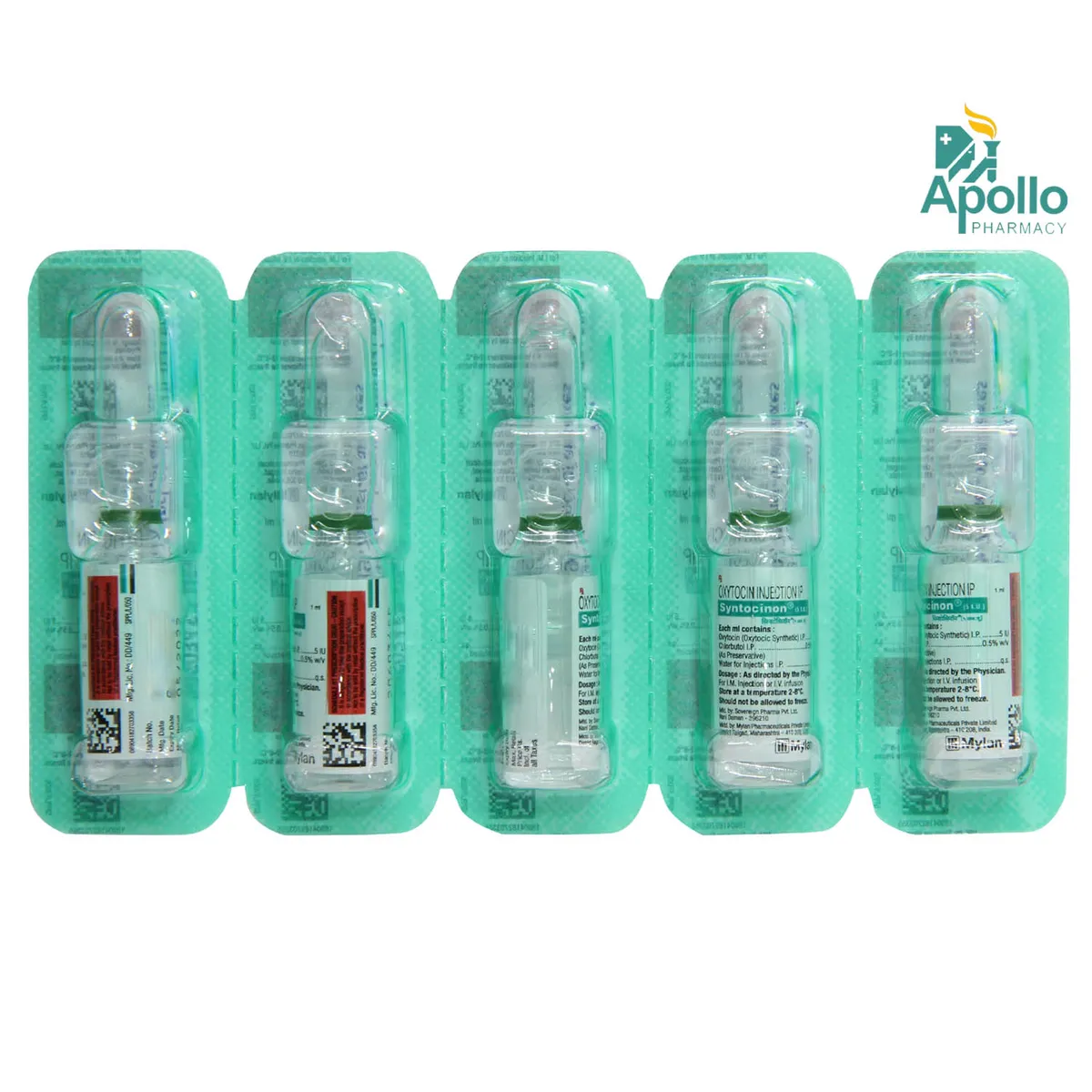
Syntocinon Injection 1 ml is used for initiating or improving uterine contraction (antepartum) and producing uterine contraction during the third stage of labour (postpartum). Besides this, it also controls postpartum bleeding or haemorrhage after childbirth. It contains a synthetic female hormone, Oxytocin, which stimulates uterine muscles and increases the uterus contractions. It also increases the production of a natural substance called prostaglandins (PGs), increasing contractions and hence inducing labour. As a result, these increased uterine contractions help deliver the child. It may cause common side effects such as nausea, vomiting, and headache. Before taking this medicine, you should tell your doctor if you are allergic to any of its components and about all the medications you are taking and pre-existing medical conditions.

Read more
Written By Bayyarapu Mahesh Kumar , M Pharmacy
Reviewed By Dr Aneela Siddabathuni , MPharma., PhD
OffersOffers & Discounts

Get Free delivery (₹99) with circle icon

Join Circle
Get Extra 12% Off with Coupons
Extra 10% Off with Bank Offers
bank offer
bank offer
bank offer

More about the Product

Composition :

OXYTOCIN-5I.U

Manufacturer/Marketer :

Novartis India Ltd

Consume Type :

Parenteral

Expires on or after :

Jan-27

Return Policy :

Not Returnable

NPPA :

Regulated

About Syntocinon Injection 1 ml

Syntocinon Injection 1 ml is an injectable clinical solution used to initiate or improve uterine contractions during childbirth. Doctors use this medication to help start labour when medically necessary or to strengthen contractions during a slow delivery. It is also highly effective at controlling or preventing excessive bleeding after the baby is born.

Since Syntocinon Injection 1 ml is given as an injection directly into a vein or muscle, its use is carefully managed by healthcare professionals in a hospital setting. It is not a daily medication and is only given for specific, short-term medical needs during delivery. Because it is injected directly, food intake does not impact how it works, but staying well-hydrated during labour is highly recommended to support your body's natural response.

Some patients may experience mild side effects, such as nausea, vomiting, or a temporary change in heart rate. While these are often manageable, it is vital to tell your medical team immediately if you experience severe headaches, extreme dizziness, or sudden swelling, as these can point to more serious complications. Your healthcare provider will monitor you and your baby closely throughout the entire process to ensure safety.

Before receiving Syntocinon Injection 1 ml, tell your doctor if you have had a previous Caesarean section or pelvic surgery or if you have high blood pressure or heart problems. Do not take this if you have been told that a vaginal delivery is unsafe for you or the baby, or if you have an unusually shaped pelvis. It should also be avoided if the baby is in an abnormal position or is showing signs of distress before labour begins.

This medicine can interact with certain blood pressure medications and anaesthetics, which may cause sudden changes in your blood pressure levels. While it is naturally used during childbirth, if you are breastfeeding, let your doctor know so they can monitor your recovery. Elderly individuals do not typically receive this medication, as its use is strictly limited to obstetric care.

Uses of Syntocinon Injection 1 ml

Syntocinon Injection 1 ml is used to initiate or improve uterine contractions during childbirth. The detailed uses of Syntocinon Injection 1 ml are as follows:

  • Induction of labour: Syntocinon Injection 1 ml helps start contractions in pregnant women when labour does not begin naturally and there is a medical reason to proceed with delivery.
  • Strengthening labour contractions: It helps improve the frequency and strength of contractions when labour has slowed down or stalled during delivery.
  • Prevention and control of postpartum bleeding: It causes the uterus to contract after childbirth, which helps squeeze blood vessels and significantly reduces heavy bleeding.

Key Benefits

Syntocinon Injection 1 ml helps support the labour and delivery process by promoting effective uterine contractions. It is also used to help control bleeding after childbirth, supporting maternal safety and recovery.

  • Supports Progression of Labour: By stimulating coordinated uterine contractions, Syntocinon Injection 1 ml helps support the progression of labour when medically indicated, contributing to a safer and more effective delivery process.
  • Helps Reduce Excessive Bleeding After Childbirth: Following delivery, Syntocinon Injection 1 ml helps the uterus contract firmly, which can reduce blood loss and lower the risk of postpartum haemorrhage.
  • Supports Postpartum Recovery: By helping the uterus return to its normal size and maintain effective contractions after childbirth, Syntocinon Injection 1 ml supports a more stable recovery period and promotes maternal well-being in the immediate postpartum phase.

Directions for Use

  • Follow your doctor's instructions on the dosage and timing of this medication to ensure safety.
  • Syntocinon Injection 1 ml will be administered by the doctor or healthcare professional.
  • Do not self-administer.

How Syntocinon Injection 1 ml Works

Syntocinon Injection 1 ml contains oxytocin. It works by mimicking a natural hormone in the body called oxytocin, which triggers the muscles of the uterus to contract. When injected into the bloodstream or muscle, it attaches to specific receptors on the uterine muscle cells, causing them to contract rhythmically, just as they would during natural labour. During delivery, these controlled contractions help dilate the cervix and gently push the baby down the birth canal. After delivery, the continued contractions caused by Syntocinon Injection 1 ml help compress the blood vessels where the placenta was attached, which effectively stops bleeding and helps the uterus begin its healing process.
bannner image

Alcohol

Unsafe

Syntocinon Injection 1 ml should not be taken until prescribed if you are taking alcohol. Keep your doctor informed if you drink alcohol.

bannner image

Pregnancy

Safe if prescribed

Syntocinon Injection 1 ml is used to induce contractions in the uterus so if given by the doctor for delivery it is safe.

bannner image

Breast Feeding

Caution

Inform your doctor if you are a nursing mother. Your doctor will weigh the benefits and potential risks before prescribing Syntocinon Injection 1 ml.

bannner image

Driving

Unsafe

Syntocinon Injection 1 ml can cause contraction of the uterus and lead to baby birth. So, driving a car may be highly unsafe.

bannner image

Liver

Caution

Inform the doctor before receiving the Syntocinon Injection 1 ml if you have had a Liver impairment/disorder history. Your doctor will prescribe only if the benefits outweigh the risks.

bannner image

Kidney

Caution

Inform the doctor before receiving the Syntocinon Injection 1 ml if you have had a Kidney impairment/disorder history. Your doctor will prescribe only if the benefits outweigh the risks.

bannner image

Children

Caution

Syntocinon Injection 1 ml is not recommended for children below the age of 18 years. The safety and effectiveness of Syntocinon Injection 1 ml have not been established in children due to limited testing of this drug on children by competent authorities worldwide.

bannner image

Heart

Consult your doctor

Please consult your doctor before using Syntocinon Injection 1 ml if you have pre-existing heart problems. Your doctor will prescribe Syntocinon Injection 1 ml if the benefits outweigh the risks.

bannner image

Geriatrics

Consult your doctor

Please consult a doctor before administering Syntocinon Injection 1 ml to geriatric patients. Your doctor will prescribe Syntocinon Injection 1 ml if the benefits outweigh the risks.

What if I have taken an overdose of Syntocinon Injection 1 ml

Because your medical team will monitor you continuously during the injection, they can instantly adjust or stop the medication if your uterus contracts too strongly or if your baby shows signs of stress. If you suspect an issue, inform your healthcare provider immediately

Diet & Lifestyle Advise

  • Stay well-hydrated: Drink plenty of water before and after delivery to support your body's recovery and keep blood pressure stable.
  • Maintain a light diet: If permitted by your medical team before labour induction, consume light, easy-to-digest foods to keep your energy up without upsetting your stomach.
  • Rest as much as possible: After receiving the injection and completing delivery, prioritise rest to allow your uterine muscles to heal and recover naturally.

Have a query?

How Soon It Starts Working

The time required for Syntocinon Injection 1 ml to start to work: The time required for Syntocinon Injection 1 ml to show its action is unknown. The time for which the effects of Syntocinon Injection 1 ml last: The duration of action for Syntocinon Injection 1 ml is unknown.

What if you forget to take Syntocinon Injection 1 ml

Since this medication is given in a clinical setting by healthcare professionals according to a strict medical plan, it is highly unlikely that you will miss a dose.

Storage

•Syntocinon Injection 1 ml is stored in a controlled healthcare environment. •Depending on the manufacturer's guidelines, it is stored either in a refrigerator between 2°C and 8°C (do not freeze) or at controlled room temperature below 25°C.
icon image

Keep Refrigerated. Do not freeze.Prepaid payment required.

Drug Warnings

  • Ensure the solution is clear and colourless; do not use it if it contains particles or appears discoloured.
  • Your healthcare team will continuously monitor your uterine contractions and your baby's heart rate during the injection.
  • Inform your doctor immediately if you feel sudden, sharp pain in your pelvic area during the infusion.
  • Always use a sterile needle and syringe if your medical setup requires manual preparation, ensuring safe disposal in a sharps container.
  • Let your provider know if you have a history of asthma or severe allergies before receiving the injection.

Drug-Drug Interactions

verifiedApollotooltip
  • Anaesthetics (like cyclopropane or halothane): May cause a sudden drop in blood pressure or abnormal heart rhythms when used together with Syntocinon Injection 1 ml.
  • Blood pressure-raising medicines (vasopressors): Can lead to severe high blood pressure if taken together.
  • Prostaglandins: These medicines can increase the effect of Syntocinon Injection 1 ml, making contractions extremely strong. They should be used with extreme caution under close supervision.
OxytocinMesoridazine
Critical

Drug-Drug Interactions

Login/Sign Up

How does the drug interact with Syntocinon Injection 1 ml:
Coadministration of Syntocinon Injection 1 ml with pimozide can increase the risk of abnormal heart rhythm.

How to manage the interaction:
Taking Pimozide with Syntocinon Injection 1 ml is not recommended, but should be taken if advised by a doctor. However, if you experience dizziness, lightheadedness, fainting, shortness of breath, or heart palpitations contact your doctor immediately. Do not discontinue any medications without consulting a doctor.
OxytocinMesoridazine
Critical
How does the drug interact with Syntocinon Injection 1 ml:
Using Syntocinon Injection 1 ml together with mesoridazine can increase the risk of abnormal heart rhythm.

How to manage the interaction:
Taking Syntocinon Injection 1 ml with Mesoridazine is not recommended, but should be taken if advised by a doctor. However, if you experience dizziness, lightheadedness, fainting, shortness of breath, or heart palpitations contact your doctor immediately. Do not discontinue any medications without consulting a doctor.
How does the drug interact with Syntocinon Injection 1 ml:
Coadministration of Syntocinon Injection 1 ml and sparfloxacin can increase the risk of irregular heart rhythm.

How to manage the interaction:
Taking Syntocinon Injection 1 ml with Sparfloxacin is not recommended, but should be taken if advised by a doctor. However, if you experience dizziness, lightheadedness, fainting, shortness of breath, or heart palpitations contact your doctor immediately. Do not discontinue any medications without consulting a doctor.
OxytocinHalofantrine
Critical
How does the drug interact with Syntocinon Injection 1 ml:
Taking Syntocinon Injection 1 ml with halofantrine can increase the risk of abnormal heart rhythm.

How to manage the interaction:
Taking Syntocinon Injection 1 ml with Halofantrine is not recommended, but should be taken if advised by a doctor. However, if you experience dizziness, lightheadedness, fainting, shortness of breath, or heart palpitations contact your doctor immediately. Do not discontinue any medications without consulting a doctor.
How does the drug interact with Syntocinon Injection 1 ml:
Using Syntocinon Injection 1 ml with cisapride can increase the risk of irregular heart rhythm.

How to manage the interaction:
Taking Syntocinon Injection 1 ml with cisapride is not recommended, but should be taken if advised by a doctor. However, if you experience dizziness, lightheadedness, fainting, shortness of breath, or heart palpitations contact your doctor immediately. Do not discontinue any medications without consulting a doctor.
How does the drug interact with Syntocinon Injection 1 ml:
Taking Syntocinon Injection 1 ml with dronedarone can increase the risk of abnormal heart rhythm.

How to manage the interaction:
Taking Syntocinon Injection 1 ml with Dronedarone is not recommended, but should be taken if advised by a doctor. However, if you experience dizziness, lightheadedness, fainting, shortness of breath, or heart palpitations contact your doctor immediately. Do not discontinue any medications without consulting a doctor.
OxytocinGrepafloxacin
Critical
How does the drug interact with Syntocinon Injection 1 ml:
Coadministration of Syntocinon Injection 1 ml with grepafloxacin can increase the risk of irregular heart rhythm.

How to manage the interaction:
Taking Syntocinon Injection 1 ml with Grepafloxacin is not recommended, but should be taken if advised by a doctor. However, if you experience dizziness, lightheadedness, fainting, shortness of breath, or heart palpitations contact your doctor immediately. Do not discontinue any medications without consulting a doctor.
How does the drug interact with Syntocinon Injection 1 ml:
Taking Syntocinon Injection 1 ml with Ziprasidone can increase the risk of irregular heart rhythm.

How to manage the interaction:
Taking Syntocinon Injection 1 ml with Ziprasidone is not recommended, but should be taken if advised by a doctor. However, if you experience dizziness, lightheadedness, fainting, shortness of breath, or heart palpitations contact your doctor immediately. Do not discontinue any medications without consulting a doctor.
How does the drug interact with Syntocinon Injection 1 ml:
Taking Syntocinon Injection 1 ml with thioridazine can increase the risk of abnormal heart rhythm.

How to manage the interaction:
Taking Syntocinon Injection 1 ml with Thioridazine is not recommended, but should be taken if advised by a doctor. However, if you experience dizziness, lightheadedness, fainting, shortness of breath, or heart palpitations contact your doctor immediately. Do not discontinue any medications without consulting a doctor.
How does the drug interact with Syntocinon Injection 1 ml:
Coadministration of Syntocinon Injection 1 ml with chloroquine can increase the risk of abnormal heart rhythm.

How to manage the interaction:
Although there is a interaction between chloroquine and Syntocinon Injection 1 ml, but it can be taken if your doctor has advised it. However, if you experience sudden dizziness, lightheadedness, fainting, shortness of breath, or rapid heartbeat, contact your doctor immediately. Do not discontinue any medications without first consulting your doctor.

Drug-Food Interactions

verifiedApollotooltip

No clinically significant food interactions are known with Syntocinon Injection 1 ml when used as directed.

No Drug - Food interactions found in our database. Some may be unknown. Consult your doctor for what to avoid during medication.

Drug-Food Interactions

Login/Sign Up

All Substitutes & Brand Comparisons

Habit Forming

No

Therapeutic Class

[OXYTOCIC, UTEROTONIC, ECBOLIC]

FAQs

Syntocinon Injection 1 ml is used for initiating or improving uterine contraction (antepartum) and producing uterine contraction during the third stage of labour (postpartum). Besides this, it also controls postpartum bleeding or haemorrhage after childbirth.
Syntocinon Injection 1 ml when given in the intravenous form, labour induction stimulates uterine muscle contractions in the uterus. Also, it increases the production of prostaglandins, which further increases contractions and hence induces labour. As a result, these increased uterine contractions help deliver the child.
No, giving Syntocinon Injection 1 ml in the form of a rapid injection into a vein is not recommended as it might cause hypotension (low blood pressure) or suddenly increased heart rate. It should always be given as an intravenous infusion, and the doctor will monitor the speed.
If you have a previous premature delivery, a c-section, or cervical surgery, please inform your doctor before starting Syntocinon Injection 1 ml. Also, mention a detailed medical history to your doctor to avoid complications.
The most common side effects of Syntocinon Injection 1 ml include nausea, vomiting, headache, and increased blood pressure. You might also feel increased uterine contractions for some time, but these are manageable under medical supervision.
Syntocinon Injection 1 ml is given as an injection as an intravenous infusion at a hospital only under strict medical supervision. The dose to be administered will be decided by your doctor, depending upon your current medical situation.
Yes, healthcare providers often use Syntocinon Injection 1 ml to strengthen and increase the frequency of contractions when labour has stalled or is progressing too slowly. Talk to your doctor to understand if this is right for your delivery.
When used under close medical supervision with continuous monitoring of the baby's heart rate, Syntocinon Injection 1 ml is widely considered safe and effective. Talk to your doctor or pharmacist if you have concerns about its safety.
Because Syntocinon Injection 1 ml can make contractions stronger and more regular, some women find the contractions feel more intense than natural ones. Talk to your doctor about pain management options during labour.
Yes, it is commonly injected after delivery to help the uterus contract, which safely reduces the risk of heavy bleeding or postpartum haemorrhage. Talk to your doctor for more details.
The body breaks down the active oxytocin in Syntocinon Injection 1 ml very quickly, and its effects usually fade within an hour after the infusion is stopped. Talk to your doctor or pharmacist if you want to know more.
No, Syntocinon Injection 1 ml does not have known long-term side effects when used correctly during labour and delivery under medical supervision. Talk to your doctor if you experience any unusual symptoms after your recovery.
No, Syntocinon Injection 1 ml must be given as an injection (parenteral route) because stomach acids would break it down before it could work. Talk to your doctor or pharmacist for more information on how this medicine is given.

Disclaimer

While we strive to provide complete, accurate, and expert-reviewed content on our 'Platform', we make no warranties or representations and disclaim all responsibility and liability for the completeness, accuracy, or reliability of the aforementioned content. The content on our platform is for informative purposes only, and may not cover all clinical/non-clinical aspects. Reliance on any information and subsequent action or inaction is solely at the user's risk, and we do not assume any responsibility for the same. The content on the Platform should not be considered or used as a substitute for professional and qualified medical advice. Please consult your doctor for any query pertaining to medicines, tests and/or diseases, as we support, and do not replace the doctor-patient relationship.

Country of origin

INDIA

Manufacturer/Marketer address

Sandoz House, Shiv Sagar Estate, Worli Mumbai -400 018, India
Other Info - SYN0013
whatsapp Floating Button