apollo
logo
0
Select Delivery Location
prescription
Prescription Medicine
info
Best Price

₹102 with coupons & bank offers*

View

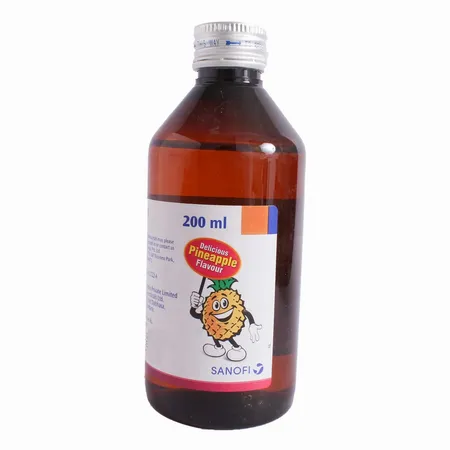
Valparin Oral Solution is used to treat epilepsy/seizures/fits. Additionally, it is also used to treat bipolar disorder and prevent symptoms of migraine (like a headache). It helps reduce mood swings and improve impulsive behaviour.

Read more
Written By Santoshini Reddy G , M Pharmacy
Reviewed By Dr Aneela Siddabathuni , MPharma., PhD
OffersOffers & Discounts

Get Free delivery (₹99) with circle icon

Join Circle
Get Extra 18% Off with Coupons
Extra 10% Off with Bank Offers
bank offer
bank offer
bank offer

More about the Product

Manufacturer/Marketer :

Sanofi India Ltd

Consume Type :

Oral

Expires on or after :

Jan-27

Return Policy :

Not Returnable

NPPA :

Regulated

About Valparin Oral Solution

Valparin Oral Solution is an oral prescription medicine used to treat different types of seizures in epilepsy. It is also prescribed to manage manic episodes associated with bipolar disorder and to prevent migraine headaches in adults. This medicine works by calming overactive nerves in the brain to help you stay balanced and seizure-free.

For Valparin Oral Solution to work effectively, you must take it consistently every day at the same times. It is usually taken once or twice a day, and taking it with or after food can help prevent stomach upset. Making simple lifestyle adjustments, such as getting enough sleep, managing daily stress, and eating regular meals, can also support your treatment and improve your overall results.

While taking Valparin Oral Solution , you might experience mild side effects like drowsiness, nausea, or temporary hair thinning. However, you must contact your doctor immediately if you notice serious symptoms such as severe upper stomach pain, unexplained bruising, or yellowing of your skin and eyes.

Do not take this if you have active liver disease or a family history of severe liver problems. Before starting Valparin Oral Solution , tell your doctor if you have kidney problems, urea cycle disorders, or mitochondrial disease. It is especially important to discuss your medical history because this medicine should not be taken during pregnancy unless there is no other treatment option.

This medicine can interact with alcohol, which can make you feel extremely sleepy and increase the risk of seizures, so it is best to avoid drinking while on this treatment. You should also consult your doctor if you are pregnant, planning to become pregnant, or breastfeeding, or if you are an older adult, as your body may handle the medication differently.
 

Uses of Valparin Oral Solution

Valparin Oral Solution is used to treat different types of seizures in epilepsy. The detailed uses of Valparin Oral Solution are as follows:

  • Epilepsy (Seizures): Valparin Oral Solution helps control and prevent various kinds of seizures, including generalised and partial seizures, by stabilising the electrical activity in the brain.
  • Bipolar Disorder (Manic Episodes): Valparin Oral Solution manages periods of extreme excitement, high energy, or irritability by helping to restore the balance of certain natural chemicals in your brain.
  • Migraine Prevention: Valparin Oral Solution helps by reducing how often you get severe migraine headaches, though it is not used to treat a migraine attack that has already started.
     

Key Benefits

Valparin Oral Solution helps manage certain neurological conditions by stabilising electrical activity in the brain. Depending on the condition being treated, it helps control seizures, stabilise mood, or reduce the frequency of migraine attacks, supporting a better quality of life.

  • Helps Control Seizures: By reducing abnormal electrical activity in the brain, Valparin Oral Solution helps decrease the frequency of seizures, allowing you to carry out daily activities with greater safety and confidence.
  • Supports Mood Stability: For individuals with bipolar disorder, Valparin Oral Solution helps reduce extreme mood swings and prevent manic episodes, promoting greater emotional stability and improved daily functioning.
  • Helps Prevent Migraine Attacks: When used for migraine prevention, Valparin Oral Solution helps reduce the frequency of migraine episodes, allowing you to spend more time enjoying your daily activities with fewer interruptions from headaches.
     
Side effects of Valparin Oral Solution 200 ml
Overcome Medication-Induced Nausea: A 9-Step Plan
  • Inform your doctor about the nausea and discuss possible alternatives to the medication or adjustments to the dosage.
  • Divide your daily food intake into smaller, more frequent meals to reduce nausea.
  • Opt for bland, easily digestible foods like crackers, toast, plain rice, bananas, and applesauce.
  • Avoid certain foods that can trigger nausea, such as fatty, greasy, spicy, and smelly foods.
  • Drink plenty of fluids, such as water, clear broth, or electrolyte-rich beverages like coconut water or sports drinks.
  • Use ginger (tea, ale, or candies) to help relieve nausea.
  • Get adequate rest and also avoid strenuous activities that can worsen nausea.
  • Talk to your doctor about taking anti-nausea medication if your nausea is severe.
  • Record when your nausea occurs, what triggers it, and what provides relief to help you identify patterns and manage your symptoms more effectively.
  • Consume controlled amounts of salt to raise sodium levels.
  • Eat fresh fruits like apples, berries, oranges, mangoes, and bananas.
  • Include fresh vegetables like broccoli, sweet potatoes, beets, okra, spinach, peppers, carrots, and edamame.
  • Choose frozen vegetables without added butter or sauce.
  • Drink electrolyte beverages like sports drinks or electrolyte solutions to replenish sodium and other electrolytes.
  • Avoid excessive salt intake, but allow for controlled increases as needed.
  • Monitor and manage underlying health conditions that may contribute to hyponatremia.
To prevent, manage, and treat Constipation caused by medication usage, follow these steps:
  • Preventing Vomiting (Before it Happens)
  • Take medication exactly as prescribed by your doctor. This can help minimize side effects, including vomiting.
  • Having a small meal before taking your medication can help reduce nausea and vomiting.
  • Talk to your doctor about taking anti-nausea medication along with your prescribed medication.
  • Managing Vomiting (If it Happens)
  • Try taking ginger in the form of tea, ale, or candy to help alleviate nausea and vomiting.
  • What to Do if Vomiting Persists
  • Consult your doctor if vomiting continues or worsens, consult the doctor for guidance on adjusting your medication or additional treatment.
  • Brush and floss regularly twice a day with fluoride toothpaste and once a day with floss.
  • Use a soft or extra-soft toothbrush.
  • Avoid tobacco products, as smoking can worsen gum problems.
  • Use an antimicrobial mouthwash to reduce bacteria and prevent bleeding.
  • Drink green tea rich in catechin to reduce inflammation from oral bacteria.
  • Eat a balanced diet high in nutrients and low in sugar.
  • Reduce stress to minimize inflammation and gum bleeding.
  • Consult your dentist if gums bleed consistently.
Here are the precise steps to cope with diarrhoea caused by medication usage:
  • Inform Your Doctor: Notify your doctor immediately about your diarrhoea symptoms. This allows them to adjust your medication or provide guidance on managing side effects.
  • Stay Hydrated: Drink plenty of fluids to replace lost water and electrolytes. Choose water, clear broth, and electrolyte-rich drinks. Avoid carbonated or caffeinated beverages to effectively rehydrate your body.
  • Follow a Bland Diet: Eat easy-to-digest foods to help firm up your stool and settle your stomach. Try incorporating bananas, rice, applesauce, toast, plain crackers, and boiled vegetables into your diet.
  • Avoid Trigger Foods: Steer clear of foods that can worsen diarrhoea, such as spicy, fatty, or greasy foods, high-fibre foods, and dairy products (especially if you're lactose intolerant).
  • Practice Good Hygiene: Maintain good hygiene to prevent the spread of infection. To stay healthy, wash your hands frequently, clean and disinfect surfaces regularly, and avoid exchanging personal belongings with others.
  • Take Anti-Diarrheal Medications: If your doctor advises, anti-diarrheal medications such as loperamide might help manage diarrhoea symptoms. Always follow your doctor's directions.
  • Keep track of your diarrhoea symptoms. If they don't get better or worse or are accompanied by severe stomach pain, blood, or dehydration signs (like extreme thirst or dark urine), seek medical help.
Here are the steps to manage medication-triggered tremors or involuntary shaking:
  • Notify your doctor immediately if you experience tremors or involuntary shaking after taking medication or adjusting your medication regimen.
  • Your doctor may adjust your medication regimen or recommend alternative techniques like relaxation, meditation, or journaling to alleviate tremor symptoms.
  • Your doctor may direct you to practice stress-reducing techniques, such as deep breathing exercises, yoga, or journaling.
  • Regular physical activity, such as walking or jogging, can help reduce anxiety and alleviate tremor symptoms.
  • Your doctor may recommend lifestyle changes, such as avoiding caffeine, getting enough sleep, and staying hydrated, to help manage tremors.
  • Maintain regular follow-up appointments with your doctor to monitor tremor symptoms and adjust treatment plans as needed.

Directions for Use

  • Valparin Oral Solution can be taken with or without food.
  • Follow your doctor's instructions on the dosage and timing of this medication.
  • Swallow Valparin Oral Solution as a whole with a glass of water.
  • Do not crush, break, or chew it.

How Valparin Oral Solution Works

Valparin Oral Solution contains sodium valproate, which helps to look at the chemistry of the brain. Your brain relies on electrical signals and chemical messengers to function. Sometimes, overactive electrical signals can cause a seizure or trigger a migraine. Valparin Oral Solution works by increasing the levels of a natural calming chemical in your brain called gamma-aminobutyric acid (GABA). By boosting GABA, Valparin Oral Solution helps block the excessive and rapid electrical signals that cause brain cells to overreact. This balancing effect calms brain activity, which helps prevent the onset of seizures, reduces the frequency of migraines, and stabilises fluctuating moods.
bannner image

Alcohol

Unsafe

Avoid consumption of alcohol while taking Valparin Oral Solution as it may cause increased dizziness and sleepiness.

bannner image

Pregnancy

Unsafe

Valparin Oral Solution belongs to pregnancy category D. Avoid taking Valparin Oral Solution if you are pregnant as it could lead to serious birth defects.

bannner image

Breast Feeding

Consult your doctor

Valparin Oral Solution may pass into breastmilk. Consult your doctor before taking Valparin Oral Solution if you are breastfeeding.

bannner image

Driving

Unsafe

Valparin Oral Solution causes dizziness, sleepiness and tiredness. Do not drive or operate machinery unless you are alert.

bannner image

Liver

Unsafe

Valparin Oral Solution should not be used if you have liver problems or your family has a history of liver problems. Please consult your doctor if you have any concerns regarding this.

bannner image

Kidney

Caution

Dose adjustment may be needed in patients with kidney impairment. Please consult your doctor if you have kidney impairment or any concerns regarding this.

bannner image

Children

Consult your doctor

Valparin Oral Solution can be given to children if prescribed by the doctor. The dose will be adjusted by the doctor depending upon the child's body weight.

bannner image

Heart

Consult your doctor

It is unknown whether Valparin Oral Solution is safe for use in cardiac patients or not. Please consult your physician.

bannner image

Geriatrics

Caution

Valparin Oral Solution should be given with caution in elderly patients due to age-related side effects. Seek medical advice before using Valparin Oral Solution .

What if I have taken an overdose of Valparin Oral Solution

In case of an accidental overdose, seek immediate emergency medical attention right away. Symptoms of an overdose can include extreme drowsiness, confusion, shallow breathing, or loss of consciousness.

Diet & Lifestyle Advise

  • Maintain a consistent sleep routine: Lack of sleep is a well-known trigger for both seizures and migraines. Aim for 7 to 8 hours of quality sleep every night.
  • Avoid alcohol completely: Alcohol can increase the sedative effects of Valparin Oral Solution , making you extremely dizzy or sleepy, and it can also lower your seizure threshold.
  • Eat regular meals: Skipping meals can trigger migraines or affect your metabolic balance. Eating consistent, balanced meals helps maintain steady energy levels.
  • Keep a health diary: Track your daily doses, any seizures or migraine attacks, and any mild side effects you notice. This record is highly valuable for your doctor during check-ups.
  • Stay adequately hydrated: Drinking enough water throughout the day supports overall brain health and can help reduce the frequency of headaches.
     
health query

Have a query?

How Soon It Starts Working

  • The time required for Valparin Oral Solution to start to work: Valparin Oral Solution ideally shows its action within 2 hours after administration.
  • The time for which the effects of Valparin Oral Solution last: The effect of Valparin Oral Solution lasts for 24 hours.

What if you forget to take Valparin Oral Solution

If you miss a dose of Valparin Oral Solution , take it as soon as you remember. However, if it is almost time for your next scheduled dose, skip the missed dose and resume your regular schedule. Do not take a double dose to make up for a missed one. If you are unsure, talk to your doctor or pharmacist.

Storage

• Store Valparin Oral Solution tablets, capsules, or oral solutions at room temperature, ideally between 15°C and 30°C (59°F to 86°F).

Drug Warnings

  • Use highly effective birth control: This medication carries a high risk of causing severe birth defects. If you are of childbearing age, discuss safe, reliable contraception options with your doctor.
  • Do not stop treatment abruptly: Stopping Valparin Oral Solution suddenly can cause severe, continuous seizures that can be dangerous. Always consult your doctor before making any changes.
  • Avoid driving or operating machinery: This medicine can make you feel sleepy or dizzy, especially when you first start taking it. Do not perform tasks requiring full alertness until you know how it affects you.
  • Monitor your mood: Pay close attention to any sudden changes in your mental health. Report any signs of depression, anxiety, or unusual thoughts to your doctor immediately.
  • Get regular blood tests: Your doctor will need to perform periodic blood tests to monitor your liver function, platelet counts, and the level of medicine in your body. Keep all your medical appointments.
     

Drug-Drug Interactions

verifiedApollotooltip
  • Aspirin: Taking aspirin with Valparin Oral Solution can increase the level of this medicine in your blood, raising the risk of side effects.
  • Other seizure medications: Medicines like carbamazepine, phenytoin, or phenobarbital can speed up how your body processes Valparin Oral Solution , while taking it with lamotrigine can increase lamotrigine levels to unsafe amounts.
  • Blood thinners: Combining this medicine with blood thinners like warfarin can increase your risk of bleeding or bruising.
     
Sodium ValproateSodium phenylbutyrate
Critical

Drug-Drug Interactions

Login/Sign Up

Sodium ValproateSodium phenylbutyrate
Critical
How does the drug interact with Valparin Oral Solution 200 ml:
Combining Sodium phenylbutyrate and Valparin Oral Solution 200 ml can increase ammonia levels in the blood.

How to manage the interaction:
Taking Sodium phenylbutyrate with Valparin Oral Solution 200 ml is not recommended, but it can be taken if prescribed by a doctor. If you experience any symptoms like sudden dizziness, lightheadedness, fainting, headache, shortness of breath, nausea, vomiting, chest pain or tightness, rapid heartbeat, or memory loss, contact your doctor immediately. Do not discontinue any medications without consulting a doctor.
How does the drug interact with Valparin Oral Solution 200 ml:
Using buprenorphine together with Valparin Oral Solution 200 ml may increase the risk of severe side effects, including respiratory problems and loss of consciousness.

How to manage the interaction:
Although the administration of buprenorphine alongside Valparin Oral Solution 200 ml can result in an interaction, it can be taken if a doctor has advised it. However, if you experience sudden dizziness, lightheadedness, fainting, shortness of breath, chest pain or tightness, rapid heartbeat, or memory loss, contact a doctor immediately. Do not discontinue any medications without consulting a doctor.
How does the drug interact with Valparin Oral Solution 200 ml:
Co-administration of Meropenam and Valparin Oral Solution 200 ml together can reduce the effect of Valparin Oral Solution 200 ml.

How to manage the interaction:
Co-administration of Meropenam and Valparin Oral Solution 200 ml can lead to an interaction, but it can be taken if your doctor advises. However, if you experience any unusual symptoms, consult a doctor immediately. Do not discontinue any medications without consulting a doctor.
How does the drug interact with Valparin Oral Solution 200 ml:
Co-administration of Lithium with Valparin Oral Solution 200 ml can increase the risk irregular heart rhythm.

How to manage the interaction:
Co-administration of Lithium and Valparin Oral Solution 200 ml can lead to an interaction, but it can be taken if advised by your doctor. However, consult your doctor immediately if you experience any symptoms like dizziness, drowsiness, confusion, lightheadedness, fainting, shortness of breath, chest pain or tightness, rapid heartbeat, and difficulty concentrating. Do not discontinue any medications without consulting a doctor.
How does the drug interact with Valparin Oral Solution 200 ml:
Co-administration of Ketamine and Valparin Oral Solution 200 ml can increase side effects and cause respiratory depression.

How to manage the interaction:
Co-administration of Ketamine and Valparin Oral Solution 200 ml can lead to an interaction, but it can be taken if your doctor advises. However, consult your doctor immediately if you experience any symptoms like dizziness, drowsiness, confusion, difficulty concentrating, excessive sedation, impaired thinking, judgment, and motor coordination. Avoid driving or operating hazardous machinery until you know how these medications affect you. Do not discontinue any medications without consulting the doctor.
How does the drug interact with Valparin Oral Solution 200 ml:
Co-administration of Teriflunomide and Valparin Oral Solution 200 ml can increase the risk of causing liver problems.

How to manage the interaction:
Co-administration of Teriflunomide and Valparin Oral Solution 200 ml can lead to an interaction, it can be taken if advised by your doctor. However, if you experience any symptoms like fever, chills, joint pain or swelling, unusual bleeding or bruising, skin rash, itching, loss of appetite, fatigue, nausea, vomiting, abdominal pain, dark-colored urine, light-colored stools, and yellowing of the skin or eyes. Avoid alcohol while taking these medications, and consult your doctor immediately. Do not discontinue any medications without consulting your doctor.
Severe
How does the drug interact with Valparin Oral Solution 200 ml:
Co-administration of Vorinostat with Valparin Oral Solution 200 ml can increase the risk of unusual bleeding.

How to manage the interaction:
Co-administration of Vorinostat and Valparin Oral Solution 200 ml can lead to an interaction, it can be taken if advised by your doctor. However, if you experience any symptoms like unusual bleeding or bruising, vomiting, blood in your urine or stools, headache, dizziness, or weakness, consult your doctor immediately. Do not discontinue any medications without consulting your doctor.
How does the drug interact with Valparin Oral Solution 200 ml:
The combined use of Ertapenem and Valparin Oral Solution 200 ml can reduce the blood levels of valproic acid.

How to manage the interaction:
Co-administration of Ertapenem and Valparin Oral Solution 200 ml can lead to an interaction, it can be taken if advised by your doctor. However, if you experience any symptoms like loss of seizure control or changes in behavior, consult your doctor immediately. Do not discontinue any medications without consulting the doctor.
How does the drug interact with Valparin Oral Solution 200 ml:
Co-administration of Valparin Oral Solution 200 ml with doripenem can reduce the blood levels of valproic acid.

How to manage the interaction:
Co-administration of Doripenam and Valparin Oral Solution 200 ml can lead to an interaction, it can be taken if advised by your doctor. However, if you experience sudden dizziness, lightheadedness, fainting, shortness of breath, chest pain or tightness, rapid heartbeat, involuntary muscle movements, or memory loss, contact your doctor immediately. Do not discontinue any medications without consulting a doctor.
How does the drug interact with Valparin Oral Solution 200 ml:
Co-administration of Leflunomide and Valparin Oral Solution 200 ml can increase the risk of causing liver problems.

How to manage the interaction:
Co-administration of Leflunomide and Valparin Oral Solution 200 ml can lead to an interaction, they can be taken together if prescribed by a doctor. However, if you experience fever, chills, joint pain or swelling, unusual bleeding or bruising, skin rash, itching, less desire to eat, fatigue, nausea, vomiting, abdominal pain, or yellowing of the skin or eyes, contact a doctor immediately. Do not discontinue any medications without consulting a doctor.

Drug-Food Interactions

verifiedApollotooltip
  • Alcohol: Drinking alcohol while taking this medicine can cause severe drowsiness, impair coordination, and increase the risk of seizures.


No Drug - Food interactions found in our database. Some may be unknown. Consult your doctor for what to avoid during medication.

Drug-Food Interactions

Login/Sign Up

Habit Forming

No

Therapeutic Class

[ANTICONVULSANT]

FAQs

Valparin Oral Solution is used to treat epilepsy/seizures/fits. Additionally, it is also used to treat bipolar disorder and prevent symptoms of migraine (like a headache).
Valparin Oral Solution decreases the excessive and abnormal nerve activity in the brain. It balances the brain's chemical messenger and prevents overactivity of the brain, thereby controlling seizure episodes.
Valparin Oral Solution helps to treat manic episodes associated with bipolar disorder by increasing the amount of a chemical substance called GABA; this helps in blocking the nerve transmission across the brain and provides a calming effect.
Valparin Oral Solution limits the transmission of nerve pain, thereby preventing migraine headaches. Migraines are a neurological condition characterised by intense headaches.
Do not discontinue Valparin Oral Solution without consulting your doctor. To treat your condition effectively, continue taking Valparin Oral Solution for as long as prescribed. Do not be reluctant to speak with your doctor if you experience any difficulty while taking Valparin Oral Solution ; your doctor will reduce the dose gradually to avoid worsening of seizures.
Birth-control pills like oestrogen-containing products may affect the way Valparin Oral Solution works. It is better to consult the doctor if you are using birth control pills to avoid pregnancy.
Valparin Oral Solution might cause fertility issues in both men and women. However, it can be reversible upon discontinuation of Valparin Oral Solution . In rare cases, Valparin Oral Solution can be a contributing factor in male infertility.
Limit caffeine intake, avoid smoking and mouthwashes containing alcohol, drink water regularly, and chew sugar-free gum/candy might prevent dry mouth.
Valparin Oral Solution may change the results of liver enzymes, urine and blood tests. Inform the person doing the tests that you are taking Valparin Oral Solution .
Store Valparin Oral Solution at room temperature, in a dry place. Keep out of sight and reach of children.
Valparin Oral Solution may cause side effects like stomach pain, nausea, vomiting, dry mouth, tremors, tiredness, sleepiness, headache, weight gain, and hair loss. Most of these side effects do not require medical attention and will resolve gradually over time. However, you are advised to talk to your doctor if you experience these side effects persistently.
Yes, Valparin Oral Solution causes dizziness, sleepiness and tiredness. Do not drive or operate machinery unless you are alert.
No, taking higher than the recommended dose of Valparin Oral Solution will not be more effective and may cause unpleasant side effects. Do not take more than the prescribed dose of Valparin Oral Solution as it may cause an overdose.
No, you should avoid drinking alcohol while taking this medicine. Alcohol can increase the sleepiness and dizziness caused by Valparin Oral Solution and may also increase your risk of having a seizure. Talk to your doctor.
You must contact your doctor immediately before planning a pregnancy or as soon as you discover you are pregnant. This medicine carries a high risk of causing physical and developmental birth defects. Your doctor will help you evaluate alternative treatments. Talk to your doctor.
Yes, weight gain is a common side effect for some people taking this medicine. Managing your diet and staying physically active can help, but you should not make drastic changes without medical advice. Talk to your doctor.
No, you should never stop taking this medicine on your own. Stopping it suddenly can cause your seizures to return more frequently or become more severe. If you need to stop, your doctor will guide you on how to reduce your dose safely. Talk to your doctor.
Your doctor needs to check your blood regularly to monitor your liver health, check your blood platelet counts, and ensure the level of medicine in your body is within a safe and effective range. Talk to your doctor.
Some people experience temporary thinning or loss of hair while taking this medicine. In most cases, the hair grows back once the treatment is stopped or adjusted, though it may grow back with a slightly different texture. Talk to your doctor.
You can take this medicine with or without food. However, taking it with or immediately after a meal can help reduce common stomach upsets, such as nausea or indigestion. Talk to your doctor.

Disclaimer

While we strive to provide complete, accurate, and expert-reviewed content on our 'Platform', we make no warranties or representations and disclaim all responsibility and liability for the completeness, accuracy, or reliability of the aforementioned content. The content on our platform is for informative purposes only, and may not cover all clinical/non-clinical aspects. Reliance on any information and subsequent action or inaction is solely at the user's risk, and we do not assume any responsibility for the same. The content on the Platform should not be considered or used as a substitute for professional and qualified medical advice. Please consult your doctor for any query pertaining to medicines, tests and/or diseases, as we support, and do not replace the doctor-patient relationship.

Country of origin

India

Manufacturer/Marketer address

CT Survey No.117-B, L&T Business Park, Saki Vihar Road, Powai, Mumbai 400072.
Other Info - VAL0031
whatsapp Floating Button
Buy Now
Add to Cart