logo
0

11 Month Baby Food Chart and Guide

Explore an 11 month baby food chart and guide with nutritious food options, meal ideas, feeding tips, and guidance for a balanced diet.

article image

Dr. Kamran

At 11 months old, your baby stands right on the threshold of toddlerhood. This is an exciting, active, and transitional phase for your little one. They are likely cruising along furniture, pointing at things they want, babbling enthusiastically, and developing a fine-tuned pincer grasp (the ability to pick up small objects between the thumb and index finger). This motor development means they are more eager than ever to feed themselves.

As a parent, transitioning from purees to textured family foods can feel both exciting and overwhelming. Crafting a balanced 11-month baby food chart is an excellent way to ensure your growing infant gets the essential nutrients they need to fuel their rapid physical and cognitive development.

This comprehensive guide covers everything you need to know about feeding your almost-one-year-old, including nutritional requirements, safe portion sizes, a sample 11 months baby food chart with timing, and easy recipes to try at home.

Nutritional Needs of an 11-Month-Old Baby

By 11 months, your baby’s digestive system is mature enough to handle a wide variety of textures. While breast milk or infant formula still provides essential hydration and fats, solids are rapidly becoming their primary source of energy and nutrients.

To support their growth, a nutritious diet for 11 month baby should focus on the following key nutrients:

  • Iron: Crucial for brain development and healthy red blood cells. Since iron stores built during pregnancy naturally deplete by 6 months, iron-rich foods for 11 month baby is vital. Focus on beans, lentils, fortified cereals, and well-cooked lean meats.
  • Calcium and Vitamin D: Essential for developing strong bones and teeth. Healthy dairy foods like yoghurt and cheese are excellent options.
  • Healthy Fats: Necessary for brain development. Include avocados, nut butters (spread thinly), and fatty fish like salmon.
  • Vitamins A, C, and E: Found in colourful fruits and vegetables (like sweet potatoes, broccoli, and berries), these vitamins support immune health and vision.
  • Zinc and Protein: Found in legumes, eggs, tofu, and meats, these support cell growth and muscle repair.

When selecting healthy food for 11 months baby, prioritise whole, unprocessed ingredients. Avoid adding salt, sugar, honey, or artificial preservatives to their meals, as their kidneys are still maturing, and their taste preferences are being shaped for life.

How Much Should an 11-Month-Old Eat?

A common question parents ask is: How much food does my baby actually need? At this stage, your baby’s appetite may fluctuate daily depending on their activity level, growth spurts, and teething.

11 Month Baby Food Quantity Guidelines

When determining the quantity of food for 11 month baby, use these general portions as a starting point, but always practice responsive feeding—allowing your baby to decide when they are full:

  • Breast Milk or Formula: 16 to 24 ounces (approx. 470 to 710 ml) per day, divided into 3 to 4 feeds.
  • Solids: 3 main meals and 1 to 2 small snacks per day.

Serving Sizes Per Meal:

  • Grains (Cereal, bread, pasta): 2 to 4 tablespoons
  • Fruits and Vegetables: 2 to 4 tablespoons
  • Protein (Meat, fish, eggs, beans): 1 to 2 tablespoons
  • Dairy (Yoghurt, pasteurised cheese): 1 to 2 tablespoons

Understanding the exact food quantity for 11 month baby helps prevent overfeeding. When figuring out how much food for 11 month old to put on an 11-month-old's tray, start small. Put a tablespoon or two of each food on their plate. You can always offer seconds if they show signs of hunger.

What Food Can Be Given to 11 Month Baby?

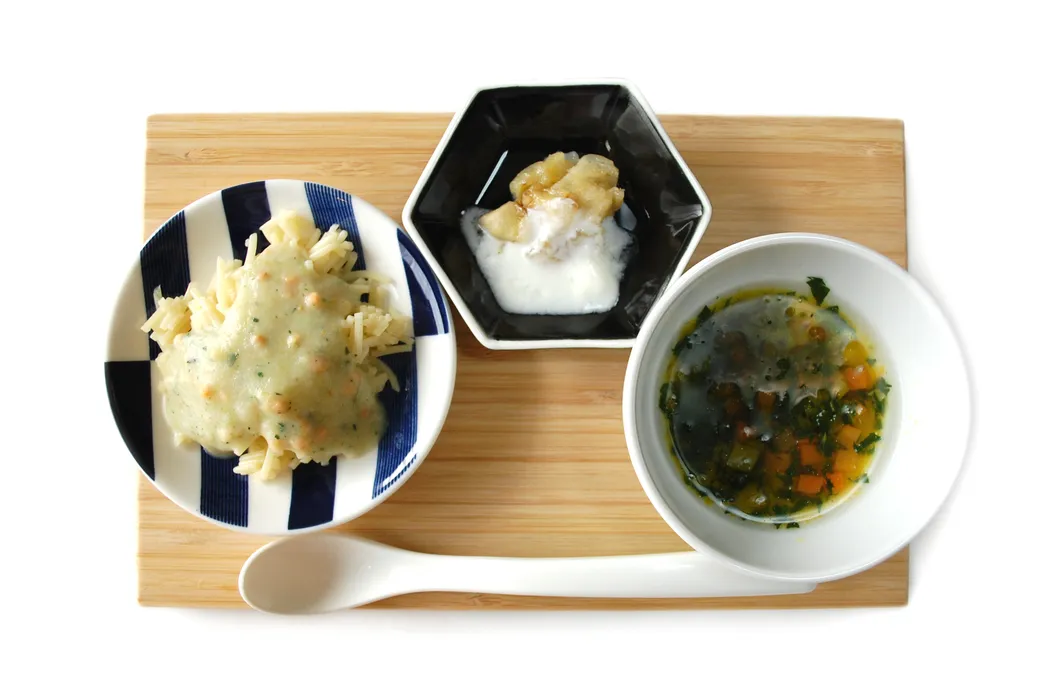
If you are wondering what food can you give to your 11-month-old baby, the answer is: almost anything the rest of the family eats, provided it is prepared safely! Your 11 month old baby food should be soft, finely chopped, mashed, or cut into small, bite-sized pieces to prevent choking.

Here are some of the best foods for 11 month baby categorised by food groups:

1. Grains

Whole grains provide the energy your active baby needs. Excellent options include:

  • Oatmeal, barley, or ragi (finger millet) porridge.
  • Soft whole-wheat pasta or well-cooked brown rice.
  • Small, toasted pieces of whole-grain bread or soft rotis soaked in dal.

2. Fruits

Fruits are packed with vitamins and natural fibre. Offer them raw and soft, or lightly steamed:

  • Mashed bananas, avocados, or soft peaches.
  • Thinly sliced strawberries, blueberries (cut in halves or quarters), or raspberries.
  • Steamed and mashed apples or pears.

3. Vegetables

Introduce a rainbow of vegetables to expand your baby's palate:

  • Steamed broccoli or cauliflower florets (cut into small pieces).
  • Baked or boiled sweet potato, pumpkin, or carrot sticks.
  • Cooked peas and thoroughly mashed spinach.

4. Proteins and Legumes

Protein is essential for muscle development:

  • Hard-boiled eggs, either scrambled or cut into small pieces.
  • Well-cooked, shredded chicken, turkey, or ground beef.
  • Thoroughly mashed lentils (dal), chickpeas, or black beans.
  • Tofu cut into small cubes.

5. Dairy

  • Plain, unsweetened whole-milk yoghurt or Greek yoghurt.
  • Mild, pasteurised cheeses like cottage cheese, ricotta, or shredded mozzarella.

Note: Avoid introducing whole cow’s milk as a primary beverage until after their first birthday.

Using these ingredients, you can easily brainstorm diverse food options for 11-month-old baby meals to keep dinner time exciting and nutritious.

Complete 11 Month Baby Food Chart with Timing

A structured routine helps your baby know what to expect and regulates their biological clock. Below is a sample 11-month baby food chart with timing that balances breast milk/formula with three solid meals and snacks.

This guide includes both global options and a traditional 11-month baby food chart indian context to offer a complete diet plan for an 11-month baby.

Sample Daily Schedule

TimingFood / Feed CategoryMeal Description & Options
7:00 AMWake up / Morning FeedBreast milk or 6–8 oz of Formula
8:30 AMBreakfastOption A: Oatmeal porridge topped with mashed berries.Option B (Indian): Soft suji (semolina) upma with grated carrots or ragi porridge.
10:30 AMMid-Morning SnackOption A: Soft sliced avocado or steamed apple wedges.Option B: A few tablespoons of plain whole-milk yoghurt.
1:00 PMLunchOption A: Shredded salmon/tofu with sweet potato mash.Option B (Indian): Moong dal khichdi with mixed mashed vegetables and a dollop of ghee.
3:30 PMAfternoon FeedBreast milk or 4–6 oz of Formula
5:00 PMEvening Snack (Optional)Option A: Hummus on tiny pieces of whole-wheat pita bread.Option B (Indian): Soft-boiled paneer cubes or a mild potato-peas mash.
6:30 PMDinnerOption A: Mini turkey or chicken meatballs with well-cooked pasta stars.Option B (Indian): Soft whole-wheat roti mashed in curd or mild vegetable stew.
8:00 PMBedtime FeedBreast milk or 6–8 oz of Formula


This versatile 11-month baby diet chart can be adjusted according to your family’s routine. Whether you follow a Western-style 11-month-old baby food menu or an 11-month ke baby ka diet chart designed for traditional Indian households, the key is consistency and offering balanced macronutrients.
 

11 Month Baby Food Ideas and Recipes

If you want to move past basic purees and need fresh 11 month baby food ideas, here are three simple, nutritious, and baby-approved recipes. These are designed to be soft, easy to chew, and packed with vital nutrients.

Recipe 1: Iron-Rich Ragi and Apple Porridge

Ragi (finger millet) is highly popular in an 11 month baby ka diet chart due to its exceptionally high calcium and iron content.

  • Ingredients: 2 tablespoons ragi flour, 1/2 apple (peeled and grated), 1 cup water, a pinch of cardamom powder.

Instructions:

  • Dissolve ragi flour in water to make a lump-free slurry.
  • Cook the mixture on low heat, stirring continuously.
  • Add the grated apple and cardamom powder.
  • Simmer for 5 to 7 minutes until the apple is soft and the mixture thickens.
  • Allow it to cool to lukewarm before serving.

Recipe 2: Sweet Potato and Avocado Mash

This recipe is packed with vitamin A, potassium, and healthy monounsaturated fats, making it a fantastic food for 11 month old babies.

  • Ingredients: 1/2 sweet potato, 1/2 ripe avocado.

Instructions:

  • Peel and cube the sweet potato, then steam or boil it until fork-tender.
  • Scoop out the flesh of a ripe avocado.
  • Mash both ingredients together using a fork or potato masher.
  • Leave small, soft lumps so your baby can practice chewing.

Recipe 3: Mini Banana-Oat Pancakes (Finger Food)

Pancakes are perfect food ideas for 11 month old babies who love practising their pincer grasp.

  • Ingredients: 1 ripe banana, 1/2 cup rolled oats (ground into flour), 1 egg (or 2 tbsp of milk/water for an egg-free version), a pinch of cinnamon.

Instructions:

  • In a bowl, mash the banana completely.
  • Whisk in the egg (or liquid) and cinnamon, then fold in the oat flour until a batter forms.
  • Heat a non-stick pan over medium-low heat and lightly grease it with ghee or butter.
  • Pour tablespoon-sized circles of batter onto the pan.
  • Cook for 2 to 3 minutes on each side until golden brown.
  • Cut into small, bite-sized strips before serving.

Essential Feeding Safety and Tips

To make mealtime successful, safe, and stress-free, keep these evidence-based safety guidelines in mind:

  • Watch for Choking Hazards: Never leave your baby unattended while eating. Avoid foods that present a high choking risk, such as whole grapes, whole nuts, popcorn, raw hard vegetables (like carrots), and large chunks of meat.
  • Delay Honey: Do not give honey (even cooked honey) to infants under 12 months. Honey can contain spores of Clostridium botulinum, which can lead to rare but serious infant botulism.
  • Hold off on Cow's Milk as a Drink: Keep feeding your baby breast milk or formula. Cow's milk does not contain the right balance of nutrients for an infant and is difficult for them to digest. However, foods made with milk (like yogurt, cheese, and porridges) are safe and healthy.
  • Introduce Allergens Safely: If you haven’t already, introduce common allergens (like eggs, peanuts, fish, soy, and wheat) one at a time. Watch for any signs of an allergic reaction, such as hives, swelling, or vomiting.
  • Encourage Self-Feeding: Don't worry about the mess! Allow your baby to explore textures with their hands. This tactile sensory experience builds coordination and fosters a positive relationship with food.

FAQs

Can I give my 11-month-old water?

Yes. You can offer your baby small amounts of water (about 4 to 8 ounces per day) in an open or sippy cup. This helps them stay hydrated and rinses their mouth after meals, but it should not replace breast milk or formula.

My 11-month-old is refusing to eat solids. What should I do?

Food strikes are completely normal at this age. Teething, growth lulls, or mild illnesses can temporarily reduce their appetite. Continue offering a variety of nutritious foods without forcing them to eat. If your baby is still drinking breast milk or formula and is gaining weight normally, they are likely doing fine.

How many times a day should an 11-month-old baby poop?

Stool frequency varies widely. Some babies have bowel movements after every meal, while others may go once every day or two. What matters most is consistency. If the stool is soft and your baby is comfortable, their digestive system is functioning well.

Can I add spices to my 11-month-old baby's food?

Yes, you can introduce mild aromatics and spices! Herbs like cilantro, basil, and mint, as well as mild spices like turmeric, cumin, cinnamon, and nutmeg, are great for expanding their palate. Avoid spicy elements like cayenne pepper or chilli powder, and do not add salt.

How do I know if my baby is full?

Your baby will tell you when they have had enough. Signs of fullness include turning their head away, pushing the food plate or spoon away, closing their mouth tightly, or spitting out food. Never force your baby to finish a portion.

Apollo 247 Floating Action Button