logo
0

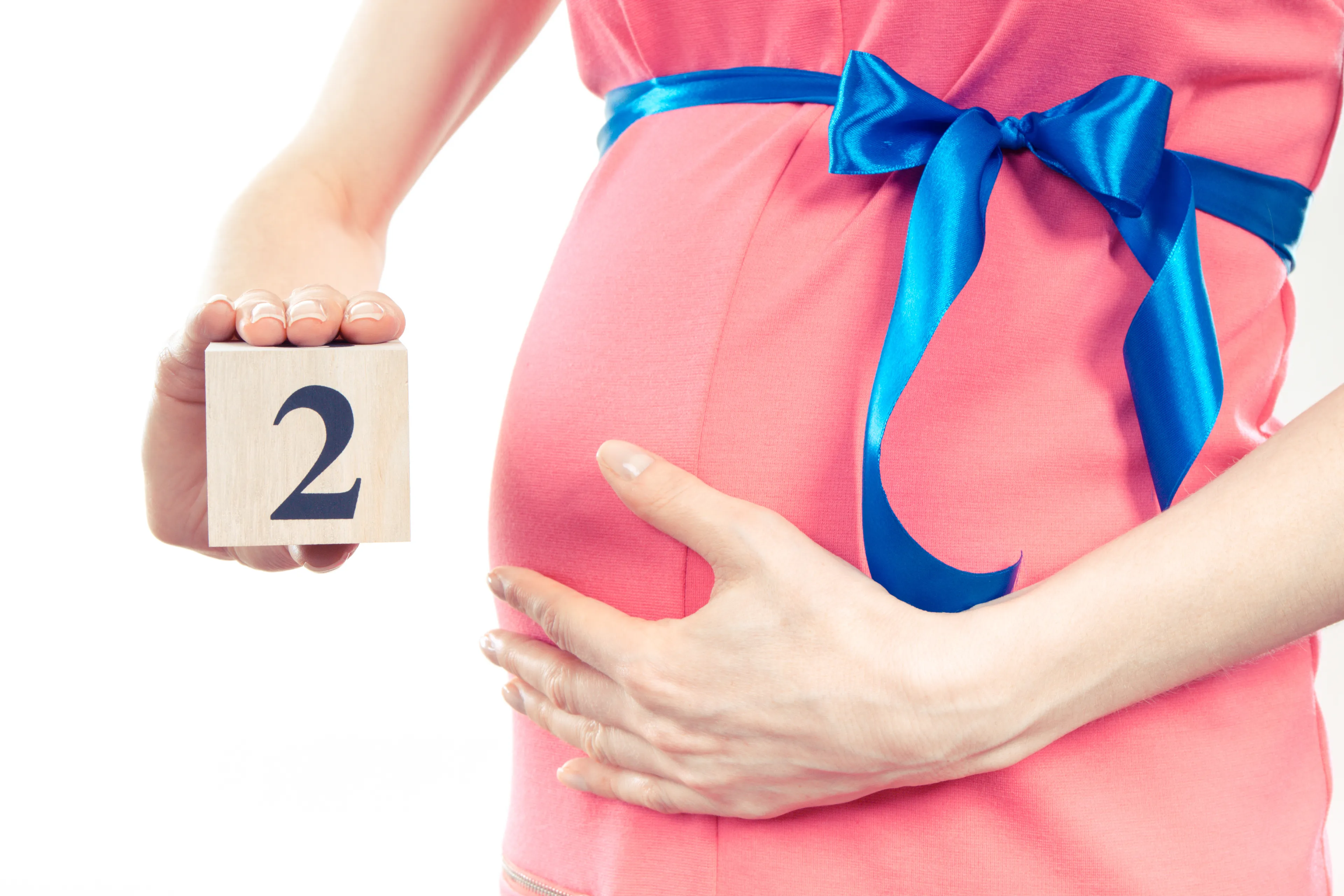
2nd Month Pregnancy Symptoms and Foetal Development

Learn about 2nd month pregnancy symptoms, embryo and foetal development, body changes, warning signs and safe ways to manage common symptoms.

article image

Dr.Nallapu Siri

The second month of pregnancy is often when early pregnancy symptoms become more noticeable. Nausea, tiredness, breast tenderness and changes in appetite are common, although every pregnancy is different. Understanding 2nd month pregnancy symptoms can help you recognise common changes while knowing which symptoms need medical attention.

What Happens in the Second Month of Pregnancy?

The second month generally covers weeks 5 through 8 of pregnancy. Pregnancy is dated from the first day of the last menstrual period, so these weeks include a period before and after conception.

During this stage, the embryo develops rapidly. Hormonal changes, including rising levels of human chorionic gonadotropin (hCG) and progesterone, contribute to many of the symptoms associated with early pregnancy.

Symptoms can vary considerably. Some women experience several symptoms, while others have few or none. The absence of noticeable symptoms does not necessarily mean that anything is wrong.

Common 2nd Month Pregnancy Symptoms

Symptoms vary widely from person to person and even between pregnancies. Some women feel significantly unwell, while others notice only subtle changes. Both experiences can occur in otherwise healthy pregnancies.

The most common 2nd month pregnancy symptoms include:

  • Nausea, with or without vomiting: Nausea and vomiting of pregnancy can occur at any time of day, despite being commonly called morning sickness. ACOG states that it usually begins before 9 weeks of pregnancy and often improves by around 14 weeks.
  • Fatigue: Feeling unusually tired is common during early pregnancy and may make everyday activities feel more demanding.
  • Breast tenderness and fullness: Hormonal changes can make the breasts feel sore, fuller or more sensitive. The areolas may also become darker.
  • Frequent urination: Needing to urinate more often can occur during early pregnancy.
  • Mood changes: Hormonal changes, tiredness and the emotional adjustment to pregnancy may contribute to changes in mood.
  • Food aversions and increased sensitivity to smells: Changes in taste and smell are common during early pregnancy and may make certain foods less appealing.
  • Bloating: Hormonal changes can contribute to bloating and a feeling of fullness.

Nausea and vomiting are common during this stage. However, vomiting that prevents you from keeping down fluids or food, particularly when accompanied by weight loss or signs of dehydration, needs medical assessment. Severe nausea and vomiting of pregnancy can develop into hyperemesis gravidarum, a condition that may require treatment.

Foetal Development in Month 2

This is a period of rapid embryonic development. The embryo's brain, spinal cord, heart, limbs and other developing structures undergo substantial changes during these weeks.

Week-by-Week Snapshot

The exact timing of developmental milestones can vary, so week-by-week descriptions should be treated as general guides.

  • Weeks 5 to 6: The neural tube, which develops into the brain and spinal cord, is forming. Limb buds begin to appear, and the developing heart becomes visible as a prominent area of the embryo. Around week 6, cardiac activity may sometimes be detected on a vaginal ultrasound, although it may be too early to see it in some pregnancies.
  • Week 7: The embryo is growing rapidly and is around 10 mm long from head to bottom according to NHS pregnancy guidance. The brain is developing quickly, facial structures are beginning to form, and the arm and leg buds are becoming more defined.
  • Week 8: The embryo is around 16 mm long from head to bottom. The head is beginning to uncurl, the arms are getting longer and the legs are developing further. Around this stage, the developing embryo becomes known as a foetus.

When Does the Baby Have a Heartbeat?

Cardiac activity develops very early in pregnancy. It may be detected on a vaginal ultrasound around 6 weeks, but whether it can be seen depends on the exact gestational age, the equipment used and the individual pregnancy. Not seeing cardiac activity very early does not necessarily indicate a problem.

Foetal development in month 2 is rapid, making early pregnancy an important period for development. Certain medicines, infections, alcohol and other exposures can affect pregnancy, so discuss potential risks with your healthcare professional rather than stopping prescribed medicines or starting supplements on your own.

Body Changes and Physical Signs to Watch

Your body can undergo noticeable changes even before there is a visible pregnancy bump.

  • Weight changes: Weight gain during the first trimester varies. ACOG notes that some women gain about 1 to 5 pounds, or approximately 0.5 to 2.3 kg, during the first 12 weeks, while others gain little or no weight. Nausea and vomiting can also contribute to weight loss.
  • Bloating: Hormonal changes can cause bloating and may make clothes feel tighter before a visible bump develops.
  • Mild cramping: Mild abdominal or pelvic cramping can occur during early pregnancy. However, severe, persistent or one-sided pain needs medical assessment because ectopic pregnancy can cause abdominal or pelvic pain.
  • Light spotting: Light bleeding or spotting can occur during early pregnancy. ACOG notes that bleeding in the first trimester occurs in around 15 to 25 out of 100 pregnancies and can have several causes.
Spotting or bleeding does not automatically mean that a miscarriage has occurred. However, ACOG recommends contacting your obstetrician or other pregnancy care provider about bleeding during pregnancy so that the cause can be assessed.

Warning Signs Requiring Medical Attention

Some symptoms during early pregnancy need prompt medical assessment.

Contact your healthcare professional if you experience:

  • Heavy vaginal bleeding, particularly if it is accompanied by pain, dizziness or weakness
  • Severe abdominal or pelvic pain, especially pain that is predominantly on one side
  • A high temperature of 38°C or above, which can be a sign of infection
  • Pain or burning when urinating, which may indicate a urinary tract infection
  • Persistent vomiting that prevents you from keeping down fluids, particularly if you are losing weight or becoming dehydrated
  • Dizziness, fainting or marked weakness, particularly when accompanied by abdominal pain or bleeding

A positive pregnancy test does not confirm that the pregnancy is developing normally or is located inside the uterus. Severe one-sided pain, bleeding, dizziness or fainting during early pregnancy requires prompt assessment because these symptoms can occur with ectopic pregnancy or other complications.

Medication and Supplement Precautions During Month 2

The second month falls within an important period of embryonic development, so medicines and supplements should be reviewed carefully during this stage.

Some medicines and supplements require particular caution:

  • Non-steroidal anti-inflammatory drugs: Medicines such as ibuprofen and naproxen should not be taken during pregnancy without medical advice. Their safety varies according to the stage of pregnancy, and ACOG notes that the safety of NSAIDs in the first trimester is not clear. Certain NSAIDs later in pregnancy can cause serious complications.
  • High doses of preformed vitamin A: Excessive amounts of preformed vitamin A, such as retinol, can be harmful during pregnancy. Do not take high-dose vitamin A supplements unless specifically recommended by a healthcare professional.
  • Herbal preparations and supplements: Products marketed as natural are not automatically safe during pregnancy. Some herbs may have limited safety data or interact with medicines. In particular, avoid medicinal amounts of fenugreek during pregnancy unless advised by a healthcare professional.
  • Prescription and over-the-counter medicines: Do not start, stop or change medicines without discussing them with your doctor, obstetrician or pharmacist. This includes antibiotics, antifungals, antihistamines and pain medicines.

Always tell every healthcare professional you see, including your dentist and pharmacist, that you are pregnant. If you take regular medicines or supplements, ask whether they are appropriate during pregnancy.

Tips for Managing Symptoms Safely

Small, practical changes may make common early pregnancy symptoms easier to manage.

For Nausea:

  • Eat smaller meals and snacks throughout the day if large meals make nausea worse.
  • Keep a plain cracker or dry biscuit nearby if eating something before getting out of bed helps you manage morning nausea.
  • If cooking smells trigger nausea, try cooler or room-temperature foods, which may have less noticeable odours.
  • Ginger may help relieve mild nausea for some pregnant women. Evidence suggests a potential benefit, but the quality of evidence varies and the safety of concentrated ginger supplements is less certain than ordinary dietary use. Discuss ginger supplements or concentrated preparations with your healthcare professional.

If nausea or vomiting is making it difficult to eat, drink or carry out daily activities, speak with your healthcare professional. Effective treatments are available.

For Fatigue:

  • Prioritise sleep and rest when possible.
  • Gentle physical activity may be appropriate during pregnancy for many people, but the type and intensity should be adapted to individual circumstances.
  • Maintain regular meals and adequate fluid intake.

For General Wellbeing:

  • Drink enough fluids to prevent dehydration. Individual fluid needs vary, so there is no single amount that is appropriate for every pregnant woman.
  • Continue folic acid as advised by your healthcare professional. ACOG recommends a daily prenatal vitamin containing at least 400 micrograms of folic acid starting at least 1 month before pregnancy, when possible, and during the first 12 weeks. Folic acid helps prevent neural tube defects affecting the brain and spinal cord.
  • Follow pregnancy food-safety guidance, including avoiding raw or undercooked foods and unpasteurised dairy products and limiting or avoiding certain fish with higher mercury levels.
  • Avoid alcohol and smoking during pregnancy.

Avoid using unverified home remedies, herbal preparations or supplements to treat pregnancy symptoms without discussing them with your healthcare professional.

Conclusion

The second month of pregnancy is a period of rapid embryonic development and often brings noticeable changes such as nausea, fatigue, breast tenderness, frequent urination and bloating. Symptoms can vary substantially, and having few symptoms does not necessarily indicate a problem. At the same time, heavy bleeding, severe or one-sided pain, high temperature, dehydration or persistent vomiting should be assessed by a healthcare professional. Taking prescribed prenatal supplements such as folic acid, following pregnancy food-safety guidance and checking medicines or supplements with your healthcare team can help support a healthy pregnancy.

FAQS

What are the signs of a healthy pregnancy at 2 months?

There is no single set of symptoms that can confirm a healthy pregnancy. Symptoms such as nausea, tiredness and breast tenderness are common, but some women have few or no symptoms. Your healthcare professional can assess pregnancy development using your medical history, examination, ultrasound and, when appropriate, blood tests.

Can I have a miscarriage in the second month?

Yes. Early pregnancy loss can occur during the second month, and most pregnancy losses occur during the first trimester. ACOG reports that approximately 80% of pregnancy losses occur during the first trimester. Bleeding and cramping can occur with miscarriage, but these symptoms can also occur in pregnancies that continue normally. Medical assessment is needed to determine the cause.

How much weight gain is normal in month 2?

There is no single amount that applies to everyone. During the first 12 weeks, ACOG states that some women gain about 1 to 5 pounds, or approximately 0.5 to 2.3 kg, while others gain little or no weight. Pre-pregnancy BMI and symptoms such as nausea and vomiting can affect weight changes.

Is it normal to not have symptoms in month 2?

Yes. Pregnancy symptoms vary considerably between individuals and between pregnancies. Some women have noticeable nausea and fatigue, while others have mild or no symptoms. Symptoms alone cannot confirm whether a pregnancy is developing normally.

What foods should I eat during the second month of pregnancy?

Aim for a varied diet containing vegetables and fruit, whole grains or other carbohydrate sources, protein-rich foods and appropriate sources of iron, calcium, iodine and other nutrients. Folate or folic acid is particularly important during early pregnancy. Follow pregnancy food-safety guidance and avoid foods that carry a higher risk of foodborne infection or excessive mercury exposure.

Apollo 247 Floating Action Button