logo
0

7 Month Baby Food Chart and Guide

Discover a complete 7 month baby food chart with daily timings, food quantities, safety tips, and nutritious recipes to support your baby's growth.

article image

Dr. Mayank

Welcoming your baby into their seventh month is an incredibly exciting milestone! By now, your little one is likely sitting up with support, showing immense curiosity about the world around them, and perhaps even reaching for your dinner plate. While breast milk or formula remains their primary source of nutrition during the first year of life, seven months is the perfect time to slowly expand their palate.

Transitioning your little one to solids can feel overwhelming with so many questions about quantities, timings, and what ingredients to introduce. Using a comprehensive 7 month baby food chart can help take the guesswork out of meal planning, ensuring your baby gets a balanced diet while making mealtime a fun, stress-free experience for both of you.

In this guide, we will walk you through the best food for 7 month old baby options, ideal food consistencies, and a step-by-step feeding schedule to keep your little one healthy, active, and happy.
 

Signs Your 7-Month-Old is Ready for Solids

Before diving into a 7 month old baby food chart, it is essential to ensure your child is developmentally ready for an expanded menu of solid foods. Most babies reach these milestones between 6 and 7 months:

  • Good Head Control: They can hold their head steady and upright while sitting in a high chair.
  • Diminishing Tongue-Thrust Reflex: They no longer automatically push food out of their mouth with their tongue.
  • Curiosity About Food: They watch you eat, lean forward when food is presented, or try to grab spoon-fed items.
  • Ability to Sit Up: They can sit with minimal support.

If your baby is showing these signs, it’s time to comfortably introduce a variety of safe, nutrient-dense foods.
 

Food Consistency and Texture for 7-Month-Olds

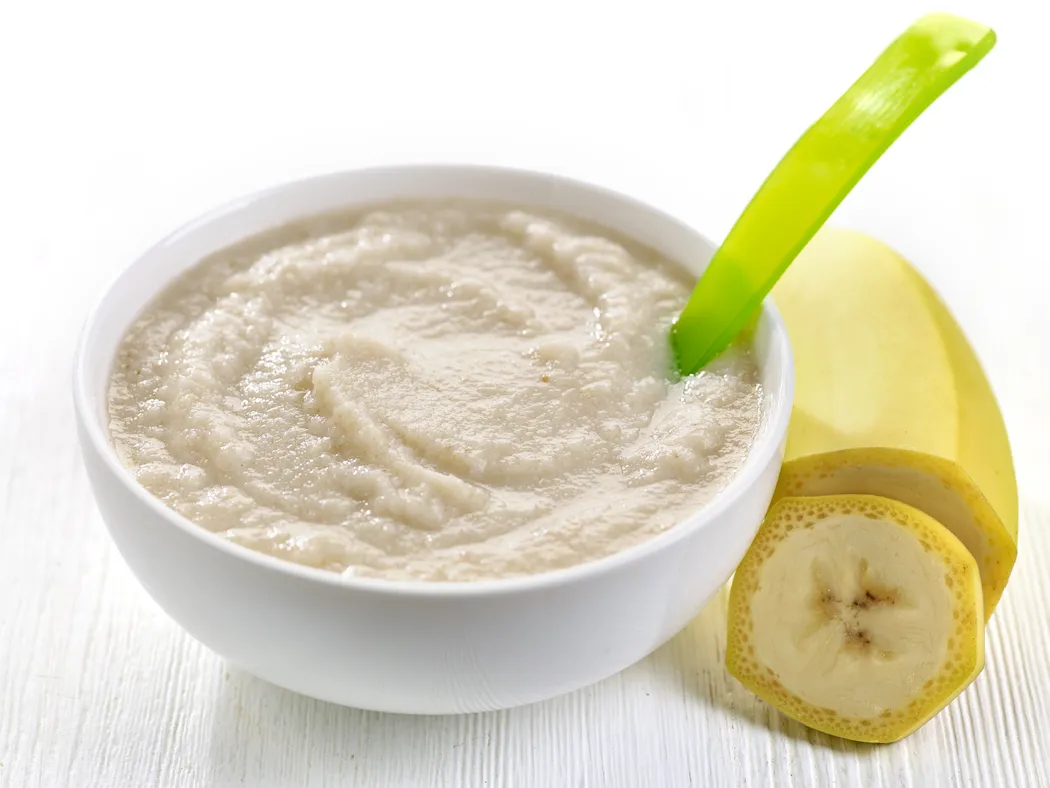
At seven months, your baby is moving beyond the completely watery, ultra-smooth purees they might have tried at six months. Getting the food consistency for 7 month old infants right is crucial for oral motor development and speech skills.

  • Pulp and Soft Mashes: Aim for thick, smooth purees, well-mashed foods, or soft lumps.
    Slightly Textured Purees: You no longer need to strain every puree. A slightly coarse blend encourages your baby to practice using their jaws to chew.
  • Soft Finger Foods: If you are practicing baby-led weaning, you can offer very soft, ripe pieces of fruit (like banana or avocado) or steamed vegetables cut into finger-sized strips that your baby can easily grasp and mash with their gums.
     

Key Nutrients to Focus On

When selecting food for 7 month old baby, priority should be given to nutrients that support rapid growth, bone development, and brain health:

1. Iron: Around 6 months, a baby's natural iron stores begin to deplete. Iron-rich foods like pureed meats, poultry, lentils, beans, and fortified single-grain baby cereals are vital.
2. Zinc: Found in meats, beans, and whole grains, zinc supports immune function and cellular growth.
3. Healthy Fats: Brain development requires fats. Avocados, full-fat unsweetened yogurt, and a drizzle of olive oil or ghee in purees are excellent options.
4. Vitamins A and C: Sweet potatoes, carrots, spinach, butternut squash, and soft fruits like papayas and mangoes help bolster immunity and vision.
 

7 Month Baby Food Quantity: How Much to Feed?

A common question among new parents is: exactly how much quantity of food for 7 month baby meals is appropriate?

At this stage, solids are still meant to complement breast milk or formula, not replace them.

  • Frequency: Offer solid foods 1 to 2 times a day (typically breakfast and/or lunch).
  • Portion Size: Start with 2 to 3 tablespoons of food per meal. If your baby is still hungry and opens their mouth for more, you can gradually increase this up to half a cup (around 4 to 8 tablespoons) per meal.
  • Breast Milk/Formula: Your baby should still consume about 24 to 32 ounces (700 to 950 ml) of breast milk or formula in a 24-hour period.

Always follow your baby’s cues. If they turn their head away, close their mouth, or spit the food out, do not force them to finish.
 

Best Food Ideas for 7-Month-Old Babies

If you are looking for nutritious 7 month baby food ideas, here is a diverse list of wholesome ingredients you can introduce to your child's menu:

1. Fruits

Rich in essential vitamins and dietary fiber. Try steaming and pureing or finely mashing:

  • Apples and pears (cooked until very soft)
  • Ripe bananas and avocados (no cooking required)
  • Peaches, plums, and papayas

2. Vegetables

Veggies are excellent for developing savory food preferences. Always steam or boil until soft:
 

Sweet potatoes, carrots, and pumpkin
Butternut squash
Green peas (mashed thoroughly to prevent choking)
Soft-cooked broccoli or cauliflower florets

3. Grains

Grains provide the carbohydrates needed for your active little explorer:

  • Oatmeal or barley baby cereal
  • Ragi (finger millet) porridge
  • Well-cooked, mashed brown or white rice

4. Proteins and Legumes

Essential building blocks for muscles and growth:

  • Pureed chicken, turkey, or fish (ensure there are absolutely no bones)
  • Thoroughly cooked and mashed lentils (dal), chickpeas, or black beans
  • Mashed silken tofu or well-cooked, scrambled egg yolk

A Complete 7 Month Baby Food Chart with Time

To help you organise your daily schedule, here is a flexible 7 month baby food chart with timing. This schedule balances milk feedings with newly introduced solid meals.

Time of Day

Feeding Activity

Food Option Ideas

Early Morning (6:00 AM - 7:00 AM)

Wake-up Feeding

Breast milk or formula

Breakfast (8:30 AM - 9:00 AM)

Solid Breakfast

Oatmeal porridge with mashed banana or ragi porridge

Mid-Morning (10:30 AM - 11:00 AM)

Snack / Milk Feed

Breast milk or formula

Lunch (12:30 PM - 1:00 PM)

Solid Lunch

Mashed sweet potato and peas or pureed lentil (dal) khichdi

Afternoon (3:30 PM - 4:00 PM)

Naptime Feed

Breast milk or formula

Evening (5:30 PM - 6:00 PM)

Light Milk / Snack

Breast milk, formula, or mashed avocado or pear puree

Bedtime (7:30 PM - 8:00 PM)

Night Feed

Breast milk or formula

Note: If your baby is just starting solids, one solid meal a day (at breakfast or lunch) is perfectly fine. You can gradually build up to two meals by the end of the 7th month.
 

7 Month Baby Food Chart Indian Variation


For families looking for traditional regional options, a 7 months baby food chart indian menu provides a rich variety of naturally soft, nutritious, and spiced-free options.

Here is a traditional week-long diet chart for 7 month baby meals:

  • Monday: Apple ragi porridge for breakfast; yellow moong dal soup (water/thin puree) for lunch.
  • Tuesday: Well-mashed banana for breakfast; soft-cooked rice khichdi (diluted with warm water or breast milk/formula) for lunch.
  • Wednesday: Pear puree for breakfast; mashed sweet potato with a drop of homemade ghee for lunch.
  • Thursday: Oatmeal cooked with breast milk or formula for breakfast; mashed pumpkin puree for lunch.
  • Friday: Papaya mash for breakfast; well-cooked moong dal and carrot mash for lunch.
  • Saturday: Suji (semolina) halwa/upma without sugar or salt for breakfast; mashed green peas and potato for lunch.
  • Sunday: Mashed avocado for breakfast; ragi porridge with a pinch of roasted cumin powder for lunch.
     

Essential Food Preparation and Safety Tips

When preparing meals from your 7 month old baby food chart, safety and hygiene must always come first.

1. Avoid Added Salt and Sugar

A baby’s kidneys are still developing and cannot process added salt. Added sugars can lead to early tooth decay and a preference for overly sweet foods. Keep purees natural and unseasoned.

2. Never Introduce Honey

Do not give honey to a baby under 12 months. Honey can contain spores of Clostridium botulinum, which can cause infant botulism—a rare but serious and potentially life-threatening illness.

3. Prevent Choking Hazards

Ensure all foods are cooked until soft enough to be mashed easily between your thumb and forefinger. Avoid round, hard, or sticky foods like whole grapes, raw carrots, whole nuts, or chunks of meat.

4. Practice the 3-Day Wait Rule

When introducing a new ingredient, wait 3 days before introducing another new food. This makes it easier to identify the culprit if your baby experiences an allergic reaction (like hives, vomiting, diarrhoea, or a rash).

5. Hydration

While breast milk and formula provide most of your baby's hydration, you can offer small sips of water (about 2 to 4 ounces a day) in a sippy cup alongside solid meals to help them learn cup-drinking skills.
 

FAQS

How many times a day should a 7-month-old eat solid food?

At seven months, a baby should ideally eat solid food 1 to 2 times a day. Breast milk or formula remains the primary source of nutrition, so solids should be treated as complementary meals rather than direct replacements for milk.

Can I give cow’s milk to my 7-month-old baby?

No. Do not offer cow’s milk as a primary beverage to infants under 12 months. Their digestive systems cannot easily digest the proteins and minerals in cow's milk, and it lacks the necessary iron and nutrients your baby needs. However, you can use tiny amounts of cow's milk or unsweetened yoghurt as ingredients when preparing purees or porridges.

What should I do if my baby refuses to eat solid food?

It is completely normal for babies to refuse solids occasionally. Do not force-feed your child. Try offering the food again at a later time or on a different day. It can sometimes take up to 10 to 15 exposures to a new food before a baby accepts it. Keep the atmosphere relaxed and positive.

Can I prepare and freeze baby food in advance?

Yes! You can steam, puree, and freeze baby food in clean, BPA-free silicone ice cube trays. Once frozen, transfer the cubes to airtight freezer bags. Use frozen purees within 1 to 2 months, and always thaw them thoroughly in the refrigerator or by warming them safely before serving. Do not refreeze thawed baby food.

Is it safe to introduce common food allergens like eggs or peanut butter at 7 months?

Yes. Current pediatric guidelines from organizations like the American Academy of Pediatrics suggest that introducing highly allergenic foods (like well-cooked eggs, smooth peanut butter diluted with water, or fish) around 6 months of age can actually help reduce the risk of developing food allergies. Introduce these foods one at a time and watch closely for any reactions.

Apollo 247 Floating Action Button