logo
0

9 Month Baby Food Recipes: Healthy & Easy Homemade

Discover healthy and easy homemade 9 month baby food recipes with nutritious meal ideas, age-appropriate textures, ingredients, and simple preparation tips.

article image

Dr.Mayank

At nine months old, your little one is on a thrilling developmental journey. They are likely sitting up without support, babbling, and beginning to master the "pincer grasp"—using their thumb and index finger to pick up small objects. Along with these physical milestones comes an exciting transition in their diet. While breast milk or infant formula still provides vital daily nourishment, solid foods are now taking centre stage. Preparing homemade 9 month baby food is an incredibly rewarding way to ensure your child receives wholesome, nutrient-dense meals without any of the added sodium, preservatives, or artificial sugars found in many commercial options.

By using fresh ingredients, you can control the texture and introduce your baby to a wide world of natural flavours. Whether you are searching for simple purees, textured mashes, or soft finger foods, preparing your own meals is easier than you might think. This guide explores the nutritional needs of this stage and offers a variety of delicious, safe, and easy-to-prepare 9 month baby food recipes that your little one will love.

Why Choose Homemade 9 Month Baby Food?

There are countless benefits to cooking for your infant at home. When you prepare homemade 9 month baby food, you know exactly what goes into every spoonful. You can select organic produce, source high-quality proteins, and ensure that the food is freshly prepared.

Additionally, making your own meals allows you to tailor textures specifically to your baby's current chewing and swallowing skills. At nine months, most babies are ready to graduate from completely smooth purees to thicker, lumpier textures and soft, easily mashable finger foods. Exposing them to diverse textures now helps prevent picky eating habits later in life and supports the development of critical oral-motor muscles used for speech. Finally, making homemade 9 month baby food is often much more cost-effective than buying pre-packaged jars and pouches, and it allows your baby to gradually transition to eating the same healthy meals as the rest of the family.

Understanding Your 9-Month-Old’s Nutritional Needs

At nine months of age, your baby’s digestive system is ready for a wider variety of foods, but their growing bodies have specific nutritional requirements. According to the World Health Organization (WHO) and the Centers for Disease Control and Prevention (CDC), complementary feeding should focus on nutrient-rich foods to bridge the gap between milk feedings and the child's increasing energetic demands.

Key nutrients to focus on include:

  • Iron: Essential for brain development and healthy red blood cells. Since infant iron stores built up during pregnancy begin to deplete around six months, iron-rich foods are critical.
  • Zinc: Supports healthy growth and immune system function.
    Healthy Fats: Crucial for rapid brain development. Foods like avocados, olive oil, ghee, and nut butters (introduced safely) are excellent sources.
  • Vitamins A and C: Found in colourful fruits and vegetables, these vitamins support vision health and immune function while helping the body absorb plant-based iron.
  • Calcium and Vitamin D: Important for developing strong bones and teeth.

When exploring baby food recipes 9 months of age marks a critical sweet spot where you want to incorporate these vital nutrients into meals that offer slightly more challenging textures. Offering healthy food recipes for 9 months baby aids rapid developmental milestones and helps build a robust digestive system.

Easy Homemade 9 Month Baby Food Recipes to Try

When searching for the best 9 month baby food recipes, it is helpful to focus on simple preparations that maximize nutritional value. To make meal planning simple, we have compiled a collection of nutritious, kitchen-tested ideas. These recipes focus on safe textures, healthy fats, and rich sources of iron.

Soft Finger Foods: Simple Recipe for 9 Month Old Baby

Finger foods encourage independence and help fine-tune motor skills. A classic, nutrient-dense recipe for 9 month old baby is mashed avocado and banana bites.

  • Ingredients: 1/2 ripe avocado, 1/2 ripe banana.
  • Instructions: In a bowl, mash the avocado and banana together using a fork, leaving some small, soft lumps. Alternatively, you can cut both into small, bite-sized pieces (about the size of a chickpea) that your baby can easily grasp.
    This simple 9 month baby recipe is packed with potassium, dietary fiber, and brain-boosting monounsaturated fats.

Iron-Rich Meals: 9 Month Old Baby Food Recipes

Ensuring your baby gets enough iron is paramount at this stage. Our curated list of 9 month old baby food recipes includes this easy Sweet Potato and Red Lentil Mash. Lentils are a fantastic plant-based source of iron and protein, while sweet potatoes offer sweet appeal and vital Vitamin A.

  • Ingredients: 1/4 cup red lentils (thoroughly rinsed), 1/2 sweet potato (peeled and diced), 1.5 cups water or low-sodium vegetable broth
  • Instructions: Combine the lentils, sweet potato, and water in a small saucepan. Bring to a boil, then reduce heat and simmer covered for about 15 to 20 minutes, or until the lentils are completely soft and the sweet potato is tender. Let it cool slightly, then mash to a thick consistency using a potato masher or fork.
    This 9 month baby food recipe is highly versatile and can be batch-cooked and frozen in silicone trays for easy weekday lunches.

Indian-Inspired Dishes: 9 Months Baby Food Recipes Indian

Indian cuisine offers a rich heritage of healthy, easily digestible, and naturally aromatic options for infants. We have gathered excellent 9 months baby food recipes Indian families have relied on for generations, focusing on wholesome grains and gentle legumes.

One standout dish is Moong Dal Khichdi. It is a perfect balance of carbohydrates and proteins, and it is incredibly soothing on a baby's digestive tract.

  • Ingredients: 2 tablespoons yellow moong dal (split yellow lentils), 2 tablespoons white or brown rice, a tiny pinch of turmeric powder, 1/2 teaspoon of pure homemade ghee (clarified butter), 1 cup water.
  • Instructions: Wash the rice and moong dal thoroughly together and soak them in water for 15 minutes. Drain the water. In a small pressure cooker or saucepan, combine the rice, dal, water, and turmeric. Cook until both the dal and rice are completely soft and mushy (about 3-4 whistles in a pressure cooker, or 20-25 minutes in a covered saucepan). Mash the mixture thoroughly with a spoon. Stir in the ghee before serving it warm.

Introducing mild, aromatic spices gently is a key element in 9 month baby food recipes Indian households prepare. The addition of a tiny pinch of turmeric provides natural anti-inflammatory benefits, while ghee adds healthy fats that are vital for physical growth. Khichdi is widely recognised as one of the most comforting 9 month old baby food recipes Indian parents trust to nourish their infants safely. Indeed, 9 months baby food recipes Indian style often incorporate gentle ingredients like cumin and turmeric, which can actively aid digestion.

Transitioning Textures and Expanding Your Baby's Palate

At nine months, feeding is not just about nutrition—it is also a sensory and learning experience. To expand their palate, incorporate these delicious 9 months baby food recipes into your weekly rotation, gradually increasing the texture complexity. Exploring various 9 months baby food recipes can help prevent picky eating habits as your baby grows.

If your baby has been eating smooth purees, you do not need to jump straight to hard finger foods. Try these steps to transition:

  • Gradual Thickening: Gradually reduce the amount of liquid (water, breast milk, or formula) you add when blending or mashing foods.
  • Fork-Mashing: Instead of using an electric blender, use a fork or a potato masher. This leaves soft, chewable lumps that encourage your baby to use their gums.
  • Safe Finger Foods: Ensure any finger foods you offer are soft enough to be easily squished between your thumb and forefinger. Good options include steamed broccoli florets, cooked carrot wheels, ripe pear slices, and small pieces of well-cooked tofu.

Remember, these food recipes for 9 months baby are meant to be fun. Let your baby touch, play, and get messy with their food. Exploration is a vital part of learning how to eat!
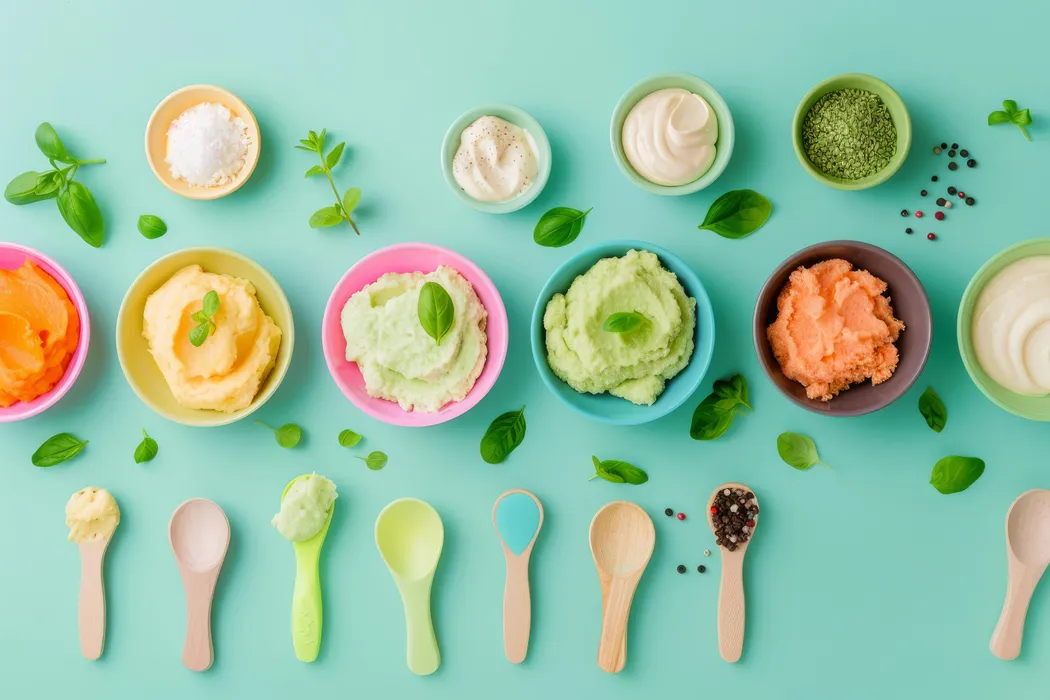
Safety and Preparation Tips for Homemade 9 Month Baby Food

While making homemade 9 month baby food is incredibly rewarding, safety should always be your top priority. Keep these expert safety guidelines in mind:

  • Prevent Choking Hazards: Never feed your nine-month-old foods that are hard, round, or sticky. Avoid whole grapes, whole cherry tomatoes, raw carrots, raw apples, whole nuts, seeds, popcorn, large chunks of meat, or sticky globs of nut butter. Cut foods into small, pea-sized pieces or long, thin strips that are easy to hold but won't block the airway.
  • Avoid Salt and Added Sugars: An infant's kidneys are still developing and cannot handle added salt. Added sugars can lead to early tooth decay and cause a preference for overly sweet foods. Let your baby enjoy the natural, unadulterated flavors of fresh fruits, vegetables, grains, and meats.
  • No Honey Before Age One: Infant botulism is a rare but serious illness caused by toxins from Clostridium botulinum bacteria. Honey can contain these spores and should never be given to infants under 12 months.
  • Introduce Allergens Safely: According to pediatric allergy guidelines, introducing common food allergens (like peanuts, eggs, dairy, soy, wheat, fish, and shellfish) early is beneficial for preventing allergies. Introduce them one at a time in small amounts, waiting 3 to 5 days before introducing another new food to monitor for any adverse reactions (such as hives, vomiting, or breathing issues).
  • Practise Perfect Food Hygiene: Wash your hands, cutting boards, and utensils thoroughly before preparing food. Cook all meats, poultry, fish, and eggs to safe internal temperatures.
  • Storage Guidelines: Freshly cooked vegetable and fruit purees can be safely stored in an airtight container in the refrigerator for up to 48 hours. Meat-based purees should be consumed within 24 hours. For longer storage, freeze portioned baby food in clean silicone trays. Once frozen, transfer the food cubes to freezer bags, label them with the date, and use them within 3 months.

Sample Daily Meal Plan for a 9-Month-Old

To give you an idea of how to structure your day, here is a balanced feeding schedule incorporating both breast milk/formula and healthy solids:

  • Early Morning (upon waking): Breast milk or formula feeding.
  • Breakfast: Oatmeal cooked with breast milk/formula, topped with mashed ripe banana.
  • Mid-Morning: Breast milk or formula feeding.
  • Lunch: Sweet Potato and Red Lentil Mash, plus a few pieces of steamed, soft zucchini spears as finger food.
  • Afternoon: Breast milk or formula feeding.
  • Dinner: Moong Dal Khichdi with a dab of ghee.
  • Bedtime: Breast milk or formula feeding.

FAQS

How much solid food should my 9-month-old eat daily?

At nine months, solid foods are typically offered 2 to 3 times a day. A typical portion size per meal is about 2 to 4 tablespoons of food, though this can vary depending on your baby's appetite. Always follow your baby's hunger cues—never force them to clean their plate.

Can I use cow's milk in homemade 9 month baby food?

While you should not offer cow's milk as a drink to babies under 12 months (as it does not contain the proper balance of nutrients and can strain their kidneys), it is perfectly safe to use small amounts of cow's milk, plain yogurt, or cheese as ingredients in your homemade 9 month baby food recipes.

How do I know if my baby is ready for finger foods?

Most babies are ready for soft finger foods by 9 months. Signs of readiness include being able to sit stably without support, bringing hands or toys to their mouth, showing interest in your food, and successfully using their thumb and index finger (the pincer grasp) to pick up small objects.

Is it normal for my baby to gag when eating textured foods?

Yes, gagging is a completely normal, protective reflex as your baby learns to manage solid textures in their mouth. It is different from choking. Gagging involves coughing, sputtering, or making a face, but your baby remains conscious and breathes. Choking occurs when the airway is blocked; the baby will be silent, unable to make noise, and may turn blue. Always supervise your baby closely during meals.

Can I prepare baby food in advance and freeze it?

Absolutely! Freezing is a fantastic way to save time. Pour your freshly prepared mashes or purees into clean silicone trays or BPA-free containers. Once frozen solid, transfer the food cubes to airtight freezer-safe bags. Label them with the date and food name. They can be stored in the freezer for up to 3 months. Thaw individual portions in the refrigerator overnight or warm them gently before serving.

Apollo 247 Floating Action Button