logo
0

9 Week Pregnancy Symptoms: What to Expect

Learn about 9 week pregnancy symptoms, including nausea, fatigue, breast changes, bloating, baby development, and warning signs to watch for.

article image

Dr.Rohini priyanaka

Reaching nine weeks of pregnancy is a milestone, and if you are looking up 9 week pregnancy symptoms, you are probably trying to make sense of what your body is doing. Most of what you are feeling is completely normal. Week 9 sits in the middle of the first trimester, when hCG levels are near their peak, the baby is developing fast, and your body is adjusting to some of the biggest hormonal shifts of your life.

9 Weeks Pregnant: A Quick Overview

At nine weeks, you are firmly in the first trimester, which runs through week 13. Gestational age is counted from the first day of your last menstrual period, so at nine weeks gestation, the baby has been growing for roughly seven weeks since fertilization.

This is a period of rapid fetal change and significant hormonal activity. For many women, symptoms feel most intense right now and begin to ease somewhere between weeks 10 and 12, though the timeline varies. Some women feel better earlier; others take a little longer. Both experiences are within the range of normal.

Common Physical Symptoms at 9 Weeks

Signs of pregnancy at 9 weeks cover a wide range, and no two pregnancies are identical. Experiencing only a few symptoms, or experiencing many, can both be perfectly normal.

  • Nausea: Nausea is one of the most common symptoms at 9 weeks of pregnancy. It can occur at any time of day and may be triggered by certain foods or smells. Eating small, frequent meals and staying well hydrated may help manage it.
  • Fatigue: Feeling unusually tired is common at 9 weeks. Increased blood production, a higher workload on the heart, and rising progesterone levels can contribute to fatigue. Getting adequate rest is important during this stage.
  • Breast changes: The breasts may feel sore, heavy, or more sensitive. The areolas can become darker, and small bumps called Montgomery's tubercles may become more noticeable around the nipples. These changes are mainly related to rising pregnancy hormones.
  • Bloating and digestive changes: Higher progesterone levels can slow digestion, causing bloating, gas, and sometimes constipation. Drinking enough water and eating fibre-rich foods may help relieve these symptoms.


Other symptoms you might notice:

  • Heightened sense of smell
  • Food aversions or sudden cravings
  • Mild headaches, usually from hormonal shifts or dehydration
  • Frequent urination as the uterus begins to press on the bladder
  • Mood swings tied to hormonal fluctuations
  • Occasional mild dizziness

Symptom intensity does not reliably reflect how the pregnancy is progressing. If you feel relatively well, that is not a sign that something is wrong.

Discharge Changes at 9 Weeks: What's Normal vs Concerning

9 weeks pregnant discharge is something many women notice but feel unsure about. An increase in vaginal discharge during early pregnancy is completely expected. This discharge, called leukorrhea, is thin, milky-white or clear, and has a mild or neutral smell. Rising estrogen and increased blood flow to the pelvic area cause it, and it serves to protect the vaginal environment.

What is normal:

  • Thin to slightly thick consistency
  • White, off-white, or clear in colour
  • Mild or no odour
  • Continuous but not heavy in amount

When to contact your doctor:

  • Yellow, green, or grey discharge, which may suggest infection
  • Cottage cheese-like texture, which could indicate a yeast infection (common in pregnancy and treatable)
  • Strong or unpleasant odour, which may point to bacterial vaginosis
  • A sudden watery gush or trickle (rare at this stage, but worth reporting)
  • Any discharge accompanied by itching, burning, or pelvic pain

Report adverse events or unusual symptoms to your healthcare provider or the relevant regulatory authority, including the Central Drugs Standard Control Organization (CDSCO) if a medication is involved.

Baby Development at 9 Weeks

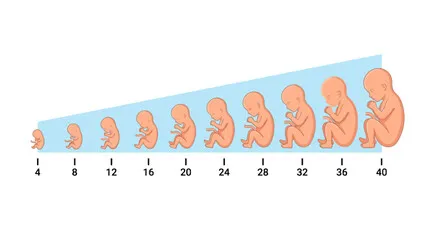
Baby development at 9 weeks is genuinely remarkable. Your baby is now officially called a fetus rather than an embryo, measuring around 2.3 cm from crown to rump, roughly the size of a grape.

Despite being so small, a great deal is already in place:

  • All major organs, including the heart, brain, lungs, kidneys, and liver, are present and continuing to mature
  • The heart has divided into four chambers and beats at around 140 to 170 beats per minute
  • Tiny fingers and toes are forming, though still slightly webbed
  • Facial features including eyelids, a nose, and a mouth are becoming more defined
  • Muscles are developing, and the baby can make small spontaneous movements, though you will not feel them yet
  • The placenta is gradually taking over more hormonal work, which is partly why symptoms often ease around weeks 10 to 12

When to Contact Your Doctor?

Knowing what to expect at 9 weeks pregnant includes recognising when something needs prompt medical attention. Most discomfort at this stage is normal, but certain symptoms should not wait. Contact your healthcare provider right away if you experience:

  • Heavy vaginal bleeding, especially with clots
  • Severe or persistent abdominal cramping that does not ease with rest
  • Fever above 38 degrees Celsius with no clear cause
  • Severe vomiting that prevents you from keeping any fluids down, which may indicate hyperemesis gravidarum
  • Sharp, one-sided pelvic pain
  • Burning or pain with urination, which may signal a urinary tract infection requiring treatment

Trust your instincts. If something feels wrong, call your doctor rather than waiting to see if it resolves.

Contraindications and Precautions

Early pregnancy is a time when medication safety matters deeply. Several drug classes carry known risks in the first trimester and should not be taken without explicit medical approval:

  • Retinoids: Retinoids, which are vitamin A derivatives used for acne and certain skin conditions, can cause serious fetal abnormalities and should be avoided during pregnancy unless specifically directed by a specialist.
  • ACE inhibitors and ARBs: These blood-pressure medicines can harm the developing baby and are generally contraindicated during pregnancy. If you are taking one, contact your doctor promptly about a suitable alternative.
  • NSAIDs: Medicines such as ibuprofen and naproxen carry pregnancy-related risks, particularly later in pregnancy. Paracetamol is generally preferred for pain or fever when appropriate, but it should still be used at the lowest effective dose for the shortest necessary duration.
  • Certain antibiotics, antifungals, and antiparasitic medicines: Some medicines in these groups are restricted or unsuitable during pregnancy. Always check with your doctor before taking any antibiotic or anti-infective medicine.
  • Herbal remedies and supplements: "Natural" does not automatically mean safe during pregnancy. Many herbal products and supplements have limited safety data, and some may be harmful. Discuss any supplement or over-the-counter product with your healthcare provider before using it.

Never start, stop, or change any medication during pregnancy without speaking to your doctor first. This applies to prescription drugs, over-the-counter medicines, and herbal or Ayurvedic preparations.

Conclusion

At 9 weeks of pregnancy, symptoms such as nausea, fatigue, breast tenderness, bloating, and frequent urination are common as hormone levels continue to rise. However, every pregnancy is different, and some women may experience only mild symptoms or none at all. Maintaining a balanced diet, taking prescribed prenatal supplements, staying hydrated, and attending regular prenatal appointments can support a healthy pregnancy. Seek medical care promptly if you experience heavy bleeding, severe abdominal pain, persistent vomiting, fever, or other concerning symptoms.

FAQ

Is cramping normal at 9 weeks pregnant?

Mild, occasional cramping is common in early pregnancy as the uterus stretches and grows. However, severe cramping, especially when combined with bleeding, should be reported to your doctor promptly.

Can you feel the baby move at 9 weeks?

No. While the baby does make small spontaneous movements at this stage, they are far too small and the uterus is still too low for you to feel anything. Most women first notice movement between 16 and 22 weeks.

What does a 9 weeks pregnant belly look like?

A 9 weeks pregnant belly is usually still quite subtle. The uterus is about the size of a large orange at this stage, and while some women notice mild bloating or a slightly rounded lower abdomen, many do not look visibly pregnant yet.

Is spotting normal at 9 weeks pregnant?

Light spotting, sometimes called implantation-related or cervical sensitivity spotting, can occur in early pregnancy and is not always a sign of a problem. That said, any bleeding during pregnancy should be reported to your doctor to rule out other causes.

How many months is 9 weeks pregnant?

Nine weeks is approximately two months and one week pregnant. Pregnancy is typically counted in weeks rather than months because the monthly division is uneven, but nine weeks places you early in your third month.

Apollo 247 Floating Action Button