logo
0

Almond Milk for Infants: Safety & Nutrition Guide

Is almond milk safe for babies? Learn nutritional gaps, risks, right age to introduce, and pediatrician-backed alternatives to cow milk.

article image

Dr.Nallapu Siri

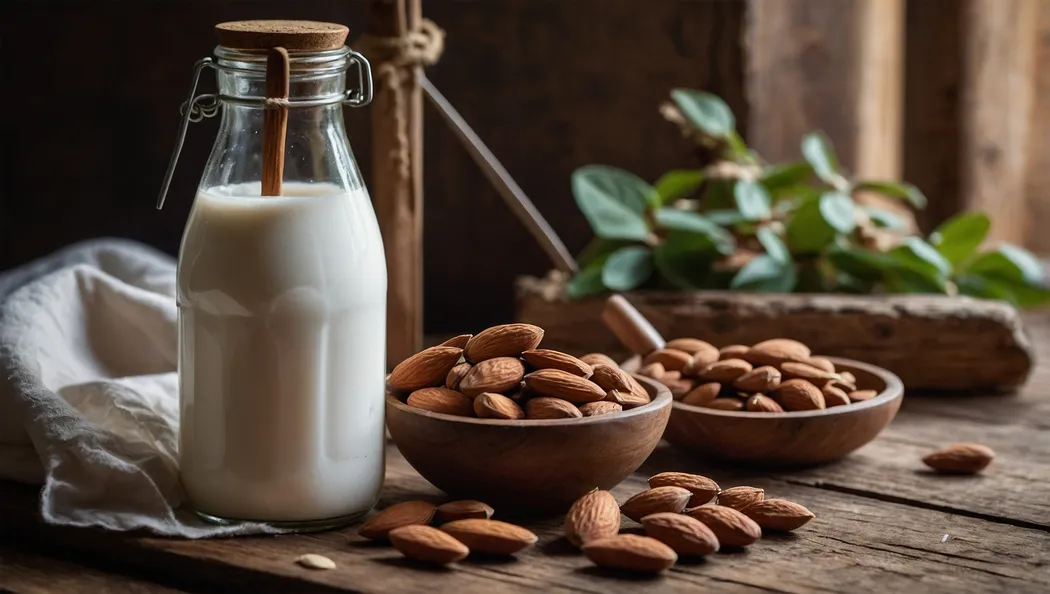
New parents navigating feeding choices often wonder whether almond milk is a safe, nutritious stand-in when a baby cannot tolerate cow’s milk. The short answer is nuanced: almond milk has a place in an infant's diet, but only under the right conditions and at the right age. Understanding where it fits, and where it falls short, can help you make a confident, informed decision for your child.

Can Babies Have Almond Milk?

Almond milk is not appropriate as the main milk source for babies under 12 months. During the first year, infants need breast milk or iron-fortified infant formula as their primary nutrition. These are the only milk types that supply the precise balance of protein, fat, vitamins, and minerals a rapidly developing brain and body require.

After the first birthday, small amounts of almond milk can be introduced alongside a varied solid-food diet, but it should still function as a supplement, not a staple. Toddlers aged 1 to 2 years generally need higher fat and calorie intake to support brain growth, so whole cow’s milk is usually the preferred choice at this stage unless there is a clinical reason to avoid it.

When can babies have almond milk? Only after 12 months, in moderate amounts, and ideally after a conversation with your paediatrician.

Nutritional Comparison: Almond Milk vs Cow Milk vs Breast Milk

The table below shows approximate values per 100 ml. Commercial almond milks vary by brand; figures for almond milk reflect a typical unsweetened, fortified variety.

Nutrient

Breast Milk

Whole Cow Milk

Unsweetened Almond Milk

Calories (kcal)

\~70

\~61

\~13 to 17

Protein (g)

\~1.0

\~3.2

\~0.4

Total Fat (g)

\~4.4

\~3.3

\~1.0 to 1.5

Calcium (mg)

\~32

\~113

\~120 (if fortified)

Carbohydrate (g)

\~7.2

\~4.7

\~0.3 to 0.5

The numbers tell a clear story. Almond milk is very low in protein and fat, two nutrients critical for infant growth and neurological development. Even though fortified versions can match cow’s milk on calcium, the calorie and protein gaps are substantial. A toddler relying heavily on almond milk for nutrition could fall short on both.

Breast milk remains the gold standard for infants under 12 months, and no plant-based milk replicates its full nutritional profile.

Other Non-Dairy Alternatives to Cow Milk for Infants

If your child has a confirmed cow milk protein allergy or lactose intolerance, several alternatives exist. The right choice depends on the child's age and clinical situation.

  • Hydrolysed or amino acid-based infant formula: For babies under 12 months with a diagnosed cow milk allergy, a paediatrician will typically recommend a hypoallergenic formula, either extensively hydrolysed or amino acid-based. These are the safest infant milk allergy alternatives for this age group and are available on medical advice.
  • Soy-based infant formula: Suitable for some infants over 6 months with cow milk allergy, though it is used with caution in younger infants. Always seek medical guidance before switching.
  • Oat milk: A popular plant-based milk for toddlers over 12 months. It has more carbohydrates than protein, so nutritional completeness still depends on a well-rounded diet. Choose fortified, unsweetened versions.
  • Full-fat fortified soy milk: Among non-dairy milk for infants over 12 months, full-fat soy milk with added calcium and vitamins is one of the more nutritionally complete plant-based options compared with almond, oat, or rice milk.
  • Rice milk: Low in protein and not recommended for young children due to naturally occurring inorganic arsenic levels.

No plant-based milk replaces a specialised infant formula before 12 months. If you are looking for newborn care essentials for new parents, including guidance on feeding and hygiene, Apollo's resources cover a range of early parenting topics.

Risks and Precautions of Giving Almond Milk to Infants

Knowing the risks helps you use almond milk safely if you choose to introduce it.

  • Inadequate Nutrition: Inadequate protein and calories can impair weight gain and growth if almond milk becomes a toddler's primary beverage before age 2.
  • Tree Nut Allergy: Tree nut allergy is a real concern. Almonds are a tree nut, and introducing almond milk to a baby with an undiagnosed nut allergy can trigger reactions ranging from hives and vomiting to, in rare cases, anaphylaxis.
  • Added Sugars: Added sugars in flavoured or sweetened versions are harmful to developing teeth and unnecessary for young children. Always choose unsweetened varieties.
  • Additives: Some commercial almond milks contain additives that are best avoided in young children; reading labels carefully is worthwhile.
  • Choking Risk: Whole almonds pose a choking risk in children under 5, though almond milk itself does not carry this hazard.

Is almond milk safe for babies with allergies? Only if they do not have a tree nut allergy. If there is any family history of nut allergies, introduce with caution and only after speaking with a doctor.

Contraindications

Almond milk should not be given to:

  • Age: Infants under 12 months as a milk substitute or primary beverage
  • Tree Nut Allergy: Children with a known or suspected tree nut allergy
  • Poor Growth: Toddlers who are underweight, malnourished, or have a failure-to-thrive diagnosis, as they need the higher calorie and fat density of full-fat formula or whole cow milk
  • Medical Formula: Infants on a medically supervised hypoallergenic formula, unless a clinician specifically approves a change

When to Consult a Paediatrician

Before introducing any cow milk alternative for infants, a paediatric check-up is strongly advisable. A doctor can assess your child's growth trajectory, check for allergy risk factors, and recommend the most appropriate milk option for your family's situation.

You should seek medical advice promptly if:

  • Your baby shows signs of cow milk protein allergy such as persistent vomiting, blood in stools, eczema, or poor weight gain
  • Your toddler has had any reaction after consuming nuts or nut-derived products
  • Your child is not gaining weight adequately on their current diet
  • You are unsure whether a particular non-dairy product suits your child's nutritional needs

A paediatrician can also guide you on how much of any alternative milk is appropriate for your toddler's age and weight, so there is no need to guess.

Conclusion

Almond milk is not a suitable replacement for breast milk or infant formula during the first 12 months of life. After 12 months, it may be offered in moderation as part of a varied, balanced diet, but its low protein and fat content means it should not become a primary nutritional source. Fortified, unsweetened options are preferable, while children with tree nut allergies or specific nutritional needs may require other alternatives. When choosing a milk substitute, especially for a child with an allergy or poor growth, consult a paediatrician for personalised guidance.

FAQS

Is almond milk good for a 1-year-old baby?

It can be offered occasionally as part of a varied diet, but it should not replace whole cow milk or a fortified soy alternative as the main drink. Its low protein and fat content make it a poor nutritional anchor for a growing toddler.

Can almond milk replace formula?

No. Almond milk lacks the protein, fat, and micronutrients that infant formula provides, and it must never be used as a formula substitute for babies under 12 months. Even for toddlers, it does not fully replace a balanced milk source.

How much almond milk can a toddler have per day?

There is no fixed universal guideline, but most paediatricians suggest keeping it to a small supplementary amount rather than a staple.

Does almond milk cause allergies in babies?

It can, particularly in children who have or are at risk of tree nut allergies. Signs of a reaction include rashes, swelling, vomiting, or breathing difficulty. Introduce it cautiously and stop immediately if any reaction appears.

Is homemade almond milk safe for infants?

Homemade almond milk is not recommended for infants or young toddlers. It is not fortified with calcium, vitamin D, or other nutrients, and the protein content is even lower than in commercial versions, making it nutritionally inadequate as a milk source.

Apollo 247 Floating Action Button