logo
0

Aptamil Formula: Composition, Benefits & Usage Guide

Learn about Aptamil formula composition, stages, benefits, safe preparation, precautions, side effects, and feeding guidance for infants.

article image

Dr.Mayank

Choosing the right infant formula is one of the most anxious decisions new parents face. Aptamil formula, manufactured by Danone Nutricia, is among the widely recognised options available to families when breastfeeding is not possible or needs to be supplemented. Understanding what goes into the tin, how each stage works, and how to prepare feeds safely can help you make a confident, informed choice alongside your child's paediatrician.

What Is Aptamil Formula?

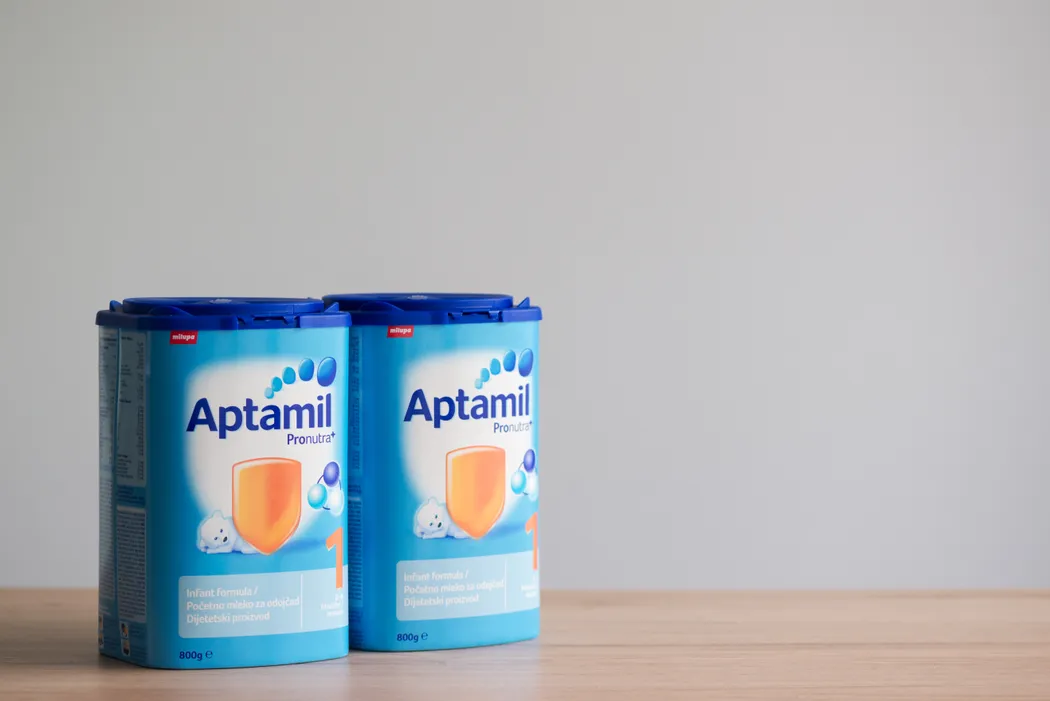
Aptamil is a range of cow's milk-based infant formula milks designed to reflect, as closely as current nutrition science allows, the profile of breast milk. Danone Nutricia manufactures the range, which is sold across many countries including India.

The product line follows a stage-based system tied to a baby's age and changing nutritional needs:

  • Stage 1 (First Infant Milk): for newborns from birth
  • Stage 2 (Follow-on Milk): from around 6 months
  • Stage 3 (Toddler Milk): from around 12 months onward

Each stage adjusts protein levels, micronutrient concentrations, and other components to match the developing infant's requirements. The World Health Organisation and Indian pediatric bodies consistently recommend exclusive breastfeeding for the first six months of life. Aptamil formula should be considered only when breastfeeding is not possible or when specifically advised by a doctor.

Nutritional Composition of Aptamil Formula

Aptamil infant formula composition typically includes a blend of nutrients designed to support early growth. While the exact formulation varies by stage and market, the core categories remain consistent.

Nutrient CategoryKey ComponentsRole
ProteinsWhey and casein blendGrowth and enzyme function
CarbohydratesLactose (primary), maltodextrinEnergy source
FatsVegetable oils, DHA, ARABrain and eye development
PrebioticsGOS/FOS (galacto- and fructo-oligosaccharides)Gut microbiome support
VitaminsA, C, D, E, K, B-complexImmune function, bone health
MineralsCalcium, iron, zinc, iodineBone, blood, and thyroid support

DHA (docosahexaenoic acid) and ARA (arachidonic acid) are long-chain polyunsaturated fatty acids included to support early brain and retinal development. The prebiotic blend of GOS and FOS is intended to encourage a gut microbiome profile closer to that seen in breastfed infants and to support softer stool consistency.

Developmental Benefits for Infants

Nutrient claims in infant formula are grounded in the established physiological roles of individual ingredients. The developmental benefits associated with Aptamil baby milk benefits stem from these nutrients rather than from any proprietary magic.

  • Brain and cognitive development: DHA is a structural component of brain cell membranes and the retina. Adequate intake during infancy is associated with normal cognitive and visual development, which is why it is included in the fat blend.
  • Immune support: Vitamins A, C, and D, together with zinc, contribute to normal immune function. The prebiotic fibre blend may also support beneficial gut bacteria, and the gut plays a significant role in immune regulation during early life.
  • Digestive comfort: The whey-dominant protein blend in Stage 1 is generally easier for young infants to digest than casein-dominant formulas. Added prebiotics may help reduce hard stools. Individual responses vary, so if your baby shows persistent discomfort, speak with your paediatrician rather than switching products on your own. For broader guidance on looking after a newborn, including newborn care essentials beyond feeding, Apollo's newborn care resource is a helpful starting point.

Aptamil Formula Stages and Age Recommendations

Getting the aptamil formula stages right matters because each stage delivers different nutrient concentrations calibrated to a baby's growth phase.

  • Stage 1: suitable from birth for babies who are not breastfed or are partially breastfed. Its whey-to-casein ratio is closer to breast milk.
  • Stage 2: a follow-on milk for babies from around 6 months who have started solid foods. It contains higher iron levels to meet the increased demand at this age.
  • Stage 3: a growing-up milk for toddlers from 12 months. It supports specific nutrient gaps but is not a substitute for a varied diet.

Do not move between stages based on the tin's age guidance alone. Discuss the right time to switch with your paediatrician, particularly if your baby was born prematurely or has any health condition. Formula is generally not needed after 2 years of age for most healthy children.

How to Prepare Aptamil Formula Safely

Learning how to prepare Aptamil formula correctly is just as important as choosing the right stage. Poor hygiene or incorrect water temperature can put a newborn at serious risk.

Follow these steps every time:

  1. Wash hands thoroughly with soap and water before handling formula or bottles.
  2. Sterilise all feeding equipment using a steam steriliser, boiling water, or a cold-water sterilising solution.
  3. Boil fresh tap water and allow it to cool to no lower than 70 degrees Celsius. Water at this temperature destroys harmful bacteria that may be present in powdered formula. Do not use water left standing for more than 30 minutes.
  4. Pour the correct volume of water into the sterilised bottle first, then add the measured scoops of powder using only the scoop provided. Always add powder to water.
  5. Seal and shake well until the powder dissolves completely.
  6. Cool the feed to body temperature (around 37 degrees Celsius) by holding the bottle under cool running water. Test on your wrist before offering it to your baby.
  7. Discard any feed not consumed within 2 hours. Never reheat leftover formula.

These steps reflect WHO guidance on safe powdered formula preparation. Infant formula milk nutrition is only as good as the preparation process behind it.

Contraindications and Precautions

Aptamil formula is not appropriate for every infant. You must consult a paediatrician before use if your baby has any of the following:

  • Cow's milk protein allergy (CMPA): symptoms include rashes, vomiting, blood in stools, or severe colic after feeding
  • Galactosemia: a rare metabolic disorder that prevents the breakdown of galactose, a component of lactose
  • Premature birth or low birth weight: these infants have specific nutritional needs that standard infant formula does not meet; specialised preterm formulas are required

Standard Aptamil formula is also not suitable as a complete replacement for breast milk in babies younger than 6 months if any breastfeeding is possible. Always follow your doctor's recommendation on this point.

Possible Side Effects and When to Consult a Doctor

Most healthy infants tolerate cow's milk-based formula well, but some Aptamil formula side effects can occur:

  • Constipation: harder stools, particularly in the first few days of switching
  • Gas or bloating: mild gas or bloating as the gut adjusts
  • Skin reactions: skin rashes, eczema flares, or hives, which may suggest a cow's milk protein sensitivity
  • Feeding difficulties: persistent crying or refusal to feed, which can sometimes be linked to digestive discomfort

See your paediatrician promptly if your baby develops blood in the stool, significant vomiting, severe skin reactions, or any sign of breathing difficulty after feeding. These may indicate a serious allergy.

Conclusion

Aptamil formula can provide appropriate nutrition for infants when breastfeeding is not possible or when supplementation is recommended by a healthcare professional. Understanding the different stages, nutritional composition, safe preparation methods, precautions, and possible side effects can help parents use formula safely and appropriately. Since every baby's nutritional needs are different, parents should follow the product instructions and seek guidance from a paediatrician before starting, changing, or stopping infant formula.

FAQS

Is Aptamil formula good for newborns?

Aptamil Stage 1 is formulated for newborns who cannot be breastfed or need supplementation. It should only be used on the advice of a paediatrician, since breast milk remains the recommended first choice for newborns.

How much Aptamil should I feed my baby?

Feed volumes depend on your baby's age, weight, and appetite. Always follow the feeding guide on the product packaging and confirm quantities with your paediatrician, as overfeeding or underfeeding powdered formula carries health risks.

Can I switch between formula brands?

Switching brands is generally safe if the stage and base ingredient (such as cow's milk) remain the same, but always check with your doctor first, especially if your baby has allergies, digestive issues, or was born early.

Does Aptamil cause weight gain?

Formula-fed infants often grow at a slightly different rate than breastfed babies, but normal formula use is not linked to unhealthy weight gain when prepared and used as directed. Speak with your paediatrician if you have concerns about your baby's growth curve.

Is Aptamil formula lactose-free?

Standard Aptamil formula contains lactose as its primary carbohydrate. It is not suitable for infants with galactosemia or confirmed lactose intolerance; a lactose-free or specialised formula would be needed in those cases, on medical advice.

Apollo 247 Floating Action Button