logo
0

Aptamil Gold Formula: Guide for Newborns & Preterm Infants

Aptamil Gold infant formula explained: variants for newborns and preterm babies, nutrients, preparation, and when to consult a pediatrician.

article image

Dr.Ezhilrasan

Choosing a formula can feel overwhelming, especially in the first few days after your baby arrives. Aptamil Gold is one of the infant milk formula options parents in India frequently ask about, and understanding what it contains, which variant suits your baby's age, and how to prepare it safely can make that decision a little less stressful. This guide covers nutritional composition, stage-wise variants, contraindications, and when to involve your paediatrician.

What Is Aptamil Gold Infant Formula?

Aptamil Gold is a range of cow's milk-based infant formula products from Nutricia, a Danone company. It is designed to serve as a breast milk substitute or supplement when breastfeeding is not possible or insufficient. It is not a medicine or a therapeutic food, except for specific preterm variants used under direct medical supervision.

The formula is made from cow's milk proteins, vegetable oils, carbohydrates, vitamins, and minerals, with added functional ingredients such as long-chain polyunsaturated fatty acids (LCPUFAs) and prebiotics to more closely mirror certain components of breast milk. Like all infant formulas sold in India, it must comply with FSSAI regulations for composition and labelling.

Aptamil Gold Variants: Newborn, Follow-On, and Preterm Formulas

Aptamil Gold is not a single product. It comes in stage-wise variants matched to your baby's age and needs.

  • Stage 1 (0 to 6 months): Aptamil Gold Stage 1 is an infant formula intended for babies from birth to 6 months when breast milk is unavailable or insufficient. Protein level and calorie density are calibrated for a young infant's developing kidneys and digestive system.
  • Stage 2 (6 to 12 months): A follow-on formula for older infants who have started solids. It has a slightly adjusted protein and iron profile.
  • Stage 3 / Growing-Up Milk (12 months and above): Intended as a milk drink alongside a varied diet, not a breast milk substitute at this stage.

Aptamil Gold Preterm Infant Formula

This is where Aptamil Gold differs most from a standard stage formula. Aptamil Gold Preterm Infant Formula is designed for babies born before 37 weeks or with a low birth weight. Key differences from Stage 1 include:

  • Higher energy and nutrient density than standard infant formula, designed to meet the specific nutritional needs of premature or low-birth-weight babies
  • Higher nutrient density, including protein, to help meet the specific nutritional needs of premature or low-birth-weight babies
  • Enriched calcium, phosphorus, and vitamin D to support bone mineralisation
  • Additional DHA and ARA for brain and retinal development

Preterm formula should be selected and used under the guidance of the baby's neonatal or paediatric care team.

Nutritional Composition and Benefits

The nutrient profile of Aptamil Gold formula for newborns is built around a few key ingredients worth understanding.

  • Whey-dominant protein: Some standard infant formulas use a whey-predominant protein profile. Aptamil Gold Stage 1 is described as having a whey-to-casein ratio of 60:40 in current product information.
  • DHA and ARA: These omega-3 and omega-6 LCPUFAs accumulate in the brain and retina during infancy. Breast milk contains both naturally. Aptamil Gold includes them to align with this aspect of breast milk nutrition.
  • Prebiotics (GOS/FOS): Some variants contain a blend of galacto-oligosaccharides (GOS) and fructo-oligosaccharides (FOS). These prebiotics are not fully digested in the small intestine and can influence the composition of the intestinal microbiota. Studies of infant formulas containing GOS/FOS have reported changes in stool consistency and increases in beneficial bacteria such as bifidobacteria, although effects vary by formulation and infant.
  • Vitamins and minerals: The formula contains iron, iodine, zinc, vitamins A, C, D, E, K, and the B-complex group at levels intended to meet an infant's daily requirements when used as the sole nutrition source.

No formula perfectly replicates breast milk. Breast milk contains live antibodies, immune cells, and hormones that cannot be manufactured.

How to Prepare and Store Infant Formula Safely?

Knowing how to prepare infant formula safely matters as much as choosing the right product. Improperly prepared formula is a common cause of infant illness.

  • Sterilise everything first. Wash your hands, then sterilise the bottle, teat, and measuring equipment using boiling water or a steam steriliser before every feed.
  • Follow the preparation instructions on the Aptamil Gold pack. Powdered infant formula is not sterile and can potentially be contaminated with bacteria such as Cronobacter. Some international guidance recommends preparing powdered formula with water at or above 70°C to reduce the risk from these bacteria, particularly for higher-risk infants. However, preparation instructions can vary by product, so follow the manufacturer's current instructions unless your healthcare professional advises otherwise.
  • Follow the scoop-to-water ratio on the tin exactly. Too many scoops makes the feed too concentrated and stresses your baby's kidneys. Too few means inadequate nutrition.
  • Cool before feeding. Hold the bottle under cool running water until it reaches a comfortable temperature. Test a few drops on your inner wrist.

Storage rules to follow every time:

  • Prepared infant formula that has not been refrigerated should be used within 2 hours of preparation.
  • If refrigerated promptly at 5 degrees Celsius or below, use within 24 hours.
  • Formula does not need to be warmed. If you choose to warm it, follow safe warming practices and never use a microwave. Discard any formula left over after a feed.
  • Store the opened tin tightly closed in a cool, dry place and follow the storage period stated on the current product packaging.

For newborn care essentials beyond feeding, including umbilical cord care in the early weeks, Apollo's newborn guide is a helpful starting point for new parents.

Who Should Avoid Aptamil Gold: Contraindications

Aptamil Gold is not suitable for every baby. Do not use it without specialist guidance if your child has any of the following:

  • Cow's milk protein allergy (CMPA): Aptamil Gold is cow's milk-based. Babies with confirmed or suspected CMPA need an extensively hydrolysed or amino acid-based formula prescribed by a doctor.
  • Galactosemia: A rare metabolic disorder in which the body cannot process galactose. Standard lactose-containing formulas are contraindicated.
  • Lactose intolerance: Primary lactose intolerance is uncommon in young infants. Temporary lactose malabsorption can occur after some gastrointestinal infections and may require dietary management based on a paediatrician's assessment.
  • Preterm or low-birth-weight infants: Standard Stage 1 formula does not meet the elevated caloric and protein needs of premature babies. Aptamil Gold Preterm Infant Formula, or a clinically equivalent product, should be used only under neonatal team guidance.

If you suspect any of the above conditions, consult your paediatrician before switching or starting any formula. Do not self-diagnose based on symptoms alone.

Report adverse events to your healthcare provider or the relevant regulatory authority.

Consulting Your Paediatrician Before Choosing a Formula

The World Health Organization and UNICEF recommend exclusive breastfeeding for the first six months of life, followed by the introduction of safe and nutritionally adequate complementary foods while breastfeeding continues for up to two years or beyond. Infant milk formula nutrition, including Aptamil Gold Stage 1, should be considered only when breastfeeding is not possible, contraindicated, or insufficient despite support.

For preterm or low-birth-weight infants, the choice of formula is a clinical decision made by the neonatal team, not a consumer choice. Even for healthy full-term babies, a paediatrician can confirm which stage is appropriate, check for allergy risk, and advise on feeding volumes for your baby's weight.

Before starting or switching any infant formula, especially the best formula milk for babies with special needs, always get professional guidance. Formula feeding comes with preparation and hygiene responsibilities that directly affect your baby's safety, and a healthcare professional can walk you through these in person.

Conclusion

Aptamil Gold offers stage-specific infant formula options, including products intended for healthy infants and specialised formulas for premature or low-birth-weight babies. The right choice depends on your baby's age, nutritional needs and medical circumstances. Formula should be prepared and stored exactly as directed on the current product packaging to minimise the risk of contamination and incorrect feeding.
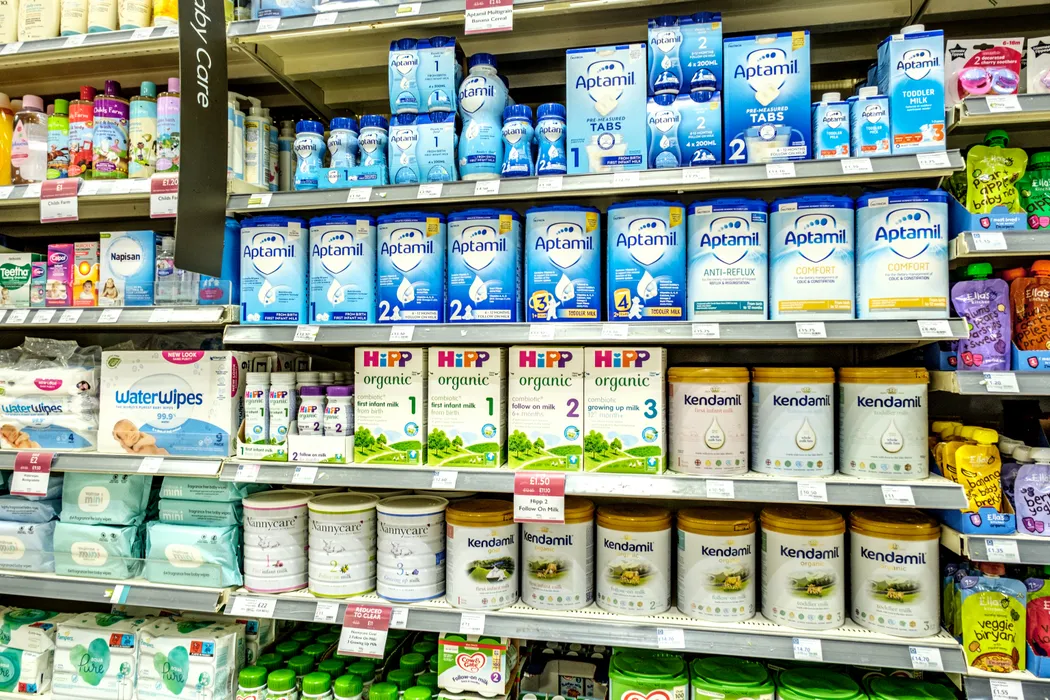
For newborns, preterm infants, or babies with suspected allergies or other medical conditions, formula selection should be discussed with a paediatrician or neonatal care team. Breastfeeding remains the recommended source of nutrition when possible, while infant formula can be an appropriate alternative or supplement when medically or practically necessary.

FAQS

Is Aptamil Gold suitable for newborns from birth?

Aptamil Gold Stage 1 is formulated for full-term healthy newborns from birth when breastfeeding is not possible or insufficient. It should not be used for preterm or low-birth-weight babies without a doctor's recommendation, as their nutritional needs differ.

How is Aptamil Gold different from regular formula for preterm babies?

Aptamil Gold preterm infant formula has a higher calorie density, more protein per 100 ml, and enriched levels of calcium, phosphorus, and DHA compared to standard Stage 1 formula. These differences are specifically designed to support the rapid growth and development needs of premature infants.

Can Aptamil Gold cause allergies?

Because it is cow's milk-based, Aptamil Gold can trigger reactions in babies with cow's milk protein allergy. Symptoms may include rashes, vomiting, or excessive crying after feeds. If you notice these signs, stop feeding and consult your paediatrician promptly.

How much Aptamil Gold should I feed my baby?

Feeding volumes depend on your baby's age and weight. The guidance on the tin provides a starting reference, but your paediatrician is the best person to confirm the right amount for your individual baby, as needs vary.

Is Aptamil Gold formula close to breast milk?

Aptamil Gold is designed to approximate certain aspects of breast milk, including its whey-to-casein ratio and the presence of DHA and prebiotics. However, no formula can replicate breast milk entirely, as breast milk contains live immune factors that cannot be manufactured.

Apollo 247 Floating Action Button