logo
0

Aptamil Gold Stage 2: Complete Formula Guide & Comparison

Aptamil Gold Stage 2 explained — composition, age suitability, special formulations, and how it compares to other premium infant formula brands.

article image

Dr. Mayank

Choosing the right infant formula can feel overwhelming, especially when shelves are lined with products at different stages and price points. Aptamil Gold Stage 2 is one of the more widely discussed options for parents of babies aged 6 to 12 months, and understanding what it contains, when to use it, and how it compares to similar products can make that decision much clearer. This guide covers the formula's ingredients, the full range of aptamil formula stages, special variants, and practical preparation tips, all in plain language.

What Is Aptamil Gold Stage 2 Formula?

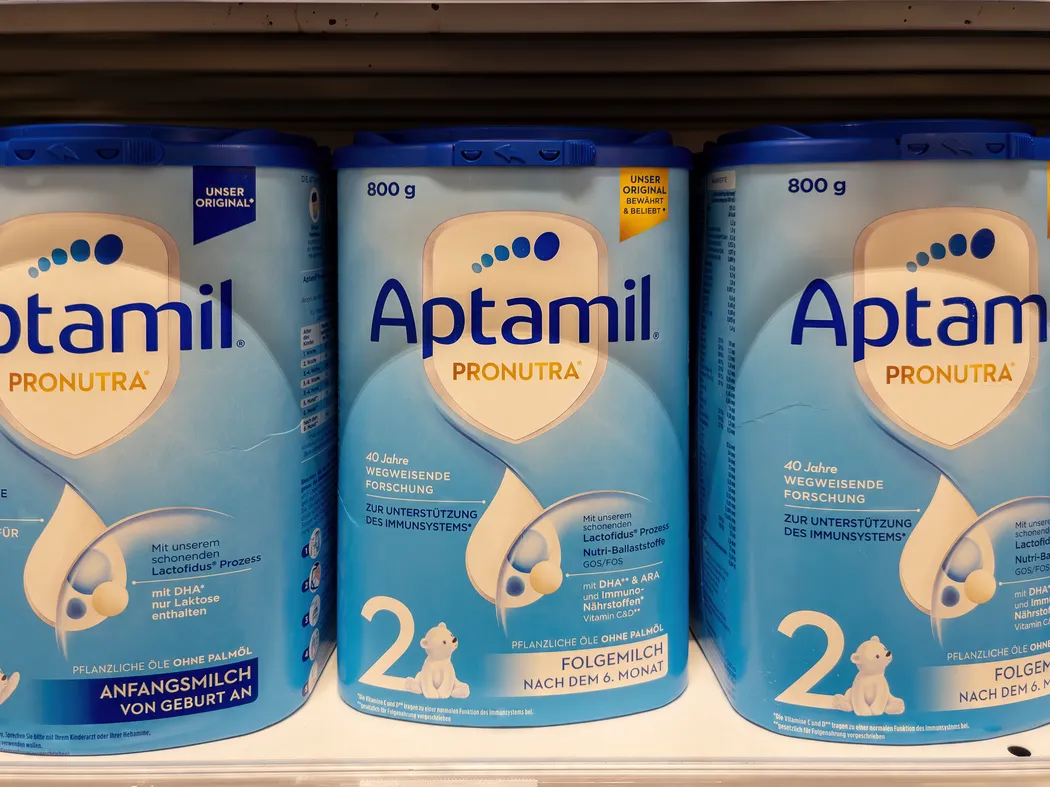
Aptamil Gold Stage 2 is a follow-on infant formula designed for babies from 6 to 12 months. It is based on cow's milk protein and is intended to complement the introduction of solid foods, not replace breast milk or a varied weaning diet.

The "Gold" designation refers to a premium product tier that typically includes added nutrients such as DHA (an omega-3 fatty acid), ARA (an omega-6 fatty acid), and a prebiotic blend. These additions are intended to support brain development, eye health, and digestive comfort, though no formula fully replicates breast milk.

At this stage, a baby's nutritional needs shift. The protein levels and iron content in Stage 2 are adjusted to suit a baby who is now eating some solids alongside milk feeds. It is not suitable as a sole source of nutrition and should always be part of a broader feeding plan discussed with your pediatrician.

Aptamil Formula Stages Explained (1 to 4)

Aptamil follows a stage-based system aligned with a baby's age and developmental needs. Here is a general overview:

StageAge RangeKey Nutritional Focus
Stage 10 to 6 monthsClosest to breast milk; complete nutrition for newborns
Stage 26 to 12 monthsAdjusted iron and protein to support the weaning phase
Stage 312 to 24 monthsGrowing-up milk; not a medical necessity
Stage 42 years and aboveToddler milk; usually fortified with vitamins and minerals

Stage 1 is a complete infant formula suitable from birth. The switch from Stage 1 to Stage 2 is generally suggested around 6 months, when solids begin, though many pediatricians note that Stage 1 can safely continue through the first year if preferred. There is no medical requirement to move to Stage 2 at 6 months; your doctor should guide that decision.

For newborn care essentials for new parents, including guidance on feeding and hygiene in the early weeks, Apollo Pharmacy has helpful resources to support you.

Special Formulations Under the Aptamil Range

Beyond the standard stages, Aptamil offers several specialised variants. These are not everyday products and should only be used under pediatric guidance.

  • Aptamil HA (Hypoallergenic) contains partially hydrolysed whey protein, which may be easier to tolerate for babies considered at higher risk of developing allergy. It is not the same as a formula for confirmed cow's milk protein allergy (CMPA).
  • Aptamil Comfort is formulated for babies with colic, constipation, or digestive discomfort. It uses partially hydrolysed protein and a modified lactose content to ease digestion. A pediatrician should confirm whether this is appropriate before use.
  • Aptamil Anti-Reflux is a thickened formula designed to reduce regurgitation in babies with frequent reflux. It is not suitable for all babies and should not be chosen without medical advice.

Each of these is a specialised aptamil special formula for babies with specific clinical needs. Using the wrong variant, even with good intentions, can cause nutritional imbalance or mask an underlying condition that needs proper diagnosis.

Report adverse events to your healthcare provider or the relevant regulatory authority.

How Aptamil Gold Stage 2 Compares to Other Premium Brands?

Parents frequently ask how aptamil gold vs other formula brands stacks up. The table below offers a factual, neutral comparison across commonly available premium follow-on formulas in India. Nutrient profiles can vary by batch, manufacturing date, and market, so always read the product label carefully and discuss with your pediatrician before choosing.

FeatureAptamil Gold Stage 2Similac Follow-OnNAN Pro 2
Protein sourceCow's milk (whey-dominant)Cow's milkCow's milk (whey-dominant)
DHA/ARA addedYesYesYes
Prebiotic typeGOS/FOS blendFOSGOS
Contains lactoseYesYesYes

No formula can be declared universally "best." The best formula milk for a 6-month baby is one your child tolerates well, that your paediatrician approves, and that fits your family's practical needs. If your baby is thriving on their current formula, there is generally no clinical reason to switch brands.

Who Should Avoid Aptamil Gold Stage 2 (Contraindications)

Not all babies can safely use Aptamil Gold Stage 2 or any cow's milk-based formula.

  • Babies diagnosed with cow's milk protein allergy (CMPA) must not use standard Aptamil Gold Stage 2. CMPA requires a specifically prescribed extensively hydrolysed or amino acid-based formula under close medical supervision.
  • Babies with galactosemia, a rare metabolic disorder affecting galactose processing, cannot tolerate any lactose-containing formula, including this one.
  • Babies showing signs of persistent rash, blood in stools, severe vomiting, or poor weight gain on a cow's milk formula should be seen by a paediatrician before any formula change is made.

True lactose intolerance is uncommon under 12 months, but if suspected, a doctor should confirm before switching to a lactose-free alternative. Never self-diagnose a food allergy or intolerance in an infant.

How to Prepare and Store Aptamil Gold Stage 2 Safely?

Safe preparation matters as much as the formula you choose. Powdered infant formulas are not sterile, so hygiene during preparation is essential.

Preparation steps:

  • Wash hands thoroughly before handling any feeding equipment.
  • Use freshly boiled water that has cooled to at least 70°C before mixing the powdered formula. WHO guidance recommends adding powdered infant formula to water at 70°C or above to reduce the risk from bacteria that may be present in powdered formula. After mixing, cool the prepared feed to a safe feeding temperature before giving it to your baby. Always follow the preparation instructions on the specific formula packaging, particularly if the manufacturer provides different instructions.Use the scoop provided in the tin and level it off.
  • Never add extra powder hoping to make feeds more nutritious; this can overload an infant's kidneys.
  • Mix gently and check the temperature on your wrist before feeding.

Storage:

  • Made-up formula should be used immediately where possible.
  • If prepared in advance, store in the back of a refrigerator (not the door) and use within 24 hours.
  • Never reuse leftover formula from a feed your baby has started; discard it within 1 to 2 hours.
  • Store unopened tins in a cool, dry place. Once opened, follow the "use within" timeframe printed on the packaging, typically 4 weeks.

Conclusion

Aptamil Gold Stage 2 can be a suitable follow-on formula for babies aged 6 to 12 months when used as part of a balanced feeding plan that includes complementary foods. However, there is no single formula that is best for every baby. The right choice depends on your baby's age, nutritional needs, tolerance, and any medical conditions. Always follow the preparation and storage instructions on the packaging, and avoid switching between stages or specialised formulas without professional guidance. If your baby develops persistent vomiting, rash, blood in the stools, feeding difficulties, or poor weight gain, consult a paediatrician promptly. With appropriate guidance and safe feeding practices, formula can be used confidently alongside complementary foods during this important stage of growth.

FAQS

Is Aptamil Gold Stage 2 suitable from 6 months?

Yes, Aptamil Gold Stage 2 is formulated for babies aged 6 to 12 months. It is designed to be used alongside solid foods introduced during weaning, not as a complete sole feed.

Can I mix Aptamil Stage 1 and Stage 2?

Mixing stages is not recommended. Each stage is nutritionally calibrated for its age group, and combining them could alter the intended nutrient balance. If you are transitioning between stages, do so gradually under your paediatrician's guidance.

Is Aptamil Gold Stage 2 lactose-free?

No, Aptamil Gold Stage 2 contains lactose. Babies with confirmed lactose intolerance or galactosemia should not use this formula. A paediatrician can recommend a suitable lactose-free alternative.

How is Aptamil Gold different from standard Aptamil?

The "Gold" range is a premium tier that typically includes higher levels of DHA, ARA, and a prebiotic GOS/FOS blend compared to the standard range. Exact differences depend on the specific products available in your market, so check the label or ask your pharmacist.

Should I consult a doctor before switching baby formula?

Yes, always. Switching formula, even within the same brand, can affect your baby's digestion and nutritional intake. A paediatrician can confirm whether a switch is necessary and recommend the right product for your baby's needs.

Apollo 247 Floating Action Button