logo
0

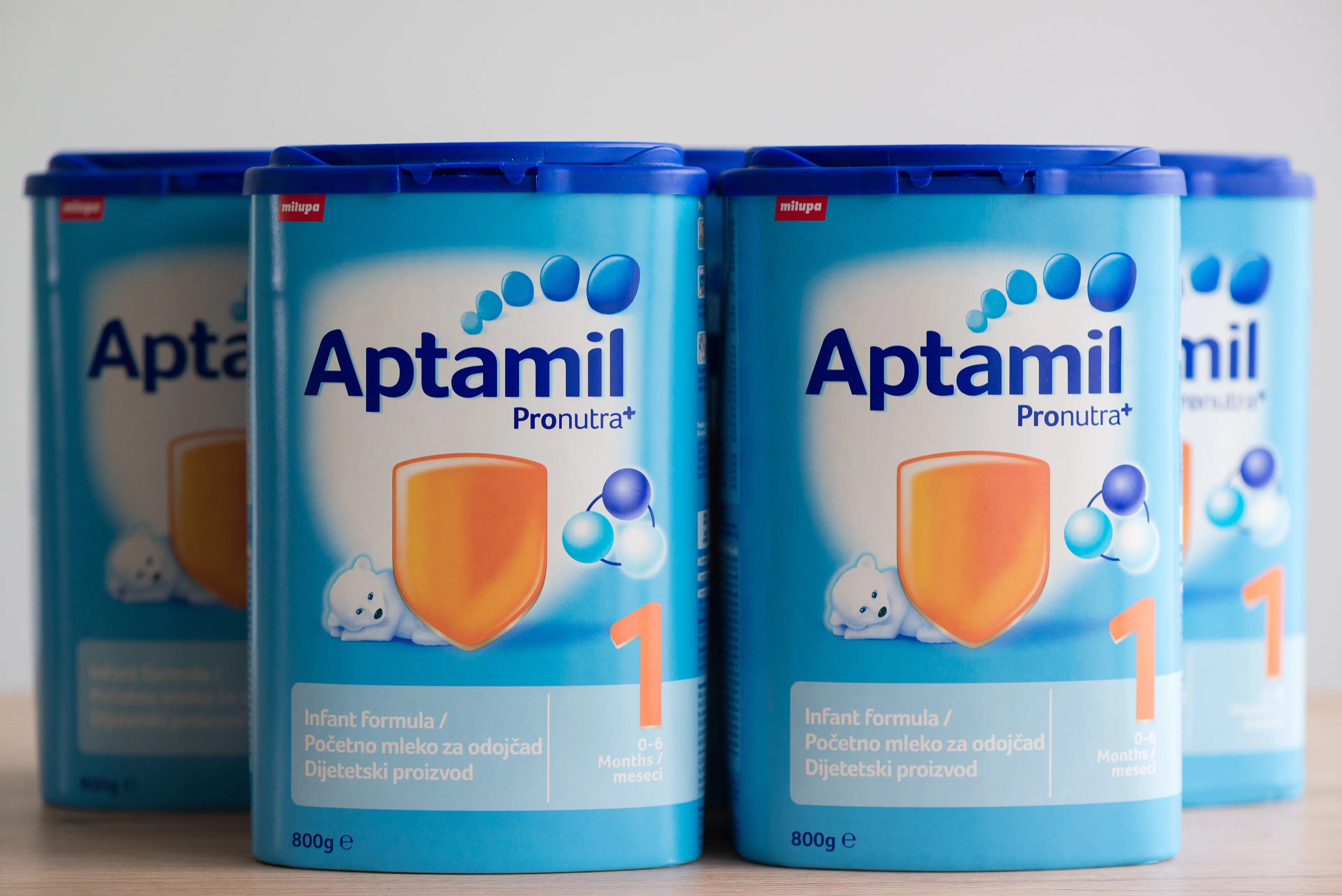
Aptamil Powder: Types & Allergy Suitability

Learn about Aptamil powder, its composition, formula types, nutritional features, and which Aptamil options may be suitable for babies with cow's milk allergy.

article image

Dr. Mayank

Choosing the right infant formula is one of the more stressful decisions a new parent can face, especially when a baby shows signs of discomfort, rashes, or digestive trouble. Aptamil powder is a widely recognised range of infant milk formula products designed to meet different feeding needs, from standard nutrition to specialised options for babies with cow's milk protein allergy. This guide covers what the range contains, how the variants differ, and when a paediatrician's input is essential before switching formulas.

What Is Aptamil Powder and Who Is It For

Aptamil powder is a brand of infant formula milk, usually derived from cow's milk components, though specialised variants use extensively hydrolysed or amino-acid proteins for allergy management. As an infant formula, it is intended to substitute or supplement breast milk when breastfeeding is not possible or sufficient.

The range broadly covers:

  • Healthy term infants from birth onwards (standard formula)
  • Babies with feeding discomfort, reflux, or colic (comfort variants)
  • Babies with diagnosed or suspected cow's milk protein allergy (hypoallergenic and amino-acid variants)

Aptamil is not a medicine, but some specialised formulas function as therapeutic feeds and should only be started on medical advice. For broader guidance on caring for a very young baby, the newborn care essentials guide covers practical basics that complement good feeding choices.

Aptamil Composition: What Is in the Powder

The aptamil composition varies by product line, but most standard variants share a core set of ingredients.

  • Protein sources: Skimmed cow's milk and demineralised whey are the primary proteins in standard Aptamil. In hydrolysed variants, these proteins are broken into smaller peptide fragments. Amino-acid formulas contain no intact protein at all, which makes them suitable for the most severe cases of allergy.
  • Carbohydrates: Lactose is the main carbohydrate in standard formulas, closely mirroring breast milk. Some comfort or allergy-specific formulas substitute partially hydrolysed lactose or use alternative carbohydrate sources to ease digestion.
  • Fats: A blend of vegetable oils provides energy and essential fatty acids. Confirm the current Aptamil India formulation for presence or absence of palm oil, as this varies by market and product line, and update this paragraph accordingly before publication.\]\] DHA (docosahexaenoic acid) and ARA (arachidonic acid) are added to support brain and eye development.
  • Prebiotics: Many Aptamil formulas include a blend of galacto-oligosaccharides (GOS) and fructo-oligosaccharides (FOS), designed to support a healthy gut microbiome.
  • Vitamins and minerals: Standard micronutrients including iron, calcium, vitamin D, vitamin K, and B-vitamins are included in line with infant formula regulations.

Always read the product label carefully, as aptamil composition differs meaningfully between standard, comfort, and specialised formulas. If your baby has a known allergy to any listed component, check the label before every purchase, as manufacturers can update formulations.

Aptamil Range: Types and Differences

The table below outlines the main categories in the aptamil types and uses range. Naming may vary slightly between markets.

VariantIntended UseProtein Type
Aptamil First (Stage 1)Healthy term newborns from birthIntact whey-dominant cow's milk protein
Aptamil Hungry (Stage 2+)Hungrier babies needing longer satietyHigher casein, slower digesting
Aptamil ComfortColic, constipation, mild refluxPartially hydrolysed protein, reduced lactose
Aptamil Pepti (Hydrolysed)Mild to moderate cow's milk protein allergyExtensively hydrolysed whey protein
Aptamil Amino AcidSevere CMPA or failed hydrolysed formulaFree amino acids, no intact protein

For reflux, the Comfort variant is generally considered first because it contains partially hydrolysed protein and thickening agents that may reduce regurgitation. That said, persistent reflux, blood in vomit, or poor weight gain always warrants a paediatrician review before any formula change.

Aptamil for Cow's Milk Protein Allergy: Suitability

Cow's milk protein allergy (CMPA) is among the more common food allergies in infancy. Symptoms can include skin rashes, persistent vomiting, blood in stools, excessive crying, and poor weight gain. It should not be confused with lactose intolerance, which involves a different mechanism entirely.

Aptamil formula for cow's milk allergy comes in two main therapeutic forms:

  • Extensively hydrolysed formula (eHF): Aptamil Pepti uses whey protein broken into very small peptides. Most babies with mild to moderate CMPA tolerate this well, and it is typically the first-line recommendation.
  • Amino-acid formula (AAF): Aptamil Amino Acid contains no protein structures at all. It is reserved for babies with severe CMPA, those who react to eHF, or those with multiple food protein allergies.

Soya-based formulas are generally not recommended as a first alternative in infants under six months with CMPA, because a proportion of these babies also react to soya protein.

A diagnosis of CMPA should be confirmed by a paediatrician, ideally supported by a registered dietitian. Switching to a hypoallergenic infant formula without proper diagnosis can delay identifying the actual cause of symptoms and complicate any elimination and reintroduction process. This is especially relevant with aptamil hydrolysed formula variants, which are therapeutic feeds rather than standard nutritional products.

Contraindications and When Not to Use Aptamil Powder

Not every baby is a suitable candidate for every Aptamil product.

  • Galactosaemia: Standard Aptamil formulas contain lactose and are not safe for babies with this rare metabolic condition. A specialised galactose-free formula is required.
  • Confirmed allergy to a formula component: If a baby has a documented allergy to any listed ingredient, that product should not be used.
  • Severe CMPA with standard or comfort formula: Giving a standard cow's milk protein formula to a baby with confirmed CMPA can perpetuate and worsen symptoms. Only a confirmed-safe cow's milk protein allergy formula should be used.
  • Premature or medically complex infants: These babies often require specialist premature or post-discharge formulas rather than standard Aptamil.

Report adverse events, including new rashes, breathing difficulty, or persistent gastrointestinal symptoms after formula introduction, to your healthcare provider or the relevant regulatory authority.

How to Prepare and Store Aptamil Powder Safely

Correct preparation reduces the risk of bacterial contamination, which is a genuine concern with powdered infant formula.

Preparation steps:

  • Wash hands thoroughly before starting.
  • Sterilise all bottles, teats, and utensils.
  • Boil fresh tap water and allow it to cool to approximately 70 degrees Celsius (not fully cooled or room temperature, as this temperature is needed to reduce any bacterial risk in the powder itself).
  • Add the exact number of scoops stated on the packaging. Do not heap, press, or add extra scoops.
  • Cap the bottle, shake well, and cool under running water until a safe feeding temperature is reached.

Storage:

  • Made-up formula should ideally be prepared fresh for each feed.
  • If prepared in advance, store in the back of the refrigerator (below 5 degrees Celsius) and use within 24 hours.
  • Discard any formula left in the bottle after a feed; do not reheat leftovers.
  • Opened powder tins should be stored in a cool, dry place with the lid sealed and used within four weeks of opening.

Conclusion

Aptamil offers several formula types designed for different feeding needs, from standard formulas for healthy term infants to specialised products for specific nutritional or medical requirements. The appropriate choice depends on your baby's age, growth, feeding tolerance, and any diagnosed condition. Babies with suspected or confirmed cow's milk protein allergy may require an extensively hydrolysed or amino acid-based formula, while comfort or reflux-oriented products should not be used as substitutes for medical assessment when symptoms are persistent or severe. Because specialised formulas can serve as therapeutic feeds, consult your paediatrician before switching products, particularly if your baby has blood in the stool, persistent vomiting, significant skin reactions, or poor weight gain. Always check the current product label because ingredients and formulations can vary between products and markets.

FAQs

Is Aptamil good for newborns?

Aptamil First (Stage 1) is formulated for healthy term newborns from birth. Premature babies or those with medical conditions need specialist formula chosen with paediatric guidance. Breastfeeding remains the preferred option where possible, and a midwife or paediatrician can advise on the right formula if it is needed.
Can I switch between Aptamil variants?

Switching between standard variants is generally possible, but should be done gradually and ideally discussed with a health visitor or paediatrician first. Switching to or from a specialised allergy or hydrolysed formula should only happen on medical advice, as it can affect symptom interpretation.

Does Aptamil need a doctor's prescription?

Standard Aptamil formulas are available over the counter. Specialised therapeutic variants such as aptamil hydrolysed formula and amino-acid formula are not prescription medicines in every market, but guidelines strongly recommend starting them only under medical supervision to ensure the correct product is chosen.

What is the shelf life of opened Aptamil powder?

Once opened, Aptamil powder should be used within four weeks, regardless of the printed expiry date on the tin. Store in a cool, dry place with the lid firmly closed, and never scoop powder with a wet spoon.

Is Aptamil safe for babies with lactose intolerance?

Standard Aptamil contains lactose. True lactose intolerance is rare in young infants. If lactose intolerance is suspected, a paediatrician should confirm the diagnosis before switching, as the symptoms overlap with CMPA, and using the wrong formula can delay appropriate management.

Apollo 247 Floating Action Button