logo
0

Avocado for Babies: Benefits and Safety

Avocado for babies is a nutrient-rich first food. Learn when babies can eat avocado, its benefits, safe serving sizes, allergy and choking risks, and easy preparation methods.
 

article image

Dr. Yusuf

Introducing solid foods to your baby is an exciting milestone, but it often comes with a flood of questions. You want to ensure that every bite you offer is packed with nutrients, gentle on their developing digestive system, and completely safe.

Among the many first-food options recommended by paediatricians, avocado stands out as a clear favorite. But as you plan your infant's daily menu, you might wonder: is avocado good for babies every day?

In this comprehensive guide, we will explore everything you need to know about serving this creamy green superfood to your little one. From its impressive health benefits and safety precautions to portion sizes and timing, here is how you can confidently introduce avocado into your baby's diet.

Can Babies Eat Avocado?

Before we jump into the details, you might ask: Can babies eat avocado? The short answer is a resounding yes!

Avocado is highly recommended as a first food. Unlike many fruits that are high in sugar and fast-digesting carbohydrates, avocados are unique because they are rich in healthy monounsaturated fats. This creamy fruit is nutrient-dense, naturally sodium-free, cholesterol-free, and packed with essential vitamins and minerals that support your baby’s rapid growth.

But when is the right time to start?

When Can Babies Start Eating Avocado?

According to the World Health Organization (WHO) and the Centers for Disease Control and Prevention (CDC), babies should be exclusively breastfed or formula-fed for about the first six months of life. Around this time, most infants show developmental signs of readiness for complementary solid foods.

Signs Your Baby Is Ready for Solids:

  • Can sit upright with little or no support.
  • Has good head and neck control.
  • Shows interest in what you are eating (leaning forward or reaching for food).
  • Has lost the tongue-thrust reflex (automatically pushing food out of their mouth).


Can Babies Eat Avocado at 4 Months?

A common question among new parents is: Can babies eat avocado at 4 months?

While some paediatricians may give the green light to introduce solids between 4 and 6 months if a baby shows all signs of developmental readiness, major health organizations recommend waiting until closer to 6 months. A 4-month-old's digestive tract is still highly immature. Always consult your pediatrician before introducing any solid foods, including avocado, before the 6-month mark.

Avocado Baby Food Benefits: Why It’s a Superfood for Infants

There is a reason why this fruit is celebrated in the pediatric nutrition world. The outstanding avocado baby food benefits make it a top choice for supporting your baby's physical and cognitive development.

1. Supports Rapid Brain Development

During the first two years of life, a baby’s brain grows at an astonishing rate. Avocados are rich in monounsaturated fats, particularly oleic acid. These healthy fats are crucial for brain development and the formation of myelin, the protective sheath that covers nerve fibers in the brain and nervous system.

2. Gentle on the Digestive System

A baby’s digestive tract is highly sensitive as it transitions from a liquid-only diet to solids. Avocados contain both soluble and insoluble fiber. One of the most notable avocado puree benefits for babies is that its fiber content promotes healthy gut bacteria and helps prevent infant constipation, keeping bowel movements regular and easy to pass.

3. Packed with Essential Vitamins and Minerals

This single fruit offers a broad spectrum of nutrients:

  • Folate: Vital for healthy cell growth and function.
  • Vitamin E: A powerful antioxidant that supports immune system health.
  • Vitamin B6 and C: Crucial for tissue repair, brain metabolism, and immune function.
  • Potassium: Supports healthy blood pressure levels and muscular function (avocados actually contain more potassium per gram than bananas!).

4. Enhances Nutrient Absorption

Many essential vitamins, such as vitamins A, D, E, and K, are fat-soluble. This means the body requires dietary fat to absorb them properly. Serving avocado is good for babies alongside other fruits or vegetables (like sweet potatoes or carrots) and helps their bodies absorb the maximum amount of nutrients from their entire meal.

Is Avocado Good for Babies Every Day? Finding the Right Balance

Since it is so healthy, is avocado good for babies every day?

Yes, is avocado good for babies every day? It is a question with a positive answer—it is absolutely safe and highly nutritious to offer a small portion of avocado to your baby daily. However, while it is incredibly healthy, variety is the spice of life (and the key to a robust diet).
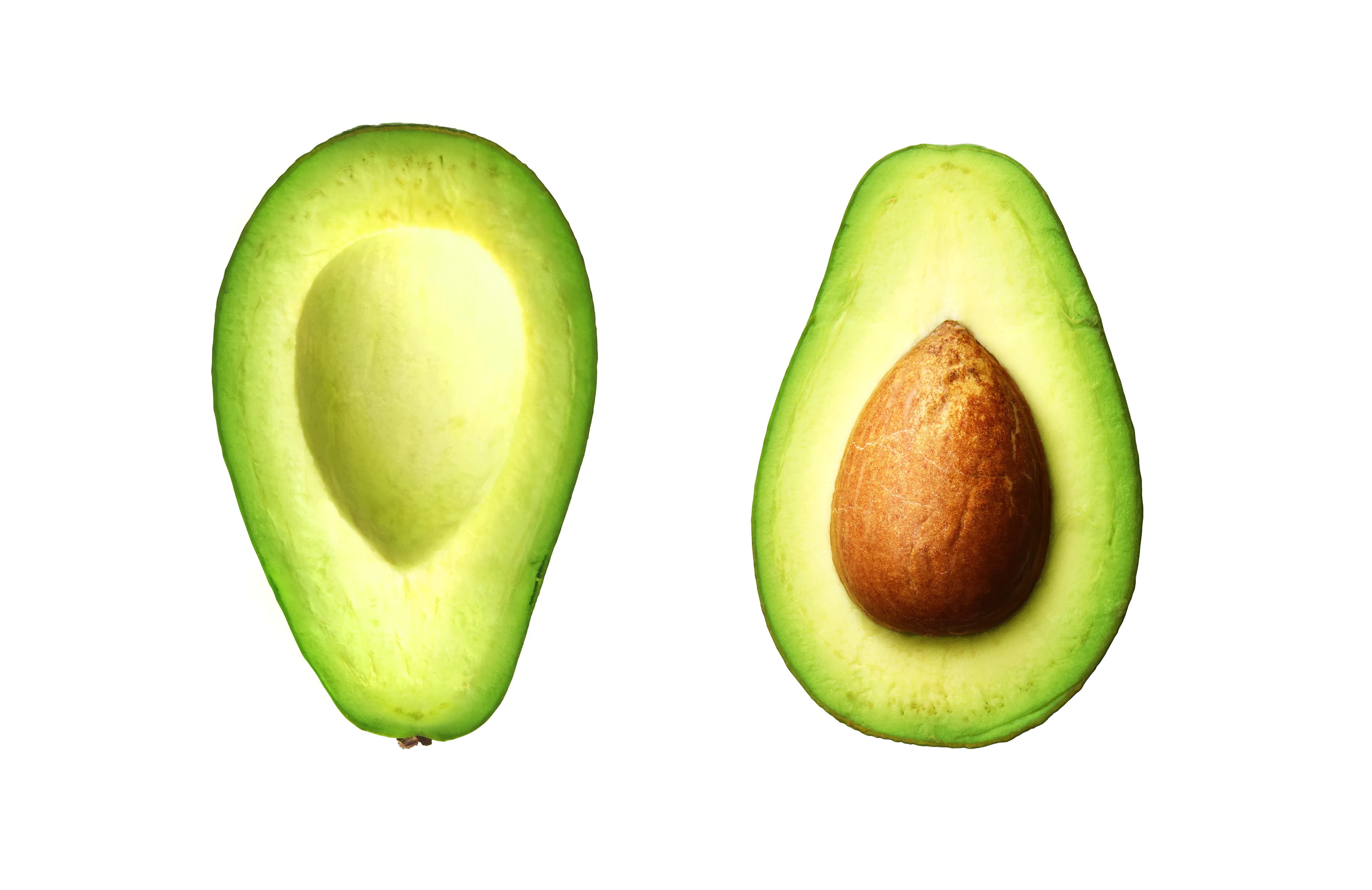
Providing a wide array of foods helps your baby develop a taste for different flavors and textures, reducing the likelihood of picky eating later on. If you do choose to serve avocado daily, make sure it does not crowd out other essential foods, such as iron-rich meats, beans, baby cereals, and, of course, breast milk or formula.

How Much Avocado Can a Baby Eat Per Day?

If you are serving it daily, you might wonder:

  • For beginners (6 to 7 months): Start small with 1 to 2 tablespoons of mashed avocado or puree. This allows you to monitor how their stomach tolerates the new food.
  • For older babies (8 to 12 months): You can increase the portion to about 1/4 to 1/2 of a small avocado per day, served either mashed or in safe finger-food pieces.

Because avocados are highly filling due to their fat and fiber content, feeding them too much might make them too full to drink their necessary daily intake of breast milk or formula, which should remain their primary source of nutrition during the first year.

Is Avocado Safe for Babies? Allergies and Choking Risks

When starting solids, safety is always a top priority. Parents naturally want to know: Is avocado safe for babies?

Generally, yes. Avocados are not considered a common high-allergen food. However, there are two key safety aspects to keep in mind: allergic reactions and choking hazards.

Allergic Reactions and Oral Allergy Syndrome

While rare, avocado allergies do exist. Some babies may experience an allergic reaction to avocado, especially if they have a known latex allergy. This is due to a cross-reactivity known as "latex-fruit syndrome."

Signs of an Allergic Reaction to Watch For:

  • Hives or skin rashes
  • Swelling of the lips, tongue, or face
  • Vomiting or diarrhea shortly after eating
  • Wheezing or difficulty breathing (seek immediate emergency care)

To ensure avocado is safe for babies in your home, always introduce it on its own for the first time. Wait 3 to 5 days before introducing another new food so you can easily isolate the cause if an allergic reaction occurs.

Preventing Choking Hazards

Because of its soft, buttery texture when ripe, avocado is an excellent food for both traditional purees and baby-led weaning (BLW). However, if the avocado is underripe, it can pose a choking hazard.

  • To test ripeness: Gently squeeze the avocado in the palm of your hand. It should yield to gentle pressure but not feel mushy or bruised.
  • For baby-led weaning: Cut ripe avocado into long, thick spears (about the size of two adult fingers) so your baby can easily grasp them. You can coat the slippery spears in finely crushed baby oatmeal or germ to make them easier to hold.

Tips for Parents: Best Time to Eat Avocado for Baby

Finding the best time to eat avocado for a baby depends on your family's routine, but most paediatricians recommend serving new foods during the morning or early afternoon. This gives you plenty of daytime hours to monitor your baby for any potential digestive upset or allergic reactions before bedtime.

Can I Give Avocado to My Baby at Night?

You might also wonder, can I give avocado to my baby at night?

Yes, you can! Once you have safely introduced avocado during the day without any adverse reactions, it is perfectly fine to serve it at dinner. In fact, some parents find that the healthy fats and fiber in avocados help keep their babies feeling full and satisfied, which may contribute to a better night’s sleep. Just be mindful of serving sizes, as a heavy stomach can sometimes cause mild gas or discomfort in sensitive little bellies.
 

Simple and Safe Ways to Prepare Avocado for Your Baby

Stage-by-Stage Preparation Guide:

  • 6 Months Old (Smooth Purees): Blend 1/4 of a ripe avocado with a splash of breast milk, formula, or water until completely smooth.
  • 7 to 8 Months Old (Mashed & Textured): Fork-mash the avocado, leaving small, soft lumps. You can mix this with mashed banana or unsweetened applesauce.
  • 9+ Months Old (Soft Finger Foods): Cut the ripe avocado into small, bite-sized cubes that your baby can practice picking up using their pincer grasp.

Conclusion

Introducing avocado can be a simple and nutritious way to help your baby explore new flavours, textures, and foods from around six months, when they are developmentally ready for solid foods. Whether you choose smooth avocado puree, mashed avocado with familiar foods, or soft avocado pieces for baby-led weaning, avocado provides healthy fats, fibre, vitamins, and minerals that can support your baby’s growth and development. By choosing ripe avocado, serving it in an age-appropriate texture, introducing it carefully, and storing leftovers safely, you can make avocado an enjoyable part of your baby’s feeding journey. Always follow your baby’s readiness and feeding cues, and consult your paediatrician if you have concerns about introducing new foods.

FAQS

Is avocado good for babies every day?

Yes, is avocado good for babies every day? This is a common question with a positive answer. You can feed your baby avocado daily in moderate amounts, such as 1 to 2 tablespoons for beginners, as long as it is part of a balanced diet that includes a variety of other nutrient-dense foods.

Can avocado cause constipation in infants?

On the contrary, avocados are excellent for preventing constipation. They contain a healthy amount of dietary fiber and healthy fats, which help keep your baby’s digestive system moving smoothly.

How do I keep leftover baby avocado from turning brown?

Squeeze a few drops of lemon or lime juice over the leftover avocado, wrap it tightly in plastic wrap (pressing the wrap directly against the green surface to keep air out), and store it in the refrigerator for up to 24 hours.

What if my baby dislikes the taste of plain avocado?

Try mixing mashed avocado with foods they already enjoy, such as breast milk, formula, warm baby oatmeal, sweet potato puree, or mashed banana.

Can I freeze avocado baby food?

Yes! You can freeze pureed avocado. Puree the avocado with a little lemon juice to prevent browning, portion it into clean silicone ice cube trays, and freeze. Once frozen, transfer the cubes to a freezer-safe bag for up to three months. Thaw in the refrigerator before serving.

Apollo 247 Floating Action Button