logo
0

Baby Bottles: Feeding Bottles, Sets & Accessories

Learn about baby bottles, feeding bottle sets and accessories, including bottle types, materials, nipple options, cleaning, sterilisation and feeding safety tips.

article image

Dr.Kamran

Choosing the right baby bottles feels simple until you are standing in a store facing dozens of shapes, sizes, venting systems, and materials. For new parents in India, where both formula feeding and combination feeding are common, picking the wrong bottle can mean uncomfortable feeds, gassiness, or a baby who refuses the nipple entirely. This guide covers everything from materials and nipple flow rates to sterilising routines and when a feeding problem needs a doctor's attention.

Types of Baby Bottles: Materials and Nipple Shapes

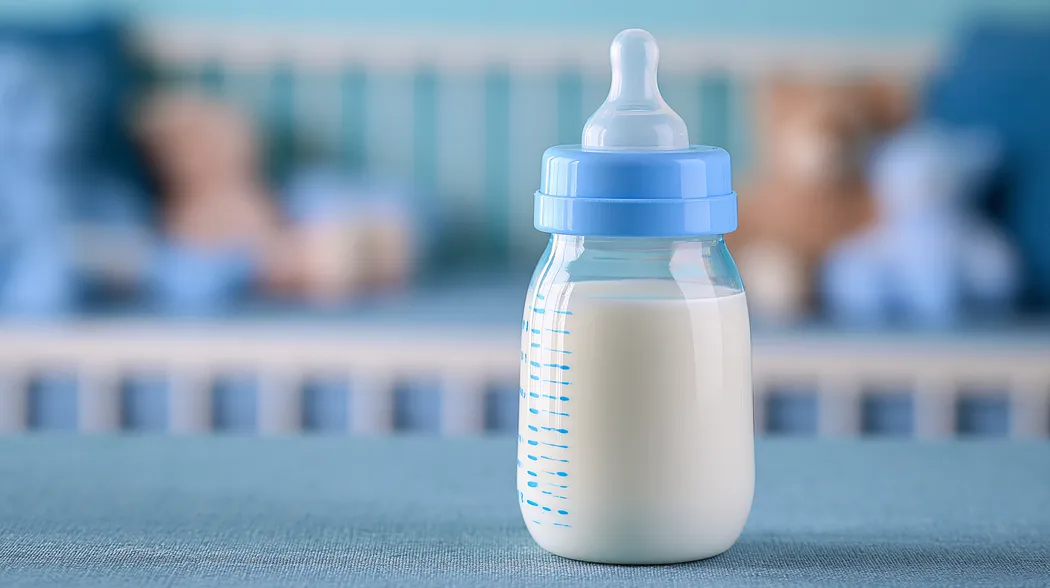
Baby feeding bottles come in three main materials, each with genuine trade-offs.

  • Glass bottles: Glass bottles are durable, easy to clean and can tolerate high-temperature sterilisation. However, they are heavier than plastic bottles and can break if dropped. They may be more suitable for supervised use at home than for travel.
  • Plastic bottles: BPA-free plastic bottles are lightweight and resistant to breaking, making them practical for everyday use. Check the packaging for information about the material and safety standards. Replace bottles that become scratched, cracked or damaged, as they can be harder to clean effectively.
  • Silicone bottles: Silicone bottles are lightweight, soft and squeezable, making them another option for parents. They are generally more expensive than plastic bottles and may retain odours over time. Check the manufacturer's instructions for cleaning, sterilisation and safe use.

When looking for the best baby bottles for newborns, prioritise a slow-flow nipple, a wide-based shape that is easy to hold, and a design that is straightforward to clean. Complicated venting systems with many small parts can be harder to maintain in a newborn's busy early weeks.

Nipple Flow Rates

The nipple matters as much as the bottle body. Flow rates are usually labeled slow, medium, and fast.

  • Slow flow suits newborns up to around 3 months; it matches the effort needed at the breast.
  • Medium flow works for babies around 3 to 6 months who feed more efficiently.
  • Fast flow suits older babies who grow frustrated with slow feeds.

Watch your baby during feeds. Gulping, choking, or milk dribbling from the corners of the mouth suggests the flow is too fast. Sucking hard with little milk transfer suggests it is too slow. Nipple shapes vary too: some are long and narrow, others wide-based and rounded. Neither is universally better; the right one is whichever your baby accepts comfortably

Anti-Colic Bottles and Vented Systems

Anti-colic baby bottles are designed with a venting mechanism, typically a straw, valve, or angled neck, that lets air into the bottle without passing through the milk. The idea is that the baby swallows less air during feeds, which may reduce gas and discomfort after eating.

These bottles can be genuinely useful for babies who seem gassy or unsettled after feeds. However, they are not a medical treatment for colic. Colic has multiple causes, and if your baby cries inconsolably for extended periods, a vented bottle alone is unlikely to resolve it. Speak with your paediatrician before assuming the bottle is the problem.

Vented systems have more parts, which means more pieces to clean and sterilise. Make sure you are comfortable with the assembly before committing to a full set.

Building a Complete Baby Feeding Set: Essential Accessories

A good baby feeding set goes beyond the bottle itself. These are the accessories worth having from day one.

  • Bottle brush: Use a dedicated bottle brush with a narrow head to clean the bottle interior and a smaller brush for nipples and other small parts. Bristled brushes can be easier to clean thoroughly than sponge-tipped brushes, which may retain moisture.
  • Drying rack: A dedicated drying rack allows bottles, nipples and other parts to air-dry completely. Keep them in a clean area and avoid drying them with a used or dirty towel.
  • Bottle warmer: A bottle warmer can provide more even heating than a microwave. Microwaving breast milk or formula can create hot spots that may burn your baby's mouth. Never heat breast milk or formula in a microwave.
  • Formula dispenser: A formula dispenser with separate compartments for pre-measured powdered formula can be convenient when travelling or away from home. Prepare feeds according to the formula manufacturer's instructions.
  • Breast pump compatibility: If you are combination feeding, check whether the bottles are compatible with your breast pump. Some bottles can attach directly to pump accessories, which can make expressing and feeding more convenient and reduce unnecessary transfers.

For newborn care essentials beyond feeding, including umbilical cord care and hygiene routines, Apollo's newborn guide is worth bookmarking early.

Sterilising and Cleaning Baby Bottles Safely

Until a baby is around 12 months old, their immune system is still developing, making a baby bottle steriliser or another sterilisation method important for every feed. After 12 months, a thorough clean in hot soapy water is generally sufficient for healthy babies, though always follow your paediatrician's specific guidance.

Common sterilising methods:

  • Boiling: Boiling is a simple sterilisation method. Submerge clean bottles, nipples and other heat-safe parts completely in boiling water for the time recommended by the manufacturer. Allow them to cool and air-dry in a clean area.
  • Electric steam steriliser: An electric steam steriliser uses hot steam to sterilise bottles and their components. It is convenient for regular use, and some models also include a drying function. Always follow the manufacturer's instructions for loading and sterilisation times.
  • UV steriliser: UV sterilising devices use ultraviolet light rather than heat and may be useful for compatible items that should not be exposed to high temperatures. Follow the manufacturer's instructions carefully, as effectiveness depends on correct use and adequate UV exposure.

Always wash bottles with hot soapy water and a bottle brush before sterilising. Sterilisation does not replace cleaning; it follows it. Rinse immediately after each feed to prevent milk residue from drying, which is much harder to remove. Store sterilised bottles in a clean, covered container if not used right away.

Switching Between Breastfeeding and Bottle Feeding

Introducing a bottle to a breastfed baby takes patience. Many lactation specialists suggest waiting until breastfeeding is well established, usually around 4 to 6 weeks, before introducing a bottle. Introducing too early can sometimes interfere with milk supply or latch.

Paced Bottle Feeding

Paced bottle feeding is a technique that mimics the breast. Hold the baby in a semi-upright position and keep the bottle nearly horizontal so milk flows slowly. Let the baby control the pace by pausing every few sucks. This approach reduces overfeeding and helps maintain the baby's interest in breastfeeding.

If your breastfed baby resists the bottle, try having someone other than the breastfeeding parent offer it, in a calm setting. Warming the nipple slightly or trying a different nipple shape can also help. The best baby bottles for newborns being combination fed are usually those with a wide, soft nipple that requires an active latch rather than passive sucking.

When to Consult a Doctor About Feeding Issues?

Some feeding difficulties go beyond bottle choice. Contact your paediatrician if you notice any of the following.

  • Your baby is not regaining their birth weight by around 2 weeks or is losing weight after that point.
  • Feeds are consistently painful, taking longer than 30 to 40 minutes, or ending in prolonged crying.
  • Your baby arches their back during or after feeds, vomits frequently, or seems to be in pain, which can point to reflux.
  • There is a sudden refusal to feed after a period of feeding well.

These signs warrant a proper assessment rather than a change of bottle.

Contraindications and Safety Precautions

  • Nipple material and allergies: Latex nipples can cause allergic reactions in some babies, while silicone nipples are generally well tolerated. If you notice redness, rash or swelling around your baby's mouth after feeding, stop using the suspected material and consult your paediatrician.
  • Silicone sensitivity: Silicone bottles and nipples are generally considered safe for infant feeding. However, if your baby has a known sensitivity or reaction to silicone or latex, speak with your paediatrician before choosing these materials.
  • Do not add other substances to bottles: Only add formula or expressed breast milk to a bottle unless your doctor has specifically recommended something else. Avoid adding herbal preparations, gripe water or teething gels to feeds, as these may cause adverse reactions or interfere with normal feeding.
  • Nipple creams: If using a nipple cream while breastfeeding, choose a product that is suitable for contact with your baby. Some topical products may contain ingredients that should not be ingested. Check the product instructions and consult a pharmacist or doctor if you are unsure about its safety.

Report adverse events to your healthcare provider or the relevant regulatory authority.

Conclusion

Choosing the right baby bottle depends on your baby's age, feeding needs, nipple preference and your family's routine. Glass, BPA-free plastic and silicone bottles each have their own advantages, while the right nipple flow can make feeding more comfortable. Proper cleaning and sterilisation are essential, and accessories such as bottle brushes, drying racks and warmers can make feeding easier. If your baby has persistent feeding difficulties, discomfort, poor weight gain or signs of an allergic reaction, consult your paediatrician rather than relying on a bottle change alone.

FAQS

What is the best age to start bottle feeding?

If breastfeeding, most lactation specialists suggest introducing a bottle between 4 and 6 weeks, once feeding is established. For formula-fed babies, bottle feeding can begin from birth. Always follow your paediatrician's advice based on your baby's specific situation.

How many baby bottles do I need?

For formula feeding, having 6 to 8 bottles on hand means you can go through a full day without washing mid-feed. For combination feeding, 3 to 4 bottles are usually enough. Start with a smaller set until you know which bottle your baby accepts.

Can I mix breast milk and formula in the same bottle?

Yes, but prepare the formula first with water, let it cool, then add breast milk. This way, any unused breast milk is not wasted if the baby does not finish the feed. Always follow safe storage guidelines for both.

How long can a made-up bottle of formula be used?

A freshly made bottle of formula should be used within 2 hours at room temperature. If refrigerated promptly after preparation, it can be kept for up to 24 hours. Discard any milk left in the bottle after a feed is finished.

What size bottle should a newborn use?

A 60 ml to 120 ml bottle suits most newborns, since feed volumes are small in the first weeks. As your baby grows and takes more per feed, move up to a 150 ml to 240 ml bottle. Starting small avoids overfeeding and reduces waste.

Apollo 247 Floating Action Button