logo
0

Diaper Changing Pad: A Complete Guide for Parents

Learn how to choose and safely use a diaper changing pad, including types, essential accessories, cleaning, skin care, and changing-table safety tips.

article image

Dr. Abdul Kalam

Every new parent quickly learns that diaper changes happen dozens of times a day, and doing them safely and hygienically matters more than most expect. A diaper changing pad gives your baby a clean, cushioned surface while protecting your furniture and keeping everything you need within arm's reach. Choosing the right one, using it correctly, and pairing it with a few key accessories can make a real difference to your comfort and your baby's wellbeing.

What Is a Diaper Changing Pad and Why It Matters

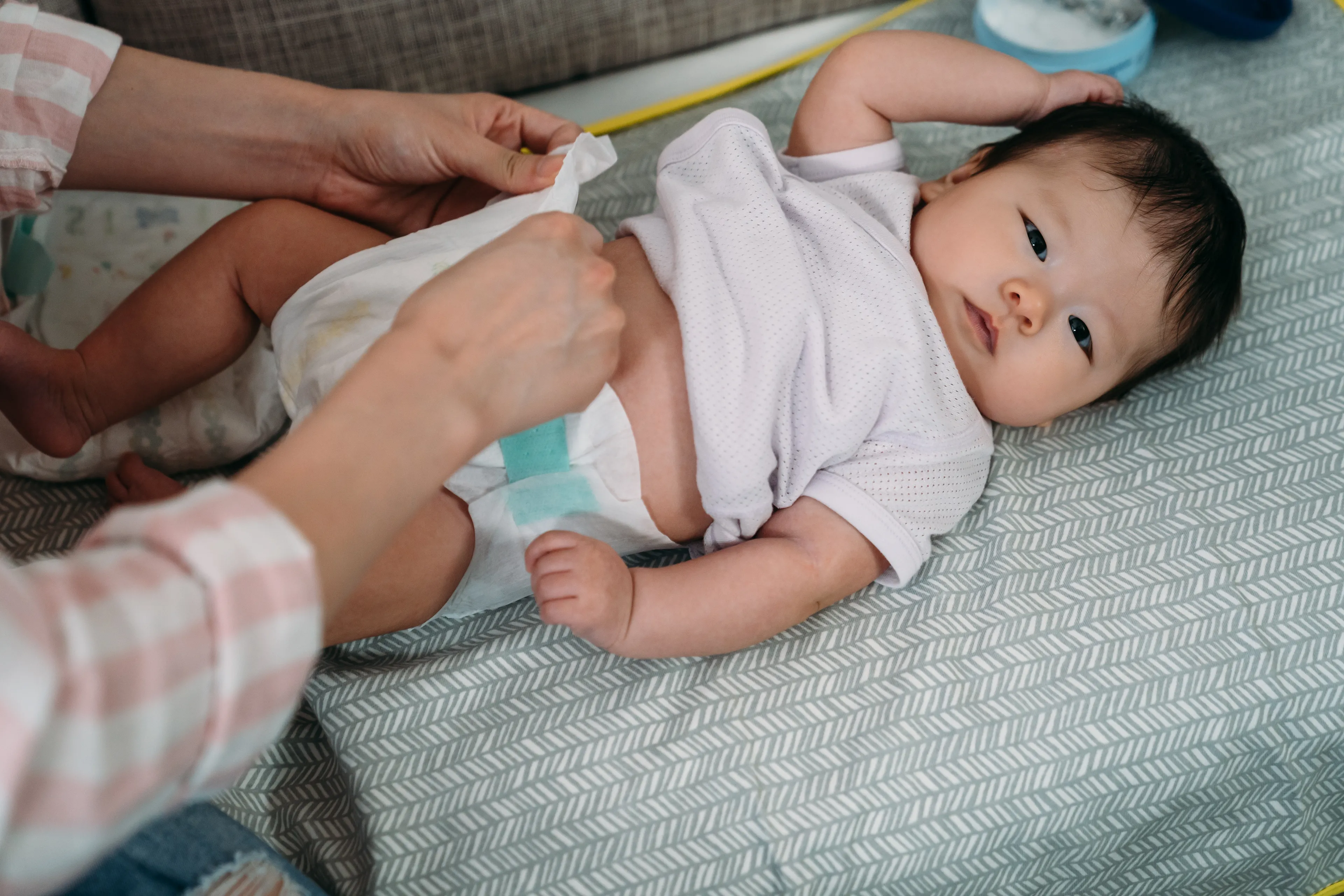
A diaper changing pad is a padded mat, usually waterproof or water-resistant, designed specifically for nappy changes. It keeps your baby comfortable on a firm, wipeable surface rather than a bare floor, bed, or countertop.

Beyond hygiene, a proper changing surface protects your back. Leaning over a low surface to change a wriggling baby strains your lower spine. Placing a pad on a dresser or dedicated changing table brings the baby to a safer working height. It also keeps any mess contained, which matters when you are sleep-deprived at 3 a.m.

Types of Changing Pads: Contoured, Flat, Portable, Waterproof

There is no single "best" type. The right choice depends on where and how you use it.

  • Contoured Pads: Raised sides provide support and help reduce the risk of a baby rolling toward the edge.
  • Flat Pads: Lightweight, simple, and easy to store, but provide less side support than contoured pads.
  • Portable Pads: Foldable or rollable designs that are convenient for travel, outings, and use in unfamiliar places.
  • Waterproof Pads: Easy-to-clean surfaces that help protect the underlying furniture from urine and spills.

For most families, a contoured waterproof pad at home plus a compact portable diaper changing pad in the bag covers all situations well.

Must-Have Accessories for Diaper Changes

Gathering everything before you lay your baby down means you never have to reach away or leave the baby unattended mid-change. Consider keeping these diaper changing table accessories together:

  • Unscented baby wipes or warm damp cloths for gentle cleaning
  • A zinc-based barrier cream or petroleum jelly for rash prevention
  • Nappy disposal bags to seal used diapers before binning them
  • A spare nappy (or two) within easy reach
  • A changing pad cover, which is a soft fabric layer that sits over the pad for extra comfort and absorbs minor moisture

Keeping a small basket or caddy beside the pad with these items means every change is quicker and less stressful.

Safety Tips While Using a Changing Pad

A diaper changing pad only helps if it is used safely. Falls from changing tables and other elevated surfaces can cause serious injuries in infants. Never leave your baby unattended on a changing surface, even for a moment.

  • Never leave your baby unattended on a changing pad, even for a moment. If the doorbell rings or a sibling calls, bring the baby with you or put them on the floor first.
  • If the changing pad has a safety strap, use it according to the manufacturer's instructions, but never rely on the strap as a substitute for keeping one hand on your baby.
  • Place the pad on a stable, flat surface. Avoid surfaces near the edge of a bed or a wobbly dresser.
  • Keep the pad clean. Wipe down a waterproof changing pad after each messy change; wash fabric covers regularly.
  • Position your baby with their feet facing you so you have full control during the change.

Caring for Baby's Skin During Diaper Changes

Skin care during each change goes a long way in preventing discomfort. For cleaning, always wipe front to back, particularly for girls, to avoid spreading bacteria. Use gentle, unscented wipes or plain water on a cotton pad for newborns whose skin is especially sensitive.

Pat the area dry before putting on a fresh nappy. Prolonged contact with urine or stool can irritate the skin and contribute to diaper rash, so change wet or soiled diapers regularly and keep the diaper area clean and dry. Apply a thin layer of barrier cream at each change if your baby is prone to redness.

If you are also managing a newborn's umbilical cord stump, read our guide on how to care for a newborn's belly button to keep that area clean and dry until it heals.

Contraindications and When to Avoid Certain Products

Certain products that are fine for healthy skin can cause harm when the skin is already broken or severely irritated.

Avoid scented wipes, scented creams, or talcum powder on broken, weeping, or bleeding skin. Fragrance and powder can worsen inflammation and increase the risk of infection. If a rash has open sores, blisters, or is spreading beyond the nappy area, do not apply any over-the-counter cream without first checking with your child's paediatrician.

Signs that warrant a medical review include rashes lasting more than 48 to 72 hours, bright red or raw-looking skin, yellow crusting or discharge, or a baby who seems unusually distressed during changes. These can indicate a fungal infection or another condition needing specific treatment.

Report adverse events to your healthcare provider or the relevant regulatory authority.

Conclusion

A diaper changing pad can make everyday diaper changes more comfortable, organized, and hygienic, but safe use is just as important as choosing the right pad. Select a pad that fits your changing area and your baby's size, keep essential supplies within reach, and clean the surface regularly. Most importantly, never leave your baby unattended on an elevated changing surface, even for a few seconds. As your baby becomes more mobile, consider moving changes to a safe floor-level surface. With the right setup and simple safety habits, diaper changes can be a more manageable part of your baby's daily routine.

FAQS

How often should a changing pad be cleaned?

Wipe down a waterproof changing pad after every soiled change and do a thorough clean with a mild disinfectant at least once a day. Fabric covers should be machine-washed every few days or immediately after a blowout.

Can I use a changing pad for a newborn?

Yes, a changing pad is safe from birth. A contoured style works especially well for newborns because the raised edges provide gentle support while their muscle tone is still developing.

What size changing pad do I need?

Choose a changing pad that fits securely on the intended surface and is appropriate for your baby's size and the manufacturer's stated weight or age limits. Before buying, measure your changing table or dresser and check the product specifications. Check that the pad fits your changing table or dresser top before buying.

Are changing pad covers necessary?

They are not essential, but a soft cover improves comfort, especially in cooler months, and absorbs light moisture before it reaches the pad itself. Having two covers lets you wash one while the other is in use.

How long can babies use a changing pad?

There is no fixed age for stopping use of a changing pad. Safety depends more on your baby's mobility than on potty-training age. Once your baby can roll, sit, climb, or move unpredictably on an elevated changing surface, consider changing them on a safe floor-level surface instead. Never leave a baby unattended on a changing table.

Apollo 247 Floating Action Button